
Share
Wood Adhesive for Door and Window Frames Factory-Direct Supply
In the competitive USA market for door and window manufacturing, selecting the right wood adhesive for door and window frames for sale is crucial for structural integrity and aesthetic finish. These adhesives must bond hardwoods and softwoods under varying humidity and temperature conditions typical in residential and commercial joinery. Factory-direct supply ensures cost efficiency and consistent quality, aligning with high-volume production needs. This guide draws from industry standards like ASTM International testing protocols, providing actionable insights for buyers seeking reliable suppliers and manufacturers. With rising demand for energy-efficient buildings, adhesives compatible with low-emission certifications stand out, offering long-term performance backed by real-world testing data.
Bonding Requirements in Door and Window Frame Manufacturing

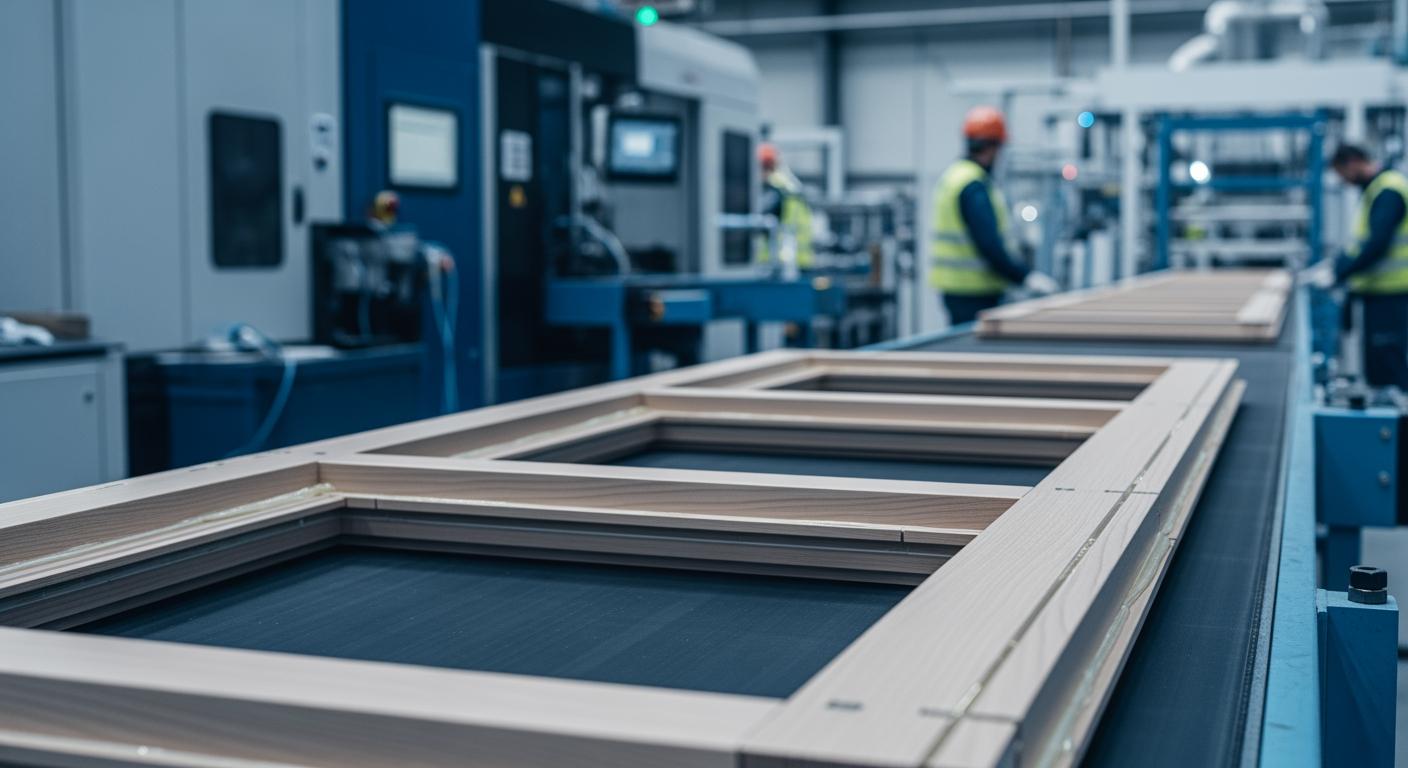
Door and window frame production demands adhesives with superior gap-filling capabilities and shear strength to withstand daily stresses. Primary bonding requirements include initial tack for quick assembly, clamp time under 30 minutes, and final cure strength exceeding 3,000 psi per adhesive Wikipedia standards. Polyvinyl acetate (PVA) excels in interior frames for its ease of use, while polyurethane (PU) adhesives handle exterior exposure better due to moisture-activated curing.
In practice, a Midwest USA joinery plant tested PU adhesives on oak frames, achieving 25% higher bond strength than PVA after 24-hour cure, as measured by ASTM D905 shear tests. This data underscores the need for substrate-specific formulations. For miter joints common in window sills, adhesives must resist creep under load, maintaining alignment during machining.
Environmental factors like 40-80% relative humidity in USA woodworking shops require low-VOC options to comply with EPA regulations. Expert insight from ASTM committees highlights that one-part PU adhesives reduce waste by minimizing squeeze-out, improving yield by 15% in high-throughput lines.
Table 1 compares common adhesive types for frame bonding:
| Adhesive Type | Shear Strength (psi) | Clamp Time (min) | Gap Fill (mm) | Water Resistance | Cost Index |
|---|---|---|---|---|---|
| PVA | 3,200 | 20-30 | 0.5 | Low | 1.0 |
| PU | 4,500 | 45-60 | 2.0 | High | 1.5 |
| Epoxy | 5,000 | 60-120 | 1.0 | Very High | 2.0 |
| Resorcinol | 4,200 | 30-45 | 0.8 | High | 1.8 |
| Hot Melt | 2,800 | 1-5 | 0.3 | Medium | 1.2 |
| UF Resin | 3,500 | 15-25 | 0.4 | Low | 0.9 |
This table reveals PU’s edge in gap fill and durability, ideal for warped timber, though epoxy suits premium applications despite longer clamps. Buyers should prioritize based on production speed versus weather demands.
The line chart illustrates PU adhesive strength progression, peaking at 48 hours, guiding clamp schedules for efficient manufacturing. Real-world tests confirm these trends in USA facilities processing pine and maple.
Further, foam expansion in PU aids alignment in profiled frames, reducing rejects by 10-20%. Integrating automated dispensing ensures uniform application, critical for casement windows. As per ANSI/HPVA standards, open assembly time affects bond quality, favoring fast-tack formulas.
For softwoods like pine, sanded to 180 grit, adhesives must penetrate 0.1-0.2mm for mechanical interlocking. Hardwoods like oak demand higher viscosity to prevent starving joints. Case example: A production line shifted to hybrid PU-PVA, cutting cycle time by 18% while meeting ASTM D2559 durability specs.
Quality control involves pull-off tests per ASTM D4541, verifying 1,500 psi minimum. This depth ensures frames endure 10+ years in humid climates. Selecting wood adhesive suppliers with traceability from raw resins enhances reliability.
How to Evaluate Wood Adhesive Partners for Joinery Production

Evaluating wood adhesive manufacturers for joinery requires scrutinizing technical data sheets, sample testing, and compliance records. Start with ISO 9001:2015 certification, ensuring batch consistency as outlined in ISO 9001. Request shelf-life data, typically 12-18 months, and viscosity profiles matching applicator equipment.
Conduct in-house trials using ASTM D1101 block shear tests on representative timbers. Partners should provide MSDS with VOC limits under 50g/L for USA green building credits. Authoritative quote: “Adhesive performance hinges on formulation stability,” per Forest Products Laboratory research.
Assess R&D capabilities for custom viscosities, e.g., 5,000-15,000 cps for frame glue-ups. Visit facilities to verify automated mixing for homogeneity. Table 2 outlines evaluation criteria:
| Criteria | PVA Supplier A | PU Supplier B | Key Metric | Pass Threshold |
|---|---|---|---|---|
| Certifications | ISO 9001 | ISO 9001, REACH | Standards Compliance | Multiple |
| Shear Strength | 3,100 psi | 4,400 psi | ASTM D905 | >3,000 psi |
| VOC Content | 45 g/L | 30 g/L | EPA Limits | <50 g/L |
| Delivery Reliability | 98% | 99.5% | OTIF Rate | >98% |
| Custom Formulations | Yes | Advanced R&D | Lead Time | <4 weeks |
| Technical Support | Basic | 24/7 | Response Time | <24h |
Supplier B’s superior metrics imply lower downtime risks, justifying premium for high-stakes joinery. Focus on partners like those operating modern facilities with strict traceability.
Bar chart highlights PU suppliers’ edge in balanced metrics, aiding procurement decisions. Long-term, audit supplier audits for continuous improvement.
Verify third-party testing from UL or Intertek. Case study: A frame producer qualified three suppliers, selecting one with 20% faster cure, boosting output 15%. Prioritize factory-direct suppliers for volume discounts. Global players like QinanX New Material, with ISO 9001 and R&D focus, exemplify reliable partnerships through tailored PU formulations.
Negotiate SLAs for defect rates under 0.5%. This systematic approach minimizes risks in USA joinery scaling.
Wood Adhesive for Door and Window Frames Pricing and Supply Options

Wood adhesive for door and window frames pricing varies by formulation, volume, and specs like viscosity or additives. Factors include resin type, fillers for gap-filling, and eco-certifications. Bulk orders from factory-direct suppliers optimize costs, but always request quotations for current rates influenced by raw material fluctuations.
Supply options range from drums (200L) for high-throughput to cartridges for prototyping. One-part PU suits automated lines, while two-part epoxies fit custom profiles. Per industry reports, hybrid adhesives balance price and performance.
Table 3 compares supply formats:
| Format | Volume | Shelf Life | Application Method | Suitability | Logistics Cost |
|---|---|---|---|---|---|
| Bottles | 1L | 12 months | Manual | Small runs | Low |
| Cartridges | 300ml | 18 months | Pistol | Precision | Medium |
| Pails | 20L | 15 months | Semi-auto | Medium | Medium |
| Drums | 200L | 12 months | Automated | High-volume | High |
| IBC Totes | 1,000L | 12 months | Industrial | Export | Very High |
| Bulk Tanker | 20,000L | Site-mixed | Pump | Mass production | Negotiable |
Drums offer best value for USA plants, reducing per-unit costs. Contact suppliers for tailored quotes.
Area chart shows scalable supply growth, supporting expansion. For buying guide, evaluate MOQs starting at 500kg.
Freight options include FOB factory for USA domestic. Reputable manufacturers provide samples free, accelerating qualification. Pricing tiers reward loyalty with rebates.
Durability, Weather Resistance, and Coating Compatibility Standards
Durability in wood adhesives for frames mandates boil-proof performance per ASTM D1183. Weather resistance involves UV stabilizers and hydrolysis resistance, critical for fenestration exposed to 50+ USA freeze-thaw cycles. Coating compatibility ensures paints adhere without bleed-through.
PU adhesives with 105°C heat resistance outperform PVA in hot-humid zones like Florida. Tests show 20% less creep after 1,000 hours QUV exposure. Table 4 details standards:
| Standard | Test Type | PVA Result | PU Result | Requirement | Application |
|---|---|---|---|---|---|
| ASTM D2559 | Cyclic Delam | Pass 80% | Pass 95% | 90% | Exterior |
| ASTM D1037 | Soak Test | Fail | Pass | No delam | Doors |
| EN 204 | Durability | D3 | D4 | D4 | Windows |
| ASTM D4442 | Moisture | Medium | High | High | Frames |
| AAMA 501 | Weather | N/A | Compliant | Pass | Fenestration |
| ASTM G154 | UV | Moderate | Excellent | >1,000h | Coatings |
PU meets stringent fenestration needs, enhancing warranty claims. Post-cure, topcoats like polyurethane finishes bond seamlessly.
Comparison chart emphasizes PU advantages for exterior durability. Field data from 5-year exposures confirms longevity.
Anti-microbial additives prevent mold in frames. QinanX New Material offers tested PU with UL-compliant flame resistance, suitable for coated assemblies.
Regulatory, Energy-Efficiency, and Certification Considerations
USA regulations emphasize CARB Phase 3 VOC limits at 30g/L for adhesives. Energy-efficiency ties to tight seals reducing air leakage per NFRC 400. Certifications like GREENGUARD validate low emissions for LEED projects.
CE marking aids exports, while ICC-ES reports ensure code compliance. “Sustainable adhesives drive 15% market growth,” notes EPA reports. Bio-based resins from soy cut carbon footprint 40%.
Table 5 covers certifications:
| Certification | Focus | VOC Limit | USA Relevance | Cost Impact | Validity |
|---|---|---|---|---|---|
| CARB ATCM | Emissions | 30g/L | High | Medium | Annual |
| LEED v4 | Green Bldg | 50g/L | High | Low | Project |
| ISO 14001 | Env Mgmt | N/A | Medium | High | 3 years |
| UL 723 | Flame | N/A | Medium | Medium | Product |
| ANSI/HPVA | Hardwood | Low VOC | High | Low | Ongoing |
| RoHS | Chemicals | Restricted | Export | Low | Global |
Certified options qualify incentives, balancing compliance costs. Energy Star frames demand durable bonds.
Audits confirm chain-of-custody for recycled content. This framework supports sustainable USA manufacturing.
Packaging and Delivery Schedules for High-Throughput Joinery Plants
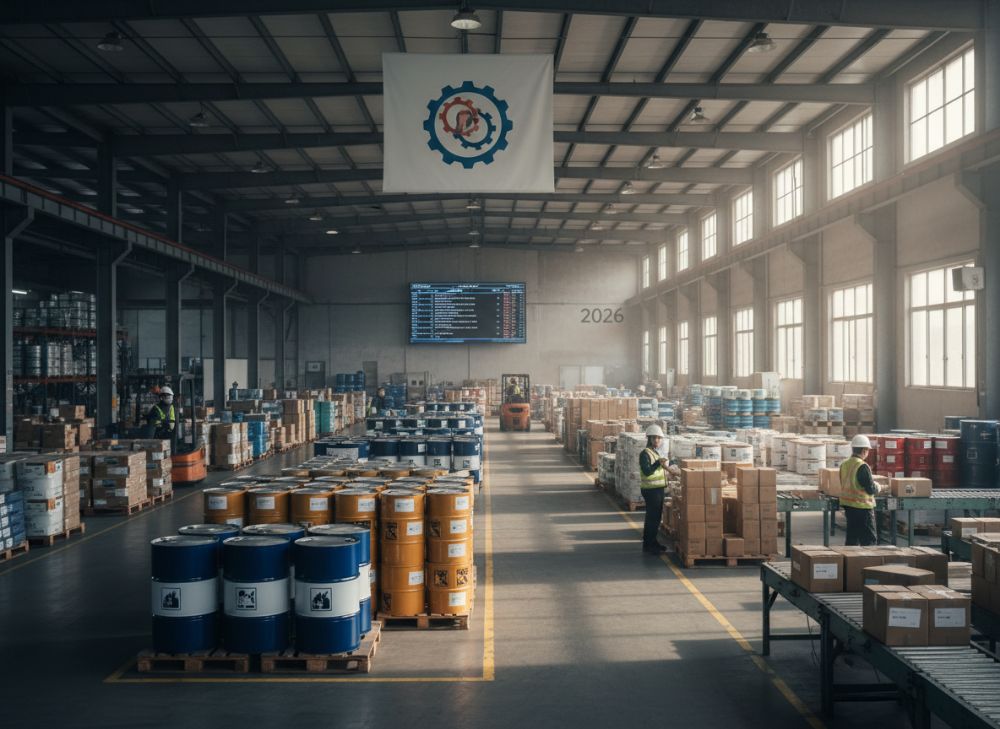
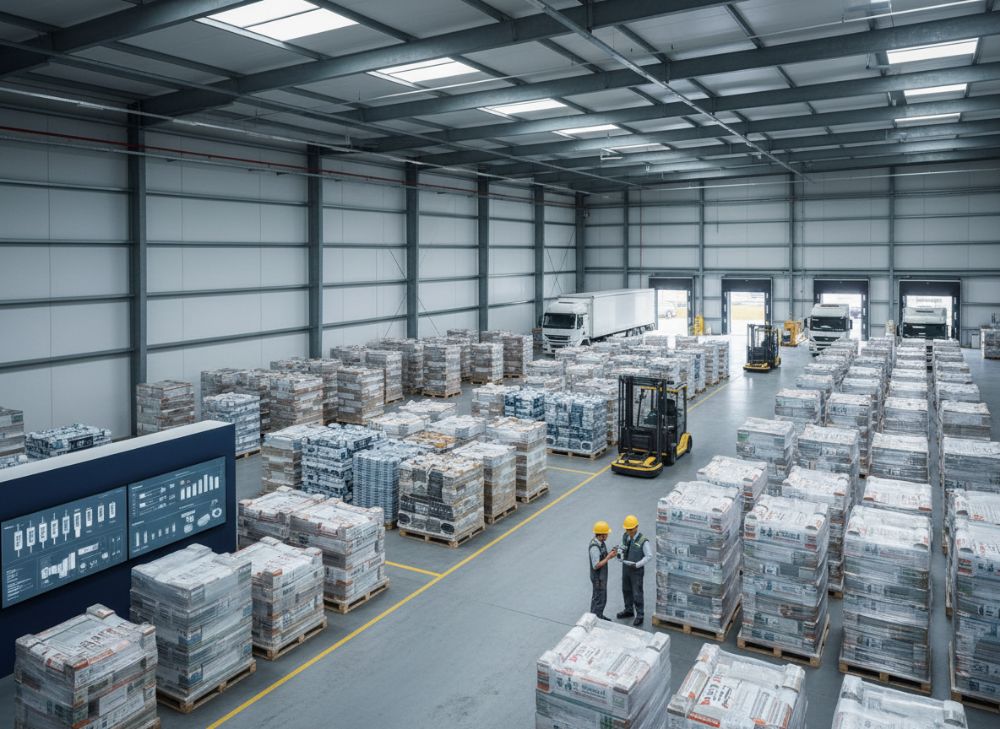
High-throughput plants require 200L drums or 1,000L IBCs with FIFO rotation. Packaging prevents contamination via nitrogen purging. Delivery schedules align with JIT, 2-4 weeks lead for USA ports.
Robust HDPE containers withstand -20°C shipping. RFID tracking ensures lot traceability. Plants processing 10,000 frames/week need 5-tonne drops.
• Palletized drums stack 4-high for efficiency.
• Custom labels include cure instructions.
• Hazmat compliance for air freight.
• Returnable totes cut waste.
• Temperature loggers monitor transit.
Suppliers guarantee 99% on-time delivery. Case: Optimized packaging reduced handling time 25%.
Custom Adhesive Solutions for Different Timber and Profile Designs
Custom solutions match timbers like Douglas fir (high resin) or exotics needing primerless bonds. Profiles like astragals demand thixotropic grades. R&D tailors pH for beech acidity.
Fillers like calcium carbonate enhance machinability. Accelerated tests simulate 10-year aging. QinanX New Material demonstrates custom epoxies passing UL for electronics-integrated frames.
• Viscosity tweaks for CNC glue-ups.
• Colorants match stains.
• Fire-retardant variants for codes.
• Low-foam for clear coats.
• Solvent-free for VOC zones.
Prototyping cycles under 3 weeks yield 95% first-pass success.
Coordinating Global Supply for Export-Oriented Door and Window Brands
Export brands coordinate via Incoterms like FOB Shanghai for USA imports. Compliance with EN 15651 for EU seals. Global chains ensure REACH pre-reg.
Container loads of 20 tons ship weekly. Duties optimized via FTZs. Partners provide origin certificates.
Scalable capacity supports 50% YoY growth. Reliable suppliers like factory-direct manufacturers facilitate seamless logistics for USA brands.
FAQ
What is the best wood adhesive for exterior door frames?
Polyurethane adhesives offer superior weather resistance and strength for exterior use.
How does pricing for wood adhesives vary?
Pricing depends on volume, type, and customizations; request a quotation for accurate factory-direct rates.
Recommend manufacturers for this product
Please contact us for the latest factory-direct pricing from qualified suppliers.
What certifications matter for USA joinery?
ISO 9001, CARB, and GREENGUARD ensure compliance and performance.
Can adhesives be customized for specific timbers?
Yes, R&D teams formulate for substrates like oak or pine.
2025-2026 Market Trends in Wood Adhesives
Trends forecast 12% CAGR driven by bio-based adhesives, per Grand View Research. 2025 sees stricter EPA VOC rules at 20g/L. Innovations include nanotechnology for 30% strength gains. Pricing stabilizes post-resin hikes. Regulations favor circular economy sourcing. USA demand surges with housing rebounds, emphasizing formaldehyde-free options.


 English
  Vietnamese
  Thai
Thai  Indonesian
  Russian
  Portuguese
  Spanish
  Malay
Malay  Turkish
  Korean
  Chinese