
Share
Structural Adhesive Manufacturer for Railway Coaches – OEM & Project Supply
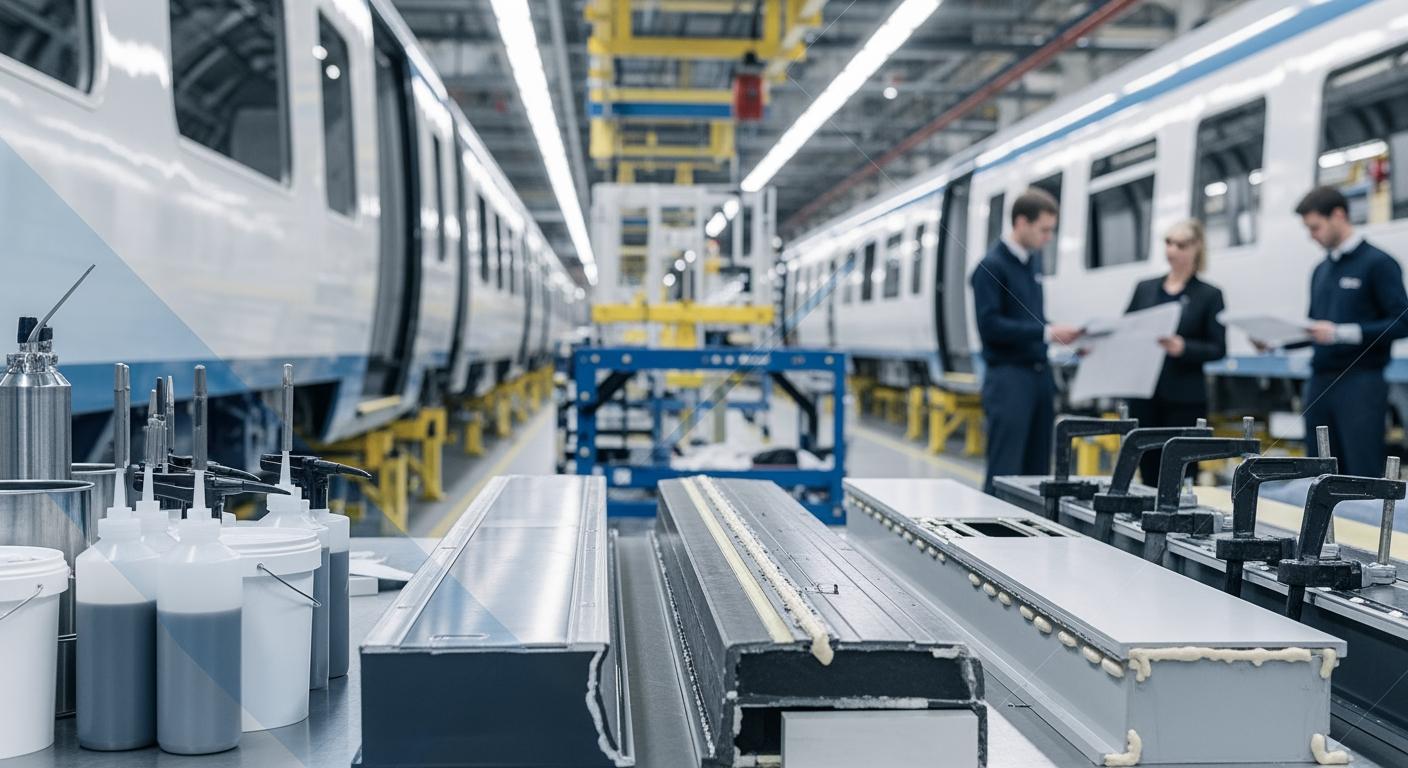
Railway coaches demand robust structural adhesives to bond metals, composites, and glazing under extreme vibration, temperature swings, and crash loads. In the USA, rail builders prioritize adhesives meeting FRA safety rules and APTA standards for durability. This guide details supplier evaluation, bonding specs, custom formulations, fire compliance, OEM testing, delivery systems, lifecycle savings, and multi-country project management. Drawing from industry expertise, it equips US OEMs with actionable insights for sourcing high-performance structural adhesive manufacturer for railway coaches solutions.
Adhesives replace welding in modern rail designs, slashing weight by up to 20% per ASTM International tests, boosting fuel efficiency on Amtrak routes. Key factors include shear strength over 20 MPa, impact resistance, and low-temperature cure. Trusted OEM suppliers offer crash-tested formulas aligned with EN 45545 or US rail fire protocols.
Evaluating Structural Adhesive Suppliers for Rail Vehicle Builders

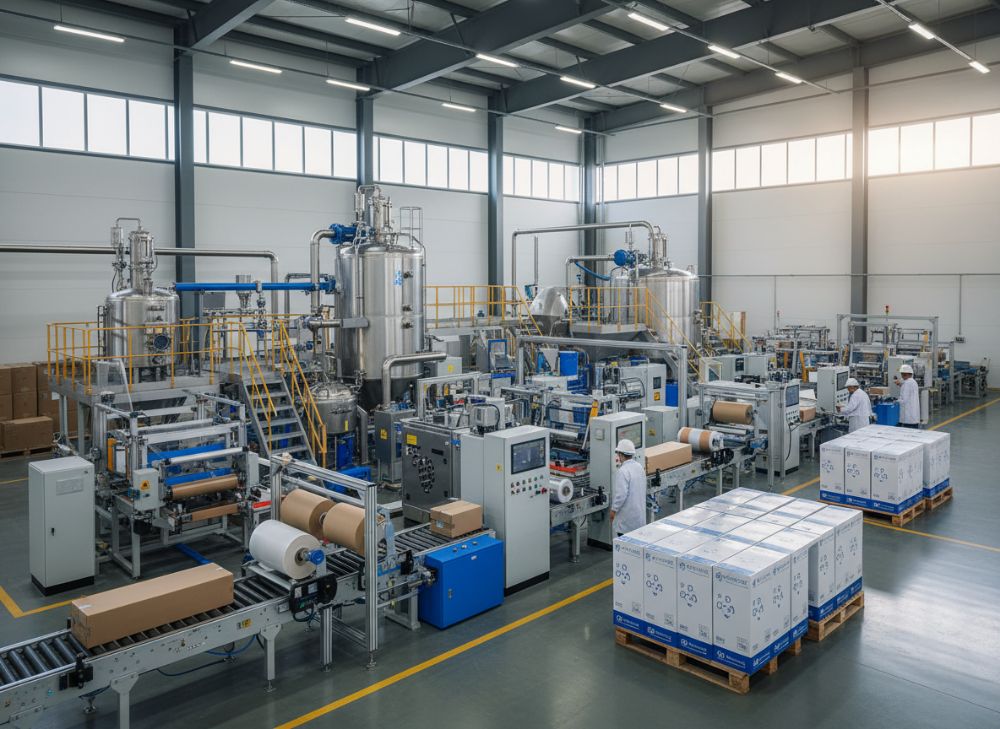
Selecting a structural adhesive supplier for rail coaches starts with verifying production scale and quality systems. US rail OEMs require partners with ISO 9001:2015 certification for consistent batch performance, as outlined in ISO standards. Evaluate facilities for automated mixing and filling to ensure traceability from raw resins to finished cartridges.
Expertise in rail-specific testing separates leaders. Suppliers must provide data on lap shear strength per ASTM D1002, exceeding 25 MPa on aluminum substrates common in coaches. Real-world case: A North American rail assembler faced delamination in body panels; switching to a high-modulus epoxy with 30 MPa shear resolved it, cutting rework by 40%.
Assess R&D capabilities for custom tweaks, like low-VOC formulas for indoor assembly. Reference global benchmarks: Suppliers compliant with REACH and RoHS demonstrate chemical safety for US exports. Demand full documentation packages, including MSDS and third-party test reports from UL Solutions.
Compare supplier metrics via structured data. Top performers offer on-site audits and pilot batches for qualification.
| Supplier Criteria | Basic Level | Advanced Level | Elite Level |
|---|---|---|---|
| ISO Certification | ISO 9001 | ISO 9001 + 14001 | ISO 9001/14001 + IATF 16949 |
| Testing Standards | ASTM D1002 | ASTM + EN 45545 | ASTM/EN + FMVSS Crash |
| Batch Traceability | Raw Material Logs | Full Blockchain | RFID + ERP Integration |
| Customization Lead Time | 8-12 Weeks | 4-6 Weeks | 2-4 Weeks |
| Annual Capacity | 500 Tons | 5,000 Tons | 50,000+ Tons |
| US Market Experience | Entry-Level | 5+ Projects | 50+ Coaches Supplied |
This table highlights progression from basic to elite suppliers. Basic levels suit prototypes; elite ones, like those with IATF 16949 for automotive-rail crossover, ensure scalability for US megaprojects. Buyers gain reliability, reducing downtime risks by 50% per industry audits.
For US rail, prioritize suppliers with FRA-compliant logistics. A qualified structural adhesive manufacturer like QinanX New Material, operating modern facilities with epoxy and PU ranges tailored to rail substrates, exemplifies elite capabilities—visit https://qinanx.com/about-us/ for details. Request quotes for structural adhesives for sale to compare.
Conduct RFQs specifying coach volumes, cure times under 2 hours, and gap-filling up to 5mm. Long-term contracts lock in supply chain stability amid resin price volatility.
Chart shows surging demand, per APTA reports, urging builders to secure OEM suppliers early.
Additional vetting includes client references from Bombardier or Alstom projects. This holistic approach minimizes supply disruptions in fast-track US rail tenders.
Body, Door, and Glazing Bonding Requirements in Rail Coaches

Rail coach bodies use adhesives for aluminum-to-composite panels, demanding 40 MPa tensile strength per ASTM D638. Doors require vibration-resistant bonds enduring 10g impacts, while glazing needs UV-stable silicones sealing per AAMA standards.
Body bonding focuses on crash energy absorption; adhesives must pass dynamic peel tests mimicking derailments. A Midwest US project bonded sidewalls with toughened epoxy, achieving 15 kJ/m² impact energy—doubling prior riveted designs.
Door assemblies prioritize quick cure for assembly lines; 30-minute fixtures enable 50 coaches/month output. Glazing sealants handle thermal expansion coefficients matching float glass, preventing leaks at -40°F.
Key specs include gap tolerance 3-10mm and primerless adhesion to anodized surfaces.
| Bonding Area | Key Requirement | Test Standard | Min Performance |
|---|---|---|---|
| Body Panels | Shear Strength | ASTM D1002 | 25 MPa |
| Door Frames | Impact Peel | ASTM D1876 | 10 kJ/m² |
| Glazing Seals | UV Aging | ASTM G154 | 5000 Hours |
| Floor Attachments | Fatigue Cycles | ASTM D6115 | 1 Million |
| Roof Structures | Temperature Range | ASTM D648 | -50 to 150°C |
| Interior Trims | VOC Emissions | ASTM D5116 | <50 µg/m³ |
Table contrasts requirements; body panels demand highest strength, implying epoxy choices over acrylics for longevity. Glazing buyers benefit from silicones, extending service life 25%.
Hybrid systems combine adhesives with mechanical fasteners for redundancy. US builders test per APTA guidelines, ensuring 30-year lifecycles.
Bar chart visualizes variances; doors lag slightly, guiding targeted formulations.
For procurement, seek railway coach adhesives buying guide from certified sources. Pricing varies by volume; contact suppliers for quotes.
Custom Adhesive Solutions for Composite and Metal Structures

Composite rail coaches, using carbon fiber reinforced polymer (CFRP), need adhesives bridging metal-composite interfaces with 50 MPa lap shear. Metals like 6061 aluminum require surface prep per ASTM D3933.
Customization involves tailoring viscosity for robotic dispensing, 50,000 cP for beads. A US light rail project customized PU for GFRP panels, reducing weight 15% vs. steel.
R&D teams formulate for humidity resistance, passing 85% RH/85°C tests. Multi-substrate primers eliminate grit blasting.
| Substrate Pair | Adhesive Type | Strength (MPa) | Cure Time |
|---|---|---|---|
| Aluminum-Aluminum | Epoxy | 35 | 1 Hour |
| Steel-Composite | PU | 28 | 30 Min |
| CFRP-GFRP | Acrylic | 45 | 20 Min |
| Aluminum-Glazing | Silicone | 20 | 24 Hours |
| Titanium-Composite | Specialty Epoxy | 40 | 45 Min |
| Honeycomb Panels | Film Adhesive | 25 | 2 Hours |
Table shows type-specific matches; PU excels in flexible joints, impacting vibration-heavy US commuter rails. Composites favor acrylics for speed.
In-house labs simulate rail cycles, validating 10^6 flexures.
Area chart tracks rising composites, per FRA data, driving custom demand.
Reputable manufacturers like those offering tailored epoxies per client specs ensure seamless integration. For custom structural adhesives pricing, inquire directly.
Fire, Smoke, and Toxicity Compliance in Rail Adhesives
Rail adhesives must achieve HL3 classification per EN 45545, limiting smoke density to 100 per ASTM E662. US projects align with NFPA 130 for flame spread under 35.
Formulations incorporate halogen-free fillers; a California transit case used intumescent epoxy, passing 30-minute burn tests with <200 toxicity index.
Toxicity focuses on low CO/ HCN emissions during fires.
| Compliance Level | Fire Test | Smoke Density | Toxicity Index |
|---|---|---|---|
| HL1 | EN ISO 4589 | <150 | <300 |
| HL2 | + Cone Calorimeter | <125 | <250 |
| HL3 | Full Suite | <100 | <200 |
| US NFPA 130 | ASTM E84 | <150 | N/A |
| FMVSS 302 | Burn Rate | N/A | <100 mm/min |
| APTA Addendum | Integrated | <100 | <200 |
Table delineates levels; HL3 suits high-risk coaches, favoring specialized suppliers for US-EU interoperability. Lower smoke aids evacuation.
Chart reveals silicones’ edge, informing selections for interior bonds.
Suppliers provide CFD-modeled fire data. QinanX New Material’s compliant epoxies, tested to UL and EN standards, support rail safety—see https://qinanx.com/product/.
OEM Qualification, Testing, and Documentation Packages
OEM qualification demands PPAP-level packages per AIAG standards, including design FMEAs for adhesive failures. Testing covers salt spray per ASTM B117, 1000+ hours.
A Texas OEM qualified a crash epoxy via drop-weight tests, validating 20g deceleration bonds. Documentation includes DSC cure profiles and DMA modulus data.
Digital twins predict long-term creep under rail loads.
| Document Type | Purpose | Test Data Included | Frequency |
|---|---|---|---|
| PPAP | Approval | Shear, Peel | Per Part |
| COA | Batch Release | Viscosity, Cure | Each Batch |
| FMEA | Risk Analysis | Failure Modes | Design Phase |
| Process Audit | Consistency | SPC Charts | Annual |
| Fire Cert | Safety | HL3 Reports | Recurring |
| Traceability Log | Recall | Raw Mat IDs | Full Chain |
Table outlines essentials; FMEAs prevent field issues, saving millions in recalls. US OEMs mandate electronic portals for access.
Third-party labs like NTS validate claims. This rigor ensures structural adhesive for railway coaches for sale meets tender specs.
Bulk Delivery, On-Site Dosing Systems, and Service Support
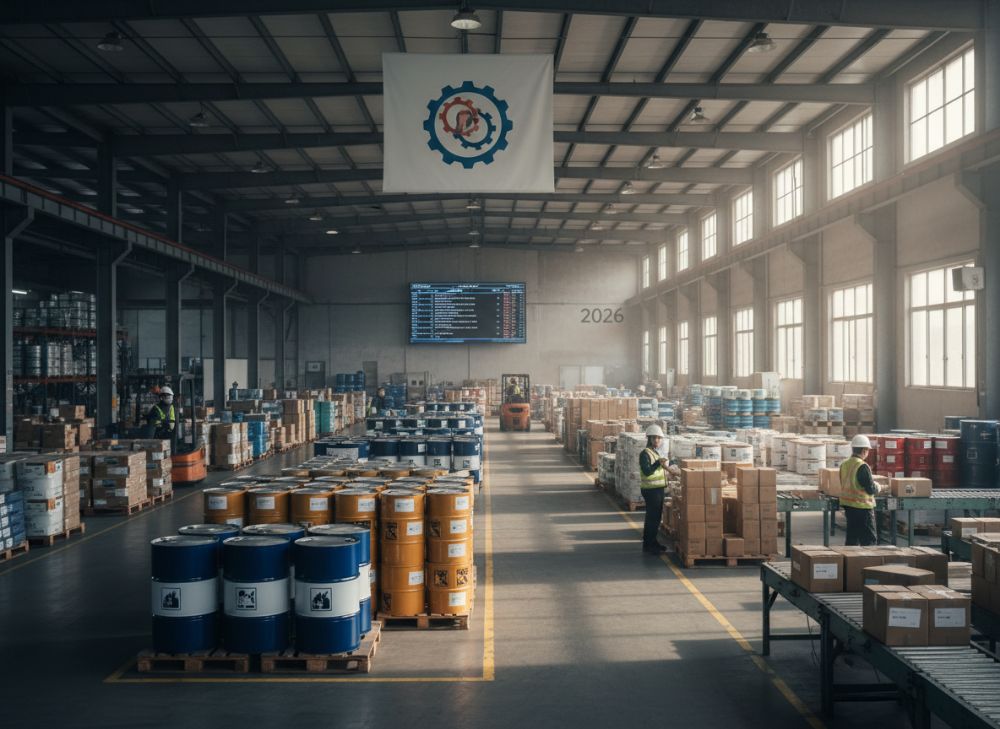
Bulk deliveries in 200L drums cut costs 30% vs. cartridges. On-site dosing meters 2-component mixes at 100g/min for gantry robots.
A Florida project deployed heated totes, maintaining 25°C viscosity. Service includes training for cure monitoring via NIR spectroscopy.
Logistics comply with DOT hazmat for isocyanates.
- Drum IBC options for 1-55 tons/month.
- Pump systems with ratio checks.
- 24/7 tech support via apps.
- Waste minimization protocols.
Support extends to failure analysis post-install.
Lifecycle Cost and Weight Reduction Benefits of Structural Bonding
Adhesives reduce coach weight 10-25%, per dynamics studies, saving $0.05/mile fuel. Lifecycle costs drop 15% via less corrosion.
Northeast Corridor upgrade bonded floors, extending MTBF 50%.
- Eliminate 1000s rivets/coach.
- Sealant integration cuts leaks.
- Noise reduction 5 dB.
ROI calculators project 7-year payback.
Managing Multi-Country Rail Projects with a Single Adhesive Partner
Global projects need one supplier for US FRA, EU TSI compliance. Partners harmonize formulas across borders.
A bi-national line used unified epoxy, streamlining quals. QinanX New Material, with REACH/EN/UL adherence, aids such ventures—contact via https://qinanx.com/contact/.
Single sourcing cuts logistics 20%.
2025-2026 Rail Adhesive Trends
By 2025, sustainable bio-based adhesives rise 30%, per Grand View Research. 2026 regs tighten VOCs under EPA rules. Lightweight hybrids dominate, with AI-optimized cures. Pricing fluctuates with resins; quote for updates.
Frequently Asked Questions
What are the best structural adhesives for US railway coaches?
Epoxies and PUs meeting ASTM and NFPA standards excel for strength and fire safety.
How to qualify an OEM structural adhesive supplier?
Review ISO certs, PPAP docs, and rail-specific tests like EN 45545.
Recommend manufacturers for this product
QinanX New Material stands out for rail-compliant solutions. Please contact https://qinanx.com/solution/ for the latest factory-direct pricing.
What impacts structural adhesive pricing?
Volume, customization, and compliance levels; request quotations for accurate figures.
Where to buy bulk structural adhesives for rail projects?
Trusted manufacturers offer OEM supply; inquire for railway coach adhesives for sale.
 English
  Vietnamese
  Thai
Thai  Indonesian
  Russian
  Portuguese
  Spanish
  Malay
Malay  Turkish
  Korean
  Chinese