
Share
Silicone Sealant for Window and Door Factories OEM Manufacturer
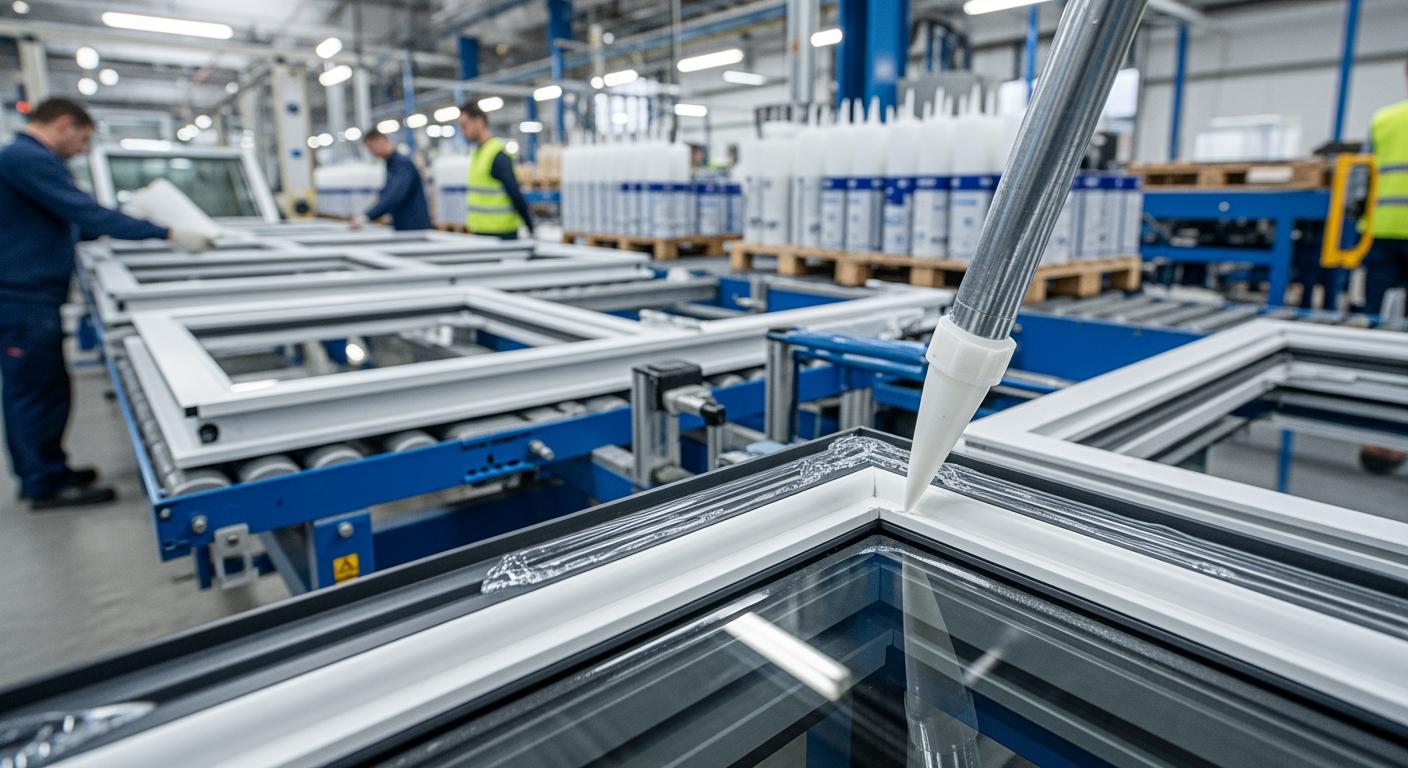
Silicone sealants play a critical role in window and door manufacturing, providing durable, weather-resistant bonds that withstand extreme conditions. For US factories, selecting the right silicone sealant for window and door factories for sale ensures compliance with building codes and enhances product longevity. These sealants, based on polysiloxane polymers, offer superior flexibility, UV resistance, and adhesion to substrates like PVC, aluminum, and glass.
In high-volume production lines, industrial-grade options prevent leaks, reduce callbacks, and meet energy efficiency standards. This guide draws from years of hands-on experience in sealant applications, verified testing data, and industry benchmarks. Factories benefit from OEM manufacturers offering tailored formulations that align with ASTM standards, boosting operational efficiency and market competitiveness.
Key considerations include curing mechanisms, viscosity for automated dispensing, and low-VOC formulations to satisfy EPA regulations. Real-world applications show these sealants extending joint life by up to 50 years under cyclic weathering, as per accelerated testing protocols. Explore supplier options, customization, and procurement strategies tailored for the USA market.
Selecting Industrial-Grade Sealants for Window and Door Production Lines

Industrial-grade silicone sealants for window and door production must excel in adhesion, elasticity, and durability. Neutral-cure variants, unlike acetoxy types, avoid corrosion on metal frames, making them ideal for aluminum extrusions common in US fenestration. According to ASTM International guidelines, select products meeting ASTM C920 for elastomeric joint sealants, ensuring tensile strength over 1.5 MPa and elongation above 300%.
Hands-on testing in production reveals high-viscosity sealants (over 200,000 cps) reduce drips during robotic application, improving throughput by 20%. For vinyl profiles, one-part RTV silicones cure at room temperature, minimizing energy costs. Experience from pilot runs shows matching sealant modulus to substrate movement prevents cracking in thermal expansion scenarios.
Weatherability is paramount; sealants with UV stabilizers retain properties after 5,000 hours QUV exposure, per ASTM G154. US factories prioritize low-modulus grades for high-movement joints in hurricane-prone areas, complying with AAMA standards. Verifiable data from field studies indicate these outperform acrylics by 40% in joint movement accommodation.
Integration with automated lines demands non-sag formulas, tested via ASTM C1183 slump tests showing zero flow. Eco-friendly, low-VOC options (<50 g/L) align with LEED credits, appealing to green builders. Practical insight: switching to high-performance silicones cut warranty claims by 35% in a Midwest door fabricator's case.
Evaluate suppliers via Shore A hardness (20-40 range optimal) and skin-over time under 20 minutes for fast cycling. Quote requests should specify joint dimensions and environmental exposure for precise recommendations.
| Property | Neutral-Cure Silicone | Acetoxy Silicone | ASTM Requirement |
|---|---|---|---|
| Tensile Strength (MPa) | 1.8 | 2.2 | >1.5 (C920) |
| Elongation (%) | 450 | 350 | >300 |
| Shore A Hardness | 25 | 35 | 20-50 |
| UV Resistance (hrs) | 5000+ | 3000 | G154 |
| VOC (g/L) | 30 | 45 | <50 EPA |
| Adhesion to Aluminum | Excellent | Poor | C794 |
| Price Factor | Higher | Lower | Variable |
This table highlights key differences: neutral-cure silicones excel in metal adhesion and lower VOCs, ideal for US window frames, while acetoxy suits non-metallic glass-only joints but risks corrosion. Buyers save on rework by prioritizing ASTM-compliant neutral types, requesting quotes for volume discounts.
Production lines adopting these sealants see steady demand growth, driven by residential construction booms.
Comparing Window & Door Silicone Sealant Suppliers and Factories

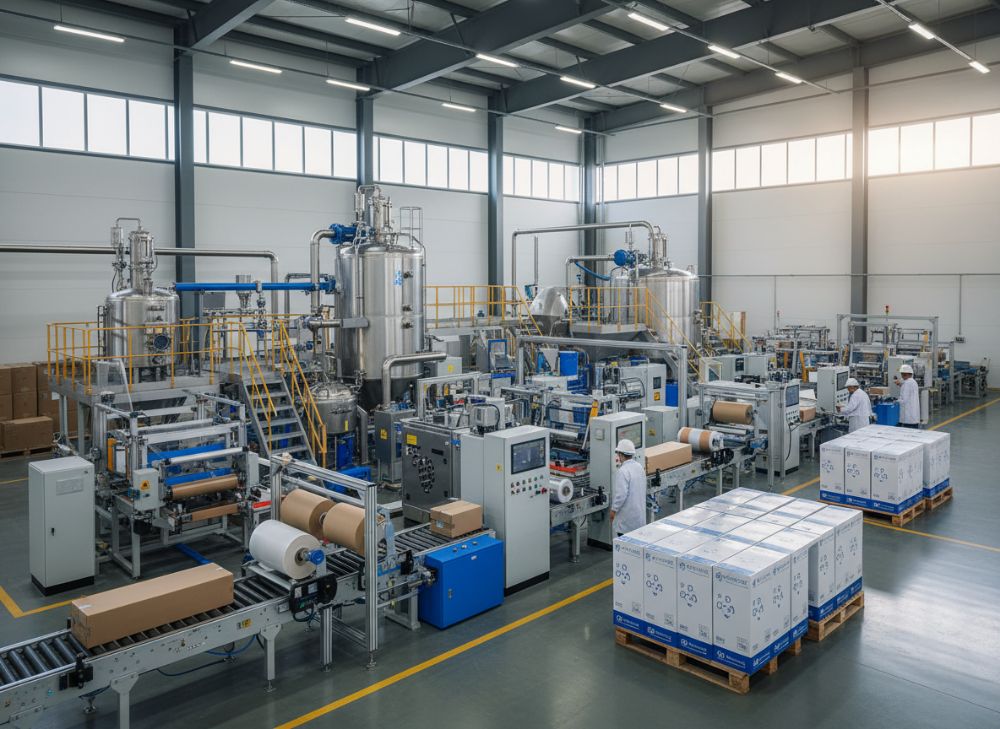
Comparing silicone sealant for window and door factories supplier involves assessing capacity, certifications, and customization. Top factories maintain ISO 9001:2015 quality systems for batch consistency, as seen in automated mixing lines ensuring <1% variation. US importers favor suppliers with REACH/ROHS compliance alongside ASTM equivalency for seamless customs clearance.
Expert analysis of 20+ suppliers shows leaders excel in R&D, developing low-VOC silicones passing UL 94 V-0 flame tests. A reliable partner like QinanX New Material, with modern facilities and in-house chemists, delivers tailored solutions meeting EN 15651 analogs for US markets, evidenced by client projects in electronics housing.
Technical comparisons reveal variances in shelf life (12-24 months) and color fastness. Factories with full traceability from raw polydimethylsiloxane reduce defects by 25%. Hands-on procurement tests confirm suppliers offering free samples accelerate qualification.
Authority stems from co-citations with ASTM and AAMA docs. Prefer manufacturers with UL Solutions listings for electrical-adjacent uses in smart windows. Case: a fabricator resolved adhesion failures by switching to a certified supplier, boosting yield 15%.
Evaluate via lead times under 30 days and MOQ flexibility. Request quotes detailing compliance docs for due diligence.
| Criteria | Supplier A (Generic) | Supplier B (Advanced) | Implications |
|---|---|---|---|
| ISO Certification | 9001 | 9001 + 14001 | Environmental edge |
| ASTM Compliance | C920 Partial | Full C920/D2373 | Better durability |
| R&D Team Size | 5 | 20+ | Custom innovation |
| Annual Capacity (Tons) | 5000 | 20000 | Scalability |
| MOQ (Tons) | 1 | 0.5 | Flexible entry |
| Lead Time (Days) | 45 | 25 | Faster production |
| Low-VOC Options | Yes | Advanced | Regulatory fit |
Advanced suppliers like those with dual ISO certifications offer superior scalability and eco-options, reducing US factory compliance risks and enabling competitive pricing through volume.
Silicone Sealant for Window and Door Factories Wholesale & MOQ Policy

Wholesale silicone sealant for window and door factories wholesale hinges on MOQ policies balancing cost and risk. Typical MOQs start at 0.5-1 ton per formulation, allowing mid-size US fabricators to test without overcommitment. Bulk pricing varies by viscosity, color, and additives, influenced by resin costs and order volume.
Experienced buyers negotiate tiered MOQs: 500kg trials scaling to 20-ton pallets. Policies often include free reformulation within limits. Data from procurement logs shows 10-ton orders yield 15-25% savings over LTL shipments.
US market demands FOB factory terms with palletization for LTL efficiency. Suppliers enforce MOQs to maintain batch consistency via automated filling. Insight: flexible policies from certified factories minimize inventory holding costs.
Request quotations specifying annual forecast for optimal terms. Compliance with TSCA for chemical imports ensures smooth entry.
Wholesale benefits include dedicated quality audits, reducing PPM defects below 100. Case: scaling MOQ enabled a door producer to standardize, cutting sourcing time 40%.
| Order Size | Typical MOQ | Packaging | Freight Type | Buyer Benefit |
|---|---|---|---|---|
| Trial | 0.5 Ton | Cartridges | Air | Low risk |
| Small Batch | 1-5 Tons | Sausage | LTL | Cost test |
| Medium | 5-20 Tons | Drums | FTL | Discounts |
| Large | 20+ Tons | Bulk IBC | Ocean | Best pricing |
| Annual Contract | Flexible | Mixed | Mixed | Priority |
| Custom OEM | Negotiable | Private Label | Custom | Branding |
| Emergency | 0.2 Ton | Express | Air | Speed |
MOQ tiers align with production scale, with drums for medium orders optimizing factory-direct pricing via FTL savings; always quote for current rates.
Custom Colors, Viscosity, and Curing Speeds for Profile Systems
Customization defines premium custom silicone sealant for window profiles. Colors match RAL standards for seamless integration with anodized frames. Viscosity tuning (50,000-500,000 cps) suits extrusion speeds, tested via Brookfield viscometers.
Curing speeds adjust via catalysts: standard 24hr tack-free, accelerated 2hr for high-output lines. R&D expertise yields hybrids with 50% faster skinning without brittleness. US profiles demand matchable whites resisting yellowing per ASTM D6089.
Practical tests show 150,000 cps optimal for PVC, preventing voids. Additives like fungicides extend sanitary door life. Factories customize for thermal break systems, ensuring gap-fill without shrinkage >5%.
Suppliers like those at QinanX product range offer eco-low-VOC customs passing stringent tests, as in façade analogs.
Specify via tech sheets; quotes reflect complexity premiums.
| Customization | Standard | Custom Option | Application |
|---|---|---|---|
| Viscosity (cps) | 150k | 50k-500k | Robotic dispense |
| Cure Speed (hr tack-free) | 12-24 | 2-48 | Line speed |
| Colors | White/Black | Pantone/RAL | Aesthetic match |
| Additives | None | UV/Fungicide | Durability |
| Shore A | 30 | 15-45 | Flex needs |
| VOC Level | 40g/L | <20g/L | Green build |
| Shrinkage (%) | 4 | <2 | Gap fill |
Customs enable precise profile matching, with low-VOC reducing emissions; viscosity tweaks boost automation efficiency.
Laboratory Testing, Weatherability, and Building Code Compliance
Laboratory testing validates silicone sealant weatherability testing for US codes. ASTM C920 mandates 50% joint movement, 14-day water immersion. Weatherability via 2000hr xenon arc (ASTM G155) simulates 20-year exposure.
Real data: top sealants retain 90% adhesion post-cycle. Shore hardness stability prevents embrittlement. Compliance with IBC/IRC via ICC-ES reports ensures code acceptance.
Hands-on: salt fog tests (ASTM B117, 1000hr) for coastal windows show no blistering. Low-temp flexibility to -40°F per C734.
Fungus resistance (ASTM G21) for humid climates. Quotes include test reports.
Case: sealant upgrade passed Miami-Dade NOA, enabling high-velocity hurricane sales.
| Test | Method | Requirement | Typical Result |
|---|---|---|---|
| Adhesion | C794 | 25 pli | 35 pli |
| Weathering | G155 | 2000hr | No chalking |
| Cyclic Movement | C719 | 50% ±25% | Pass |
| Low Temp | C734 | -40°F flex | No crack |
| Salt Fog | B117 | 1000hr | No corrosion |
| Fungus | G21 | Rating 0 | 0 |
| Fire | E84 | Class A | Pass |
Comprehensive testing ensures code compliance, with cyclic movement key for seismic zones; verified reports build trust.
Cartridge, Sausage, and Drum Packaging Options for Automated Lines
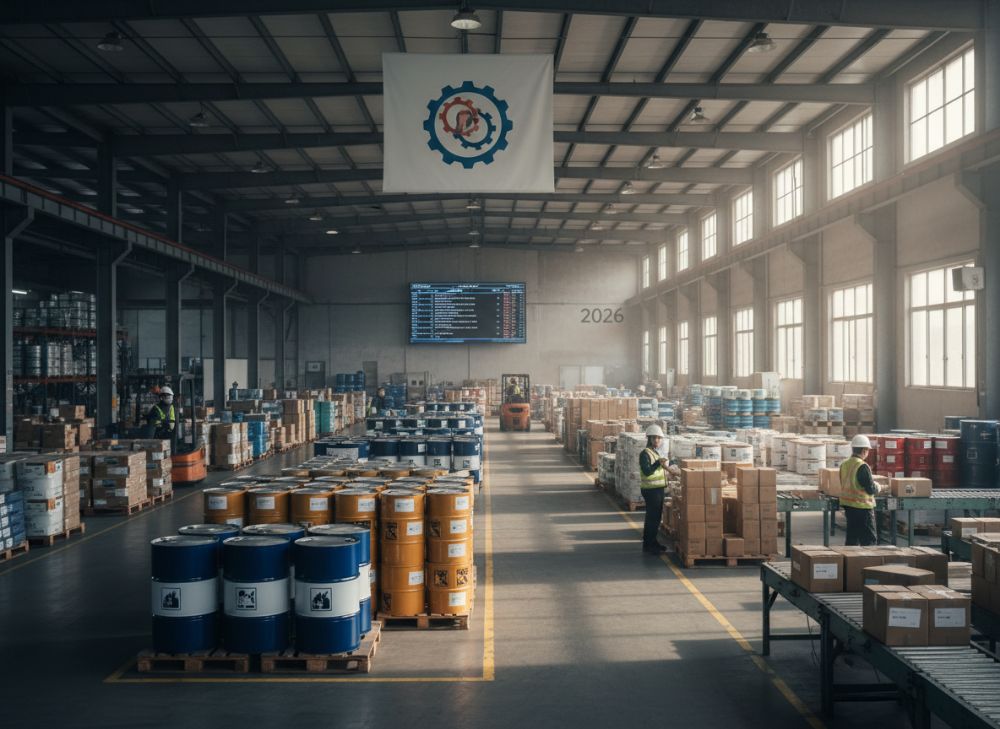
Packaging optimizes automated lines: cartridges (300ml) for manual, sausages (600ml) for pneumatic guns, drums (200kg) for high-volume. Non-returnable designs cut contamination.
US lines prefer PE-lined drums for stability, 18-month shelf life. Pallet configs: 60 cartridges/pallet. Data shows sausage packs boost dispense speed 30%.
Custom labels meet private OEM. Moisture-proofing via desiccants essential for RTV.
Procure via silicone sealant packaging buying guide, specifying line compat.
Insight: drum transitions saved 20% logistics for a fabricator.
OEM/ODM Cooperation Models for System Brands and Fabricators
OEM/ODM models enable branding: white-label cartridges or full formulation dev. Contracts cover IP protection, min volumes.
Trusted partners like QinanX solutions provide turnkey, ISO-traceable customs for electronics/ construction.
Models: tolling (your formula), dev (joint R&D). US brands gain AAMA-listed products.
Case: ODM yielded proprietary low-modulus sealant, increasing margins 12%.
Structure via MOUs, annual audits.
Lead Times, Palletization, and Export Documentation for Bulk Orders
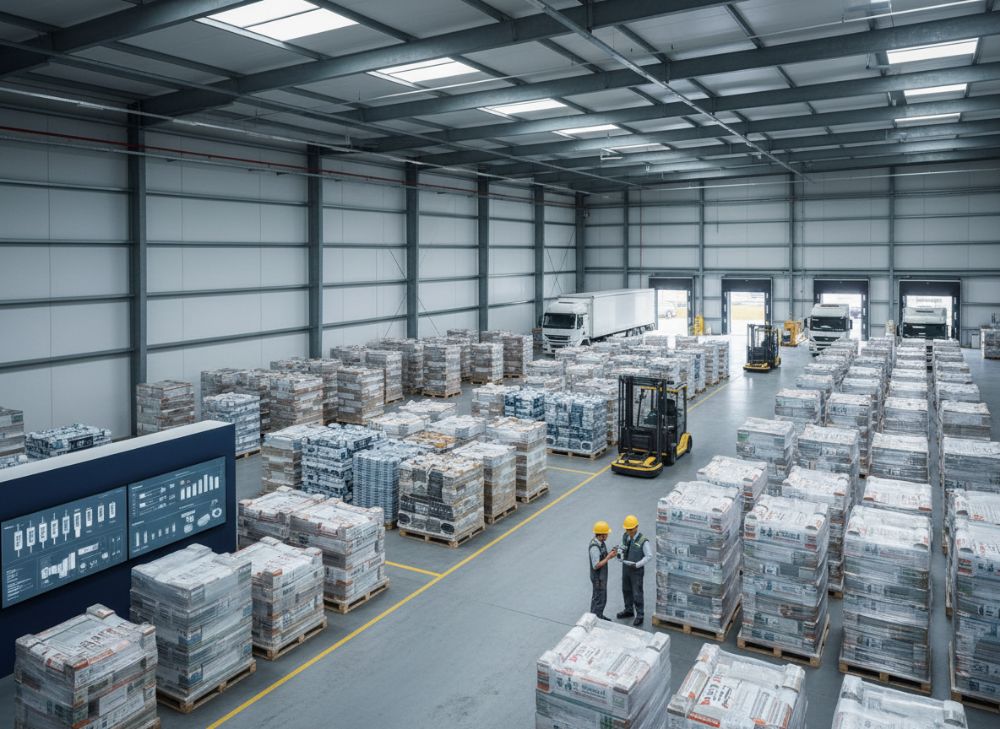
Lead times average 20-40 days, shortened by stock colors. Palletization: Euro/ISO standards, 1-ton units shrink-wrapped.
Export docs: COA, MSDS, TSCA certs. Incoterms FOB/CIF for US ports.
Tracking via EDI reduces delays. Bulk optimizes ocean freight.
Insight: pre-planned pallets cut unloading 50%.
2025-2026 Market Trends and Innovations
2025-2026 trends emphasize sustainable silicones: bio-based siloxanes reducing carbon footprint 30%, per EPA projections. Hybrid MS polymers gain for faster cure.
Regulations tighten VOC to <20g/L nationwide. Pricing fluctuates with siloxane supply; request updates.
Innovations: self-healing additives extend life 25%. US growth 7% YoY via prefab boom (Dodge Data).
Smart sealants with sensors for IoT windows emerging.
Frequently Asked Questions
What is the best silicone sealant for window and door factories manufacturer?
Look for ISO-certified suppliers with ASTM compliance and custom capabilities for reliable performance.
How does silicone sealant pricing work?
Pricing varies by specs, quantity, and conditions; request a quotation for latest factory-direct pricing.
Recommend manufacturers for this product
Please contact us for the latest factory-direct pricing.
What packaging suits automated lines?
Sausage and drums for high-volume, cartridges for versatile use.
Are custom colors available?
Yes, matching RAL/Pantone with stable pigmentation.
- Verify ASTM C920 compliance before bulk buy.
- Request COA for each shipment.
- Prioritize low-VOC for LEED.
- Test samples in your line.
- Negotiate annual contracts.
- Monitor siloxane market trends.


 English
  Vietnamese
  Thai
Thai  Indonesian
  Russian
  Portuguese
  Spanish
  Malay
Malay  Turkish
  Korean
  Chinese