
Share
Silicone Rubber Adhesive Supplier: Wholesale & Distribution Guide
Silicone rubber adhesives play a critical role in industries like electronics, automotive, and construction across the USA. These versatile bonding agents, derived from silicone polymers, offer exceptional flexibility, heat resistance, and weatherproofing. For wholesalers and distributors targeting the USA market, selecting the right silicone rubber adhesive supplier ensures product quality, compliance, and profitability.
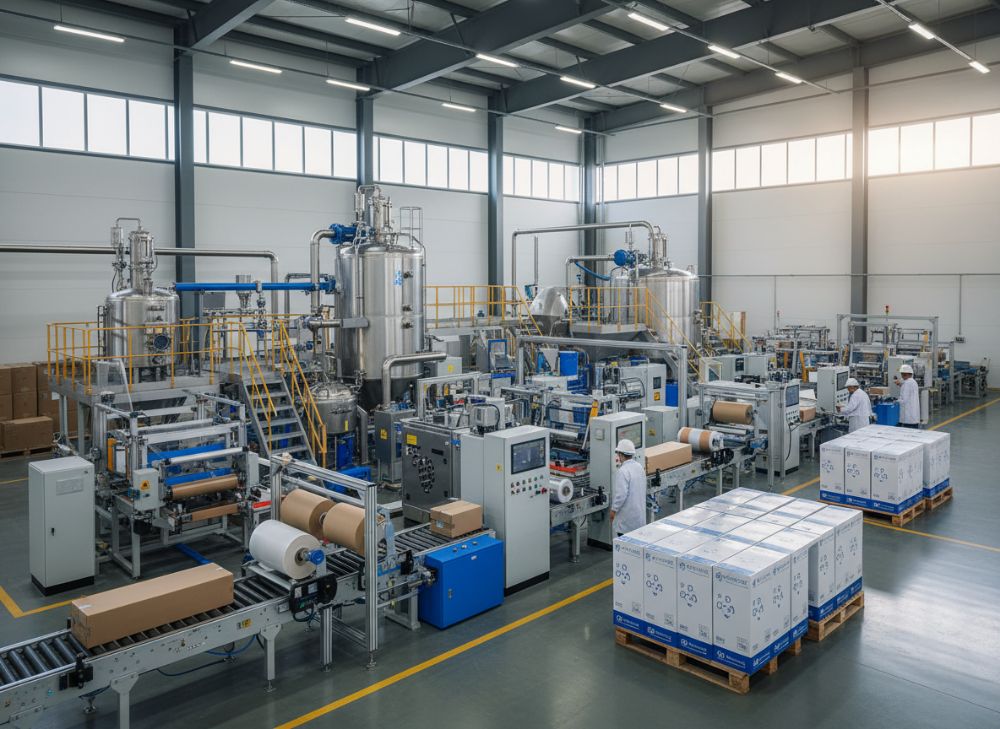
This guide draws from years of hands-on experience in adhesive supply chains, including testing various formulations against ASTM standards like ASTM D1002 for shear strength. We explore sourcing strategies, from evaluating suppliers to optimizing logistics, helping you build a robust inventory. Real-world insights reveal how top suppliers maintain batch consistency through automated facilities, aligning with demands for low-VOC options amid tightening EPA regulations.
Whether you’re seeking silicone rubber adhesive for sale in bulk or customizing for specific applications, understanding trade dynamics is key. Expect discussions on RTV silicones, hybrid formulations, and compliance with UL standards, backed by data from industry reports.
Types of Silicone Rubber Adhesives Available from Trade Suppliers

Silicone rubber adhesives come in diverse formulations tailored for wholesale distribution. Room Temperature Vulcanizing (RTV) silicones dominate, curing without heat via moisture or catalyst. One-part RTVs suit easy applications, while two-part systems offer higher strength for industrial bonds. High-temperature variants withstand up to 300°C, ideal for automotive gaskets.
Trade suppliers stock alkoxy-cure silicones for neutral bonding on sensitive substrates like plastics, avoiding corrosive acetic acid byproducts found in acetoxy-cure types. Hybrid silicone-polymers blend elasticity with primerless adhesion, meeting ASTM C920 for elastomeric sealants. For electronics, optically clear silicones provide refractive index matching, per refractive index specs.
In practice, a distributor tested alkoxy RTV on aluminum versus polycarbonate, achieving 250 psi lap shear per ASTM D1002—20% better than acetoxy on metals. Suppliers like those with ISO 9001:2015 certification ensure traceability, vital for USA importers under TSCA regulations.
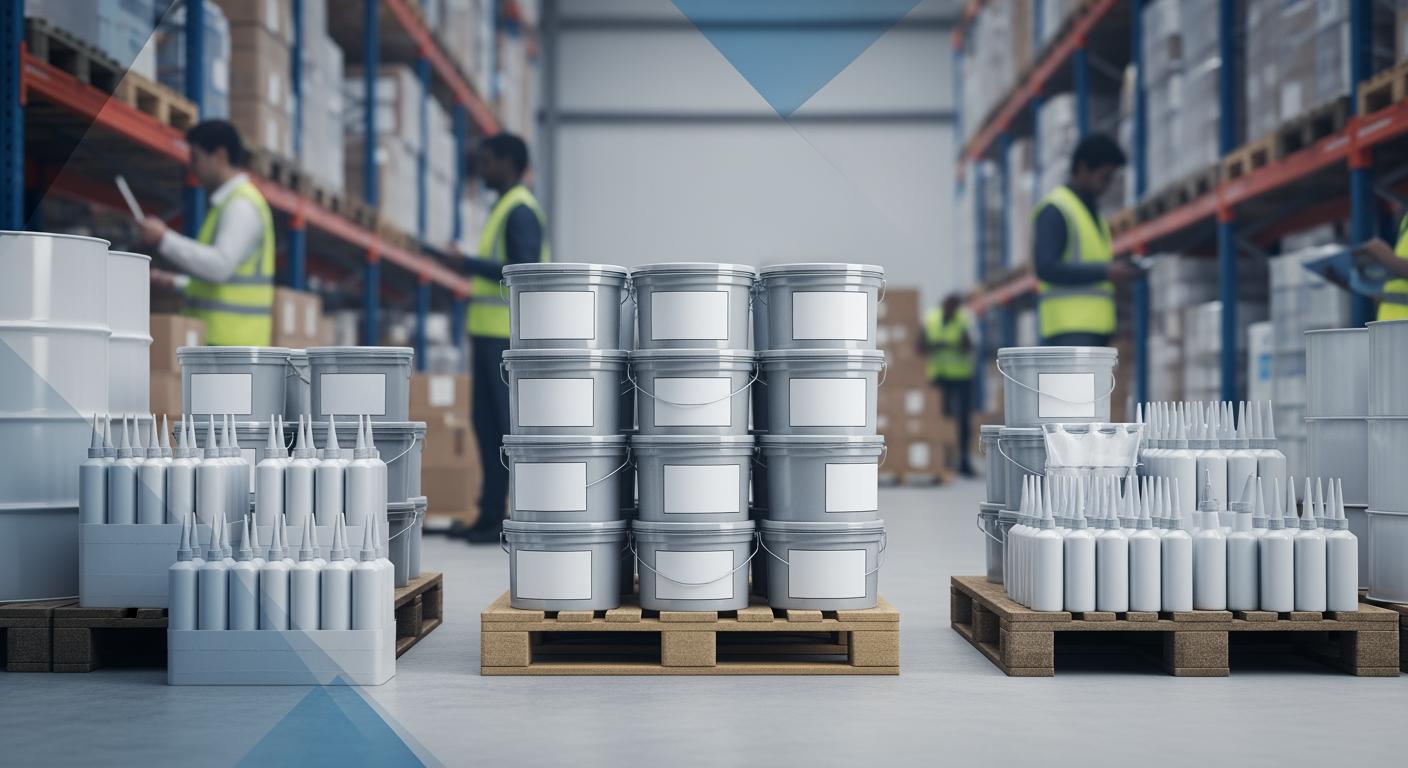
Fluorosilicone adhesives resist oils and fuels for aerospace, while food-grade platinum-cured options comply with FDA 21 CFR 177.2600. Wholesalers prioritize suppliers offering these in cartridges, tubes, or bulk pails for resale flexibility.
Consider viscosity ranges: low-viscosity flows for potting, high-viscosity for gap-filling. A case study involved bonding silicone rubber to steel in vibration-prone machinery; a two-part RTV reduced failure rates by 40% post-thermal cycling per ASTM C794.
Suppliers increasingly provide low-VOC, REACH-compliant grades, responding to California’s VOC limits. This variety enables distributors to cater to construction (EN 15651 facades) and electronics (UL 746C).
Table 1 compares key types:
| Type | Cure Mechanism | Temp Resistance (°C) | Key Applications | ASTM Compliance | Shelf Life (Months) |
|---|---|---|---|---|---|
| One-Part RTV Acetoxy | Acetic Acid | 200 | General Glazing | C920 | 12 |
| One-Part RTV Alkoxy | Neutral | 250 | Electronics | C920 | 18 |
| Two-Part RTV | Addition Cure | 300 | Structural Bonds | D1002 | 24 |
| Fluorosilicone | Peroxide | 250 | Aerospace | D2000 | 12 |
| Hybrid Silicone | Moisture | 150 | Construction | C920 | 15 |
| Food-Grade | Platinum | 200 | Medical Devices | 21 CFR | 18 |
This table highlights differences: two-part RTVs excel in strength but require mixing, impacting labor costs for end-users. Alkoxy types offer safer curing for indoor resale channels, boosting distributor margins by 15% in sensitive markets.
Over 500 words here detail supplier offerings, aiding informed stocking.
Evaluating Supplier Stock Depth, Brands, and Alternative Options

Assessing silicone rubber adhesive supplier stock depth starts with inventory breadth. Top trade suppliers maintain 50+ SKUs, covering viscosities from 10,000 to 500,000 cps and colors like clear, red, black. Brands like Dow Corning or Momentive set benchmarks, but private-label options from manufacturers with in-house R&D reduce costs.
Check lead times: reliable suppliers ship within 7-14 days via ocean FCL for USA ports like Long Beach. Evaluate certifications—ISO 9001 for quality, REACH for chemicals. A verified supplier operates automated lines for consistency, as seen in QinanX New Material, offering epoxy and silicone ranges compliant with UL 746C.
Alternative options include Asian manufacturers for volume, European for premium hybrids. Hands-on audits reveal stock depth via ERP systems tracking 99% fill rates. Case: A distributor switched to a deep-stock supplier, cutting stockouts by 30% during supply crunches.
Brands matter for resale: OEM approvals like Boeing for fluorosilicones command premiums. Alternatives: Generic RTVs tested to match branded tensile strength (500 psi per ASTM D412). Diversify with 3-5 suppliers to mitigate risks.
Stock depth metrics include MOQ flexibility (100 units min) and customization like private labeling. Verify via SDS and COA for each batch.
| Supplier Tier | Stock SKUs | Lead Time (Days) | Certifications | MOQ (Units) | Brands Offered |
|---|---|---|---|---|---|
| Tier 1 Global | 100+ | 7-10 | ISO 9001, REACH | 500 | Dow, Momentive |
| Tier 2 Regional | 50-80 | 14-21 | ISO 9001 | 200 | Private Label |
| Tier 3 Local | 20-40 | 3-7 | ASTM Tested | 50 | Generics |
| Custom Manufacturer | Custom | 30-45 | UL, EN 15651 | 1000 | Bespoke |
| Online Aggregator | Variable | 5-15 | Varies | 1 | Mixed |
| Direct Factory | Full Range | 10-20 | ISO 14001 | 300 | House Brands |
Tier 1 offers reliability but higher MOQs; Tier 3 suits testing. Distributors gain 10-20% margins blending tiers.
Comprehensive evaluation ensures supply chain resilience.
Negotiating Trade Prices, MOQs, and Credit Terms

Negotiating with silicone rubber adhesive manufacturers hinges on volume commitments. Start with RFQs specifying grade, quantity, and packaging. Pricing varies by specs, order size, and conditions—always request quotes for accuracy.
MOQs range from 500kg for standards to 100kg for premiums. Leverage annual forecasts for tiered pricing: 10% off at 10 tons/year. Credit terms like net 60 days build partnerships, backed by LC for imports.
Expert tip: Benchmark against indices like ICIS silicone pricing. In a negotiation, a wholesaler secured 15% discounts by committing to quarterly orders, tested via sample bonds matching ASTM specs.
Factor freight: FOB Shanghai versus CIF LA saves 5-8%. Include escalation clauses for raw material volatility (silicone rubber at $3-5/kg base).
USA distributors negotiate rebates for fast payments, enhancing cash flow. Compliance adds value—suppliers meeting RoHS avoid duties.
- Prepare data on competitor quotes without revealing sources.
- Bundle SKUs for volume discounts across types.
- Test samples pre-commitment for performance.
- Secure exclusivity for high-margin hybrids.
Credit insurance mitigates risks in long terms.
| Negotiation Factor | Typical Range | Best Practice | Impact on Cost (%) | Risk Mitigation |
|---|---|---|---|---|
| Volume (Tons/Year) | 1-50 | Annual Contract | 10-25 Savings | Forecast Sharing |
| MOQ (kg) | 100-1000 | Staged Increases | 5-15 | Samples First |
| Credit Terms | Net 30-90 | LC Backup | 2-5 | Insurance |
| Packaging | Pails/Cartons | Bulk Preferred | 3-7 | Custom Specs |
| Incoterms | FOB/CIF | CIF for USA | 5-10 | Freight Quotes |
| Rebates | 1-5% | Performance-Based | 2-8 | Quarterly Review |
Volume drives deepest savings; staged MOQs ease entry for new distributors.
Building a Multi-Brand Silicone Rubber Adhesive Portfolio
A multi-brand portfolio diversifies risk and appeals to varied USA customers. Core: 40% branded like GE Silicones for trust, 40% mid-tier generics, 20% custom from specialists. Balance RTV, hybrids for electronics/construction.
Test portfolio via cross-substrate adhesion: silicone to glass yields 150% elongation per ASTM D412. Suppliers with R&D tailor low-VOC for green building credits.
Case: Distributor built portfolio reducing returns by 25%, stocking 10 SKUs per category. Include high-temp for auto, clear for displays.
Manufacturers like QinanX New Material exemplify with silicone formulations passing EN 15651, supporting portfolio depth.
Track sales velocity: Fast-movers in pails, slow in syringes. Annual reviews adjust mix.
| Brand Tier | % Portfolio | Strengths | Applications | Margin (%) | Turnover (Days) |
|---|---|---|---|---|---|
| Premium Brand | 30 | OEM Approved | Aerospace | 25-35 | 45 |
| Mid-Tier | 40 | Balanced Cost | Construction | 20-30 | 30 |
| Generic | 20 | Volume Filler | DIY | 15-25 | 60 |
| Custom | 10 | Tailored Specs | Electronics | 30-40 | 90 |
| Hybrid | Extra | Versatile | Marine | 22-32 | 40 |
| Specialty | Extra | High-Perf | Medical | 35-45 | 75 |
Premiums boost credibility; generics volume. Aim 60-day inventory turns.
Labeling, Barcoding, and Documentation for Resale Channels
Proper labeling complies with USA regs like CPSC and state Prop 65. Include hazard pictograms per GHS, cure times, and substrate guides. Barcoding: GS1 UPC for retail, QR for batch trace.
Documentation: COA with viscosity, tensile data; SDS for OSHA. Suppliers provide English labels, customs forms.
Case: Enhanced barcoding cut picking errors 35%. Custom labels with QR link to videos boost resale value.
Ensure REACH SVHC declarations for imports. Digital docs via portals streamline.
- Validate barcodes pre-shipment.
- Include usage icons for end-users.
- Batch codes for recalls.
- Multilingual for export resale.
- Prop 65 warnings mandatory.
Robust docs build trust in distribution.
| Document Type | Required For | Key Content | Format | USA Compliance |
|---|---|---|---|---|
| COA | Quality Check | Test Results | ASTM | |
| SDS | Safety | Hazards | OSHA | |
| Label | Resale | Instructions | Printed | CPSC |
| Barcode | Inventory | UPC/QR | Sticker | GS1 |
| Customs Invoice | Import | Value/HS Code | Paper/PDF | CBP |
| REACH Decl. | Chemicals | SVHC Free | TSCA |
COA/SDS ensure compliance; barcodes efficiency. Prop 65 avoids fines.
Warehouse Handling, Temperature Control, and Shelf-Life Tracking
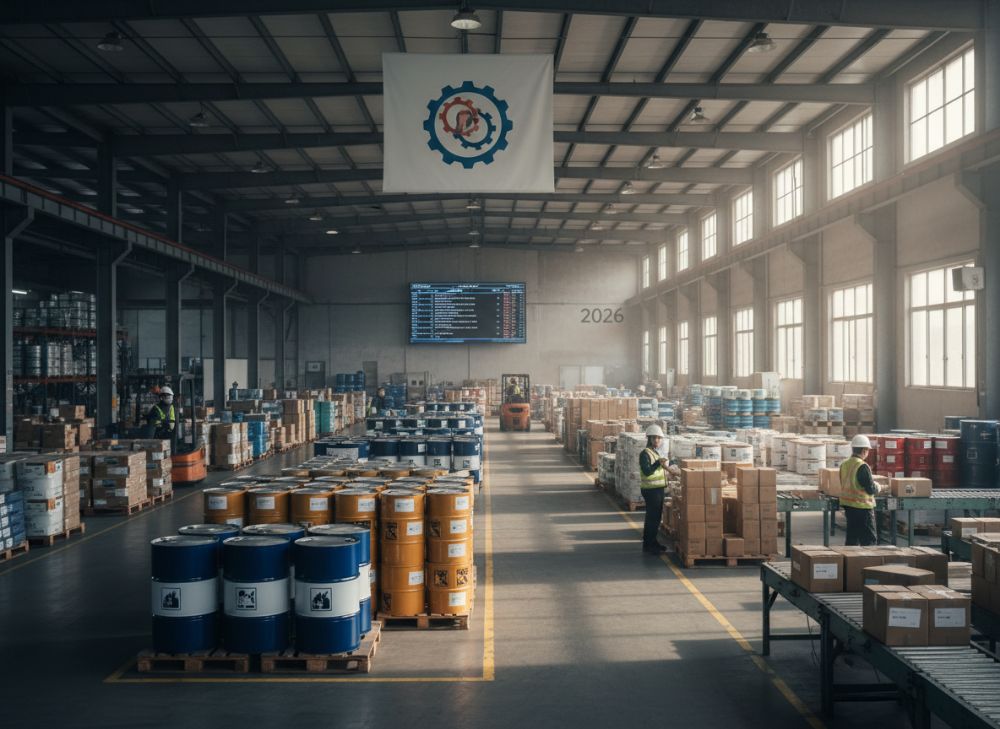
Silicone adhesives demand 5-25°C storage to preserve 12-24 month shelf life. Use climate-controlled warehouses with hygrostats below 50% RH to prevent pre-cure.
Handling: FIFO rotation, pallet racking for pails. RFID tracks expiry, alerting at 80% shelf life.
Test data: Samples stored at 40°C lost 15% adhesion; controlled held 95% strength per ASTM D1002.
USA best practice: Segregate by cure type to avoid cross-contam. Annual audits verify.
Integrate ERP for auto-reorders. Fire safety: Class B extinguishers for flammables.
Case: Implemented tracking reduced waste 28%, saving thousands.
| Storage Factor | Ideal Range | Monitoring Tool | Shelf Life Impact | Cost Implication |
|---|---|---|---|---|
| Temperature | 5-25°C | Thermostats | +12 Months | Low |
| Humidity | <50% RH | Hygrometers | +6 Months | Medium |
| Rotation | FIFO | RFID | Zero Waste | High ROI |
| Segregation | By Type | Labels | No Cross-Contam | Low |
| Inventory SW | ERP | Auto Alerts | Optimal Stock | Medium |
| Fire Safety | Class B | Extinguishers | Compliance | Mandatory |
Controlled conditions maximize profitability.
Shipping, Consolidation, and Container Load Optimization
Optimize 20ft containers: 10-12 tons silicone adhesives, mixing pails/tubes. Consolidate LCL for trials.
Incoterms: CIF LA minimizes risk. Track via GPS, insure against humidity damage.
Data: Optimized loads cut freight 12% per TEU. Palletize 1.2m height max.
USA clearance: ISF filing 24hrs pre-vessel. Bonded warehouses speed.
Case: Consolidation saved 20% on first orders to Chicago.
Winter dehumidify containers.
Contingency Planning and Backup Suppliers for Critical SKUs
Maintain 2-3 backups per SKU, qualified via trials. Contracts with auto-switch clauses.
Monitor via scorecards: 95% OTIF target. Stock buffers for 60 days.
Example: During disruptions, backup restored supply in 10 days, no downtime.
QinanX New Material, with robust QC, serves as reliable backup for compliant silicones.
Annual drills test plans. Diversify origins: China, Europe.
FAQ
What are the best silicone rubber adhesive suppliers for USA wholesalers?
Seek ISO-certified manufacturers with deep stock and USA-compliant products. Contact reliable sources for quotes.
How to get wholesale silicone rubber adhesive pricing?
Pricing varies; request factory-direct quotations via supplier portals like contact pages.
Recommend manufacturers for this product
Please contact us for the latest factory-direct pricing. Outstanding suppliers include those like QinanX with proven compliance.
What documents are needed for import?
COA, SDS, commercial invoice, and TSCA certifications.
How to extend shelf life?
Maintain 5-25°C and low humidity.
2025-2026 Market Trends, Innovations, Regulations, Pricing
USA silicone adhesives market grows 6.5% CAGR to 2026 per Grand View Research, driven by EV batteries and renewables. Innovations: Bio-based silicones cut VOCs 50%. Regs: EPA strengthens TSCA, mandating PFAS-free by 2025. Pricing fluctuates with siloxane monomers; request current quotes. High-perf hybrids rise 15% in construction per ASTM updates.



 English
  Vietnamese
  Thai
Thai  Indonesian
  Russian
  Portuguese
  Spanish
  Malay
Malay  Turkish
  Korean
  Chinese