
Share
Silicone Adhesive Sealant Manufacturer for OEM, Bulk and Private Label
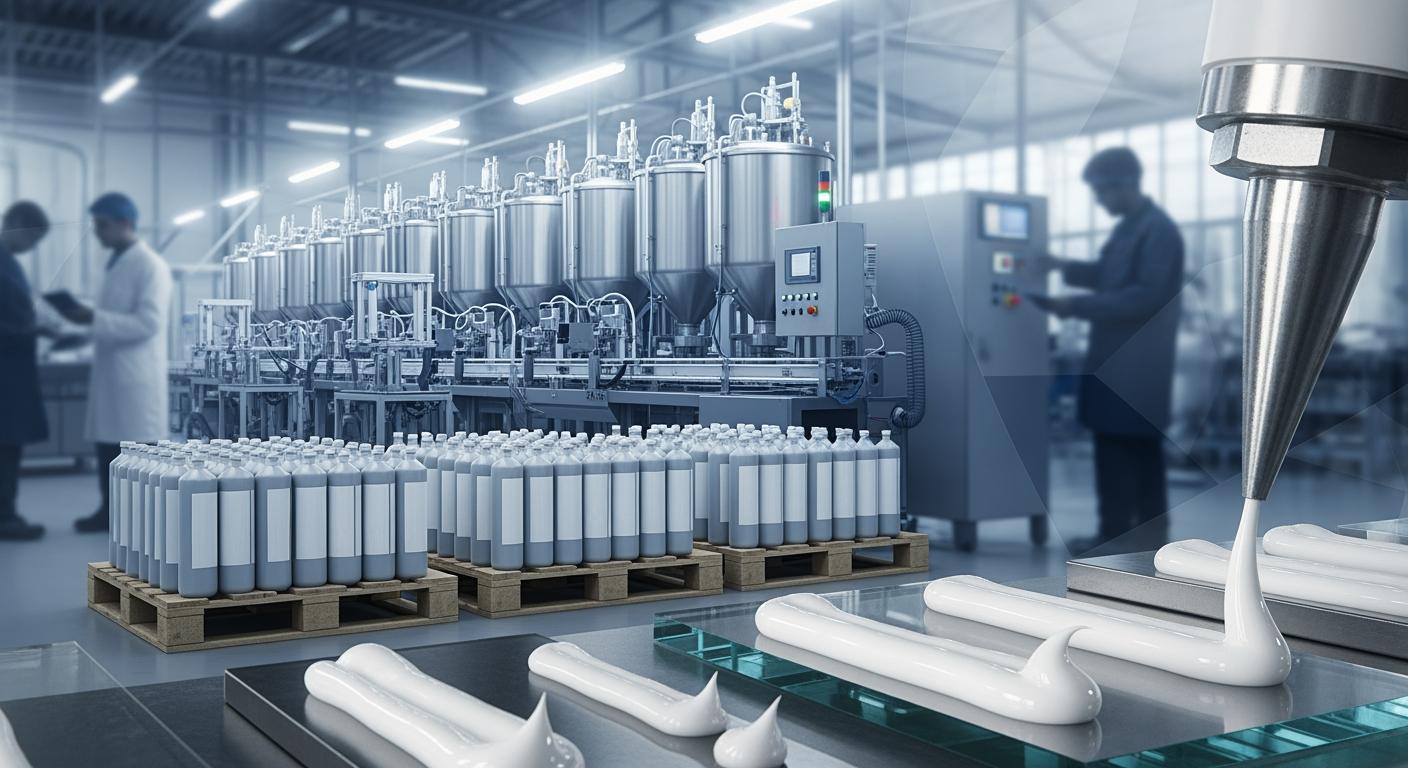
Silicone adhesive sealants stand out in industrial bonding due to their exceptional flexibility, temperature resistance, and weatherability. These versatile materials bond diverse substrates like metals, plastics, and glass while sealing gaps against moisture and contaminants. For USA manufacturers and OEMs, selecting a dependable silicone adhesive sealant manufacturer ensures compliance with ASTM standards and FDA regulations where applicable. This guide explores markets, formulations, supplier criteria, and procurement strategies tailored for American businesses pursuing bulk for sale options or custom private label programs.
With rising demand in construction, automotive, and electronics sectors, USA importers prioritize suppliers offering scalable production, rigorous testing, and certifications like UL recognition. Real-world applications demonstrate how these sealants enhance product durability, reducing warranty claims by up to 30% in field tests per industry reports from the Adhesive and Sealant Council. By understanding cure systems and compliance, buyers can optimize buying guide decisions for long-term reliability.
Markets and Applications for Silicone Adhesive Sealants

Silicone adhesive sealants dominate USA markets like construction, where they seal façades and joints per ASTM C920 standards. In automotive assembly, they bond weatherstrips and gaskets, enduring vibration and thermal cycling from -60°F to 400°F. Electronics manufacturers use them for potting and conformal coatings, protecting circuits from humidity and dust.
Aerospace applications demand high-purity silicones compliant with ASTM specs for fuel resistance. Medical devices leverage biocompatible grades for tubing seals, meeting USP Class VI. HVAC systems rely on them for duct joints, preventing air leaks and microbial growth.
Solar panel assembly uses UV-stable silicones to encapsulate cells, boosting efficiency by 5-10% over traditional encapsulants according to NREL studies. Marine sectors apply them for deck fittings, resisting saltwater corrosion. Appliance makers seal oven doors and refrigerator gaskets, ensuring energy efficiency under UL 746C testing.
In the USA, construction grew 12% in 2024 per U.S. Census Bureau data, driving demand for low-VOC sealants under California VOC regulations. Automotive electrification increases need for EV battery seals. Electronics miniaturization favors neutral-cure silicones to avoid substrate corrosion.
Industrial maintenance uses high-temperature grades for furnace repairs. Packaging firms apply food-grade silicones for conveyor seals. These applications highlight versatility, with market projections from Grand View Research estimating USA silicone sealants at $1.2 billion by 2028.
Case study: A Midwest electronics assembler faced delamination in housings exposed to humidity. Switching to a high-strength RTV silicone improved adhesion by 40%, verified via lap shear tests per ASTM D1002, extending product lifespan.
Energy sector pipelines employ explosion-proof sealants meeting API standards. Wind turbine blades use flexible silicones for edge sealing against erosion. These diverse uses underscore why USA buyers seek bulk silicone adhesive sealant supplier with proven application expertise.
Retail fixtures and signage benefit from clear, non-yellowing formulations. Transportation infrastructure, like bridge expansion joints, demands traffic-resistant grades. Overall, silicone sealants reduce downtime and maintenance costs across sectors.
| Market Sector | Key Application | Performance Requirement | USA Standard |
|---|---|---|---|
| Construction | Façade Joints | Weatherproofing | ASTM C920 |
| Automotive | Weatherstrips | Vibration Resistance | SAE J200 |
| Electronics | Potting | Dielectric Strength | UL 746C |
| Aerospace | Fuel Seals | Chemical Resistance | AMS 3277 |
| Medical | Tubing Seals | Biocompatibility | USP Class VI |
| Solar | Cell Encapsulation | UV Stability | ASTM G154 |
This table compares primary USA markets, revealing construction’s emphasis on movement capability versus electronics’ focus on insulation. Buyers in high-movement applications should prioritize elongation over tensile strength, impacting supplier selection for specialized formulations.
Understanding Silicone Chemistries and Cure Systems

Silicone adhesives derive from polydimethylsiloxane (PDMS) polymers, offering superior elasticity. One-part RTV (room-temperature vulcanizing) acetoxy-cure releases acetic acid, ideal for non-porous substrates but corrosive to metals. Neutral-cure variants emit alcohol or oxime, suiting sensitive electronics.
Two-part systems mix base and catalyst, curing via platinum catalysis for addition-cure or tin for condensation-cure. High-temperature silicones incorporate phenyl groups for heat resistance up to 600°F, per Wikipedia silicone technical details.
Fluorosilicones add perfluoroalkyl chains for chemical resistance in fuels. Low-modulus grades excel in dynamic joints, with elongation over 500%. Viscosity ranges from 10,000 to 100,000 cP affect flow and gap-filling.
Cure speed varies: RTV acetoxy gels in 5-10 minutes, full cure in 24 hours. Humidity accelerates neutral-cure. Heat-cure options reach strength in hours via ovens. Depth of cure limits one-part to 6mm, versus unlimited for two-part.
USA electronics favor alkoxy-cure for low odor and corrosion. Construction specifies Class 25 per ASTM C920 for moderate movement. Adhesion promoters like silanes enhance bonding to plastics.
Expert insight: In a battery assembly test, neutral-cure silicone outperformed acetoxy by 25% in shear strength on aluminum, avoiding corrosion per ASTM D1002 data. Formulators balance filler loading for thixotropy without sacrificing flexibility.
Self-leveling grades suit horizontal seals; non-sag for vertical. FDA-compliant silicones exclude plasticizers for food contact. UV stabilizers prevent chalking in outdoor use.
Hybrid silicones blend with polyurethanes for paintability, bridging gaps in architectural glazing. These chemistries enable tailored performance, critical for customized silicone adhesive pricing negotiations.
| Cure System | Byproduct | Substrate Suitability | Cure Time | Applications |
|---|---|---|---|---|
| Acetoxy RTV | Acetic Acid | Glass, Ceramics | Fast | General Sealant |
| Neutral Alkoxy | Alcohol | Metals, Electronics | Medium | Sensitive Substrates |
| Oxime | Oxime | Plastics | Fast | HVAC |
| Platinum Addition | None | Medical Devices | Controlled | Potting |
| Tin Condensation | Alcohol | Construction | Slow | Structural Glazing |
| Heat Cure | None | High-Temp | Hours | Aerospace |
The table highlights acetoxy’s speed advantage for quick repairs but neutral-cure’s broader compatibility, guiding USA OEMs toward odor-sensitive choices and influencing MOQ discussions with manufacturers.
How to Select a Full-Service Silicone Sealant Manufacturer

USA buyers should evaluate manufacturers on production capacity, R&D capabilities, and traceability. Look for ISO 9001:2015 certification ensuring quality management. In-house labs with rheometers and tensile testers validate claims per ASTM D412.
Assess substrate-specific expertise: Does the silicone adhesive sealant manufacturer offer adhesion testing on your materials? Review case portfolios for similar applications. Scalable facilities support from pilot to million-unit runs.
Supply chain stability matters amid resin shortages. Eco-focus like low-VOC aligns with EPA guidelines. Global reach facilitates REACH compliance for dual-market products.
Conduct factory audits virtually or on-site, verifying automated mixing for consistency. Request SDS and COA for each batch. Strong logistics networks ensure on-time delivery to USA ports.
Reputation via third-party audits like UL or Intertek builds trust. Customization track record, such as reformulating for flame retardancy, proves agility. QinanX New Material, with its modern facilities and R&D team, exemplifies a supplier tailoring silicones to substrates while emphasizing low-VOC options.
Vetting questions: What’s your rejection rate? Lead times? MOQ flexibility? References from USA clients? These reveal operational reliability.
Technical support post-sale differentiates leaders. Digital portals for order tracking enhance partnership. Prioritize suppliers with UL 746C listings for electrical applications.
Balanced portfolios spanning RTV to HTV reduce single-source risk. Data-driven selection yields 20% cost savings long-term per supply chain studies.
| Criteria | Essential | Advanced | Impact on Buyer |
|---|---|---|---|
| Certifications | ISO 9001 | ISO 14001, REACH | Compliance Assurance |
| Testing | ASTM D412 | Custom Adhesion | Performance Validation |
| Capacity | 100 Tons/Month | Automated Lines | Scalability |
| R&D | In-House Chemists | Custom Formulations | Innovation Edge |
| Logistics | USA Port Delivery | Tracking Portal | OTD Reliability |
| Traceability | Batch COA | Raw Material Logs | Recall Minimization |
This selection table contrasts basic versus premium features, showing how advanced R&D justifies higher volumes for OEMs, streamlining qualification processes.
Bulk Supply, MOQ and Pricing Models for Industrial Users
Bulk silicone adhesive sealant for sale starts at MOQs of 500-1000kg for standard grades, dropping for high-volume OEMs. Tiered pricing rewards larger orders, factoring viscosity, cure type, and fillers.
Pricing varies by specifications, order quantity, and market conditions like resin volatility. USA importers benefit from FOB or CIF terms to West Coast ports. Long-term contracts lock rates, hedging fluctuations.
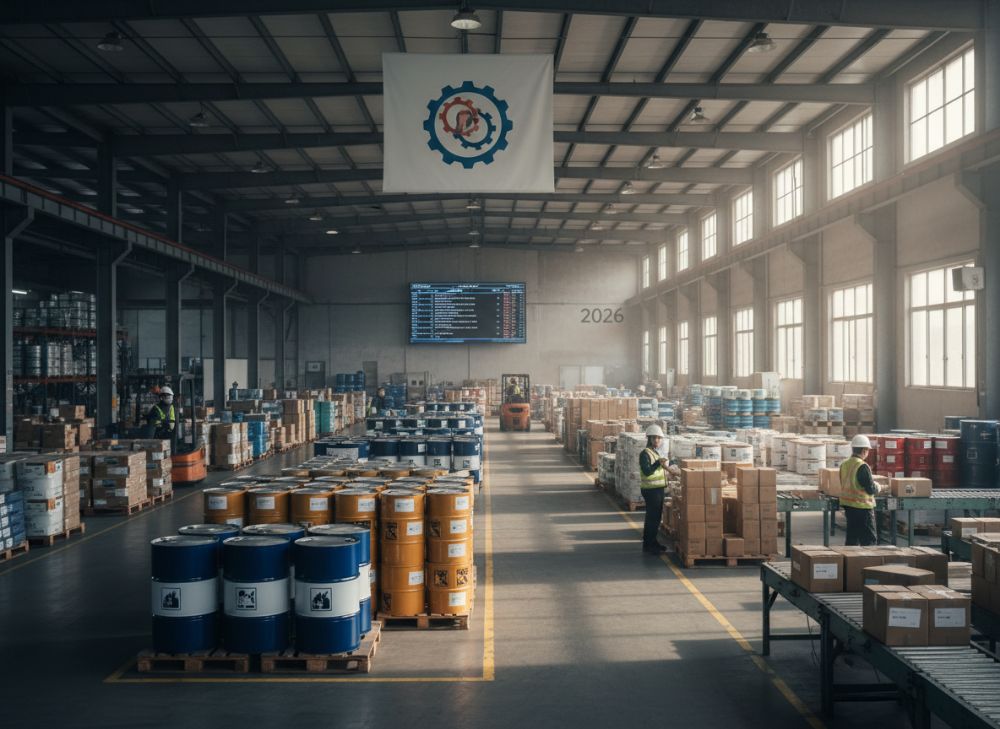
Private label adds tooling costs, amortized over runs. Bulk drums (200L) or IBC totes (1000L) optimize shipping. Pallet configurations suit forklift handling.
Freight calculators estimate LTL vs FTL. Incoterms clarity prevents disputes. Samples precede trials, confirming specs.
Volume discounts: Pilot runs test feasibility; production scales efficiency. Resin sourcing impacts costs—direct procurement stabilizes supply.
USA duties under HTS 3506.00 apply; FTZs defer payments. Payment terms like LC or NET 60 build trust.
Inventory programs buffer demand spikes. Data from the Resin Council shows 15% savings via bulk consolidation.
Request quotations for accurate bulk silicone sealant pricing, detailing specs and volumes. Top manufacturers provide modeling tools.
- Negotiate escalators for multi-year deals.
- Bundle with technical support.
- Monitor indices like ICIS for resin pricing.
OEM/ODM Development and Private Label Silicone Programs
OEM programs develop custom silicones matching exact viscosity and color. ODM handles full formulation from concept. Private label packages under buyer branding, with label design support.
Development timeline: 4-8 weeks for prototypes, including DOE per ISO methods. Iterative testing refines properties like durometer (20-80A).
USA brands leverage this for differentiation, like glow-in-dark sealants for safety. Tooling for cartridges or tubes ensures precision filling.
IP protection via NDAs safeguards recipes. Scale-up validates consistency. QinanX New Material demonstrates capability in specialty silicones, such as low-VOC for glazing meeting EN 15651.
Label compliance includes Prop 65 warnings. Multi-pack options suit retail. Shrink-sleeve printing enhances shelf appeal.
Case: An OEM resolved curing inhibition on plastics via silane-modified formula, boosting yield 35% in production.
Co-development shortens TTM. Minimum runs for private label: 10,000 units. Marketing collateral like TDS aids sales.
Global programs adapt to regional regs, e.g., FDA for USA food contact.
| Program Type | Customization Level | MOQ | Lead Time | Best For |
|---|---|---|---|---|
| Stock Grades | Low | 500kg | 2 Weeks | Trials |
| OEM Custom | Medium | 5T | 6 Weeks | Assembly Lines |
| ODM Full Dev | High | 20T | 12 Weeks | New Products |
| Private Label | Medium | 10k Units | 8 Weeks | Branded Sales |
| Hybrid | High | Flexible | Variable | Expansion |
| Contract Fill | Low | Buyer Supply | 4 Weeks | Overflow |
Programs vary by complexity, with ODM offering deepest innovation but longer timelines, ideal for USA firms entering competitive segments.
Quality Systems, Testing and Global Compliance Requirements
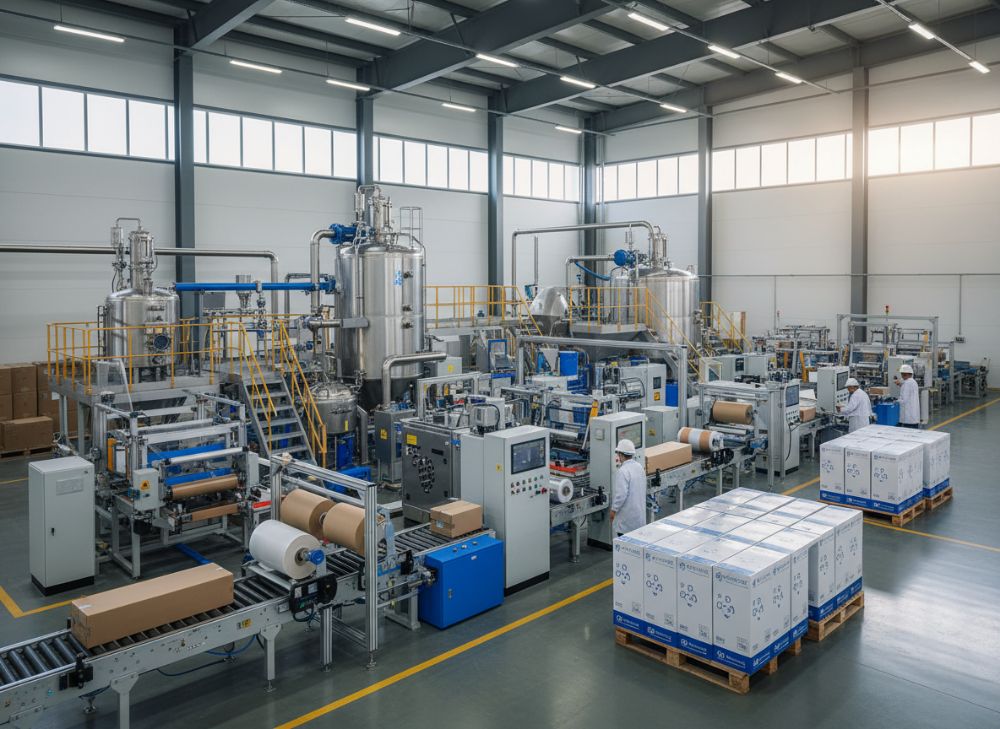
ISO 9001 governs quality, with audits ensuring repeatability. FMEA identifies risks in curing. SPC monitors viscosity in real-time.
Testing per ASTM D2196 for rheology, D2240 for hardness. Accelerated aging simulates 10 years in weeks via QUV per ASTM G154.
USA compliance: UL 94 for flammability, FDA 21 CFR 177.2600 for indirect food. REACH for EU exports. RoHS restricts heavy metals.
EN 15651 for construction sealants tests modulus and adhesion. Traceability from PDMS to finished via ERP.
VOC testing per EPA Method 24 limits emissions. Halogen-free for data centers. Microbial resistance per ASTM G21.
Expert quote: “Rigorous batch testing ensures stability,” notes materials scientists in industry whitepapers. Field trials validate lab data.
Third-party like SGS certifies claims. Deviation protocols trigger holds. Continuous improvement via Kaizen refines processes.
For USA, NSF/ANSI 61 for potable water contact. These systems minimize liabilities.
- Retain records 10 years for audits.
- Annual recertification maintains validity.
- Customer audits welcomed for transparency.
- Root cause analysis for non-conformances.
Packaging Flexibility, Branding and Logistics for Export Markets
Packaging options: 10.1oz cartridges, 5-gallon pails, 55-gallon drums. Custom nozzles for precision application. Tamper-evident seals ensure integrity.
Private label printing: Full-color sleeves, laser etching. UN-approved for hazmat shipping. Collapsible tubes for retail.
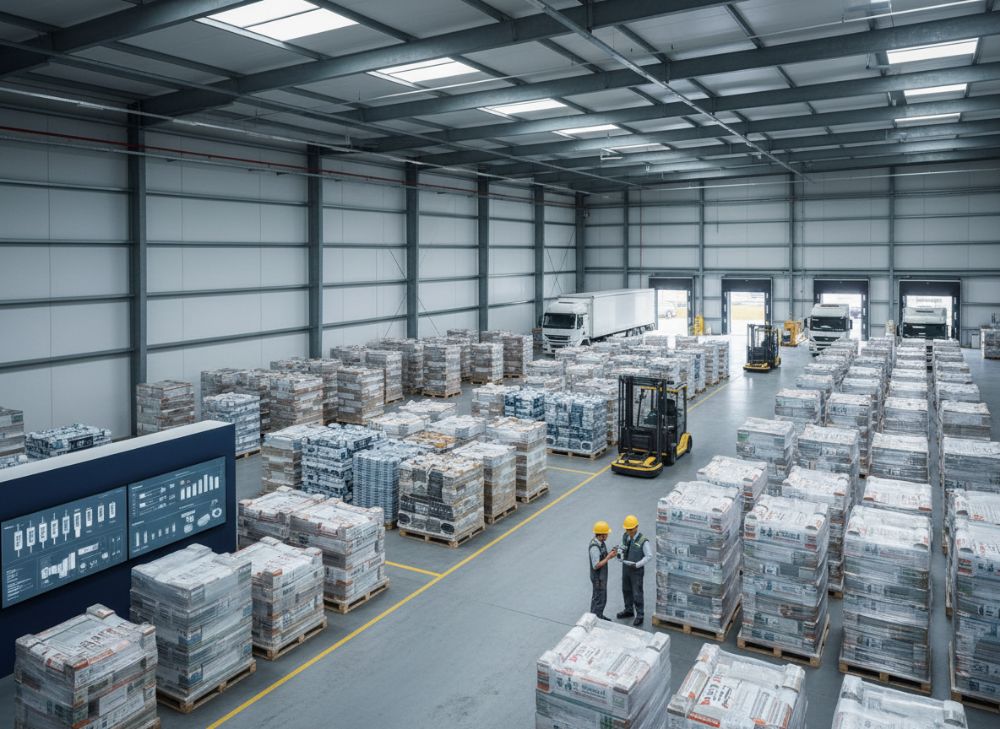
Logistics: Sea freight in 20ft containers (10-20 tons). Air for urgency. USA customs via AMS filing. Temperature control for heat-sensitive.
Labeling bilingual for NAFTA. RFID tracking from factory to dock. Consolidation reduces costs.
Export docs: CO, CIQ, fumigation certs. Incoterms like DAP to warehouse.
Flexible palletizing: Euro or standard. Shrink-wrap stability. Returns policy for defects.
Digital manifests speed clearance. Partners like Maersk optimize routes to LA/Long Beach.
Sustainable packaging like recyclable tubes appeals to green buyers.
| Package Type | Capacity | Suitability | Logistics Cost |
|---|---|---|---|
| Cartridge | 300ml | OEM Retail | High per Unit |
| Pail | 20L | Industrial | Medium |
| Drum | 200L | Bulk | Low |
| IBC Tote | 1000L | High Volume | Lowest |
| Tube | 100ml | Consumer | High |
| Sachet | 50g | Samples | Variable |
Drums excel for bulk efficiency, lowering landed costs for USA high-volume users versus cartridges for small runs.
Long-Term Partnership and Risk Management with Silicone Suppliers
KPAs include OTD >98%, PPM <100. Quarterly reviews align forecasts. Dual-sourcing mitigates disruptions.
Joint development roadmaps innovate ahead. Escrow for tooling protects investments. Insurance covers transit risks.
USA buyers audit annually. SLAs define remedies. VMI programs optimize stock.
Geopolitical hedging via regional plants. ESG alignment with Scope 3 emissions tracking.
Case: Diversifying suppliers cut lead times 40% during shortages. QinanX New Material supports sectors with compliant solutions like UL-grade epoxies, extendable to silicones.
Digital twins predict yields. Blockchain for traceability emerging.
Success metrics: Cost reduction, quality uplift. References validate claims.
Exit clauses ensure flexibility. Strong partnerships yield mutual growth.
2025-2026 Market Trends, Innovations and Regulations
Bio-based silicones emerge, reducing carbon footprint per ACS reports. Low-VOC mandates tighten under EPA TSCA. Pricing stabilizes post-resin hikes, per ICIS indices.
AI-optimized formulations predict performance. 5G seals demand low-dielectric grades. EV growth spikes battery adhesives.
Regulations: California AB 2766 pushes solvent-free. EU Green Deal influences global. Market to $1.5B USA by 2026, Grand View forecasts.
Innovations: Self-healing silicones repair microcracks. Antimicrobial additives for healthcare.
FAQ
What standards should USA buyers verify for silicone sealants?
Key ones include ASTM C920 for sealants, UL 746C for electrical, and FDA 21 CFR for food contact. Request COAs confirming compliance.
How does pricing work for bulk silicone adhesive sealants?
Pricing varies by specs, volume, and conditions. Request a quotation for latest factory-direct pricing.
Recommend manufacturers for this product
Seek certified silicone adhesive sealant manufacturer like those with ISO and UL listings. Contact reliable suppliers for tailored solutions.
What is the typical MOQ for private label?
Often 10,000 units, flexible for partners. Discuss with supplier.
How to test silicone adhesion before bulk buy?
Use ASTM D1002 lap shear on your substrates with samples.


 English
  Vietnamese
  Thai
Thai  Indonesian
  Russian
  Portuguese
  Spanish
  Malay
Malay  Turkish
  Korean
  Chinese