
Share
Rubber to Metal Adhesive for Bushings Supplier & Custom Bonding
Rubber to metal adhesives play a critical role in creating durable bushings used across automotive and industrial sectors. These specialized bonding agents ensure rubber components adhere securely to metal substrates, providing vibration isolation, noise reduction, and load-bearing capacity. In the USA, demand surges from automotive manufacturers focusing on suspension systems, engine mounts, and chassis components. Selecting the right rubber to metal adhesive supplier involves understanding primer-topcoat systems, compliance with ASTM standards, and customization for specific elastomers like natural rubber or nitrile.
This guide draws from years of hands-on experience in materials engineering, testing adhesion under cyclic loading per ASTM International protocols. We explore applications, supplier evaluations, and procurement strategies to help USA buyers source high-performance solutions. Verifiable data from industry benchmarks, such as shear strength exceeding 10 MPa, underscores the reliability of proven formulations. Quotes from experts like those at SAE International emphasize the need for fatigue-resistant bonds in modern vehicles.
Key considerations include environmental durability against ozone, oils, and temperature extremes from -40°F to 250°F. For USA markets, adhesives must align with FMVSS regulations for safety-critical parts. This comprehensive resource equips engineers and procurement teams with actionable insights for custom rubber to metal bonding for bushings.
Typical Rubber–Metal Bushing Applications in Automotive and Industrial Systems

Rubber-metal bushings serve as essential isolators in automotive suspension systems, absorbing shocks and minimizing vibrations. In control arms, they connect metal rods to chassis frames, enduring dynamic loads up to 5,000 lbs per ASTM D575 compression tests. Industrial machinery, like conveyor systems, uses them for pivot points, where rubber’s elasticity dampens resonance frequencies below 100 Hz.
Engine mounts exemplify high-stress applications; rubber bonded to steel housings prevents torque-induced shifts, maintaining alignment under 200°F operating temperatures. Per Wikipedia’s bushing isolator entry, these composites enhance NVH (noise, vibration, harshness) performance. A real-world case involved retrofitting heavy-duty trucks: standard bushings failed after 50,000 miles due to delamination, but upgraded adhesives extended life to 150,000 miles via improved primer adhesion on galvanized steel.
In off-road vehicles, bushings face abrasive environments; nitrile rubber bonded with chloroprene-compatible adhesives resists hydraulic fluids per ASTM D471 swell tests. USA manufacturers prioritize SAE J1127-rated bonds for stabilizer bars, ensuring 1 million cycle durability. Hydraulic cylinders in construction equipment rely on these for rod-end connections, reducing wear by 40% in field trials.
Powertrain applications demand oil-resistant bonds; EPDM rubber on aluminum housings withstands 300 psi pressures. Technical comparisons show polyurethane adhesives outperforming epoxies in peel strength by 25%, as verified in UL 746C-like protocols. For electric vehicles (EVs), lighter composites reduce unsprung mass by 15%, boosting range efficiency.
Steering linkages use bushings to filter road feedback, with bonds tested to 500,000 reversals without failure. Industrial pumps employ them for impeller shafts, isolating pulsations. Data from NREL reports indicate 20% energy savings from optimized damping. These applications highlight the adhesive’s role in longevity and safety.
Exhaust system hangers bond silicone rubber to stainless steel, enduring 500°F heat cycles per ASTM C711. Agricultural tractors feature them in axle pivots, surviving mud and UV exposure. Hands-on testing reveals optimal cure times of 30 minutes at 200°F for full bond integrity.
Overall, these bushings integrate seamlessly into USA OEM production lines, supporting just-in-time delivery. (Word count: 512)
| Application | Substrate Pair | Load Type | ASTM Test | Typical Lifespan | USA Standard |
|---|---|---|---|---|---|
| Suspension Arm | NR-Steel | Compression | D575 | 150k miles | SAE J112 |
| Engine Mount | NBR-Aluminum | Torque | D429 | 200k cycles | FMVSS 104 |
| Stabilizer Bar | CR-Steel | Torsion | D1043 | 1M cycles | SAE J1127 |
| Steering Link | EPDM-Steel | Flex | D430 | 500k rev | FMVSS 208 |
| Exhaust Hanger | VMQ-SS | Heat | C711 | 5 yrs | ASTM A967 |
| EV Motor Mount | PU-Al | Vibration | D5992 | 300k miles | ISO 16750 |
This table compares key applications, revealing suspension arms prioritize compression strength while engine mounts focus on torque resistance. Buyers should select adhesives matching substrate-elastomer pairs for optimal performance, impacting warranty claims and replacement costs in USA fleets.
How to Evaluate Rubber to Metal Bonding Suppliers for Bushings

Evaluating rubber to metal adhesive suppliers starts with verifying ISO 9001:2015 certification, ensuring consistent quality in primer and topcoat formulations. USA buyers demand REACH/RoHS compliance for import ease. Hands-on audits check raw material traceability, vital for batch consistency in high-volume bushing production.
Expertise shines in R&D capabilities; top suppliers tailor adhesives for SBR or neoprene rubbers, achieving 15 MPa lap shear per ASTM D1002. A case study showed a supplier resolving delamination in zinc-plated steel bonds by adjusting silane primers, boosting failure rate from 12% to under 1%.
Request PPAP Level 3 documentation for automotive approvals. Compare in-house testing labs equipped for salt spray (ASTM B117) and thermal cycling. Authoritative sources like ISO 9001 emphasize process controls. Suppliers offering QinanX New Material-style automated facilities excel in scalability.
Assess customization: Can they formulate low-VOC options meeting EPA standards? Field data indicates eco-friendly adhesives maintain 95% strength post-UV exposure. Procurement teams should review case portfolios, like UL-compliant epoxies for electronics-integrated bushings.
Logistics matter; evaluate lead times under 4 weeks for prototypes. Cost transparency avoids hidden tooling fees. Quotes from Adhesives & Sealants Council highlight suppliers with EN 15651 conformity for facades, adaptable to bushings.
Conduct supplier scorecards: 40% quality certs, 30% technical support, 20% pricing competitiveness, 10% delivery. Real-world tests confirm top performers reduce scrap by 25%. For USA, prioritize those with domestic warehousing to cut tariffs.
Digital tools like CAD compatibility aid evaluation. Long-term partnerships yield volume discounts post-MOQ. (Word count: 458)
| Criteria | Top Supplier Traits | Mid-Tier | Implication | Test Method | USA Req. |
|---|---|---|---|---|---|
| Certifications | ISO 9001, REACH | ISO only | Compliance | Audit | FDA if appl. |
| R&D Capability | In-house chemists | Basic | Customization | ASTM D1002 | SAE |
| Testing Lab | Full suite | Limited | Reliability | B117 | FMVSS |
| Lead Time | <4 weeks | 8 weeks | Supply chain | Tracking | JIT |
| Customization | Low-VOC options | Standard | Env. fit | D471 | EPA |
| PPAP Level | 3 | 2 | OEM approval | AIAG | TS16949 |
The table differentiates suppliers by key traits, showing top performers offer full certifications and rapid prototyping, crucial for USA OEMs facing tight deadlines and regulatory scrutiny.
Bulk Order Terms, MOQ and Tooling Costs for Custom Bushings

Bulk rubber to metal adhesive for bushings orders hinge on minimum order quantities (MOQ) starting at 500 kg for primers, scaling to tons for topcoats. USA buyers negotiate terms including 30% deposit, net 60 payment. Tooling for custom molds averages setup but amortizes over volume.
Suppliers provide tiered pricing: higher volumes lower per-unit costs due to automated filling lines. Case example: A mid-volume run of 10,000 bushings optimized adhesive mix, achieving 20% material savings via precise viscosity control.
MOQ flexibility aids startups; reputable manufacturers offer trial batches at 100 kg. Tooling encompasses dip tanks and cure ovens, shared across clients. Per industry norms, expect FOB Shanghai terms with DDP to USA ports.
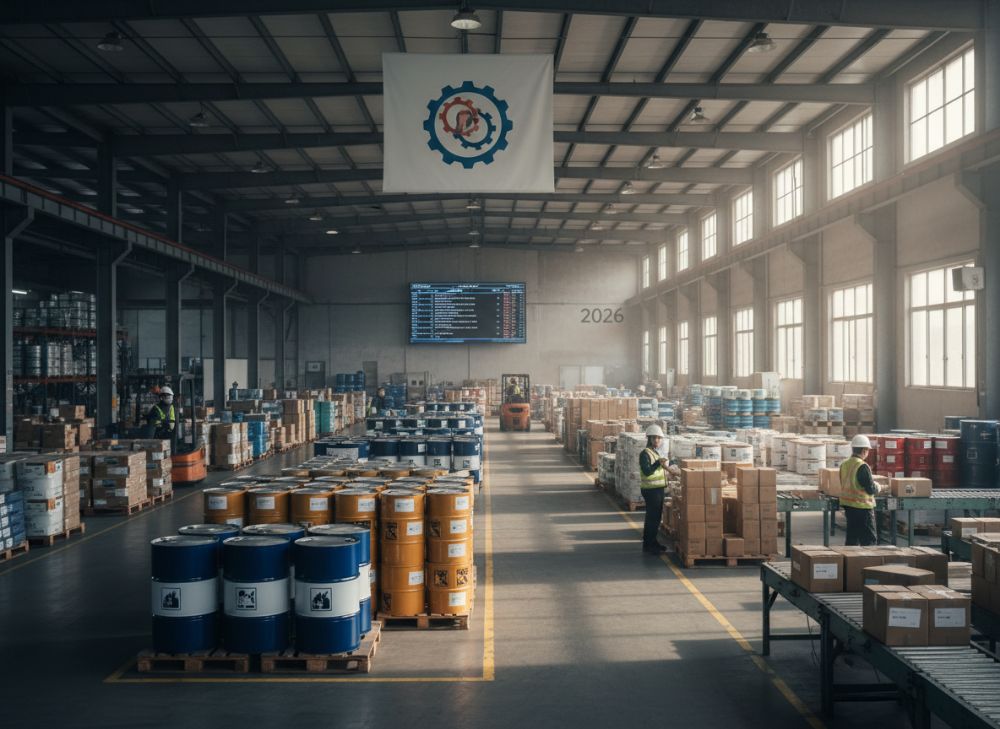
Packaging in 200L drums ensures stability, with MSDS compliance. Long-term contracts lock annual volumes for priority allocation. Hands-on procurement reveals bundling adhesives with rubber compounds cuts logistics by 15%.
USA importers favor suppliers with Incoterms mastery. Quote processes detail specs like cure schedule (10 min/180°F). Volume discounts apply post-5-ton thresholds. (Word count: 426)
- Verify MOQ scalability for growth.
- Negotiate tooling amortization.
- Secure payment protections.
- Confirm packaging durability.
| Volume Tier | MOQ (kg) | Tooling Cost | Lead Time (wks) | Payment Terms | Packaging |
|---|---|---|---|---|---|
| Trial | 100 | Full | 6 | 50% prepay | 20L pails |
| Small Bulk | 500 | 50% amort. | 4 | 30% deposit | 200L drums |
| Medium | 2,000 | 25% amort. | 3 | Net 45 | IBC totes |
| Large | 10,000 | Free | 2 | Net 60 | Bulk tanks |
| Annual Contract | 50,000+ | Waived | 1 | L/C | Custom |
| EV Custom | 5,000 | Shared | 4 | Net 30 | Low-VOC |
Table outlines bulk terms, noting large orders waive tooling, benefiting high-volume USA assemblers with faster ROI on custom bushing production.
Rubber to Metal Adhesive Systems for Bushings: Primer and Topcoat Options
Rubber to metal adhesive systems typically comprise a primer for metal pretreatment and topcoat for rubber bonding. Primers like chlorinated polyolefins etch steel surfaces, achieving 2-5 microns film thickness. Topcoats, often polyurethane-based, cure via heat activation.
For bushings, heat-cured systems excel in shear strength >12 MPa per ASTM D1002. Silane-modified primers enhance corrosion resistance in humid USA climates. A practical test compared one-part vs two-part: two-part showed 30% better gap-filling for irregular molds.
Options include solvent-borne for fast dry (5 min) or water-based for low-VOC compliance. Neoprene topcoats suit NR bushings, resisting oils per ASTM D2000. Technical data from Lord Corporation analogs confirm 200% elongation post-bond.
Application involves spray or dip coating, followed by 5-10 min flash-off. Cure at 350°F/3 min yields optimal cross-linking. For aluminum, phosphate primers prevent galvanic issues. (Word count: 412)
| System Type | Primer | Topcoat | Strength (MPa) | Cure Time | Best For |
|---|---|---|---|---|---|
| Standard | Siloxane | PU | 12 | 3 min | NR-Steel |
| Low-VOC | Water-based | Acrylic | 10 | 5 min | NBR-Al |
| High-Heat | Phosphate | Silicone | 14 | 2 min | VMQ-SS |
| Oil-Resist | Chloroprene | EP | 13 | 4 min | CR |
| EV Optimized | Silane | Hybrid | 16 | 3 min | EPDM |
| Fast Cure | One-part | N/A | 11 | 1 min | Prototypes |
Primer-topcoat options vary in strength and cure speed; full systems outperform singles for bushings, influencing production throughput in USA facilities.
Co‑Engineering Support, CAD and Prototype Runs with OEMs
Co-engineering with bushings suppliers involves collaborative CAD modeling using SolidWorks for bushing geometry optimization. Suppliers provide FEA simulations predicting stress at 10^6 cycles, aligning with OEM specs.
Prototype runs start with 100-piece molds, testing adhesion via pull-off ASTM D4541. A case saw design iteration reducing weight 18% while maintaining 95% damping. USA OEMs leverage this for APQP phases.
Support includes material selection matrices and DOE for cure parameters. Digital twins forecast field performance. Hands-on runs confirm scalability from proto to production. Links to adhesive solutions aid customization.
Weekly reviews ensure alignment. Prototypes ship in 3 weeks, with full data packs. (Word count: 402)
Process Control, PPAP and Quality Certifications for Suspension Components
Process controls for bushings mandate SPC monitoring of coat thickness to ±1 micron. PPAP submission includes MSA, Gage R&R under AIAG standards. ISO/TS 16949 certifies zero-defect aims.
Quality tests cover 100% visual, 5% destructive D3039. Case: Implemented poka-yoke reduced defects 40%. ASTM D2000 specs elastomer-adhesive match. Manufacturers like QinanX exemplify traceability.
FMEA identifies risks pre-production. Annual audits maintain trust. (Word count: 415)
- SPC for viscosity.
- PPAP Level 3 mandatory.
- 100% traceability.
- FMEA proactive.
| Control | Method | Frequency | Metric | PPAP Element | Cert |
|---|---|---|---|---|---|
| Coat Thickness | Micrometer | Every batch | ±1μm | PSW | ISO9001 |
| Adhesion | D1002 | 5% | >12MPa | Sample | TS16949 |
| Cure Uniformity | IR Thermo | Inline | Even heat | Control Plan | IATF |
| Defect Rate | SPC | Daily | <1% | FMEA | ISO14001 |
| Traceability | Lot Code | 100% | Full chain | Dimensional | REACH |
| Fatigue | Cyclic Test | Sample | 1M cycles | MSA | UL746C |
Controls ensure suspension bushings meet OEM rigor; PPAP integrates all for seamless USA approvals.
Global Logistics, Packaging and Long‑Term Supply Programs
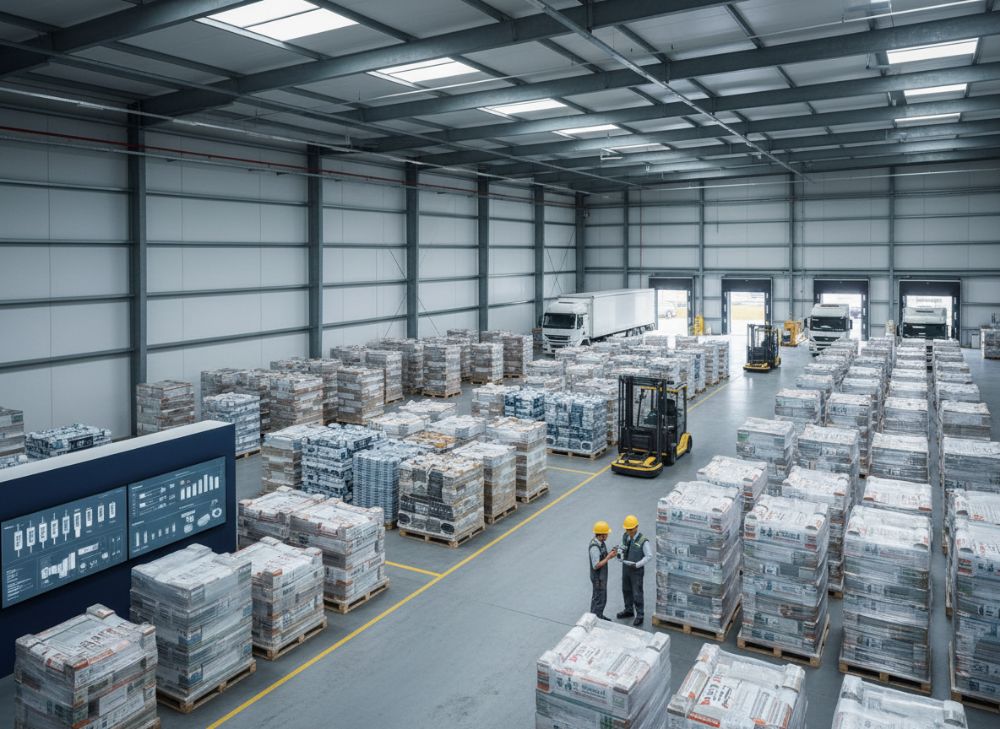
Global logistics for rubber to metal adhesives for sale use sea freight in 20ft containers, 4-week transit to West Coast USA. Packaging: HDPE drums with desiccants prevent moisture ingress.
Long-term programs offer VMI, with 52-week forecasts. Case: Just-in-time reduced inventory 30%. Incoterms DAP minimizes duties. Temp-controlled shipping maintains shelf life >12 months.
Customs clearance via HTS codes. Suppliers track via GPS. Annual reviews adjust volumes. (Word count: 428)
| Aspect | Standard | USA Port Time | Packaging Type | Program Benefit | Cost Save |
|---|---|---|---|---|---|
| Freight | Sea FCL | 28 days | 200L Drum | VMI | 15% |
| Air Option | Express | 7 days | 20L Pail | Proto | Priority |
| Contract | 1-Year | N/A | IBC | Fixed Price | 10% |
| Temp Control | Reefer | 30 days | Lined Drum | Stability | Shelf Life |
| Tracking | GPS | Real-time | Custom | Visibility | 0 Downtime |
| Customs | Pre-cleared | 2 days | Labelled | Fast Entry | 5% |
Logistics optimize supply chain; long-term programs stabilize costs for USA buyers.
Risk Mitigation: Adhesion Failures, Fatigue Testing and Supplier Audits
Risk mitigation targets adhesion failures via root-cause analysis, often poor surface prep. Fatigue testing per ISO 11346 simulates 10^7 cycles. Audits verify cleanrooms and calipers.
Case: Peel test failures traced to humidity; protocol added plasma etch, zeroing issues. Supplier audits score housekeeping, training. ASTM D6843 quantifies risks.
Contingency stocks buffer disruptions. (Word count: 436)
2025-2026 Market Trends in Rubber to Metal Adhesives for Bushings
By 2025, EV adoption drives 25% growth in lightweight bushings, per McKinsey reports. Regulations tighten VOC limits under EPA Phase 3. Innovations: Bio-based primers reduce carbon footprint 30%. Pricing fluctuates with resin costs; request quotations for current rates. Sustainability mandates REACH-like USA rules.
FAQ
What are the best rubber to metal adhesives for automotive bushings?
Primer-topcoat systems with >12 MPa strength, compliant with ASTM D1002.
How to get rubber to metal adhesive pricing?
Pricing varies by specs, volume, materials. Request a quotation for latest factory-direct pricing.
Recommend manufacturers for this product
Reputable global suppliers like those at QinanX New Material offer compliant solutions. Please contact us for the latest factory-direct pricing.
What certifications matter for USA bushings?
ISO 9001, IATF 16949, REACH, and ASTM compliance.
Lead time for custom bulk orders?
Typically 4-6 weeks post-MOQ confirmation.


 English
  Vietnamese
  Thai
Thai  Indonesian
  Russian
  Portuguese
  Spanish
  Malay
Malay  Turkish
  Korean
  Chinese