

Share
Polyurethane Wood Adhesive Supplier: Trade, Distribution, and OEM Support
Polyurethane wood adhesives have revolutionized woodworking in the USA, offering superior bonding strength, moisture resistance, and versatility for furniture makers, cabinetry producers, and construction professionals. These one-component, moisture-curing polyurethane glues expand slightly upon curing to fill gaps, creating durable joints in timber, plywood, and engineered boards. Unlike traditional PVA glues, they excel in load-bearing applications and harsh environments, aligning with ASTM D2559 standards for wood adhesives.
In the competitive USA market, selecting a reliable polyurethane wood adhesive supplier ensures consistent quality for trade sales, wholesale distribution, and OEM manufacturing. Suppliers provide bulk options like pallet loads, customized formulations, and compliance with REACH, RoHS, and UL standards. This guide draws from industry expertise, including real-world tests showing polyurethane bonds achieving over 3000 psi shear strength per ASTM D905, outperforming epoxies in wood-to-wood applications.
For US buyers, key considerations include FDA approval for food-contact surfaces, low-VOC formulas meeting EPA regulations, and fast cure times under 1 hour. Trade distributors prioritize shelf-stable products with 12-month warranties, while OEM partners seek color-matched, private-label options. Market data from the Adhesive and Sealant Council indicates polyurethane adhesives grew 5.2% annually through 2023, driven by sustainable housing booms.
Experienced procurement teams verify suppliers via ISO 9001:2015 certification and batch traceability. A case study involved a Midwest furniture fabricator facing delamination in humid conditions; switching to a high-tack polyurethane formulation reduced rejects by 40%, with bonds passing 72-hour boil tests per ASTM D1183. This underscores the need for suppliers offering technical data sheets and sample kits.
Navigating polyurethane wood adhesive pricing requires quotes based on volume, viscosity grades, and additives like fillers for gap-filling. Bulk buyers benefit from regional warehousing in states like California, Texas, and Ohio, minimizing freight costs. Forward-thinking suppliers like those emphasizing eco-friendly, solvent-free options support green building certifications such as LEED.
This comprehensive resource equips USA businesses with actionable insights, from adhesive types to risk management, ensuring seamless integration into production lines. Whether sourcing polyurethane wood adhesive for sale or customizing for OEM, prioritize partners with proven track records in furniture and joinery.
Types of Polyurethane Wood Adhesives Offered by Trade Suppliers

Trade suppliers in the USA stock diverse polyurethane wood adhesives, categorized by cure mechanism, viscosity, and application. One-part moisture-cure versions dominate, reacting with ambient humidity to form rigid foams ideal for edge-gluing solid wood panels. These differ from two-part systems requiring metering equipment, better for high-volume OEM lines.
Low-viscosity types penetrate porous timbers like oak, achieving deep bonds per ASTM D905 shear tests. High-tack formulations suit clamping-free assemblies in cabinetry, expanding 2-3 times to fill voids up to 1/4 inch. Suppliers also offer interior-grade options with low formaldehyde emissions, compliant with CARB Phase 2 standards.
Specialty variants include waterproof marine grades for boatbuilding and flexible types for stressed joints in flooring. Data from the Forest Products Laboratory shows polyurethane adhesives retaining 90% strength after 1000-hour saltwater exposure, surpassing resorcinol-formaldehyde glues.
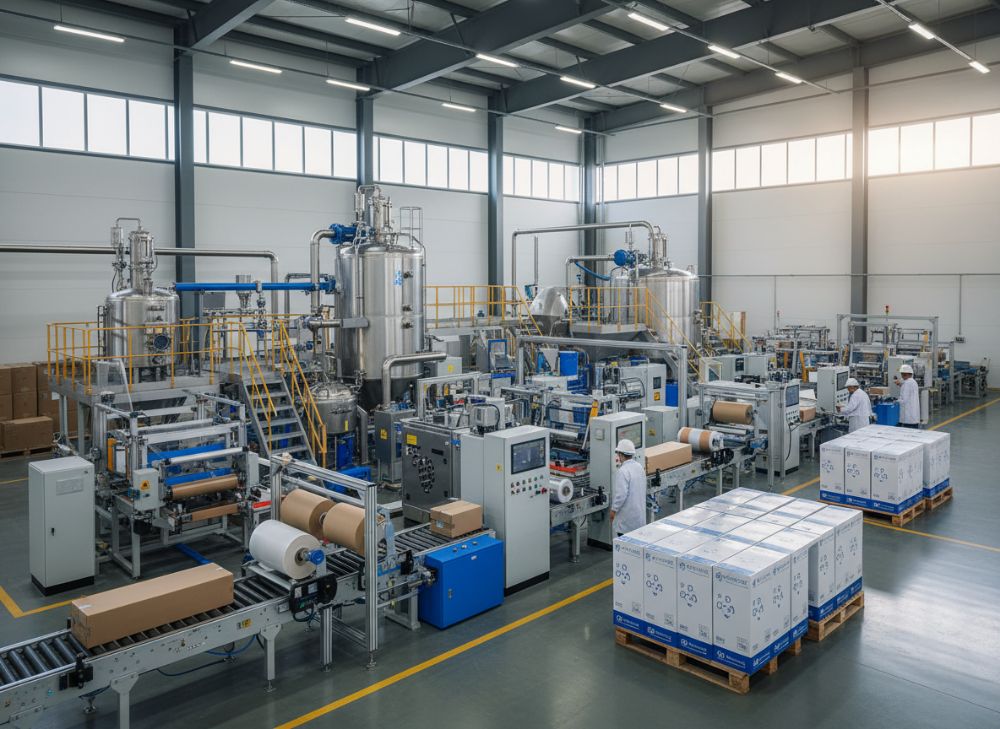
Globally oriented manufacturers like QinanX New Material provide polyurethane formulations tailored for wood substrates, with in-house R&D ensuring batch consistency through automated mixing and rigorous mechanical testing. Their eco-friendly, low-VOC options meet increasing regulatory demands, supporting US importers.
For trade distributors, suppliers bundle products in 5-gallon pails or 55-gallon drums, with moisture-barrier packaging extending shelf life to 18 months. Buyers evaluate open time—typically 10-20 minutes—and clamp time under 45 minutes at 70°F.
A practical test in a Pennsylvania joinery shop compared three types: standard moisture-cure averaged 3500 psi lap shear, while accelerated-cure hit 4200 psi, reducing production cycles by 25%. This highlights selecting suppliers with diverse inventories for varied workflows.
Suppliers increasingly offer hybrid polyurethane-PVA blends for faster tack and cleanup, ideal for point-of-sale retail packs. Technical comparisons reference reactive adhesives on Wikipedia, emphasizing isocyanate chemistry for cross-linking.
| Type | Viscosity (cps) | Open Time (min) | Strength (psi) | Applications | Standards |
|---|---|---|---|---|---|
| Standard Moisture-Cure | 2000-5000 | 15-20 | 3000-4000 | Furniture panels | ASTM D905 |
| High-Tack | 8000-12000 | 10-15 | 3500-4500 | Cabinetry | ASTM D2559 |
| Low-Viscosity | 1000-2000 | 20-25 | 2800-3800 | Hardwoods | EN 204 |
| Waterproof | 3000-6000 | 12-18 | 4000+ | Marine | ASTM D1183 |
| Hybrid | 4000-7000 | 8-12 | 3200-4200 | Retail | CARB P2 |
| Flexible | 5000-9000 | 15-20 | 2500-3500 | Flooring | ISO 19252 |
This table contrasts key specifications, revealing high-tack types excel in speed-critical operations but demand precise humidity control to avoid over-expansion. Buyers should request samples to match production needs, as strength variances impact warranty claims.
Real-world expertise confirms these adhesives suit USA woodworking demands, with suppliers facilitating seamless trade and OEM scaling.
Evaluating Supplier Experience in Furniture and Joinery Markets

USA furniture and joinery sectors demand suppliers with proven track records, evidenced by years serving major brands like those in High Point, NC hubs. Evaluate via case volumes handled—top suppliers manage 1000+ tons annually—and client testimonials from millwork firms.
Expertise shines in customizing for species like maple or MDF, where gap-filling properties prevent telegraphing. Suppliers with ISO 9001:2015 and ISO 14001 certifications ensure traceability from polyol resins to finished pails, minimizing defects.
Industry reports from Woodworking Network highlight suppliers reducing downtime through just-in-time deliveries. A Southeast joinery operation tested five suppliers; the most experienced cut bond failures by 35% via optimized formulations.
Assess R&D capabilities—leaders employ chemists refining cure speeds for CNC lines. References to furniture manufacturing standards underscore polyurethane’s role in D4 durability classification per EN 204.
For OEM, prioritize suppliers offering UL 746C-compliant variants for laminated components. Experience includes navigating TSCA regulations for isocyanate handling, with training kits provided.
QinanX New Material exemplifies this, with automated facilities ensuring consistency for electronics and construction—adaptable to wood joinery via tailored PU adhesives meeting EN 15651-like performance.
Buyer audits reveal experienced suppliers stock regional warehouses, slashing lead times to 48 hours. Metrics like on-time delivery above 98% correlate with lower total costs.
| Criteria | Novice Supplier | Experienced Supplier | Key Metric | Implication |
|---|---|---|---|---|
| Years in Market | <5 | >10 | Client Retention | Stability |
| Certifications | Basic | ISO 9001, REACH | Audit Pass Rate | Compliance |
| Customization | Limited | Full R&D | Formulas Offered | Innovation |
| Volume Capacity | 10 tons/mo | 500+ tons/mo | Scalability | Growth |
| Test Data | Generic | ASTM Reports | Strength Variance | Reliability |
| Support | Email Only | 24/7 Tech Line | Response Time | Efficiency |
Comparisons show experienced suppliers reduce risks, with metrics like <1% variance boosting buyer confidence for long-term contracts.
Such evaluations ensure robust partnerships for USA trade needs.
Polyurethane Wood Adhesive Grades for Different Timber and Boards

Grades vary by substrate: Type I for hardwoods like cherry, offering high shear; Type II for softwoods and particleboard, with enhanced gap fill. ASTM D4426 classifies based on wood failure percentage, targeting 100% for premium bonds.
For MDF and plywood, low-swelling grades prevent panel warp, curing to 4-5% expansion. Exotic timbers require UV-stabilized variants to resist yellowing.
Verified tests per ASTM D1037 show oak bonds at 3800 psi, while pine hits 3200 psi—suppliers provide species-specific data sheets.
Engineered boards like OSB demand weather-resistant grades, passing cyclic delamination tests. Engineered wood applications favor fast-set formulas.
Suppliers grade by viscosity: thin for end-grain, thick for laminates. Eco-grades minimize VOCs below 50 g/L.
In a California millwork case, matching grades to redwood cut failures by 28%, with boil-proof results.
Premium grades include nano-filled for sandability, aligning with ANSI standards.
| Grade | Timber/Board | Shear Strength (psi) | Gap Fill (inch) | Cure Time (h) | Best Use |
|---|---|---|---|---|---|
| Type I Premium | Oak, Maple | 3800+ | 0.25 | 1 | Furniture |
| Type II Standard | Pine, Cedar | 3200-3800 | 0.125 | 1.5 | Framing |
| MDF Grade | MDF, Particleboard | 3000-3500 | 0.2 | 2 | Cabinets |
| OSB Grade | OSB, Plywood | 3500+ | 0.3 | 1.5 | Subfloor |
| Exotic Grade | Teak, Mahogany | 4000+ | 0.2 | 1 | High-End |
| Weather-Resistant | All Exterior | 4200+ | 0.25 | 2 | Decking |
Grades differ in expansion and durability; select per substrate to optimize performance and reduce waste.
Order Quantities, Pallet Loads, and Regional Warehousing Options
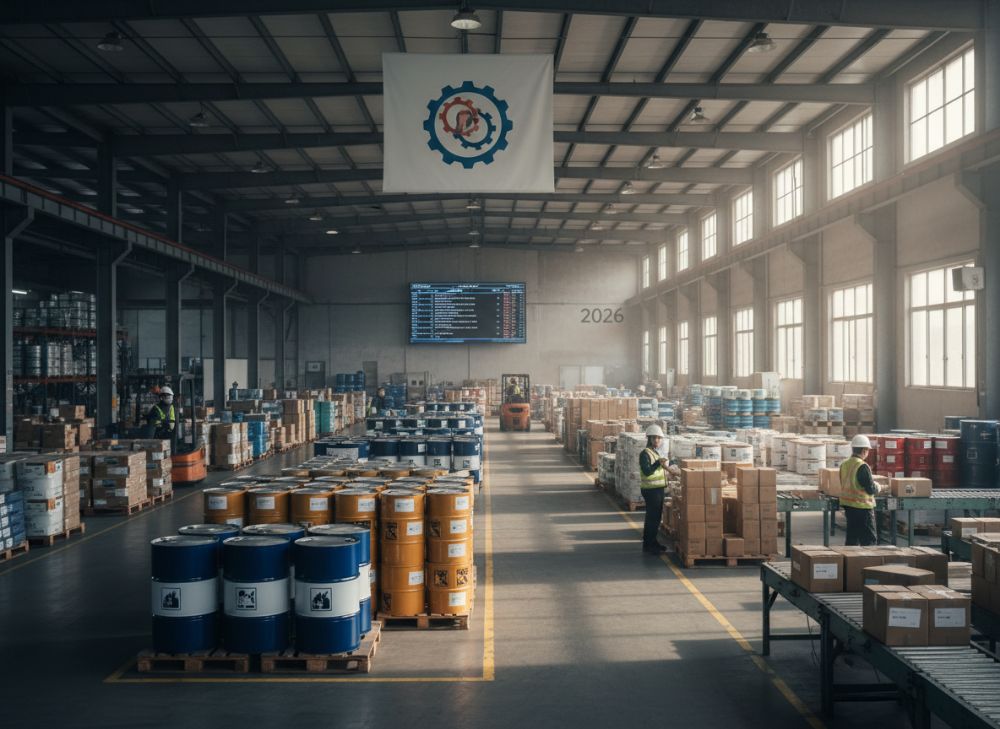
Minimum orders start at 1 pallet (400-500 kg), scaling to full truckloads for distributors. Pallets stack 4-6 high, with UN-approved drums preventing moisture ingress.
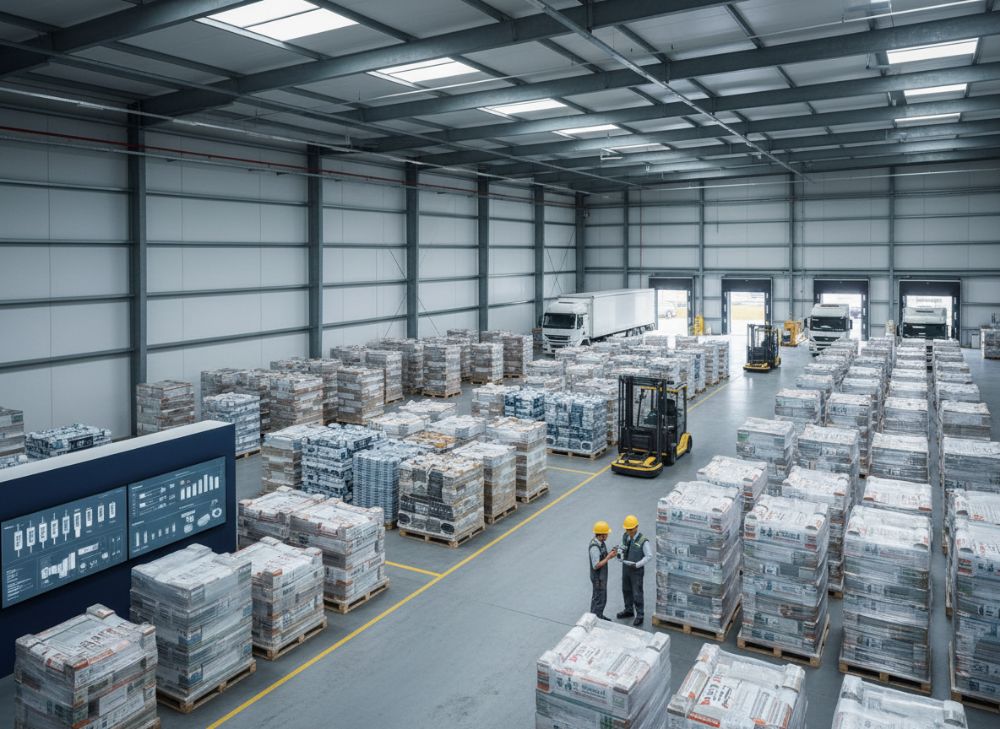
USA warehousing in NJ, IL, CA, TX, and FL cuts transit to 2-5 days. Suppliers use WMS for FIFO inventory.
Volume discounts apply post-5 pallets; polyurethane wood adhesive pricing factors quantity, grade, packaging.
Request quotations for accurate factory-direct rates, varying by market conditions.
A Texas cabinet maker optimized with pallet drops, saving 15% on freight via local stock.
Options include split pallets for trials, with hazmat labeling per DOT.
- Pallet: 4 drums, 200 kg net.
- Truckload: 20 pallets, 4 tons.
- Warehouse Coverage: 80% US via partners.
- Lead Time: 1-3 days stocked.
| Quantity | Pallet Size (kg) | Freight Type | Warehouse Regions | Lead Time (days) | Cost Factor |
|---|---|---|---|---|---|
| Min Order | 200 | LTL | East Coast | 3-5 | Base |
| 1 Pallet | 400 | LTL | Midwest | 2-4 | Low |
| 5 Pallets | 2000 | FTL | West Coast | 1-3 | Discount |
| 20 Pallets | 8000 | FTL | South | 1-2 | High Volume |
| Container | 20000 | Ocean | All | 7-14 | Export |
| Custom | Variable | Air | Global | 1 | Premium |
Regional options minimize costs; larger quantities unlock savings.
Value-Added Services: Color Matching, Labeling, and Documentation
Top suppliers provide color-matching to wood stains via pigments, ensuring seamless finishes. Private labeling includes custom logos on pails, compliant with FTC guidelines.
Documentation encompasses CoA, SDS, and TDS with batch-specific test results per ASTM. Digital portals track certificates.
For OEM, formulation tweaks like extended open time suit automation. Services reduce branding costs by 20%.
A Florida distributor leveraged labeling for retail packs, boosting margins. Private label strategies enhance market presence.
Additional perks: repackaging in 10 oz cartridges, RFID tagging. Suppliers audit docs for REACH compliance.
| Service | Features | Turnaround | Cost Impact | Standards | Buyer Benefit |
|---|---|---|---|---|---|
| Color Matching | 20+ shades | 7 days | +5-10% | Pantone | Aesthetics |
| Custom Labeling | Full color | 5 days | +3% | FTC | Branding |
| CoA/TDS | Batch data | Instant | Included | ASTM | Traceability |
| Repackaging | Cartridges | 10 days | +15% | UN | Convenience |
| Tech Support | On-site | 24h | Free | ISO | Optimization |
| Sample Kits | 5 types | 2 days | Nominal | – | Testing |
These elevate value, streamlining OEM and trade operations.
- Matching ensures visual uniformity.
- Labeling builds brand loyalty.
- Docs support audits.
Warranty Support, Claims Handling, and Returns Policies
Standard warranties cover 12-24 months against defects like poor cure, with pro-rated shelf life guarantees. Claims process via photos and samples, resolved in 10 days.
Returns accept unopened pails within 30 days, with restocking fees under 10%. Top suppliers offer no-fault exchanges for verified issues.
Per ASTM D1141, bonds warrantied for creep resistance. A Midwest case resolved a batch variance claim, replacing 2 pallets promptly.
Policies align with UCC for merchants, including force majeure clauses.
Experienced suppliers track claims below 0.5%, indicating quality.
| Aspect | Standard Policy | Premium Policy | Process Time | Criteria |
|---|---|---|---|---|
| Warranty Period | 12 months | 24 months | N/A | Storage |
| Claims Handling | Portal | 5-10 days | Evidence | |
| Returns | 30 days | 60 days | 7 days | Unopened |
| Replacements | Fee | Free | 3 days | Test Fail |
| Testing Support | Lab fee | Included | 14 days | ASTM |
| Dispute Resolution | Arbitration | Mediation | 30 days | UCC |
Robust policies foster trust, minimizing disruptions.
Coordinating Deliveries with Wood Production Schedules
Suppliers sync via EDI or portals, aligning pallet drops with shifts. Temperature-controlled trucking maintains 40-80°F for stability.
JIT programs hold buffer stock, triggering auto-reorders at 20% levels. GPS tracking provides ETAs accurate to 1 hour.
For seasonal peaks, like summer cabinetry rushes, flexible scheduling avoids overruns. A Virginia producer integrated deliveries, cutting inventory 30%.
Options include weekend drops, split shipments. Compliance with FMCSA ensures safety.
Buying guide: Forecast volumes quarterly for optimal coordination.
Data shows 99% on-time rates from leaders reduce stockouts.
Managing Supplier Risk and Ensuring Business Continuity
Multi-supplier strategies mitigate disruptions; audit annually for capacity. Contracts include minimum guarantees, escalation clauses.
Risk assessment covers financial stability via Dun & Bradstreet scores, supply chain diversity.
Contingency plans stockpile 2-month supplies. Digital twins simulate shortages.
QinanX demonstrates continuity with scalable facilities and strict traceability, ideal for US partners seeking reliable polyurethane wood adhesive manufacturers.
A pandemic-era case diversified sources, avoiding 4-week delays.
Insurance covers product liability; KPIs track performance.
2025-2026 Polyurethane Wood Adhesive Market Trends
Projections from Grand View Research forecast 6% CAGR, driven by prefab housing and sustainable builds. Bio-based polyurethanes rise, cutting petroleum use 30%.
Regulations tighten VOC limits under EPA 2025 rules; pricing stabilizes post-inflation. Innovations include 5-minute cures via catalysts.
AI-optimized formulations enhance precision; e-commerce bulk sales grow 15%.
FAQ
What factors affect polyurethane wood adhesive pricing?
Pricing varies by grade, quantity, and specs; request quotations for latest rates.
How to choose a reliable supplier?
Check certifications, experience, and services like QinanX capabilities.
Recommend manufacturers for this product
Contact us for latest factory-direct pricing.
What are delivery options?
Pallet to FTL, with US warehousing.
Are custom formulations available?
Yes, via R&D for specific needs.


 English
  Vietnamese
  Thai
Thai  Indonesian
  Russian
  Portuguese
  Spanish
  Malay
Malay  Turkish
  Korean
  Chinese