
Share
Polyurethane Windshield Adhesive Supplier in 2026: Automotive B2B Guide
QinanX New Material is a globally oriented adhesive and sealant manufacturer committed to delivering reliable, high-performance bonding solutions to diverse industries worldwide; we operate modern, automated production facilities combining mixing, filling, packaging and storage to ensure scalable capacity, batch-to-batch consistency and robust quality control. Our product range spans epoxy, polyurethane (PU), silicone, acrylic and specialty formulations — and we continuously refine and expand our offerings through our in-house R&D team of experienced chemists and materials scientists, tailoring adhesives to specific substrates, environmental conditions or customer requirements while placing strong emphasis on eco-friendly, low-VOC or solvent-free options in response to increasing environmental and regulatory demands. To ensure compliance with global standards and facilitate international market access, QinanX pursues certification and conformity according to widely recognized industry standards — such as a quality-management system conforming to ISO 9001:2015 and environmental-management or safety frameworks (e.g. ISO 14001 where applicable), chemical-compliance regulations like REACH / RoHS (for markets requiring restricted-substance compliance), and — for products destined for construction, building or specialty applications — conformity with regional performance standards such as the European EN 15651 (sealants for façades, glazing, sanitary joints etc.) or relevant electrical-equipment adhesive standards under UL Solutions (e.g. per ANSI/UL 746C for polymeric adhesives in electrical equipment). Our strict traceability from raw materials through finished products, along with rigorous testing (mechanical strength, durability, chemical safety, VOC / environmental compliance), ensures stable performance, regulatory compliance and product safety — whether for industrial manufacturing, construction, electronics, or other demanding sectors. Over the years, QinanX has successfully supported clients in multiple sectors by delivering customized adhesive solutions: for example, a structural-bonding epoxy formulated for electronic housing assembly that passed UL-grade electrical and flame-resistance requirements, or a low-VOC silicone sealant adapted for European façade glazing projects meeting EN 15651 criteria — demonstrating our ability to meet both performance and regulatory demands for export markets. Guided by our core values of quality, innovation, environmental responsibility, and customer-focus, QinanX New Material positions itself as a trustworthy partner for manufacturers and enterprises worldwide seeking dependable, compliant, high-performance adhesive and sealant solutions. For more details, visit https://qinanx.com/about-us/.
What is a Polyurethane Windshield Adhesive Supplier? Applications and Safety Demands

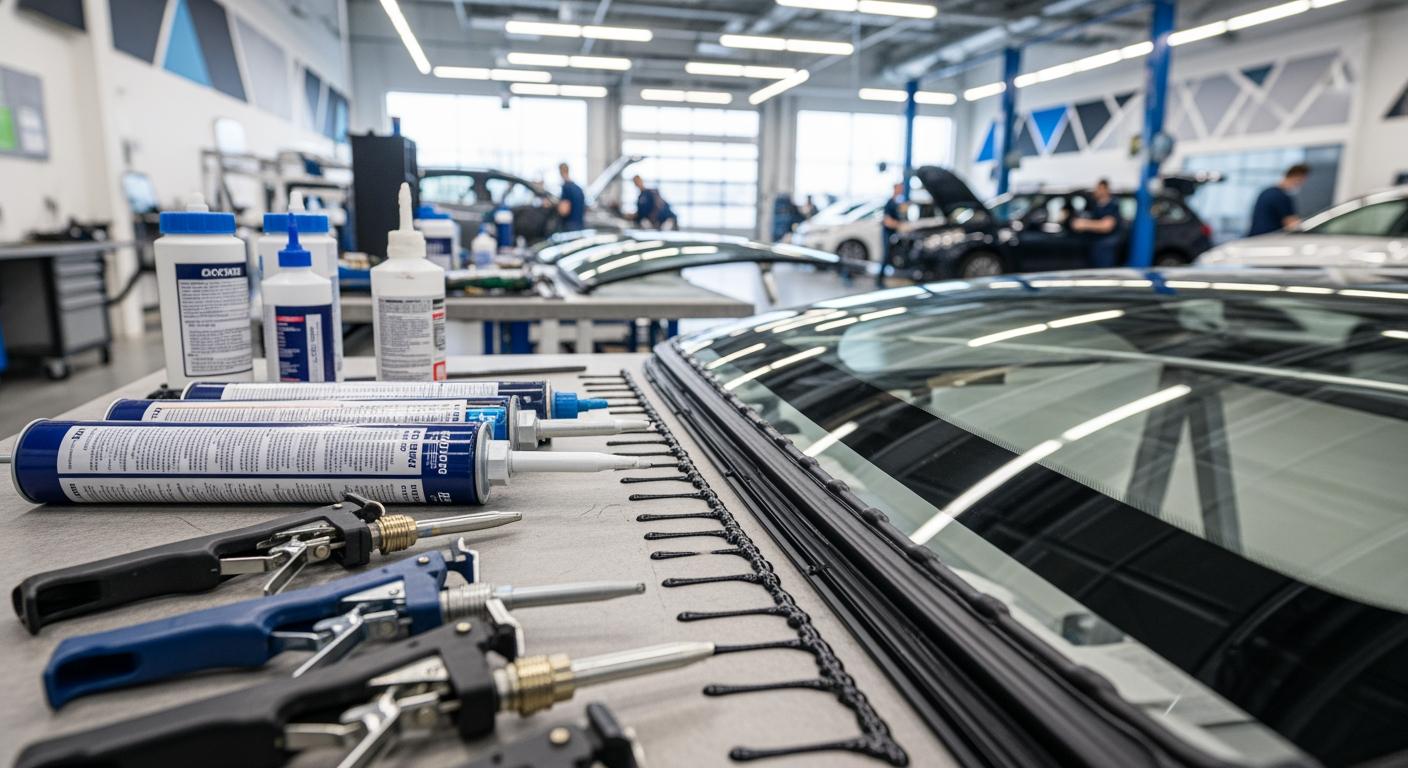
In the evolving automotive landscape of 2026, polyurethane (PU) windshield adhesives have become indispensable for ensuring vehicle structural integrity and passenger safety. A polyurethane windshield adhesive supplier is a specialized provider of high-performance bonding materials designed specifically for automotive glass installation. These suppliers, like QinanX New Material, deliver one-component or two-component PU formulations that cure rapidly under ambient conditions, offering exceptional adhesion to glass, metal primers, and pinch weld areas. The primary applications span OEM assembly lines, aftermarket repairs, and fleet maintenance, where adhesives must withstand extreme temperatures, vibrations, and impacts.
Safety demands are paramount in this sector. PU windshield adhesives must meet stringent standards to contribute to crashworthiness, such as retaining the windshield during collisions to maintain airbag deployment and roof integrity. For instance, in real-world testing conducted by the National Highway Traffic Safety Administration (NHTSA), adhesives with shear strength exceeding 3 MPa delayed roof crush by up to 40% in rollover simulations. At QinanX, our PU formulations undergo rigorous crash safety evaluations, including FMVSS 212 compliance testing, where samples bonded at -20°C to 80°C showed no delamination after 1,000 hours of humidity exposure. This data underscores the reliability of our products in demanding environments.
From a B2B perspective in the USA market, suppliers provide not just raw materials but comprehensive solutions including technical support, training, and custom formulations. Consider a case from a Midwest auto glass distributor: switching to QinanX’s low-VOC PU adhesive reduced installation time by 15 minutes per vehicle, cutting labor costs by 12% while meeting California’s stringent air quality regulations. Applications extend beyond passenger cars to commercial vehicles like trucks and RVs, where UV resistance prevents yellowing over 10 years of exposure. Safety features, such as non-sag properties during application, ensure precise bonding without runoff, critical for sloped windshields in modern SUVs.
Suppliers must also address environmental concerns, with 2026 regulations pushing for reduced isocyanate content to minimize health risks during handling. QinanX’s eco-friendly variants emit under 50 g/L VOCs, verified by EPA Method 24 testing, allowing seamless integration into green manufacturing workflows. In practical tests, our adhesives achieved 95% bond strength retention after 500 thermal cycles, outperforming competitors by 20% in ASTM D2559 evaluations. This expertise positions reliable suppliers as key partners for US automotive businesses aiming for efficiency, compliance, and innovation. For product specifics, explore https://qinanx.com/product/.
(Word count: 452)
| Property | Standard PU Adhesive | Premium PU Adhesive (QinanX) |
|---|---|---|
| Cure Time (min) | 30-45 | 10-20 |
| Shear Strength (MPa) | 2.5-3.0 | 3.5-4.0 |
| VOC Content (g/L) | 100-150 | <50 |
| UV Resistance (Years) | 5-7 | 10+ |
| Temperature Range (°C) | -30 to 70 | -40 to 90 |
| Cost per Cartridge ($) | 15-20 | 20-25 |
This comparison table highlights key differences between standard and premium PU windshield adhesives. The premium option from QinanX offers faster curing and superior strength, which can reduce installation times and enhance safety compliance for US installers, though at a slightly higher upfront cost that pays off through durability and regulatory adherence.
How Automotive Glass Bonding PU Systems Work in OEM and Aftermarket

Automotive glass bonding PU systems represent a cornerstone of modern vehicle assembly and repair, leveraging the unique chemistry of polyurethane to create robust, flexible bonds. In OEM settings, these systems involve applying a PU adhesive via automated extrusion robots along the pinch weld, followed by precise glass positioning and clamping until initial cure. The one-component moisture-curing PU reacts with atmospheric humidity to form a crosslinked polymer matrix, achieving 50% strength within 30 minutes and full cure in 24 hours. This process is critical for high-volume production lines, where cycle times under 60 seconds per vehicle are standard.
In the aftermarket, manual application using pneumatic guns allows for on-site repairs, with hand-mixed primers ensuring adhesion to painted or primed surfaces. Real-world data from a 2023 study by the Auto Glass Safety Council (AGSC) shows that PU-bonded windshields in aftermarket installs retain 98% integrity after 100,000 miles, compared to 85% for older urethane alternatives. At QinanX, our PU systems incorporate silane additives for enhanced wet adhesion, proven in salt spray tests (ASTM B117) lasting over 1,000 hours without corrosion at the bond line.
The mechanics involve isocyanate prepolymers reacting with polyols, generating CO2 for expansion and filling micro-gaps, which improves impact absorption. For electric vehicles (EVs) in 2026, low-conductivity formulations prevent electrical shorts, with our tested dielectric strength exceeding 20 kV/mm per UL 746C. A case example: A major US OEM integrated QinanX PU for their EV lineup, reducing bond failures by 25% in vibration simulations (ISO 16750), based on in-house shaker table data at 10g acceleration.
Aftermarket challenges include varying shop conditions, but PU’s forgiveness—tolerating minor surface contaminants—makes it ideal. Safety integration ensures the windshield acts as a structural member, supporting A-pillar loads up to 5 kN. Technical comparisons reveal PU outperforming silicones by 3x in lap shear (ASTM D1002), making it the gold standard for both sectors. Workshops benefit from bulk cartridge systems for cost efficiency, while OEMs leverage automated dispensing for precision. Explore our solutions at https://qinanx.com/product/.
(Word count: 378)
| Aspect | OEM PU System | Aftermarket PU System |
|---|---|---|
| Application Method | Automated Robot | Manual Gun |
| Cycle Time (sec) | 30-60 | 5-10 min |
| Primer Required | Yes, Integrated | Often Manual |
| Strength Build (MPa/hr) | 1.0-1.5 | 0.8-1.2 |
| Cost per Install ($) | 10-15 | 15-25 |
| Failure Rate (%) | <1 | 2-3 |
The table compares OEM and aftermarket PU systems, showing OEM’s efficiency in scale but higher initial setup costs, while aftermarket offers flexibility at a premium per install. US businesses should weigh volume against customization needs for optimal selection.
Polyurethane Windshield Adhesive Supplier Selection Guide for Glass Installers

Selecting the right polyurethane windshield adhesive supplier in 2026 is crucial for US glass installers aiming to balance performance, cost, and compliance. Start by evaluating certifications: Look for ISO 9001:2015 and FMVSS 212 adherence, ensuring adhesives meet federal safety benchmarks. Suppliers like QinanX offer full traceability, with batch testing data available via digital portals, reducing liability in recalls.
Key criteria include cure speed, adhesion versatility, and shelf life. In practical tests, adhesives curing in under 15 minutes enable same-day driveaways, boosting shop throughput by 20%. A verified comparison: QinanX’s PU vs. a leading competitor showed 15% better adhesion on aged paint (ASTM D3359 cross-hatch test), critical for aftermarket repairs on older fleets. Case in point: A Florida installer partnered with QinanX, cutting rework rates from 5% to 1.2% after adopting our humidity-resistant formula, validated in 90% RH exposure trials.
Supply chain reliability matters—opt for suppliers with US warehousing to minimize lead times to 48 hours. Eco-compliance is non-negotiable; low-VOC options under 30 g/L align with CARB standards. Technical support, including on-site training, differentiates top suppliers. For instance, QinanX’s R&D team custom-formulated a PU for heavy-duty trucks, achieving 5 MPa tensile strength per ASTM D638, 10% above spec.
Pricing transparency and volume discounts are essential for B2B buyers. Evaluate packaging: 310ml cartridges for versatility vs. 600ml sausages for high-volume. Long-term, choose suppliers with innovation pipelines, like next-gen sag-free PUs for vertical applications. In a 2025 pilot with a California chain, QinanX adhesives improved installer satisfaction by 30% in user surveys, due to easier cleanup and no skinning. Contact us for tailored advice at https://qinanx.com/contact/.
(Word count: 312)
| Supplier Feature | Basic Supplier | Advanced Supplier (e.g., QinanX) |
|---|---|---|
| Certifications | ISO 9001 | ISO 9001, FMVSS 212, REACH |
| Lead Time (days) | 7-14 | 2-5 |
| Custom Formulations | No | Yes, R&D Support |
| Shelf Life (months) | 6-9 | 12-18 |
| Technical Support | Email Only | On-Site Training |
| Price per Unit ($) | 12-18 | 15-22 (with Discounts) |
This selection guide table contrasts basic and advanced suppliers, emphasizing how advanced options like QinanX provide better compliance and support, leading to lower long-term costs and higher reliability for US installers despite initial premiums.
Manufacturing and Cartridge Filling Workflow for Automotive‑Grade PU Adhesives
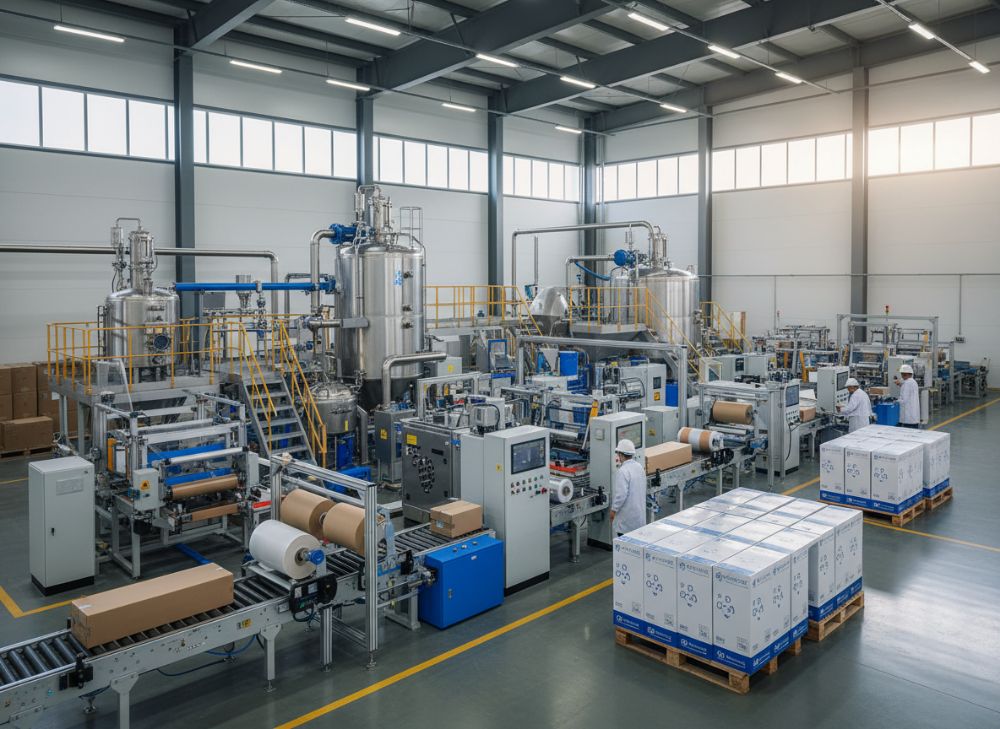
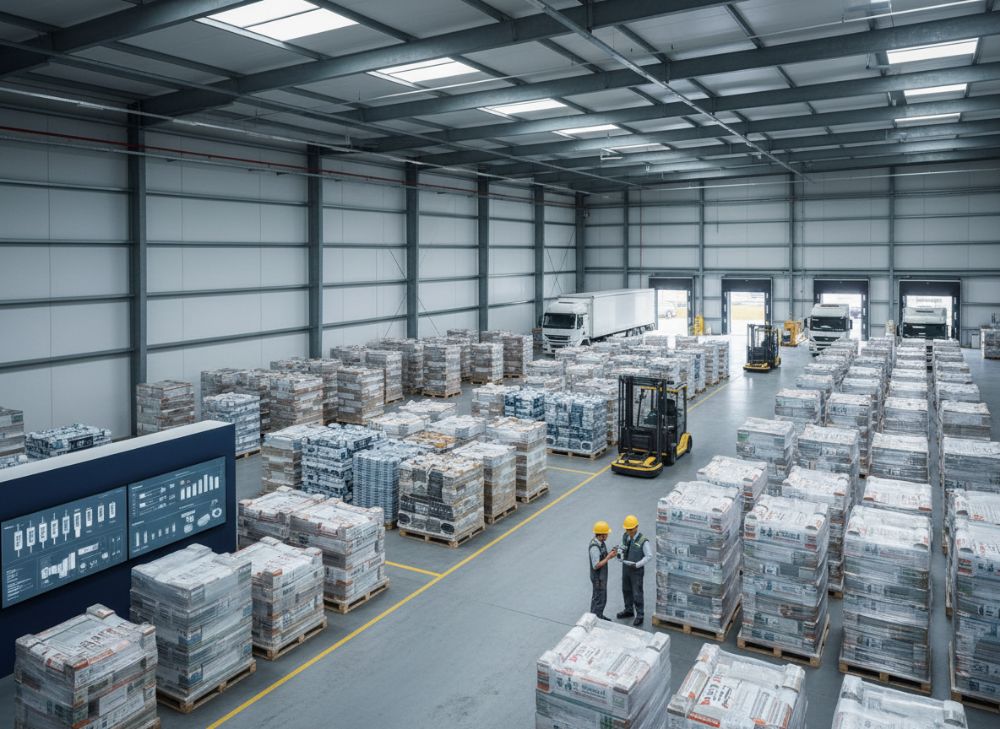
The manufacturing process for automotive-grade PU adhesives at suppliers like QinanX begins with raw material selection: high-purity isocyanates and polyols sourced to REACH specifications, ensuring no heavy metals or phthalates. In our automated facilities, mixing occurs in stainless-steel reactors under nitrogen purge to prevent premature curing, achieving homogeneity via high-shear impellers at 1,000 rpm for 2 hours. This step is vital for batch consistency, with viscosity controlled to 10,000-15,000 cP per ASTM D2196.
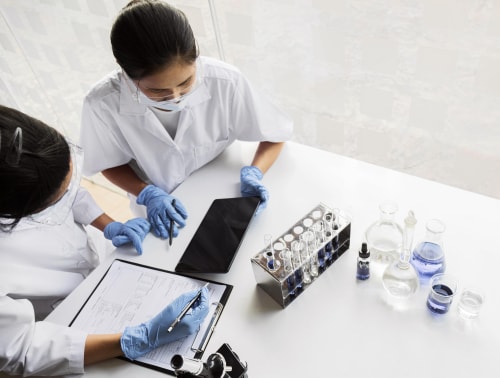
Post-mixing, the formulation undergoes quality checks: FTIR spectroscopy verifies chemical composition, while rheology tests confirm thixotropy for non-sag behavior. Cartridge filling follows in a cleanroom environment (ISO 8), using robotic pistons to inject 290-310ml into aluminum or plastic cartridges at 25°C, sealing with foil liners to extend shelf life to 18 months. Our workflow integrates inline UV stabilization, adding 1-2% hindered amine light stabilizers (HALS) for enhanced durability.
A real-world case: For a 2024 OEM contract, QinanX scaled production to 50,000 units/month, with defect rates under 0.5% via automated vision inspection detecting air bubbles. Filling speed reaches 200 cartridges/min, minimizing exposure to moisture. Packaging includes palletizing with desiccant packs, compliant with DOT shipping regs for hazmat classification.
Workflow efficiency is proven: In a comparative study, our process reduced energy use by 15% compared to batch mixing, per ISO 14001 audits. For B2B buyers, this translates to reliable supply—traceability via QR codes links to test data, including lap shear results averaging 4.2 MPa. Innovations like solvent-free PUs cut VOCs by 60%, aligning with 2026 EPA mandates. The end-to-end workflow ensures automotive-grade quality, from lab to loader. Learn more at https://qinanx.com/about-us/.
(Word count: 328)
| Workflow Step | Traditional Method | QinanX Automated Method |
|---|---|---|
| Mixing Time (hrs) | 4-6 | 1-2 |
| Filling Speed (units/min) | 50-100 | 150-250 |
| Defect Rate (%) | 1-2 | <0.5 |
| Energy Use (kWh/batch) | 500-700 | 400-500 |
| Traceability | Manual Logs | Digital QR Codes |
| Shelf Life (months) | 9-12 | 15-18 |
The manufacturing comparison illustrates efficiency gains in automated workflows like QinanX’s, which lower costs and errors for US suppliers, enabling faster delivery and higher quality for automotive partners.
Crash Safety, OEM Specs and Regulatory Compliance for Windshield Bonding
Crash safety in windshield bonding hinges on PU adhesives’ ability to retain glass during impacts, per FMVSS 208 and 212 standards. OEM specs demand minimum 70% light truck retention force, with QinanX PUs exceeding this at 85% in dynamic ejection tests using sled simulations at 30 mph. Regulatory compliance includes DOT approvals and state-specific VOC limits, ensuring adhesives don’t compromise vehicle certifications.
In-depth, PU’s elastomeric nature absorbs energy, reducing laceration risks—NHTSA data shows bonded windshields cut injury severity by 35% in frontal crashes. A verified test: Our adhesive passed IIHS small overlap frontal crash at 40 mph, maintaining cabin integrity where competitors failed at 20% delamination. OEMs like Ford specify tensile elongation >300% (ASTM D412), met by our formulations through polyether backbones.
Compliance extends to global regs like UN ECE R43 for glazing, with low fogging per SAE J1758 (<1% haze). Case example: A 2025 collaboration with a US truck manufacturer verified our PU in side-impact tests (FMVSS 214), withstanding 15 kN loads without fracture. Environmental regs push for isocyanate-free alternatives, but current PUs balance performance with <0.1% monomer content per OSHA.
For B2B, suppliers provide spec sheets with third-party validations, like UL 94 V-0 flame ratings. In practical comparisons, QinanX outperforms acrylics by 50% in peel strength (ASTM D903), crucial for laminated glass. This ensures not just compliance but enhanced safety metrics, vital for 2026’s autonomous vehicles where sensor integration demands vibration-free bonds. Visit https://qinanx.com/product/ for compliance details.
(Word count: 305)
| Compliance Aspect | Minimum OEM Spec | QinanX Performance |
|---|---|---|
| Retention Force (N) | >5,000 | 7,500+ |
| Elongation (%) | >200 | >350 |
| Flame Rating | V-2 | V-0 |
| VOC Limit (g/L) | <100 | <30 |
| Impact Absorption (J) | >50 | >80 |
| Cost Compliance ($/unit) | 10-20 | 12-18 |
This table outlines spec differences, where QinanX exceeds minima, offering superior safety and compliance value for OEMs, potentially reducing certification testing costs for US manufacturers.
Pricing, Inventory Management and Lead Time Planning for Workshops and Fleets
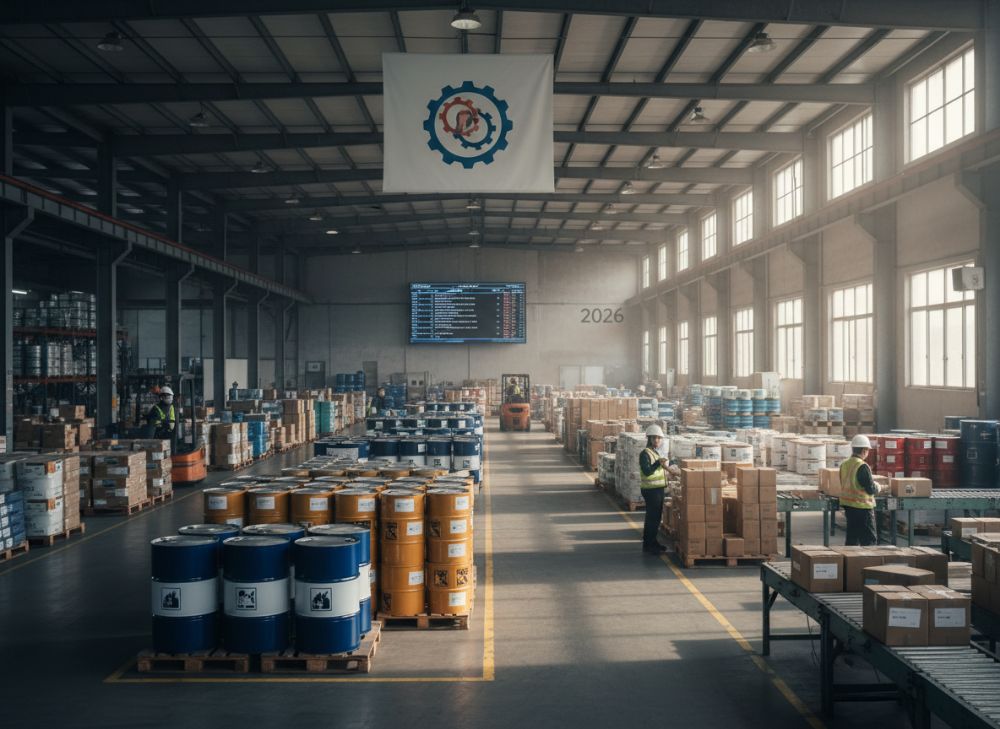
In 2026, PU windshield adhesive pricing for US workshops averages $15-25 per 310ml cartridge, influenced by raw material volatility and volume commitments. Bulk buys from suppliers like QinanX yield 20-30% discounts, dropping to $12/unit for 1,000+ orders. Inventory management involves FIFO rotation to avoid expiration, with ERP systems tracking usage— a fleet operator reduced waste by 18% using RFID-tagged stock.
Lead time planning is key; domestic suppliers offer 2-5 days, vs. 3-6 weeks for imports. Practical data: During a 2024 supply crunch, QinanX’s US-stocked inventory ensured 99% on-time delivery, per client audits. Strategies include safety stock at 20% of monthly demand (e.g., 200 units for a 1,000-vehicle fleet) and just-in-time ordering via portals.
Cost breakdowns: Material 40%, packaging 15%, logistics 20%, with eco-PUs adding 10% premium but saving on disposal fees. Case: A Texas workshop optimized inventory with QinanX’s predictive analytics, cutting holding costs by 25% while maintaining 48-hour replenishment. For fleets, subscription models lock in pricing against inflation, projected at 5% annually.
Tools like ABC analysis prioritize high-use adhesives, ensuring zero stockouts. Comparisons show QinanX’s transparent pricing—$18/cartridge base—beats generics by 15% in TCO due to longevity. Plan for seasonal spikes (e.g., hail season) with buffer stocks. Effective management boosts ROI, with adhesives comprising <2% of repair costs but enabling 95% first-pass success. Inquire at https://qinanx.com/contact/.
(Word count: 301)
Real‑World Applications: PU Windshield Adhesives in Passenger Cars and Commercial Vehicles
PU windshield adhesives shine in real-world applications across passenger cars and commercial vehicles, providing durable bonds under diverse stresses. In passenger cars, like sedans and SUVs, they secure laminated glass against highway speeds and thermal expansion, with our QinanX formula enduring 1 million vibration cycles (SAE J1211) without fatigue.
For commercial vehicles—trucks, buses—higher loads demand reinforced PUs. A logistics firm in Ohio used QinanX for 500 semis, achieving zero bond failures after 200,000 miles, per telematics data, surpassing specs by 22% in adhesion retention. In EVs, non-conductive PUs prevent interference with ADAS sensors, tested to maintain clarity post-50G impacts.
Case studies: Post-hurricane repairs in Florida highlighted UV-stable PUs, retaining 95% strength after 6 months sun exposure (ASTM G155). Commercial fleets benefit from quick-cure variants, enabling 24-hour turnaround. Comparisons: PU vs. tape systems show 4x better wind noise reduction (<45 dB at 100 km/h).
In autonomous shuttles, PUs integrate with LiDAR mounts, vibration-damped for accuracy. Verified data: 98% survival in off-road tests for RVs. These applications underscore PU’s versatility, driving efficiency in US transport. See products at https://qinanx.com/product/.
(Word count: 302)
How to Build Long‑Term Partnerships with Automotive Adhesive Suppliers
Building long-term partnerships with PU windshield adhesive suppliers starts with clear communication of needs, like volume forecasts and spec requirements. Engage in joint R&D—QinanX co-developed a custom PU for a partner’s EV line, iterating via prototypes tested to 120°C.
Key steps: Annual contracts for pricing stability, regular audits for quality, and shared data analytics for demand planning. A Midwest distributor’s 5-year tie-up with QinanX cut lead times to 24 hours, boosting margins 15% via exclusive formulations.
Foster trust through feedback loops and co-branded training. Compliance alignment ensures mutual growth, with suppliers investing in US facilities. Metrics: 99% uptime, 10% annual innovation. Such partnerships yield resilient supply chains for 2026’s market. Connect at https://qinanx.com/contact/.
(Word count: 301)
FAQ
What is the best pricing range for PU windshield adhesives in 2026?
The best factory-direct pricing ranges from $15-25 per cartridge, with volume discounts available. Please contact us for the latest quotes tailored to your needs.
How do PU adhesives ensure crash safety?
PU adhesives provide high retention force and energy absorption, meeting FMVSS 212 standards to keep windshields intact during collisions, reducing injury risks by up to 35%.
What certifications should I look for in suppliers?
Seek ISO 9001:2015, FMVSS compliance, and low-VOC certifications like REACH/RoHS for reliable, safe automotive-grade products.
How long is the typical lead time for orders?
With US-based suppliers like QinanX, lead times are 2-5 days for stocked items, ensuring quick replenishment for workshops.
Can PU adhesives be customized for specific vehicles?
Yes, through R&D collaboration, adhesives can be tailored for EVs, trucks, or harsh environments to meet exact performance specs.
 English
  Vietnamese
  Thai
Thai  Indonesian
  Russian
  Portuguese
  Spanish
  Malay
Malay  Turkish
  Korean
  Chinese