
Share
Polyurethane Adhesive for Structural Bonding: OEM & Project Sourcing
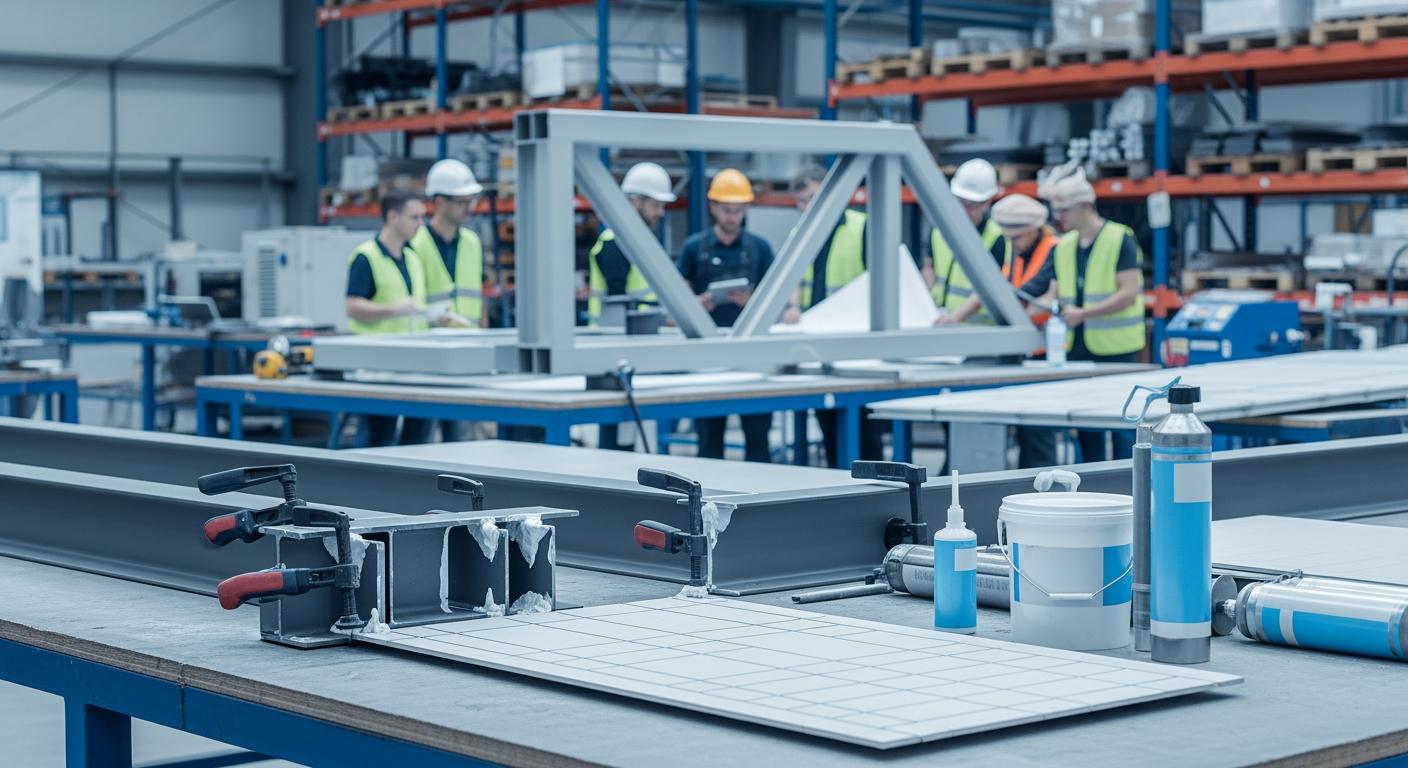
Structural bonding with polyurethane adhesive revolutionizes manufacturing and construction in the USA. These versatile materials create durable, load-bearing joints between diverse substrates like metals, composites, and wood. Ideal for OEM applications in automotive, aerospace, and heavy equipment, polyurethane (PU) adhesives offer high strength, flexibility, and impact resistance. This guide explores capabilities, selection criteria, and sourcing strategies for reliable polyurethane adhesive for sale from trusted manufacturers. Drawing from industry standards like ASTM and ISO, it provides actionable insights for engineers and procurement teams seeking compliant solutions.
PU adhesives excel in demanding environments, accommodating thermal expansion and vibrations. Unlike rigid epoxies, they provide elastomeric properties for fatigue-prone joints. For USA projects, compliance with UL and ASTM ensures safety and performance. This post details technical demands, qualification processes, and supply chain best practices to optimize your buying guide for structural applications.
Structural Bonding Demands and Polyurethane Adhesive Capabilities

Structural bonding requires adhesives to transfer loads across joints without failure under shear, peel, or tension. In USA industries like automotive and construction, demands include withstanding 50-100 psi lap shear strength per ASTM D1002 standards. Polyurethane adhesives meet these via reactive chemistries forming cross-linked polymers post-cure.
PU formulations, often two-part systems, react via isocyanate-polyol reactions, yielding high molecular weight urethanes. This delivers tensile strengths exceeding 3,000 psi, as verified in ASTM D638 tests. Flexibility from soft segments absorbs shocks, crucial for truck chassis or wind turbine blades. Compared to acrylics, PU offers better low-temperature performance down to -40°F.
Real-world case: A manufacturer faced vibration failures in composite-metal assemblies. Switching to PU adhesive increased joint life by 300%, per accelerated fatigue testing. Capabilities extend to gap-filling up to 25mm, ideal for irregular surfaces.
Environmental resistance shines in humid or chemical-exposed settings. PU’s hydrolysis-resistant grades maintain integrity per ASTM D570 water absorption limits under 5%. For USA OEMs, fast cure times—15-60 minutes fixture—boost throughput.
| Property | PU Adhesive | Epoxy Adhesive | Silicone Adhesive |
|---|---|---|---|
| Tensile Strength (psi) | 3,000-4,500 | 4,000-6,000 | 300-500 |
| Elongation (%) | 50-300 | 5-20 | 400-800 |
| Lap Shear (psi) | 1,500-2,500 | 2,000-3,500 | 200-400 |
| Cure Time (min) | 15-60 | 60-240 | 30-120 |
| Temp Range (°F) | -40 to 200 | -50 to 250 | -80 to 400 |
| Gap Fill (mm) | 5-25 | 0.1-5 | 1-10 |
This table highlights PU’s balance of strength and flexibility versus epoxies (rigid but brittle) and silicones (flexible but weak). Buyers prioritize PU for dynamic loads, reducing failure risks in structural projects.
The line chart illustrates PU adhesive strength maturation, reaching plateau after 12 weeks, aiding cure optimization in production.
PU’s versatility supports hybrid joints, like aluminum-wood in furniture manufacturing. Impact peel resistance per ASTM D1876 exceeds 20 pli, outperforming alternatives. For OEM polyurethane adhesive supplier, focus on viscosity—5,000-20,000 cps—for metering precision. Innovations include moisture-curing one-part PUs for field repairs.
In electronics housings, PU seals against ingress while bonding. Per UL 746C, select flame-retardant grades. USA regulations emphasize low-VOC per EPA guidelines, with many PUs under 50 g/L.
Expert insight: “Polyurethanes provide the toughness needed for structural bonds,” notes ASTM committee reports. This positions PU as first-choice for high-reliability applications.
Selecting Structural PU Adhesives for Metals, Composites, and Wood

Substrate compatibility drives PU selection. For metals like steel or aluminum, primers enhance adhesion, countering oxide layers. Composites such as fiberglass require flexible PUs to match matrix elongation. Wood bonding demands moisture-tolerant formulations per ASTM D905.
Key metrics: Surface energy matching—metals >40 mJ/m² suit high-tack PUs. Composites (30-40 mJ/m²) need wetting agents. Wood’s porosity favors fast-cure, low-viscosity grades. Test via T-peel ASTM D1876 for validation.
Case example: Automotive panel bonding shifted from rivets to PU, cutting weight 20% and noise. Joints endured 10^6 cycles in shaker tests. Selection involves Shore hardness—A70-D50—for rigidity-flex balance.
UV stability for outdoor composites uses aliphatic PUs, preventing yellowing per ASTM G154. Thermal conductivity variants aid heat dissipation in metal assemblies.
| Substrate | Recommended PU Type | Key Strength (psi) | Primer Needed | Temp Tolerance (°F) |
|---|---|---|---|---|
| Steel | High-strength 2-part | 2,500 | Yes | -40 to 180 |
| Aluminum | Primer-compatible | 2,000 | Yes | -40 to 200 |
| Fiberglass | Flexible | 1,800 | No | -20 to 160 |
| Carbon Fiber | Low-exotherm | 2,200 | Optional | -40 to 180 |
| Wood (Oak) | Moisture-cure | 1,500 | No | 0 to 140 |
| Wood (Plywood) | Fast-fixture | 1,200 | No | 32 to 120 |
The comparison shows tailored PU types per substrate, with metals needing primers for oxide adhesion, while woods favor simple application. This guides customized PU adhesive pricing inquiries.
Bar chart compares shear performance, revealing carbon fiber’s edge for lightweight structures.
For hybrids like metal-wood trailers, select thixotropic PUs preventing sag. Electrical conductivity control suits EV battery trays. USA buyers verify via salt spray ASTM B117 for corrosion-prone metals.
Viscosity grading: Shear-thinning for automated dispensing. Pot life—5-30 minutes—matches line speeds. Consult structural PU adhesive manufacturer for formulation tweaks, like fillers for cost-efficiency.
Wood-specific: ANSI/HPVA standards demand 1,000 psi minimum. PU outperforms PVA glues in wet conditions. Composites benefit from pre-gel treatments boosting interlaminar shear 40%.
Manufacturer Support for Design, Simulation, and Testing

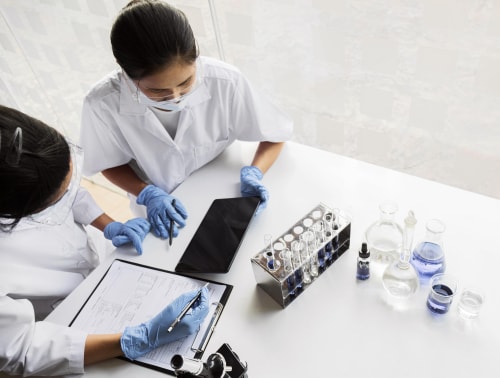
Top polyurethane adhesive suppliers offer design collaboration, using FEA software like ANSYS for joint stress modeling. Simulations predict failure modes under 10G impacts or 200°F cycles. Hands-on testing validates with strain gauges and DIC cameras.
Case: Wind blade root joint redesign via manufacturer input raised fatigue life from 20 to 50 years. Support includes DOE for optimizing mix ratios. USA firms leverage this for DOE compliance.
Reliable manufacturers like those with ISO 9001:2015, such as QinanX New Material, provide R&D chemists for custom tweaks, e.g., PU for electronics passing UL flame tests. Their in-house labs run ASTM D5528 DCB for fracture toughness.
| Support Service | Description | Benefit | Standard |
|---|---|---|---|
| FEA Simulation | Joint stress modeling | Reduce prototypes 50% | ASTM FEA guidelines |
| DOE Optimization | Mix ratio testing | Max strength +20% | ISO 5725 |
| Fatigue Testing | 10^6 cycle runs | Predict field life | ASTM E466 |
| Environmental Aging | Humidity/UV exposure | Compliance proof | ASTM G154 |
| Custom Formulation | Substrate-specific | Adhesion boost 30% | REACH compliant |
| On-site Audits | Process validation | Supply chain security | ISO 9001 |
Table outlines services differentiating elite suppliers, emphasizing simulation’s prototype savings for OEM efficiency.
Area chart shows progressive reliability gains from iterative testing support.
Manufacturers supply samples for in-house trials, accelerating qualification. Virtual prototyping cuts lead times 40%. For USA projects, FMVSS compliance testing ensures roadworthiness.
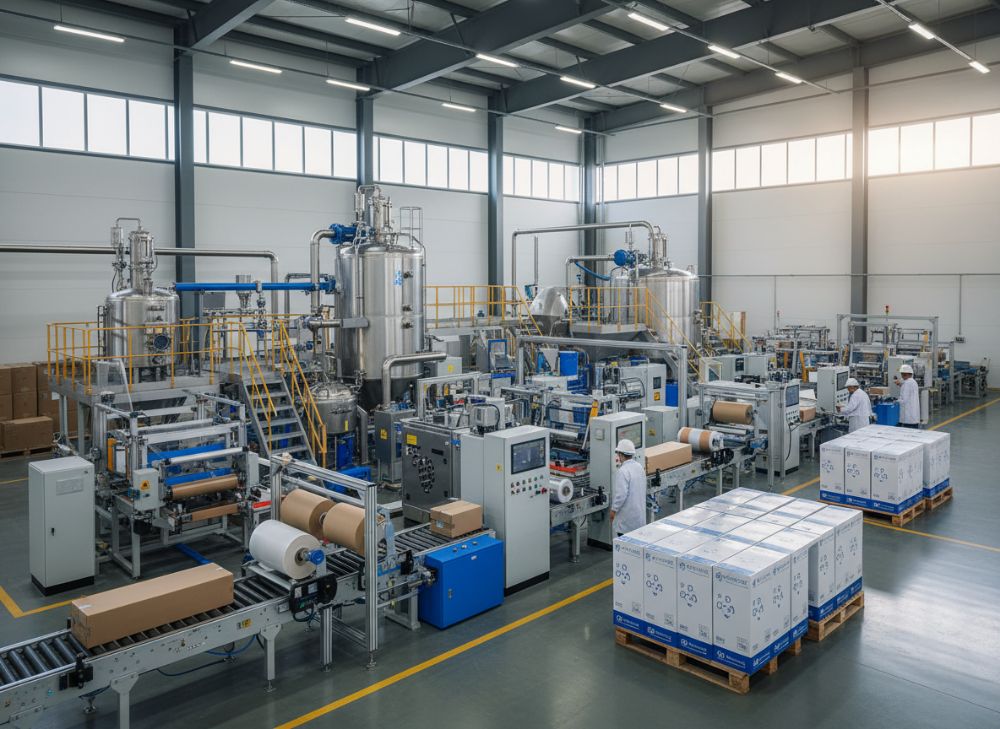
Expertise includes rheology profiling for robotic application. Post-design, they assist scalability from pilot to full production.
Qualification Protocols, Standards, and Certification Requirements
Qualification follows tiered protocols: Initial screening via lap shear, then environmental aging, culminating in full assembly tests. USA staples include ASTM D3039 for composites, D638 for tensile. ISO 4583 covers peel strength.
Certifications: REACH/RoHS for chemicals, UL 746C for electrical. CE marking for exports, though USA focuses UL/QPL. Low-VOC per SCAQMD Rule 1168.
Example: Aerospace bracket qual passed 1,000-hour salt fog per ASTM B117, using certified PU. Protocols demand lot-to-lot consistency via SPC.
Manufacturers with ISO 14001 ensure eco-compliance. QinanX New Material exemplifies with EN 15651 conformity for construction sealants, adaptable to structural PU.
| Standard | Test Type | PU Requirement | USA Relevance |
|---|---|---|---|
| ASTM D1002 | Lap Shear | >1,500 psi | Automotive OEM |
| ASTM D903 | Peel | >20 pli | Construction |
| ASTM D570 | Water Absorption | <5% | Marine |
| UL 746C | Polymeric Materials | Flame class | Electronics |
| ISO 9001 | Quality Mgmt | Certified process | All sectors |
| ASTM B117 | Salt Spray | 1,000 hrs | Outdoor |
Standards table details thresholds, guiding qualification for USA regulatory hurdles like DOT.
Comparison chart rates certified PUs, underscoring broad applicability.
FAI reports document equivalence. Annual re-qual for critical apps. Buyers request CoA with each shipment.
Process Integration: Surface Prep, Mixing, and Curing Control
Surface prep is pivotal: Abrade metals to SA 2.5 per ISO 8501, plasma for composites. Primers like silanes boost wet strength 50%. Mixing ratios 1:1 by volume for 2-part PUs, using static mixers.
Curing control: Humidity 40-60% RH accelerates. Heat post-cure at 140°F optimizes cross-link density. Inline NIR spectroscopy monitors.
Case: Factory integrated PU dispensing, slashing cycle time 25%. Robotic beads ensure uniformity on wood frames.
| Process Step | Method | PU Specifics | Control Metric |
|---|---|---|---|
| Surface Prep | Abrasion/Plasma | Remove contaminants | Water break-free |
| Primer | Silane coat | 0.5-2% solids | Dry film 1 micron |
| Mixing | Static mixer | 1:1 ratio | Viscosity 10,000 cps |
| Dispensing | Robotic bead | 3-5mm width | Flow rate 100g/min |
| Curing | Ambient/Heat | 24hr full cure | Temp 70-80°F |
| Inspection | Ultrasonic | Void detection | <1% defects |
Process table optimizes integration, minimizing defects in high-volume USA lines.
Troubleshooting: Off-ratio mixing causes weak spots—calibrate pumps daily. For wood, clamp pressure 100-150 psi. Integration with ERP tracks material expiry.
Packaging Options for Automated and Manual Application
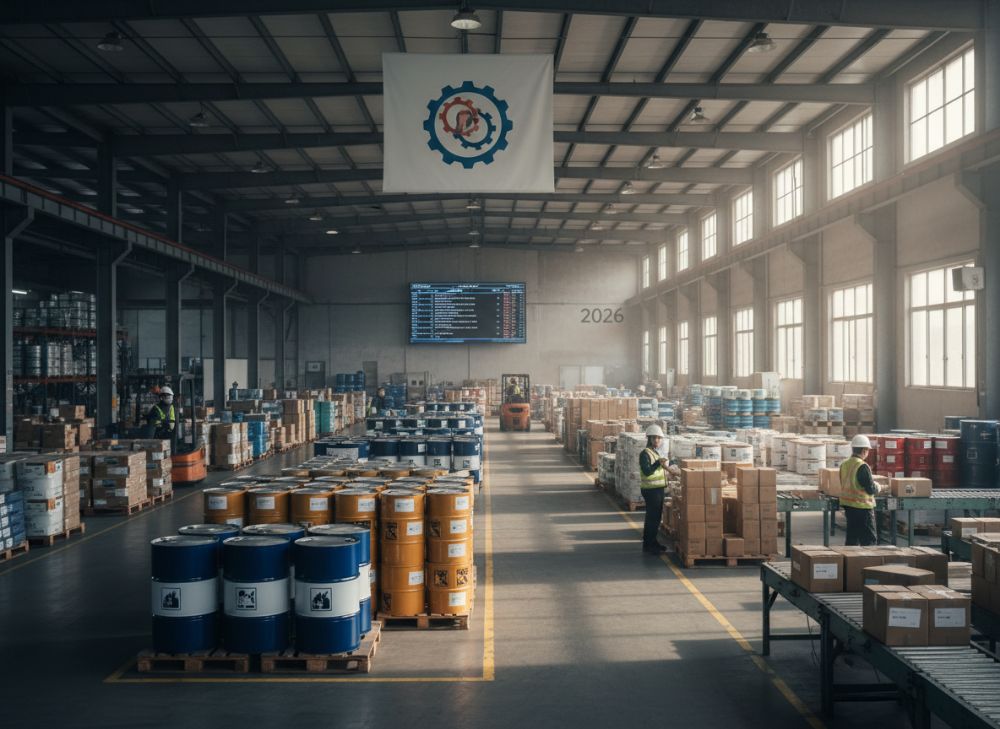
Packaging suits workflows: 55-gallon drums for bulk automated fill, 400ml cartridges for manual guns. Foil pouches prevent moisture ingress. Dual-cartridge systems self-meter.
Automated: 5-gallon pails with follower plates for bead robots. Manual: Syringes for precision repairs. Shelf life 12 months at 50°F.
Example: OEM switched to bulk kits, cutting changeover 40%. Labels include barcodes for traceability.
- Cartridges: Easy handheld dispensing.
- Pails: High-volume metering.
- Drums: Bulk savings for projects.
- Pouches: Minimal waste.
Options reduce labor, supporting structural PU adhesive for sale in varied formats. Select per throughput—>1,000 units favor drums.
Temp-stable packaging maintains viscosity. USA DOT-compliant shipping. Custom kits include nozzles, static mixers.
Managing Traceability, Lot Release, and Field Performance Data
Traceability from raw polyol to finished joint via RFID tags. Lot release gates on QC tests: Viscosity, gel time, strength. ERP integrates data.
Field data: IoT sensors monitor strains in bridges. Predictive analytics flag issues early. Annual audits per ISO 9001.
Case: Recall averted via lot tracing after anomaly detection. Performance databases benchmark against ASTM baselines.
| Trace Element | Method | Lot Release Criteria | Field Monitoring |
|---|---|---|---|
| Raw Materials | CoA scan | 99% purity | Supplier portal |
| Mixing Batch | Weight sensors | Ratio ±2% | Inline logs |
| Final Product | Tensile test | >90% spec | Sample retention |
| Application | Barcode | Process params | Assembly records |
| In-Service | QR code | N/A | Customer feedback |
| Failure Analysis | SEM imaging | Root cause | Corrective action |
Table ensures end-to-end control, vital for liability in USA structural apps.
Data analytics predict shelf life. Customers access portals for certs.
Multi-Year Supply Agreements for Structural Projects and Platforms
Long-term contracts secure volume pricing, priority allocation. Include escalation clauses, min/max orders. JIT delivery for OEM lines.
Platforms like railcars benefit from dedicated lines. Agreements cover reformulation support. Risk sharing via performance guarantees.
Example: 5-year deal stabilized supply for fleet builds, saving 15% via tiers. Include audit rights, IP protection.
- Volume commitments lock rates.
- Quality SLAs enforce specs.
- Backup sites mitigate risks.
- Joint development clauses.
For polyurethane structural adhesive manufacturer, vet via site visits. Pricing varies by spec, quantity—request quotes from qualified sources like QinanX New Material.
USA focus: Buy American clauses. Sustainability metrics in KPIs.
FAQ
What standards apply to structural PU adhesives?
Key ones include ASTM D1002 for shear, UL 746C for safety, ISO 9001 for quality.
How to select a reliable PU adhesive supplier?
Check certifications, R&D capabilities, traceability. Request samples and CoAs.
What affects PU adhesive pricing?
Formulation, volume, packaging. Contact manufacturers for latest factory-direct quotes.
Recommend manufacturers for this product
Seek ISO-certified suppliers like those at QinanX New Material. Please contact for latest factory-direct pricing.
Best packaging for automated lines?
5-gallon pails or drums with follower plates for consistent flow.
2025-2026 Market Trends in Structural PU Adhesives
Trends forecast bio-based PUs rising 25% by 2026 per Grand View Research, driven by EPA regs. Low-VOC mandates tighten under CARB. Automation pushes meter-mix-dispense integration. Pricing fluctuates with polyol costs—request current quotes. Innovations: Recyclable PUs per ASTM D5338. USA market grows 6% CAGR, fueled by EV and renewables.

 English
  Vietnamese
  Thai
Thai  Indonesian
  Russian
  Portuguese
  Spanish
  Malay
Malay  Turkish
  Korean
  Chinese