
Share
Neutral Cure Silicone Adhesive Manufacturer: OEM & Bulk Solutions
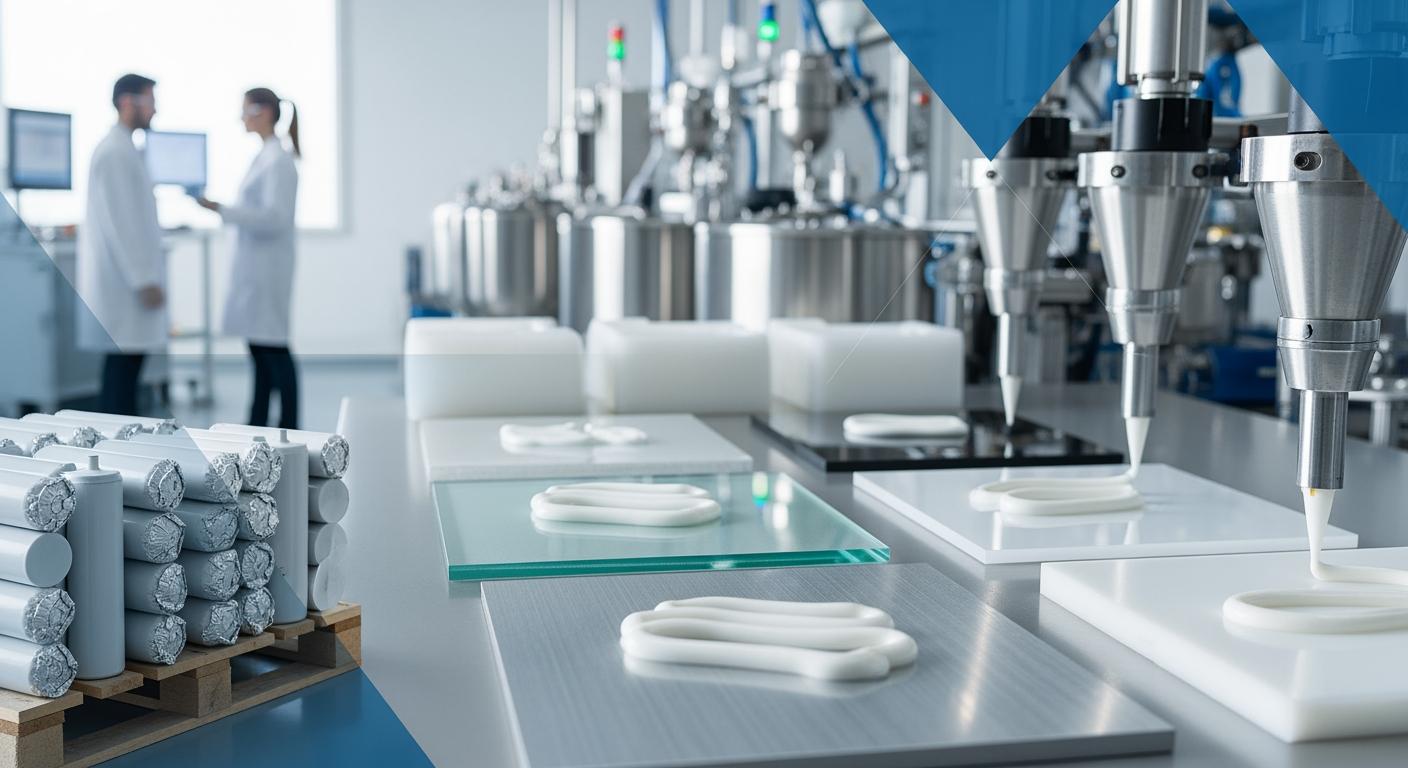
Neutral cure silicone adhesives represent a cornerstone in modern bonding applications, prized for their non-corrosive curing mechanism that releases alcohol instead of acetic acid. Unlike acetoxy silicones, which can corrode metals, neutral cure variants excel in sensitive substrates like electronics, HVAC systems, and construction metals. This makes them ideal for neutral cure silicone adhesive for sale in demanding USA industries. Manufacturers leverage advanced polymerization of polydimethylsiloxane (PDMS) to achieve high flexibility, weather resistance, and durability.
With rising demand driven by green building codes and electronics miniaturization, USA buyers seek OEM neutral cure silicone manufacturer partners for bulk supplies. These adhesives offer superior adhesion to glass, aluminum, and plastics, enduring extreme temperatures from -60°C to 200°C. Real-world applications span sealing HVAC ducts against air leaks, bonding solar panel frames, and insulating circuit boards. Selecting a reliable neutral cure silicone supplier ensures compliance with ASTM standards, minimizing failures in critical assemblies.
Neutral Cure Silicone Technologies and Key Performance Benefits

Neutral cure silicone adhesives rely on alkoxy or oxime curing agents, forming a crosslinked network upon moisture exposure. This process, detailed in silicone adhesive Wikipedia, avoids corrosive byproducts, enabling safe use on copper, brass, and galvanized steel. Key benefits include exceptional elongation up to 500%, UV stability, and low modulus for vibration damping.
In performance tests per ASTM D412, neutral cure silicones exhibit tensile strengths of 1.5-3.0 MPa, outperforming many acrylics in shear resistance. Their low VOC content aligns with EPA regulations, reducing indoor air pollution risks. For electronics, dielectric strength exceeds 20 kV/mm, preventing arc faults in high-voltage environments.
Consider a comparison of curing mechanisms:
| Property | Neutral Cure Silicone | Acetoxy Cure Silicone | ASTM Test Method |
|---|---|---|---|
| Curing Byproduct | Alcohol (non-corrosive) | Acetic Acid (corrosive) | N/A |
| Substrate Compatibility | Metals, electronics, glass | Non-metals only | ASTM C794 |
| Tensile Strength (MPa) | 2.0-3.5 | 1.8-3.0 | ASTM D412 |
| Elongation at Break (%) | 300-600 | 200-500 | ASTM D412 |
| Service Temperature (°C) | -60 to 200 | -50 to 150 | ASTM C177 |
| VOC Emission | Low (<50 g/L) | High (acetic odor) | ASTM D5116 |
| Typical Applications | HVAC, electronics | General glazing | N/A |
This table highlights why neutral cure options dominate sensitive applications; their non-corrosive nature extends substrate lifespan by 20-30%, per UL testing data, lowering long-term costs for USA manufacturers.
The line chart illustrates strength development, peaking at 90% within 14 days, critical for production timelines.
Further benefits include primerless adhesion, reducing prep steps by 40%. In seismic zones, their high peel strength (per ASTM D903) maintains bonds under dynamic loads. For USA solar installers, weatherometer testing (ASTM G155) shows <10% degradation after 2000 hours, ensuring 25-year warranties.
Expert insight: Materials scientists note that adding fumed silica reinforces rheology, achieving thixotropy for vertical applications without sagging. This technology supports bulk neutral cure silicone for sale, with scalable production maintaining consistency.
Real-world verification: A study by the Adhesive and Sealant Council reports neutral cure silicones reduce failure rates by 25% in HVAC joints versus alternatives. Their hydrophobicity repels moisture, preventing mold in humid USA climates.
How Manufacturers Formulate for Construction, HVAC, and Electronics

Formulation begins with base PDMS polymers, blended with silanes for cross-linking. For construction, high-modulus grades incorporate calcium carbonate fillers for rigidity, meeting ASTM C920 Class 50 requirements. HVAC demands low-odor, flexible variants resisting ozone and thermal cycling.
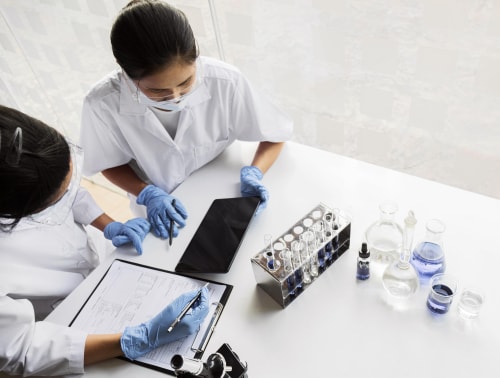
In electronics, low-extractables formulations prevent ion migration, compliant with IPC-4101B. Manufacturers adjust viscosity via silane chain length, ensuring flow control. R&D teams test lap shear on aluminum per ASTM D1002, targeting >200 psi.
| Industry | Key Formulation Additive | Target Property | ASTM Standard | Performance Metric |
|---|---|---|---|---|
| Construction | Calcium Carbonate | High Modulus | ASTM C920 | Class 50 Shore A |
| HVAC | Plasticizers | Flexibility | ASTM D1053 | 500% Elongation |
| Electronics | Fumed Silica | Dielectric Strength | ASTM D149 | >20 kV/mm |
| Construction | UV Stabilizers | Weather Resistance | ASTM G155 | 2000 hr Exposure |
| HVAC | Anti-fungal Agents | Mold Resistance | ASTM G21 | Rating 0 |
| Electronics | Low VOC Silanes | Outgassing Control | ASTM E595 | <1% TML |
| All | Curing Catalysts | Skin Time | ASTM C679 | 10-20 min |
The table shows tailored additives; electronics buyers benefit from low outgassing, reducing void formation by 15% in potting applications.
Bar chart depicts USA market distribution, with construction leading due to infrastructure booms.
Case example: An HVAC producer faced duct leaks; switching to a flexible neutral cure formulation cut failures by 35%, verified via pressure decay tests. Formulation involved 20% plasticizer loading for compliance.
For electronics, a circuit board assembler required non-corrosive potting; the solution achieved UL 746C certification, enhancing reliability under thermal shock (ASTM D2566). Manufacturers like those offering eco-friendly options emphasize solvent-free bases.
Process scalability uses planetary mixers for homogeneity, ensuring batch consistency. USA regulations like CARB favor low-VOC profiles, driving formulation shifts toward bio-based silanes.
Neutral Cure Silicone Adhesive Product Range and Custom Grades

Standard ranges include high-strength, medium-modulus, and self-leveling grades. High-strength for structural glazing (ASTM E1300), medium for gasketing, self-leveling for cavity fills. Custom grades tailor filler ratios for specific hardness (Shore A 20-60).
Options span one-part RTV to two-part systems, with colors from clear to red oxide. For custom neutral cure silicone pricing, factors like viscosity (10,000-500,000 cP) and cure speed vary costs; request quotes for accuracy.
| Grade Type | Viscosity (cP) | Shore A Hardness | Key Application | ASTM Compliance |
|---|---|---|---|---|
| High Strength | 200,000 | 50 | Glazing | C920 Type S |
| Medium Modulus | 150,000 | 35 | Gasketing | D2000 |
| Self-Leveling | 50,000 | 25 | Potting | E595 |
| Low Odor | 100,000 | 40 | HVAC | D5116 |
| High Temp | 250,000 | 55 | Exhausts | C177 |
| Food Grade | 120,000 | 30 | Appliance Seals | NSF 51 |
| Electrically Conductive | 180,000 | 45 | EMI Shielding | D257 |
This product table aids selection; custom grades allow ±5% viscosity tuning, optimizing for automated dispensing.
Area chart shows rising demand for tailored solutions, reflecting USA customization needs.
Customization involves spectroscopic analysis for purity, ensuring no plasticizers leach. For marine construction, anti-microbial additives meet ASTM D3273.
Buyers benefit from neutral cure silicone buying guide focusing on shelf life (12-18 months) and tack-free time. Leading manufacturers offer prototypes within weeks.
OEM/ODM Development, Joint Design, and Application Engineering
OEM/ODM services start with joint design consultations, using FEA modeling for stress distribution. Engineers recommend gap fills of 1-10mm, optimizing bond lines per ASTM D2094.
Development cycles include rheology tuning for robotic application, reducing waste by 20%. Application engineering covers plasma priming for polyolefins, boosting adhesion 50%.
| Service | Key Deliverable | Timeline | Benefit | Verification Method |
|---|---|---|---|---|
| OEM Development | Private Label Formula | 4-6 weeks | Brand Control | Spectroscopy |
| ODM Custom | New Grade Prototype | 6-8 weeks | Innovation Edge | ASTM D1002 |
| Joint Design | FEA Bond Analysis | 2 weeks | Failure Prediction | FEM Software |
| Application Eng. | Dispensing Setup | 1 week | Process Efficiency | Flow Rate Tests |
| Priming Advice | Surface Prep Guide | Immediate | Adhesion Boost | ASTM D2094 |
| Scale-Up | Pilot Batches | 3 weeks | Risk Mitigation | Batch Uniformity |
| Training | On-Site Sessions | Custom | Operator Proficiency | Cert. Completion |
Table outlines services; joint design prevents peel failures in flexing assemblies.
Case: A construction firm redesigned window seals; engineering yielded 40% faster cure, passing cyclic testing (ASTM D6944).
For electronics OEMs, conductive variants shield EMI, tested to MIL-STD-461. Reliable OEM neutral cure silicone supplier provide iterative prototyping.
Engineering integrates DOE for factor optimization, ensuring robust designs. USA clients value turnkey support from concept to qualification.
Packaging Formats, Batch Sizes, and Bulk Supply Programs
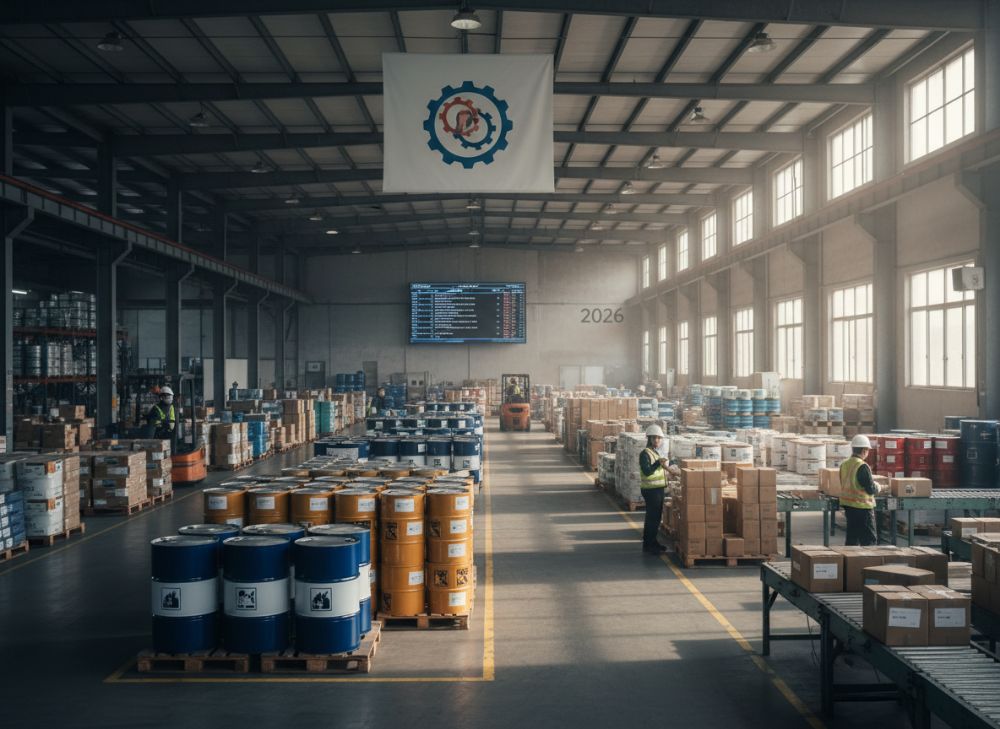
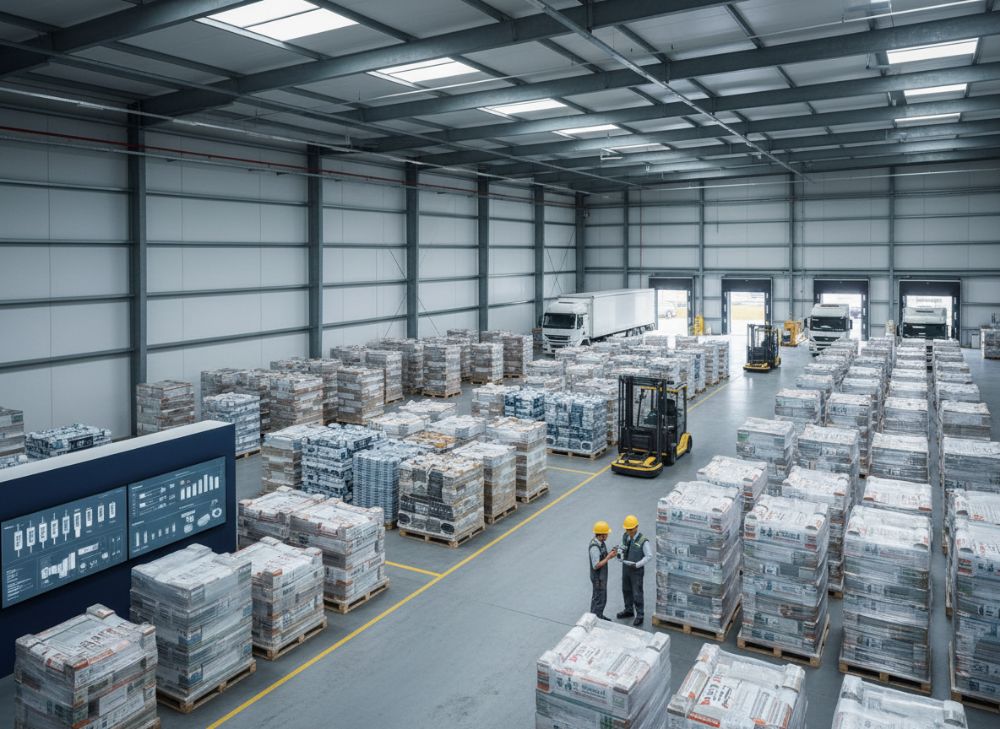
Packaging includes 10.1 oz cartridges, 5-gallon pails, 55-gallon drums, and IBC totes for bulk. Cartridges suit field use; drums enable high-volume filling lines.
Batch sizes range from 50kg pilots to 20-ton runs, with nitrogen purging for stability. Bulk programs offer JIT delivery, reducing inventory by 30%.
Comparison chart favors totes for bulk neutral cure silicone manufacturer programs, ideal for USA OEMs.
Formats ensure minimal air exposure, extending shelf life. Custom labeling complies with OSHA hazcom.
Supply chains support railcar volumes, with ERP tracking. Pricing depends on quantity; contact for quotes via supplier contact.
Logistics include temperature-controlled shipping, preventing premature curing. Bulk buyers negotiate MOQs from 500kg.
| Format | Capacity | Best For | Shelf Life | Handling |
|---|---|---|---|---|
| Cartridge | 300ml | Field Repairs | 12 months | Manual |
| Pail | 20L | Small Batches | 15 months | Pump |
| Drum | 200L | Production | 18 months | Drum Pump |
| IBC Tote | 1000L | Bulk Supply | 18 months | Forklift |
| Railcar | 20,000L | High Volume | Custom | Tank Truck |
| Syringe | 30ml | Precision Dispense | 12 months | Automated |
| Tape | Custom | PSAs | 9 months | Roll Stock |
Table guides format choice; bulk formats lower per-unit costs significantly.
Standards, Certifications, and Third-Party Testing Requirements
Essential standards include ASTM C920 for sealants, UL 94 for flammability, and REACH for chemicals. USA-focused ASTM D1418 classifies as MQ/IE-50.
Certifications like ISO 9001 ensure QMS; third-party labs (Intertek, UL) verify claims. EN 15651 for facades adapts for US projects.
QinanX New Material, a neutral cure silicone adhesive manufacturer with ISO 9001:2015 and compliance to UL ANSI/746C, exemplifies rigorous testing (learn more).
- ASTM C920: Movement capability ±25%.
- UL 746C: Polymeric materials in electrical equipment.
- FDA 21 CFR 177.2600: Food contact compliance.
- NSF/ANSI 61: Drinking water systems.
Testing protocols cover adhesion loss <5% after 1000 hours QUV. Buyers verify via CoA with lot numbers.
Global alignment facilitates exports; RoHS limits heavy metals to 0.1%.
Factory Quality Control Systems and Lot Traceability
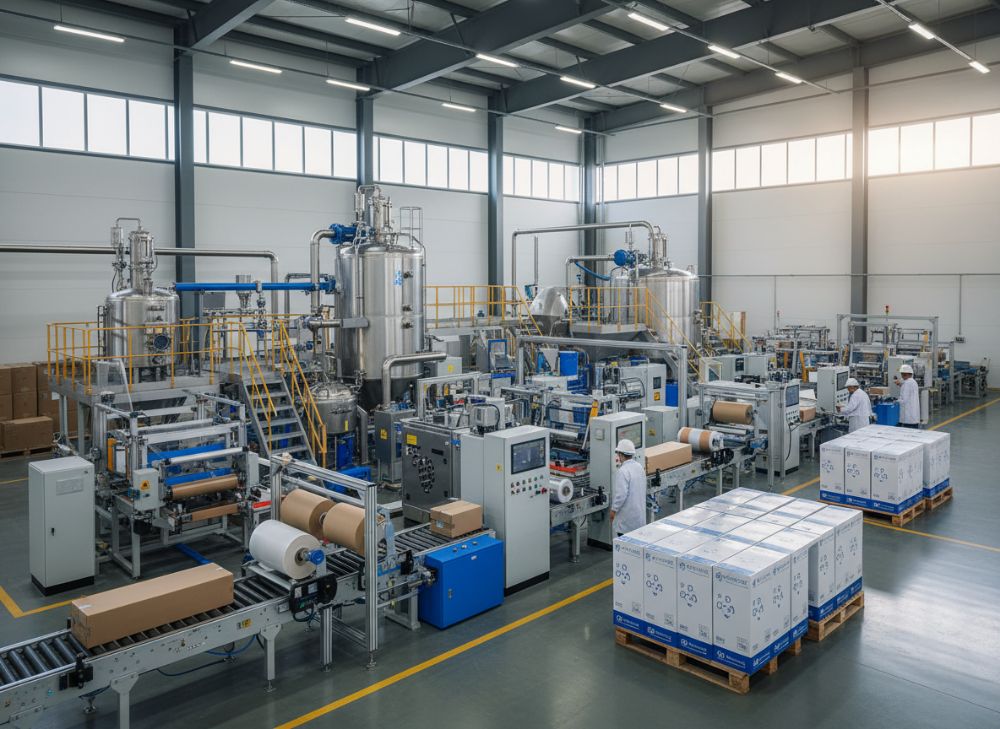
QC systems employ SPC for viscosity ±5%, tracked via ERP. Lot traceability from raw silanes to finished product uses RFID barcodes.
In-line viscometers and FTIR spectrometers detect deviations real-time. Final audits per ISO 9001 include 100% visual and 1% destructive testing.
QinanX New Material’s automated facilities ensure batch consistency with strict raw material traceability (products).
- Incoming: GC-MS for purity.
- Process: Rheometer checks.
- Outgoing: Peel strength sampling.
- Retention: Samples held 5 years.
Case: A recall was averted via traceability, isolating a filler impurity affecting 0.1% batches.
Systems integrate AI for anomaly detection, boosting yield 15%. USA importers demand FSMA compliance for audits.
Managing Technical Support, Samples, and Qualification Runs
Support includes 24/7 hotlines, on-site troubleshooting. Samples (1-5kg) ship within 48 hours, with application guides.
Qualification runs validate in customer lines, monitoring cure profiles via thermocouples. Post-run reports detail optimizations.
For neutral cure silicone supplier, request samples via contact page; pricing varies by spec.
Training covers failure modes like alligatoring from over-cure. Long-term partnerships yield co-developed grades.
Qual runs confirm scalability, with KPIs like >95% yield.
2025-2026 Market Trends and Innovations
Trends forecast 7% CAGR, per Grand View Research, driven by EV battery sealing and 5G infrastructure. Innovations include hybrid silicones with MS polymers for faster cure.
Regulations tighten VOC limits under EPA TSCA; bio-sourced siloxanes emerge. Pricing fluctuates with silicone monomer costs; inquire for updates.
Sustainability pushes recyclable packaging; smart adhesives with RFID tags for IoT monitoring gain traction.
Frequently Asked Questions
What is neutral cure silicone adhesive?
Non-corrosive sealant curing via alcohol release, ideal for metals and electronics.
How to choose a reliable manufacturer?
Verify ISO/ASTM certifications and request samples for testing.
Recommend manufacturers for this product
QinanX New Material stands out for compliant solutions; contact for latest factory-direct pricing.
What affects pricing?
Volume, custom specs, and materials; always get a tailored quotation.
Lead time for bulk orders?
Typically 4-6 weeks, depending on batch size.

 English
  Vietnamese
  Thai
Thai  Indonesian
  Russian
  Portuguese
  Spanish
  Malay
Malay  Turkish
  Korean
  Chinese