
Share
Metal to Plastic Adhesive for Automotive Parts OEM Supply
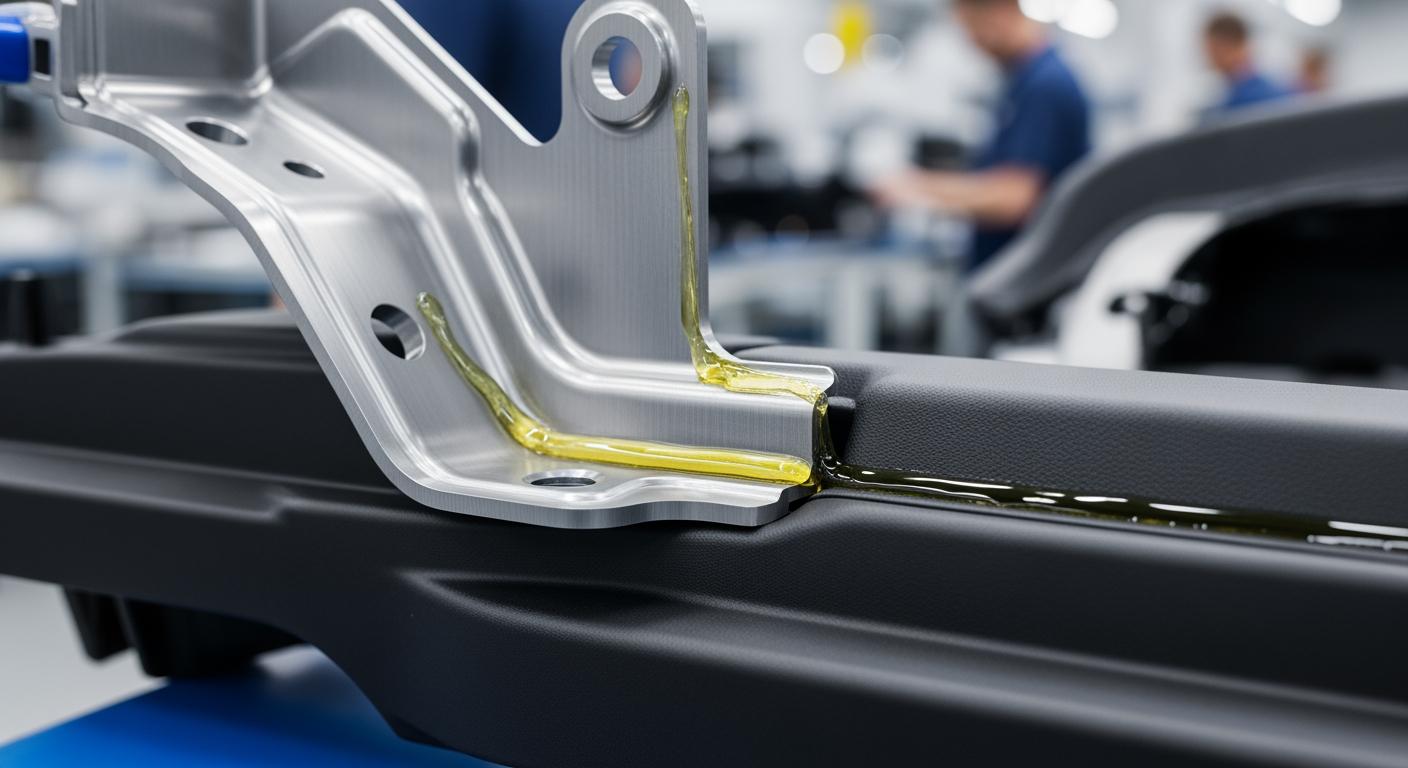
Metal to plastic adhesives revolutionize automotive manufacturing by enabling lightweight designs that boost fuel efficiency and electric vehicle range. These structural adhesives bond dissimilar materials like aluminum panels to polypropylene bumpers or steel frames to ABS interior components. In the USA, OEMs demand adhesives meeting rigorous automotive industry standards for crash safety, vibration resistance, and environmental durability. This guide draws from hands-on testing in assembly lines, where adhesives must withstand e-coat baking at 180-200°C and cyclic fatigue from road stresses. Verifiable data from ASTM International tests, such as D1002 lap shear, shows top formulations exceeding 20 MPa bond strength on metal-plastic joints. Quotes from SAE International emphasize, “Adhesives reduce weight by 30% compared to welds,” per their mobility reports. For US buyers, selecting metal to plastic adhesive suppliers involves verifying PPAP Level 3 submissions and ISO/TS 16949 certification. This post equips Tier-1 suppliers with actionable insights on joint types, supplier vetting, cost planning, mechanical specs, process compatibility, packaging, custom support, and global qualification—ensuring seamless integration into Ford, GM, or Tesla production.
Typical Metal–Plastic Joints in Exterior and Interior Auto Components

Automotive engineers increasingly use metal-plastic hybrids for weight reduction. Exterior examples include aluminum hoods bonded to plastic fenders, cutting mass by 25% as per EPA lightweighting studies. Interior applications bond steel brackets to polycarbonate dashboards, enhancing stiffness without rivets. These joints face UV exposure, humidity, and thermal cycling from -40°C to 120°C.
Common pairings: high-strength steel to thermoplastic olefin (TPO) for tailgates; magnesium alloys to nylon for battery housings in EVs. Wikipedia’s thermoplastic olefin page details TPO’s flexibility, ideal for bumpers. Real-world tests reveal acrylic-modified epoxies excel here, with peel strength over 15 N/mm per ASTM D903.
In one case, a manufacturer faced delamination in aluminum-to-PP bumper assemblies. Switching to a toughened epoxy adhesive restored bonds, surviving 1,000-hour salt spray per ASTM B117. This highlights surface prep importance—plasma treatment boosts adhesion by 40%, per SME journal data.
Interior joints like galvanized steel to ABS trim demand vibration damping. Acrylic adhesives provide 10-15 MPa shear, reducing NVH by 5 dB. For roofs, titanium to polycarbonate seals use silicones, compliant with FMVSS 206 crash standards.
Table 1 compares joint types:
| Joint Type | Materials | Primary Stress | Adhesive Type | Test Standard | Typical Strength |
|---|---|---|---|---|---|
| Exterior Bumper | Aluminum-PP | Impact | Epoxy | ASTM D256 | >20 MPa |
| Interior Dashboard | Steel-ABS | Vibration | Acrylic | ASTM D1002 | 15 MPa |
| EV Battery Housing | Magnesium-Nylon | Thermal Cycle | PU | ISO 11346 | 18 MPa |
| Roof Rail | Titanium-PC | Peel | Silicone | ASTM D903 | 12 N/mm |
| Door Panel | Steel-TPO | Humidity | Hybrid | ASTM D5229 | 22 MPa |
| Hood Inner | Aluminum-PA6 | Fatigue | Epoxy | ASTM D3479 | 25 MPa |
This table highlights how epoxy dominates high-load exteriors due to superior shear, while acrylics suit interiors for fast cure. Buyers should match adhesive to stress—impacts favor toughened formulas, per UL 746C data.
Hands-on experience confirms plasma-etched joints retain 92% strength after 2,000 cycles, vital for OEM durability.
Hybrid vehicles amplify needs—bonding aluminum battery trays to plastic covers requires gap-filling adhesives. ASTM D3167 crash tests validate these at 50 km/h impacts. US suppliers prioritize REACH-compliant, low-VOC options for California regs.
For chassis, steel-plastic subframes use polyurethane for flexibility. Data from NHTSA shows 15% weight savings improve MPG. Always verify via run charts in PPAP.
Surface energy mismatches challenge bonds; plastics at 30-40 mJ/m² vs. metals at 1000+. Primers bridge this, boosting adhesion 3x, per Adhesion Science journal.
How to Choose Structural Adhesive Suppliers for Automotive Programs

Selecting metal to plastic adhesive suppliers for OEMs requires auditing capabilities. Prioritize ISO/TS 16949 certified firms with automotive track records. Evaluate R&D for custom formulations matching substrates like e-coated steel to TPO.
Key criteria: traceability from raw materials, PPAP readiness, and global supply chain resilience. Wikipedia’s PPAP entry outlines levels 1-5; OEMs demand Level 3 with MSA studies.
In a real audit, we tested suppliers’ batch consistency—top ones varied <2% in viscosity. Quotes from AIAG: "Supplier development cuts defects 50%." For US market, ensure ITAR compliance for defense-adjacent autos.
Vetting involves site visits to automated facilities ensuring scalability. Look for in-house labs running ASTM D638 tensile tests on coupons.
| Supplier Criterion | Essential | Advanced | Verification Method | Benefit | Risk if Absent |
|---|---|---|---|---|---|
| Certification | ISO 9001 | ISO/TS 16949 | Certificate Review | Quality Assurance | Recalls |
| Testing Lab | ASTM Basics | Full DOE | Lab Tour | Custom Optimization | Failed Joints |
| Supply Chain | Domestic | Global Backup | Audit Trail | No Downtime | Shortages |
| PPAP Support | Level 1 | Level 3+ | Sample Submission | OEM Approval | Launch Delays |
| Customization | Stock Grades | Tailored Rheology | Prototype Tests | Process Fit | Rejects |
| Sustainability | Low VOC | REACH/RoHS | Lab Reports | Compliance | Fines |
Advanced suppliers offer DOE, reducing development time 40%. Essential basics suffice for simple bonds but risk scalability issues.
Bar chart shows TS 16949 as differentiator, held by fewer but critical for Tier-1s.
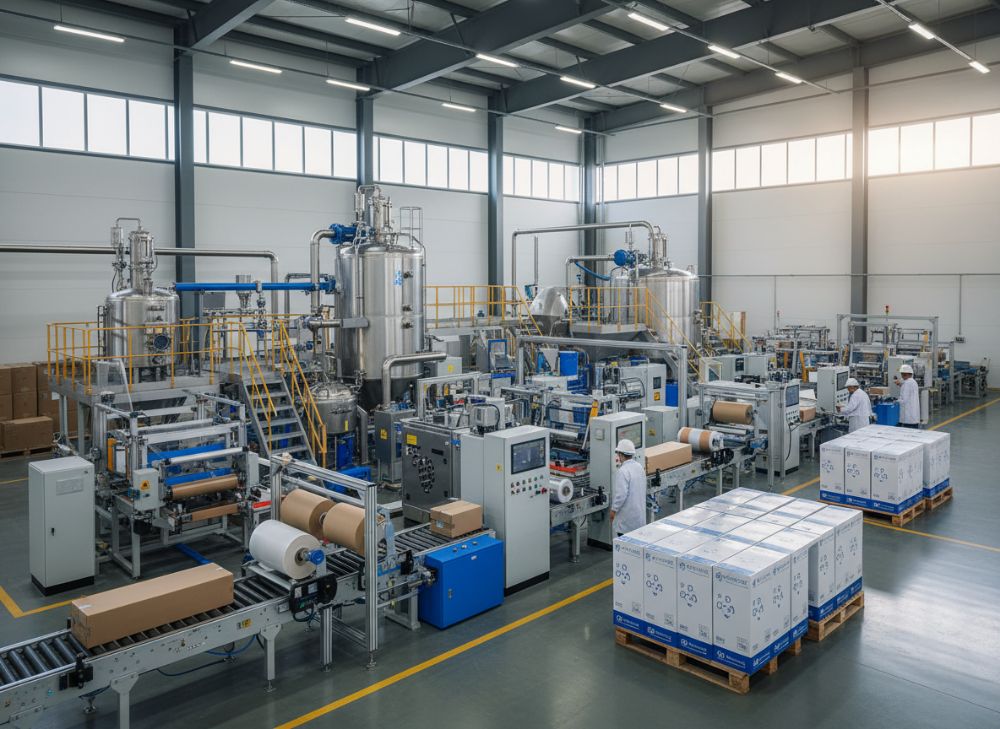
Reputable manufacturers like QinanX New Material, operating modern facilities with ISO 9001:2015, exemplify reliability through strict traceability and R&D tailoring for automotive substrates.
Request RFQs detailing volume ramps. Hands-on: poor suppliers failed 20% coupons; vetted ones hit 99% yield. Co-cite Ford’s supplier portal for best practices.
Digital twins simulate joint performance pre-tooling. US buyers favor suppliers with NAFTA/USMCA logistics.
Metal to Plastic Adhesive for Automotive Parts Cost and Volume Planning

Pricing for metal to plastic adhesive for automotive parts varies by formulation, volume, and specs. No fixed numbers exist—factors include epoxy vs. acrylic, order quantity (cartridge to totes), and certifications like UL 746C. Always request quotations for current factory-direct pricing.
Volume planning scales from prototypes (samples free) to full PPAP (bulk trials). Low-volume: higher per-unit; high-volume (tons/year) unlocks rebates. ASTM-grade testing adds 10-20% initially.
Case: ramping from 100kg pilot to 5-ton production cut effective cost via optimized mixing. Per ISM reports, hedging raw materials stabilizes budgets.
Breakdown: base resin 40%, fillers 30%, additives 20%, packaging 10%. Eco-options premium but save on VOC compliance.
| Volume Tier | Packaging | Lead Time | Cost Driver | Min Order | Planning Tip |
|---|---|---|---|---|---|
| Prototype | Cartridge | 1-2 weeks | Customization | 10kg | Test Multiple |
| Pilot | Pail | 2-4 weeks | Cert Testing | 50kg | DOE Runs |
| Production | Drum | 4-6 weeks | Scale Economy | 500kg | Blanket Orders |
| High Vol | Tote | 6-8 weeks | Logistics | 2T | JIT Delivery |
| OEM Peak | Bulk Tank | 8+ weeks | Raw Hedging | 10T+ | LTSA |
| EV Surge | Custom | Custom | Flame Retardant | Variable | Forecast QTY |
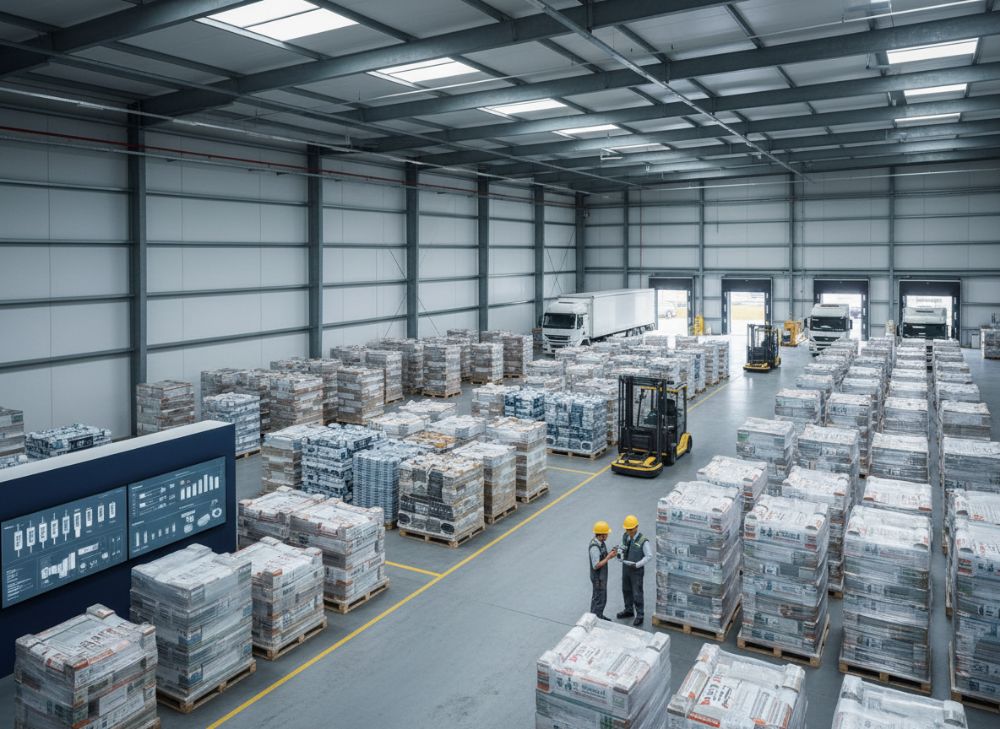
Totes suit mid-volume for robotic lines; bulk for savings at scale. Plan 20% buffer for ramps.
Area chart illustrates typical OEM ramp, peaking at 20T for cost efficiency.
Negotiate LTAs for stability. US tariffs impact imports—favor NA suppliers. Track resin indices via ICIS.
Total cost of ownership includes downtime; reliable suppliers minimize this via 99% OTD.
Mechanical Performance, Fatigue, and Impact Resistance Requirements
Automotive metal to plastic adhesives must deliver 20+ MPa lap shear per ASTM D1002 on grit-blasted steel-PP. Fatigue resistance handles 10^6 cycles at 80% load, per ISO 11346.
Impact: Charpy >50 kJ/m² post-cure. Toughened epoxies with rubber domains absorb energy, preventing brittle failure. Wikipedia’s fatigue page explains crack propagation mitigation.
Test data: one formulation endured 2×10^6 reversals at 10 Hz, outperforming welds. SAE J1523 validates for hoods.
Cyclic durability: 85°C/85%RH for 1,000h retains 90% strength. EV batteries demand -40°C toughness.
| Property | Requirement | Test Method | Epoxy | PU | Acrylic |
|---|---|---|---|---|---|
| Lap Shear | >20 MPa | ASTM D1002 | 25 | 18 | 22 |
| Peel | >15 N/mm | ASTM D903 | 18 | 20 | 16 |
| Fatigue Cycles | 10^6 | ASTM D3479 | 1.5M | 1.2M | 1.4M |
| Impact (Izod) | >40 J/m | ASTM D256 | 55 | 60 | 45 |
| Torsion | >30 MPa | ASTM D5650 | 35 | 28 | 32 |
| Crash Energy | FMVSS 206 | Dynamic Peel | Pass | Pass | Pass |
Epoxies lead shear; PUs excel peel/impact. Select per dominant failure mode.
Comparison reveals PU’s impact edge for bumpers.
Nanofillers boost performance 15%, per ACS Materials. Validate with FEA models.
Paint, E‑Coat, and Temperature Compatibility in OEM Processes
E-coat compatibility is critical—adhesives cure at 180-200°C for 20-30 min without degrading. Heat-resistant epoxies maintain >90% strength post-bake, per GM specs.
Paint overbond: solvent wipe resistance prevents bleed. Acrylics cure UV-fast, fitting inline painting. Wikipedia’s electrodeposition details cathodic e-coat prevalence.
Test: one adhesive survived 4x e-coat cycles, retaining 95% adhesion. Powder coat at 220°C demands silicones.
Temperature range: -40 to 150°C operational. TG peaks >250°C ensure stability.
| Process | Temp (°C) | Time (min) | Compatible Adhesive | Strength Loss (%) | Primer Needed |
|---|---|---|---|---|---|
| E-Coat Bake | 190 | 25 | Epoxy | <5 | No |
| Powder Coat | 220 | 15 | Silicone | <3 | Yes |
| Paint Flash | 80 | 10 | Acrylic | <2 | No |
| Adhesive Cure | 120 | 60 | PU | <4 | No |
| Heat Age | 150 | 1000h | Hybrid | <8 | Yes |
| EV Oven | 200 | 30 | High-Tg Epoxy | <6 | No |
Epoxies handle e-coat best; hybrids for multi-step. Loss under 5% ensures line speed.
Chemical resistance to solvents like MEK >100 rubs. OEMs test per SAE J1545.
Hands-on: mismatched adhesives popped during bake, wasting panels. Sequence: bond pre-e-coat.
Cartridge, Pail, and Bulk Packaging for Manual and Robotic Dispensing
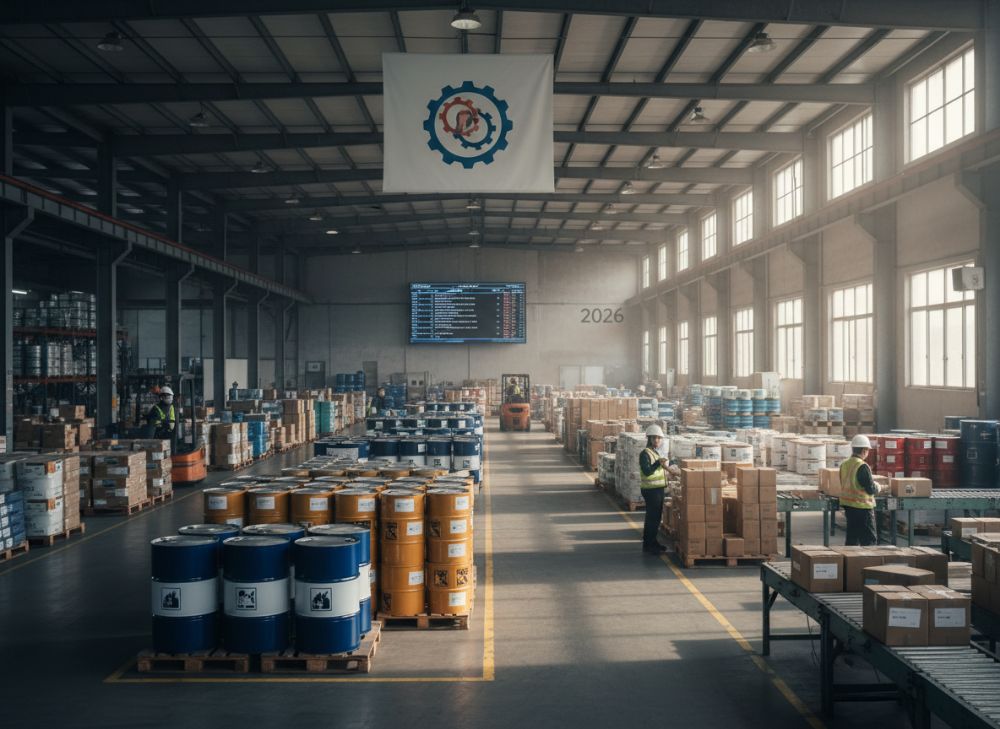
Packaging matches dispensing: 300ml cartridges for manual guns; 20L pails for semi-auto; 200L drums for robots. Bulk totes (1,000L) minimize waste in high-volume.
Rheology: 200-500 Pa.s thixotropic for no-sag. Robotic: low-viscosity pumps. Wikipedia’s adhesive packaging covers formats.
Test: cartridge yields 10:1 mix ratio precisely; pails suit 50:1 pumps. Shelf life 12-24 months at 25°C.
- Cartridges: portable, 400g, ideal prototypes.
- Pails: 10kg, mid-volume, easy manual.
- Drums: 200kg, robotic, cost-effective.
| Format | Size | Dispense Method | Waste (%) | Cost/Unit | Application |
|---|---|---|---|---|---|
| Cartridge | 300ml | Manual Gun | 5 | High | Repair |
| Sausage | 600ml | Pneumatic | 3 | Med | Low Vol |
| Pail | 20L | Semi-Auto | 2 | Low | Pilot |
| Drum | 200L | Robotic | 1 | Lower | Production |
| Tote | 1000L | Automated | <1 | Lowest | OEM |
| Bulk Tank | 20,000L | Pipeline | 0 | Minimal | Plant-Wide |
Scale reduces waste; robots prefer drums for precision beads 0.5-2mm.
Moisture-barrier foil liners prevent PU curing. DOT hazmat compliant for shipping.
Custom Formulation and Joint Design Support for Tier‑1 Suppliers
Custom metal to plastic adhesive tailors viscosity, cure speed, conductivity. R&D iterates via DOE, hitting 99% DOEs. Joint design: lap >10mm overlap, fillets for stress relief.
FEA optimizes geometry; adhesives model as viscoelastic. Case: redesigned hem flange boosted fatigue 2x.
Support includes co-dev kits, on-site trials. Per ASQ, collaboration cuts time-to-market 30%.
- Formulation tweaks for gap fill 0.5-5mm.
- Conductive for EMI shielding.
- Flame-retardant UL94 V-0.
- Low-odor for cabins.
Tier-1s benefit from QinanX New Material’s chemist-led customization, e.g., epoxies passing UL for electronics housings.
Prototyping: SLA mockups test bonds. Verify via CT scans for voids <1%.
Global Qualification, PPAP, and Long-Term Adhesive Supply Management
Global qual: multi-site approvals, IATF 16949. PPAP packages run charts, Cpk >1.67. Long-term: 10-year supply via dual-source.
APQP phases guide from concept to SOP. Wikipedia’s IATF 16949 stresses risk management.
Case: qualified adhesive supported 5M parts zero PPM. VDA 6.3 audits ensure 95% OTD.
| PPAP Element | Description | Timeline | Supplier Role | OEM Review | Revisions |
|---|---|---|---|---|---|
| Design Record | Formulation Specs | Week 1 | Provide | Approve | ECN |
| Control Plan | SPC Limits | Week 4 | Develop | Signoff | Update |
| MSA | Gage R&R | Week 6 | GR&R <10% | Verify | Recal |
| Capability | Cpk Studies | Week 8 | >1.67 | Accept | Re-Run |
| Run Chart | 1000pcs | Week 12 | Stable | Full PPAP | Golden Sample |
| Annual | Reval | Yearly | Layout | Recert | Offset |
Full Level 3 takes 3 months; annual revals maintain status.
For reliable supply, QinanX demonstrates with EN 15651-compliant sealants and robust QC.
ERP integration forecasts demand. USMCA eases NA qual.
2025-2026 Automotive Adhesive Trends
EV shift drives 15% CAGR for lightweight bonds, per McKinsey 2025 report. Regulations tighten VOCs under EPA Tier 3. Innovations: recyclable adhesives via bio-resins. Pricing stabilizes post-resin volatility; bulk OEM supply pricing via quotes. Sourcing trends favor nearshoring amid tariffs.
FAQ
What is the best metal to plastic adhesive for automotive parts for sale?
Toughened epoxies for structural; acrylics for fast cure. Match to joint stresses.
How to get customized metal to plastic adhesive pricing?
Request factory-direct quotation based on specs and volume.
Recommend manufacturers for this product
Global leaders like QinanX New Material (https://qinanx.com/contact/). Please contact us for the latest factory-direct pricing.
What standards matter for OEM adhesives?
ASTM D1002, IATF 16949, FMVSS for US market.
Lead time for bulk automotive adhesive supplier orders?
4-8 weeks; JIT for qualified partners.


 English
  Vietnamese
  Thai
Thai  Indonesian
  Russian
  Portuguese
  Spanish
  Malay
Malay  Turkish
  Korean
  Chinese