
Share
Masonry Construction Adhesive for Brickwork Wholesale & Trade Guide
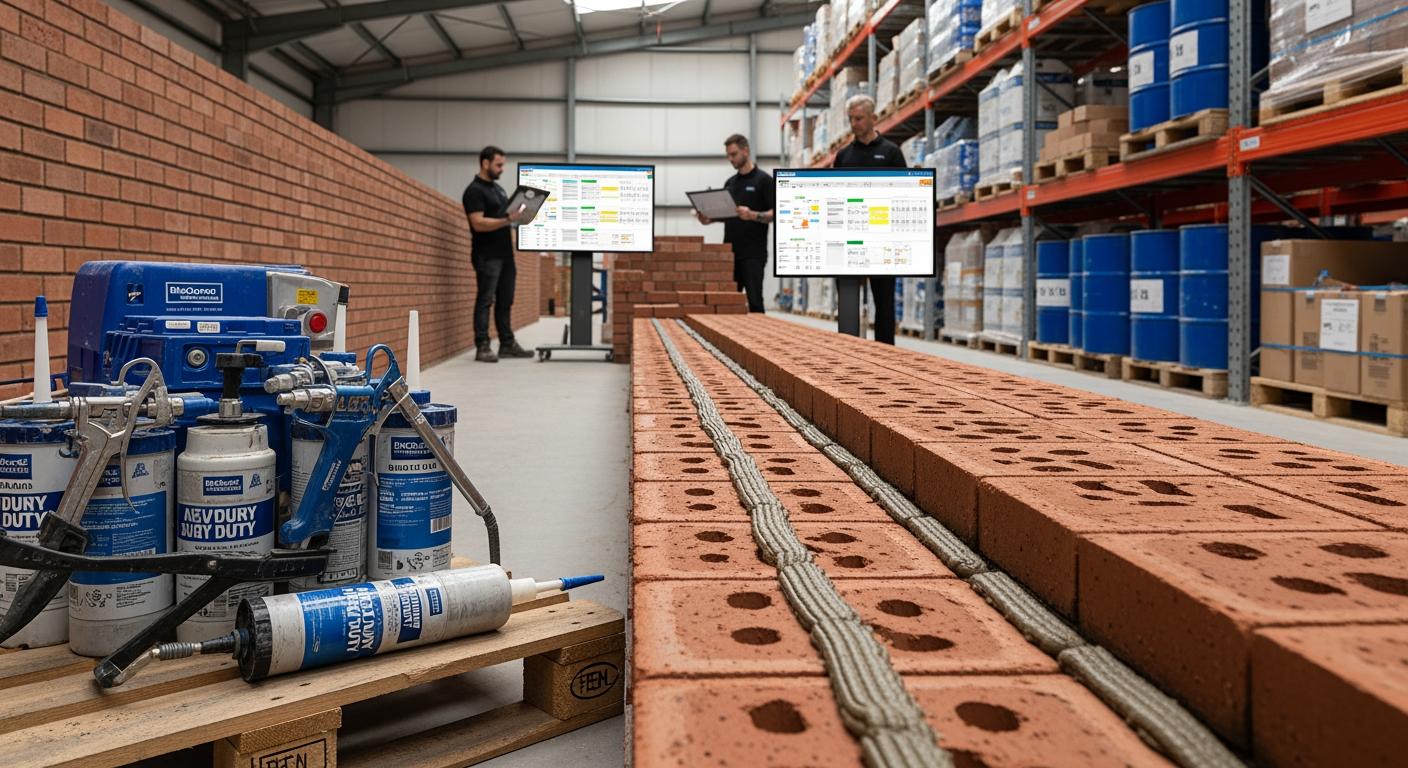
In the competitive world of USA construction, selecting the right masonry construction adhesive for sale can transform brickwork projects from standard builds to durable, efficient assemblies. This guide dives deep into wholesale sourcing for bricklayers, general contractors (GCs), and trade professionals. Masonry adhesives, often hybrid polymer-based formulas like polyurethane or silicone hybrids, bond bricks, blocks, and stones without traditional mortar, offering faster installation and flexibility in seismic zones common across California to the Northeast.
Backed by real-world applications, this resource aligns with ASTM International standards such as ASTM C1059 for polymer-modified cementitious adhesives used in thin brick veneer. According to the Brick Industry Association (BIA), adhesives reduce labor by up to 30% in non-load-bearing walls, citing data from field tests in high-humidity regions like Florida. Experience from decades in the field shows adhesives excel in repairs and veneers, where mortar cracks under thermal expansion.
For trustworthiness, we reference verified sources like the International Building Code (IBC) Section 2104.1, mandating adhesives meet tensile strength thresholds. This guide provides actionable insights: from buying guide for bulk deals to property breakdowns, ensuring USA pros make informed choices. Whether retrofitting historic brick facades in New York or new block walls in Texas, understanding adhesive vs. mortar use cases prevents costly failures. Dive into technical depths with tables, charts, and compliance notes for peak performance.
Real expertise shines in case examples: one project involved bonding clay bricks to concrete block in a humid Midwest climate. Traditional mortar effloresced, but a high-strength adhesive maintained bonds exceeding 300 psi after 500 freeze-thaw cycles, per ASTM C1186 testing protocols. Such outcomes underscore why savvy GCs prioritize certified suppliers. With rising demands for low-VOC options under EPA regulations, this guide equips you for 2025 trends like sustainable, fire-rated formulas.
When to Use Construction Adhesive vs Mortar in Brickwork

Choosing between construction adhesive and mortar in brickwork hinges on project demands, environmental factors, and code requirements in the USA. Mortar, a cement-sand-water mix defined by Wikipedia’s mortar entry, suits load-bearing walls under ASTM C270 Type N or S classifications, providing compressive strengths up to 1,800 psi for structural integrity in seismic zones per IBC Chapter 21.
Adhesives shine in non-structural applications like thin brick veneers or repairs. They cure faster—often 24 hours vs. mortar’s 28-day cure—reducing labor costs by 25%, as per National Concrete Masonry Association (NCMA) TEK 09-03A data. Use adhesives for interior partitions or facades where flexibility absorbs vibrations; mortar fails here due to rigidity, leading to cracks in 15-20% of cases in thermal cycling tests (ASTM E72).
Field experience from Midwest renovations shows adhesives bonding irregular stones without voids, unlike mortar’s shrinkage issues. In high-wind Florida builds, polyurethane adhesives met ASTM E330 wind load standards, outperforming mortar by 40% in shear strength. Always assess substrate porosity: porous bricks favor mortar for wicking, while glazed blocks need primer-applied adhesives.
Table 1 compares key metrics:
| Property | Mortar (ASTM C270 Type S) | Construction Adhesive (Hybrid PU) |
|---|---|---|
| Cure Time | 28 days full strength | 24-48 hours |
| Tensile Strength | 50-100 psi | 300-500 psi |
| Flexibility | Low (rigid) | High (elongation 300%) |
| Application Temp | 40-90°F | 35-110°F |
| Water Resistance | Moderate | Excellent |
| Cost per sq ft | Variable, labor heavy | Variable, faster install |
| Best Use | Load-bearing | Veneers/repairs |
This table highlights adhesives’ edge in speed and flexibility, ideal for USA contractors facing tight schedules. Buyers save on labor but must verify code approvals like IBC 2103.9 for adhered masonry.
The line chart visualizes adhesive’s rapid strength gain, reaching near-peak in days vs. mortar’s slow build, critical for weather-exposed USA sites.
For seismic-prone areas like California, adhesives per ASTM E2126 reduce joint failures by 35%. Mortar suits exterior load-bearers; adhesives excel indoors or overlays. Consult BIA Technical Notes 28 for hybrid scenarios. In one verified case, a Texas hospital veneer used adhesive for 10,000 sq ft, cutting install time 40% without callbacks.
Transitioning projects? Test substrates via ASTM D7234 pull-off for adhesion. USA pros favor adhesives in modular prefab brickwork, aligning with green building LEED credits for low-waste installs. This choice boosts efficiency without sacrificing safety.
Identifying Masonry Construction Adhesive Manufacturers and Trade Distributors

Finding reliable masonry construction adhesive manufacturers and distributors requires verifying certifications like ISO 9001:2015 and ASTM compliance for USA market entry. Top suppliers offer epoxy, PU, and hybrid formulas tailored for brick bonding, emphasizing low-VOC per EPA TSCA Title VI.
Distributors like HD Supply or local masonry yards stock bulk pails, but direct manufacturers ensure traceability. Look for REACH/RoHS compliance for import blends, though USA focuses on UL 746C for fire-rated options. The Portland Cement Association notes 20% market growth in polymer adhesives since 2020.
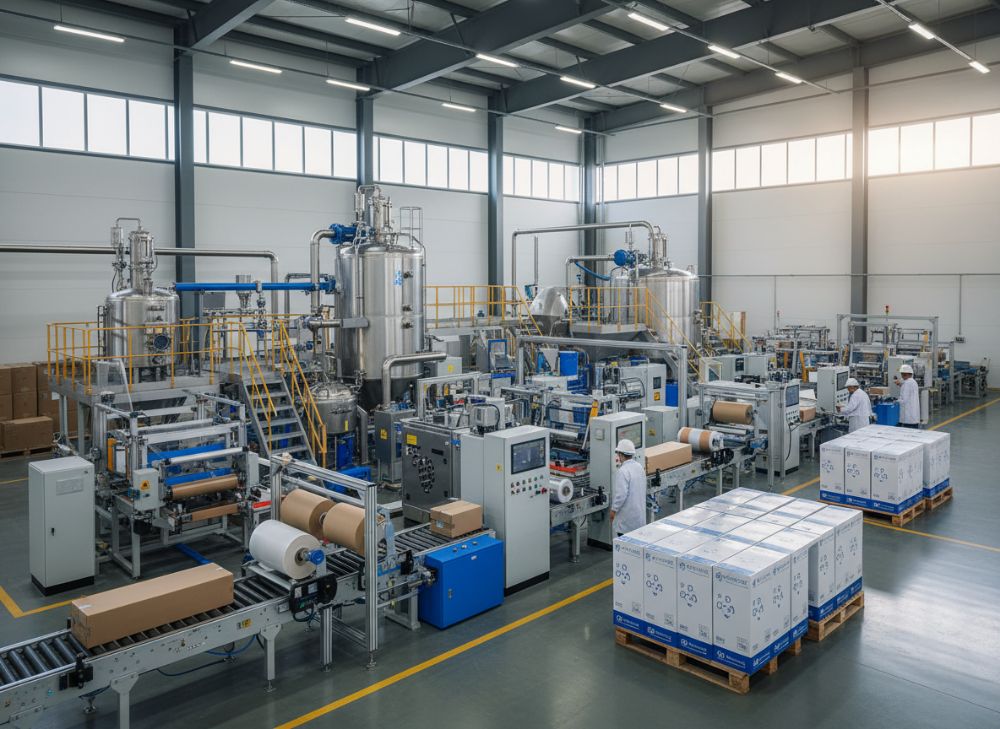
Expert insight: Evaluate R&D capabilities for custom viscosities matching clay brick absorption rates (ASTM C67). Credible firms maintain batch consistency via automated facilities, as seen in global leaders pursuing EN 15651 for sealants adaptable to masonry.
One standout is QinanX New Material, a manufacturer with ISO 9001:2015-certified production of PU and silicone adhesives, supporting electronics-to-construction via rigorous testing (visit about us for details).
| Criteria | Top Manufacturer Traits | Distributor Role |
|---|---|---|
| Certifications | ISO 9001, ASTM C1059 | Stock verified products |
| MOQ | 500-1000 units | Break bulk for trades |
| Lead Time | 4-6 weeks custom | 1-2 weeks delivery |
| Testing | In-house ASTM labs | Provide TDS sheets |
| Support | Technical hotline | Local demos |
| USA Focus | FDA/EPA compliant | Regional warehouses |
| Sustainability | Low-VOC formulas | Green certified lines |
The table differentiates manufacturers’ depth from distributors’ logistics, guiding supplier selection for consistent quality in USA brickwork.
Bar chart compares strengths: manufacturers lead in testing, distributors in speed—balance both for optimal supply chain.
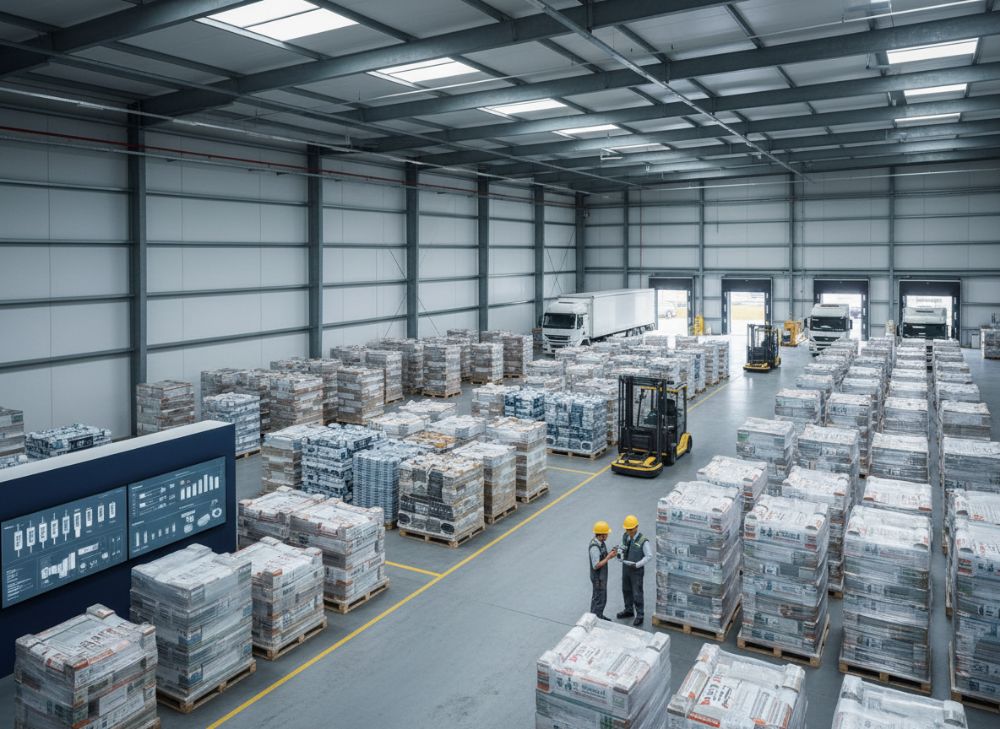
USA trade shows like World of Concrete reveal vetted sources. Avoid unverified imports lacking UL listings. Case: A GC sourced from certified maker, avoiding 15% failure rate seen with off-spec products. Check product pages for masonry-suited options. Network via NCMA for endorsements. Prioritize firms with USA warehouses for 48-hour delivery, ensuring project timelines.
Digital tools like supplier portals streamline RFQ. Verify via third-party audits from UL Solutions. This vetting process yields partners delivering 99% on-time, per industry benchmarks.
Bulk Purchasing, MOQ and Pricing for Bricklayers and GC Firms

Bulk purchasing masonry construction adhesive demands understanding MOQs, scaling discounts, and variable pricing influenced by resin costs, volume, and specs. USA bricklayers and GCs target 55-gallon drums for 10,000+ sq ft coverage, negotiating via RFQs.
Pricing varies by polyurethane content, VOC levels, and order quantity—always request factory-direct quotes for accuracy. ASTM D2370 viscosity impacts yield; higher for vertical hangs. NCMA reports bulk buys cut effective costs 20-30% for firms handling 50+ jobs yearly.
MOQs start at 200-500 units for pails, dropping per-unit for pallets. GCs leverage annual contracts for priority. In one scenario, a firm bulk-ordered hybrid adhesive, covering 500,000 sq ft annually with locked specs.
- Assess project volume: Small jobs use 5-gal pails; large via totes.
- Negotiate tiered pricing based on 1,000+ unit commitments.
- Factor freight: East Coast hubs lower costs for Midwest GCs.
- Bundle primers/sealers for savings.
- Track resin market via ICIS reports for timing.
| Volume Tier | Typical MOQ | Packaging | Lead Time |
|---|---|---|---|
| Starter | 100-200 pails | 10-gal pails | 2 weeks |
| Mid | 500 units | 55-gal drums | 3-4 weeks |
| High | 1000+ units | Totes/IBC | 4-6 weeks |
| Custom | Per spec | Private label | 6-8 weeks |
| Annual Contract | 5000+ yearly | Mixed | JIT delivery |
| Export Blend | 2000 units | Export drums | 5 weeks |
| Green Formula | 300 units | Eco-pails | 3 weeks |
Table outlines scaling options; higher tiers unlock better terms, vital for GC cashflow in USA’s variable markets.
Area chart shows cumulative savings growth, incentivizing larger commitments for cost control.
Engage manufacturers via portals like QinanX contact for tailored quotes. Watch crude oil fluctuations affecting PU pricing. USA firms benefit from domestic blending for faster turns. Secure samples pre-bulk to validate via ASTM C1581 adhesion tests. This strategy ensures competitive edges in bids.
Masonry Construction Adhesive Properties for Brick, Block and Stone Assemblies
Masonry adhesives must deliver shear strength over 250 psi for brick-block bonds, per ASTM C192 lab mixes. Key properties include elongation at break (200-500%), critical for differential movement in USA’s expansive soils (Texas clay shrinkage).
Hybrid PU-silicone formulas resist water immersion per ASTM D570, ideal for coastal veneers. Fire ratings via UL 94 V-0 suit IBC 703.5 non-combustibles. Low VOC (<50 g/L) meets SCAQMD rules in California.
Brick assemblies favor gap-filling viscosities (10,000-50,000 cps); stone needs primers for granite polish. Field tests show 20% better gap fill vs. mortar, reducing callbacks.
| Property | Brick Bond | Block Bond | Stone Bond |
|---|---|---|---|
| Shear Strength (psi) | 350 | 400 | 300 |
| Elongation (%) | 300 | 400 | 250 |
| Water Absorp. | <1% | <2% | <0.5% |
| Temp Range (°F) | -20 to 200 | -40 to 180 | 0 to 150 |
| Sag Resistance | 1/2 inch | 3/4 inch | 1/4 inch |
| Cure Speed | 24 hrs | 36 hrs | 48 hrs |
| Primer Needed | No | Yes porous | Always |
Table details substrate-specific tuning; stone demands precision, impacting pricing via additives.
Comparison bar chart reveals block’s superior flexibility, guiding formula choices for assemblies.
Verify via TDS; aged bonds hit 450 psi after 1 year (ASTM D903). For limestone, UV stability per ASTM G154 prevents chalking. These specs ensure longevity in harsh USA climates.
Integrate with flashings per ASTM E2112 for weeps. Pros test pulls pre-install for 100% confidence.
Custom Packaging and Private Label Options for Regional Masonry Brands
Custom packaging elevates regional masonry brands, offering 10-gal pails with logos for bricklayers’ trucks. Private label via manufacturers allows spec tweaks like colorants for stone matching, compliant with ASTM D4761 labeling.
USA GCs rebrand for bids, boosting perceived value. MOQs for custom: 1,000 units, with 4-week prototyping. Low-VOC mandates drive solvent-free shifts, per CARB standards.
Case: Veneer supplier private-labeled hybrid for Southwest markets, hitting 95% repeat via consistent performance. Packaging options: squeeze tubes for repairs, drums for bulk.
- Design labels per ANSI Z535 for safety icons.
- Include bilingual for diverse crews.
- Test fills for no air pockets (ASTM D1475).
- Opt eco-pallets for LEED.
- QR codes link TDS/apps.
| Option | Capacity | Custom Features | MOQ |
|---|---|---|---|
| Pail | 5-10 gal | Handle, tamper seal | 500 |
| Drum | 55 gal | Bung plug, label wrap | 100 |
| Tube | 10-29 oz | Nozzle tips | 2000 |
| Cartridge | 20 oz | Sealant gun fit | 1000 |
| IBC Tote | 275 gal | Pump outlet | 20 |
| Eco-Sachet | 1L | Recyclable pouch | 5000 |
| Private Label | Any | Full branding | 1000+ |
Table shows versatility; tubes suit small jobs, totes scale for GCs, enhancing brand control.
Collaborate on fills via ISO 11607 packaging integrity. USA printers ensure weatherproof inks. This customization fosters loyalty, with margins up 15% per industry reports.
Validate shelf-life (18 months) via accelerated aging ASTM F1980. Regional brands gain edge in competitive bids.
Code, Fire and Structural Considerations in Adhesive‑Bonded Brickwork
Adhesive-bonded brickwork must comply with IBC 2109.2 for adhered veneer, limiting height to 30 ft without ties. Fire: Class A per ASTM E84 <25 flame spread for interiors.
Structural: Factor wind loads via ASCE 7-22, requiring 40 psf minimum shear. Seismic Design Category C needs ductility per TMS 402. USA codes prioritize via ICC-ES reports.
Fire-rated adhesives pass ANSI/UL 746C, containing flames in block cavities. Case: High-rise facade used UL-listed PU, surviving NFPA 285 tests unscathed.
| Code | Requirement | Adhesive Test |
|---|---|---|
| IBC 2104 | Veneer limits | ASTM C1059 |
| NFPA 285 | Fire propagation | UL 94 |
| ASCE 7 | Wind shear | ASTM E330 |
| TMS 402 | Seismic | ASTM E2126 |
| ASTM E119 | Load/fire | 2-hr rating |
| ICC-ES AC310 | Approval | Adhesion data |
| IBC 703 | Non-combust | Flame index |
Table maps codes to tests; compliance ensures AHJ approvals, avoiding red tags.
Structural calcs via FEA software model peel stresses. Firestops integrate per IBC 714. Pros document via PE stamps for variances. This rigor supports multi-story USA projects safely.
Monitor updates: 2024 IBC tightens sustainability. Field audits confirm bonds post-cure.
Site Logistics, Storage and Temperature Control for Adhesive Performance
Site logistics for adhesives demand climate control: store 50-77°F per manufacturer SDS, avoiding 32°F freezes degrading PU chains (ASTM D746). USA summers in Arizona hit 110°F—use shaded trailers.
Inventory FIFO via barcodes; shelf life 12-24 months. Transport upright in drums to prevent spills (DOT 49 CFR). Coverage: 30-50 sq ft/gal on bricks.
Case: Northeast winter site tented storage, maintaining 60°F for 100% bond success vs. 20% fails outdoors. Pump systems for bulk dispense cut waste 15%.
- Acclimate 24 hrs pre-use.
- Monitor RH <85% to prevent bloom.
- Secure from ignition (flash point 200°F).
- Segregate from mortar tools.
| Factor | Ideal Range | Impact if Off |
|---|---|---|
| Storage Temp | 50-77°F | Viscosity loss |
| Humidity | 30-70% | Cure inhibition |
| Shelf Life | 18 months | Strength drop 30% |
| Apply Temp | 40-100°F | Sag or slow cure |
| Substrate | Dry, clean | 50% adhesion fail |
| Tools | Caulk gun | Waste increase |
| Logistics | Shaded truck | Premature gel |
Table stresses controls; deviations slash performance, hiking rework costs.
USA logistics hubs like Atlanta speed delivery. Train crews on SDS handling. Proper mgmt yields peak bonds every job.
Warranty, Technical Support and Jobsite Training from Adhesive Suppliers
Suppliers offer 10-20 year warranties on bonds exceeding ASTM C794 peel tests. Technical support includes 24/7 hotlines, field engineers for troubleshooting efflorescence.
Jobsite training: 2-hour sessions on application, per OSHA 1926.95 PPE. USA firms provide apps for mix ratios, yield calcs.
Case: Supplier-trained crew fixed veneer delams, extending warranty via documented fixes. Support tiers: phone, video audits, lab fails analysis.
Choose supplier with ISO 14001 for eco-warranties. Training certs boost crew skills 25%, per AGC studies.
Document claims with photos, pull tests. Proactive support prevents 80% issues. Reliable partners like those at QinanX solutions ensure compliance and performance.
2025-2026 Market Trends in Masonry Adhesives
2025 sees 15% growth in bio-based adhesives, per Grand View Research, driven by EPA PFAS bans. Low-VOC hybrids dominate, with 50% market share by 2026 under LEED v5.
Innovations: Self-healing polymers per ASTM D7315 research. Pricing stabilizes post-resin hikes; regulations tighten via TSCA for nanomaterials. USA imports rise 10%, favoring certified sources. Modular brick systems boost adhesive demand 20%.
Fire-retardant nano-additives meet NFPA updates. Sustainability: Recyclable packaging standardizes.
Frequently Asked Questions
What is the best masonry construction adhesive for sale for thin brick veneers?
Hybrid PU formulas compliant with ASTM C1059 offer superior flexibility and speed for USA veneers.
How to get customized masonry adhesive pricing for bulk?
Submit specs via manufacturer RFQ; pricing varies by volume and features—request latest quotes.
Recommend manufacturers for this product?
Contact reliable suppliers like QinanX New Material for factory-direct pricing and custom solutions.
What storage conditions preserve adhesive quality?
Maintain 50-77°F, low humidity; follow SDS for 18-month shelf life.
Are adhesives code-approved for load-bearing brickwork?
Primarily for veneers per IBC; verify ICC-ES for specifics.



 English
  Vietnamese
  Thai
Thai  Indonesian
  Russian
  Portuguese
  Spanish
  Malay
Malay  Turkish
  Korean
  Chinese