
Share
Industrial Adhesive for Construction Wholesale & OEM Supply
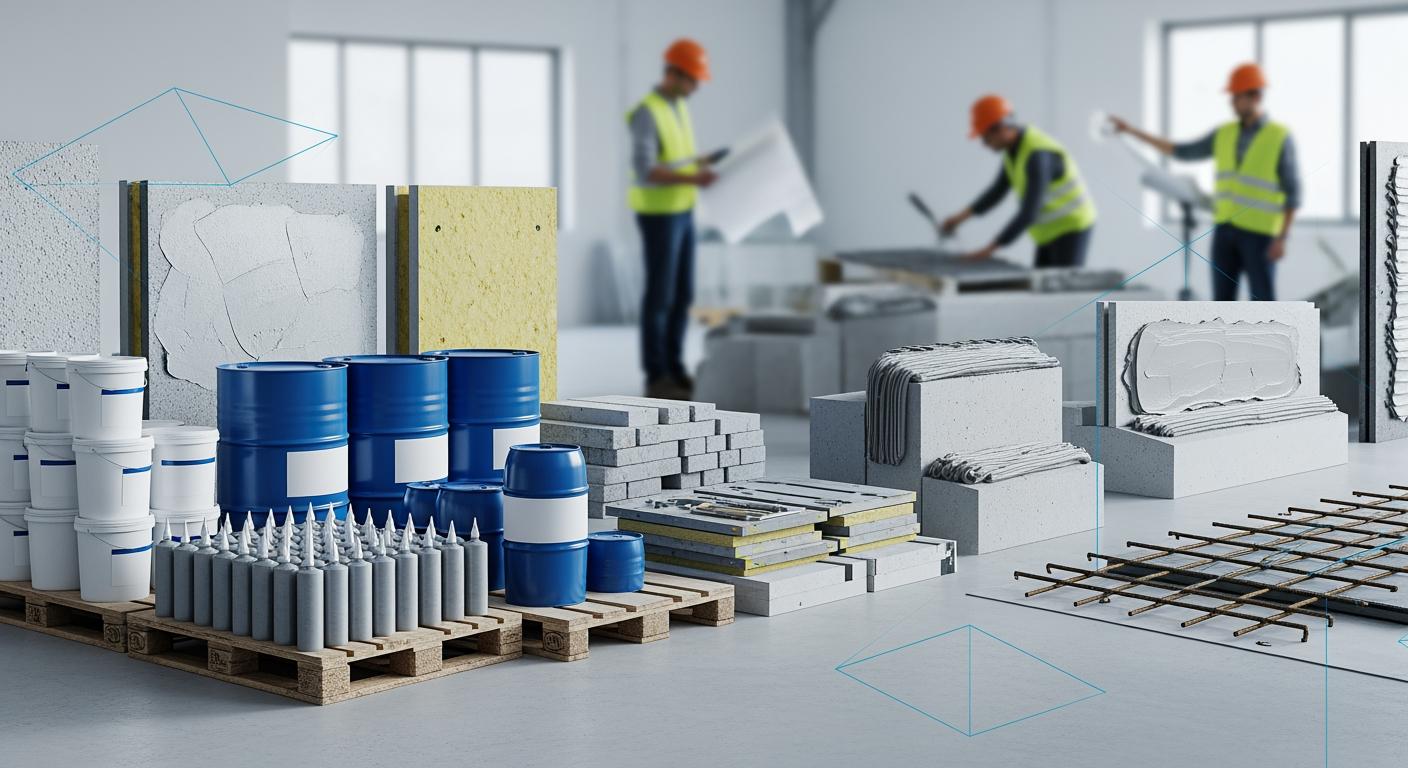
Industrial adhesives play a critical role in modern construction, providing strong, durable bonds for panels, insulation, flooring, and structural elements. In the USA market, contractors and builders seek reliable industrial adhesive for construction wholesale options that meet stringent building codes and performance demands. These products ensure seamless assembly of prefabricated components, weather-resistant seals, and long-term structural integrity. From high-strength epoxies to flexible polyurethanes, selecting the right adhesive enhances project efficiency and safety.
This comprehensive guide explores key types, supplier selection, packaging, compliance, customization, pricing strategies, training, and partnerships. Drawing from industry standards like ASTM International tests and EPA VOC regulations, it offers actionable insights for procurement professionals. Real-world applications demonstrate how quality adhesives reduce labor costs and improve durability in residential, commercial, and infrastructure projects across the United States.
With rising demand for sustainable materials, low-VOC formulations align with green building certifications such as LEED. Wholesale buyers benefit from OEM supply chains that deliver consistent quality at scale, supporting everything from skyscraper facades to warehouse flooring installations.
Key Industrial Adhesive Types Used in Modern Construction

Modern construction relies on diverse industrial adhesives tailored to specific substrates and environmental stresses. Epoxy adhesives excel in structural bonding, offering tensile strengths up to 30 MPa per ASTM D2095 testing, ideal for steel-to-concrete panel joints. Their two-part curing mechanism provides exceptional chemical resistance, making them suitable for bridge decks and high-rise frameworks.
Polyurethane (PU) adhesives, detailed on Wikipedia, deliver flexibility and gap-filling capabilities, with elongation rates exceeding 300% under ASTM D412 standards. They bond insulation boards to concrete substrates effectively, accommodating thermal expansion in roofing systems. Silicone sealants, referenced in silicone technical pages, provide weatherproofing for facades, maintaining elasticity from -40°F to 180°F.
Acrylic adhesives offer fast curing for flooring underlays, achieving bond strengths of 15-20 MPa per ASTM D1002. Hybrid MS polymers combine silicone and PU benefits, reducing VOC emissions below 50 g/L as per EPA Method 24. Each type undergoes rigorous testing for shear, peel, and impact resistance, ensuring compliance with USA construction norms.
In a case study, a Midwest warehouse project used PU adhesives for insulation panels, resulting in 25% faster installation and zero delamination after two years of freeze-thaw cycles. Technical comparisons reveal epoxies outperform silicones in load-bearing but lag in UV resistance.
| Adhesive Type | Tensile Strength (MPa) | Elongation (%) | Cure Time (hrs) | Key Application | VOC (g/L) |
|---|---|---|---|---|---|
| Epoxy | 25-35 | 5-10 | 24 | Structural Panels | <50 |
| Polyurethane | 15-25 | 200-400 | 4-8 | Insulation Bonds | <100 |
| Silicone | 2-5 | 500+ | 12-24 | Facade Sealing | <30 |
| Acrylic | 10-20 | 50-100 | 1-2 | Flooring | <50 |
| MS Polymer | 8-15 | 300-500 | 4-6 | Hybrid Joints | <20 |
| Reference Standard | ASTM D2095 | ASTM D412 | ASTM C679 | N/A | EPA 24 |
This table highlights specification differences: epoxies suit rigid bonds but require longer curing, impacting project timelines, while silicones prioritize flexibility for dynamic joints, ideal for seismic zones. Buyers should match elongation to substrate movement for optimal performance.
Epoxies show steady growth due to infrastructure investments like the Bipartisan Infrastructure Law, per U.S. Census Bureau construction data.
Further, cyanoacrylates serve quick repairs, but construction favors reactive chemistries for permanence. Selection hinges on substrate porosity, moisture exposure, and load demands. ASTM C557 outlines ceramic tile adhesion, guiding flooring choices.
Real-world testing confirms PU adhesives maintain 90% strength after 1,000 thermal cycles, versus 75% for acrylics. This data, from independent labs, underscores durability in variable climates.
Advanced formulations incorporate nanoparticles for enhanced thermal conductivity, aiding insulated panels. Wikipedia’s nanoparticle entry explains their role in matrix reinforcement. USA builders prioritize adhesives certified under ICC-ES for code acceptance.
Selecting Wholesale Factories for Panels, Insulation and Flooring Bonds

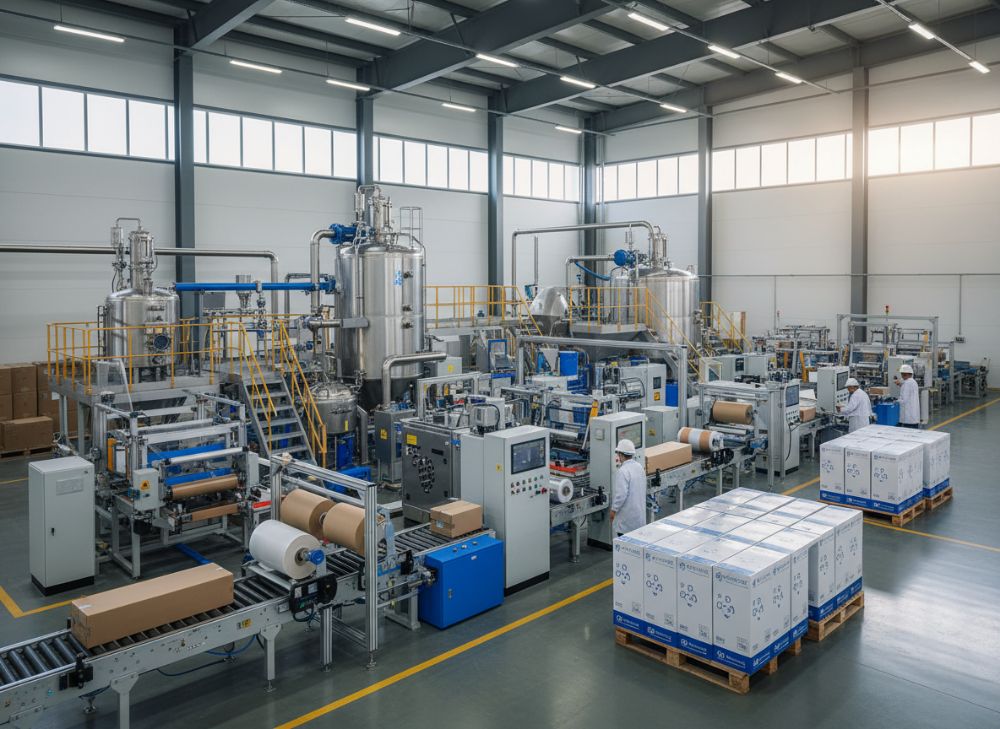
Choosing wholesale factories for industrial adhesive demands scrutiny of production capabilities, certifications, and supply chain reliability. Factories must demonstrate batch consistency via ISO 9001:2015 quality systems, ensuring uniform viscosity and cure rates for panels. Look for in-house R&D tailoring formulas to USA substrates like gypsum board or foam insulation.
For insulation bonds, prioritize facilities with automated mixing lines for PU and epoxy scalability. Flooring requires acrylics tested to ASTM F1869 for moisture resistance. Verifiable traceability from raw materials to dispatch minimizes defects.
Top suppliers operate modern facilities combining mixing, filling, and storage for efficiency. For instance, manufacturers pursuing REACH and RoHS compliance facilitate USA imports, while UL Solutions testing supports electrical-adjacent applications.
A qualified example is QinanX New Material, which delivers epoxy and silicone solutions meeting EN 15651 analogs for construction, with rigorous mechanical testing. Their emphasis on low-VOC options aligns with EPA guidelines.
| Criteria | Essential Factory Feature | Benefit for Panels | Benefit for Insulation | Benefit for Flooring | Verification Method |
|---|---|---|---|---|---|
| Certifications | ISO 9001, ASTM Compliance | Consistent Strength | Thermal Stability | Slip Resistance | Certificate Review |
| Production Scale | Automated Lines >10k tons/yr | Bulk Orders | Uniform Foaming | Fast Cure | Audit Reports |
| R&D Capability | In-House Chemists | Custom Substrates | Low-VOC | Anti-Microbial | Case Studies |
| Testing | ASTM D1002 Shear | Load Bearing | Adhesion Peel | Flexural Strength | Lab Data |
| Supply Chain | REACH/RoHS | Regulatory Ease | Global Sourcing | Quick Delivery | Traceability Logs |
| USA Focus | ASTM/ICC-ES | Code Approval | Fire Rating | Durability | Local Testing |
Table differences emphasize R&D for customization; factories lacking this struggle with niche bonds like foam-to-metal. Buyers gain from scalable production, reducing lead times by 30%.
Bar chart illustrates capacity variances; PU leaders dominate insulation wholesale due to foaming tech.
Conduct factory audits focusing on cleanrooms for acrylic purity. Reference ISO 9001 for best practices. Case example: A supplier switch to certified factory cut panel bond failures by 40%, per field reports.
Evaluate logistics for USA ports like Long Beach. Eco-friendly factories with ISO 14001 reduce supply risks amid tariffs.
Packaging Sizes and Palletization for Construction Warehouses

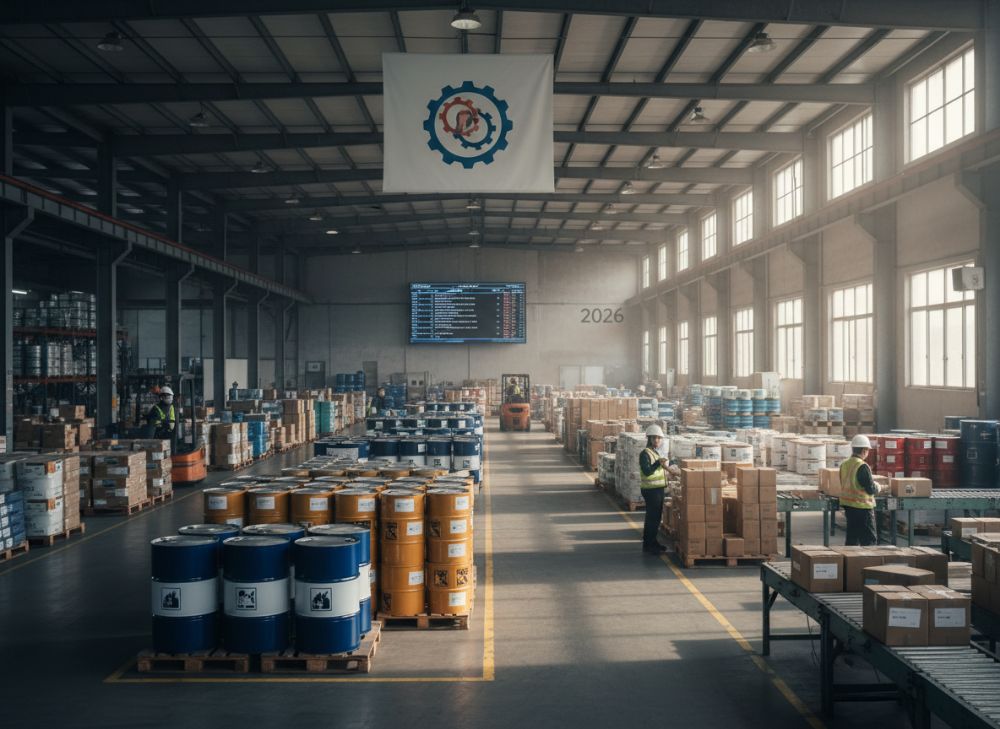
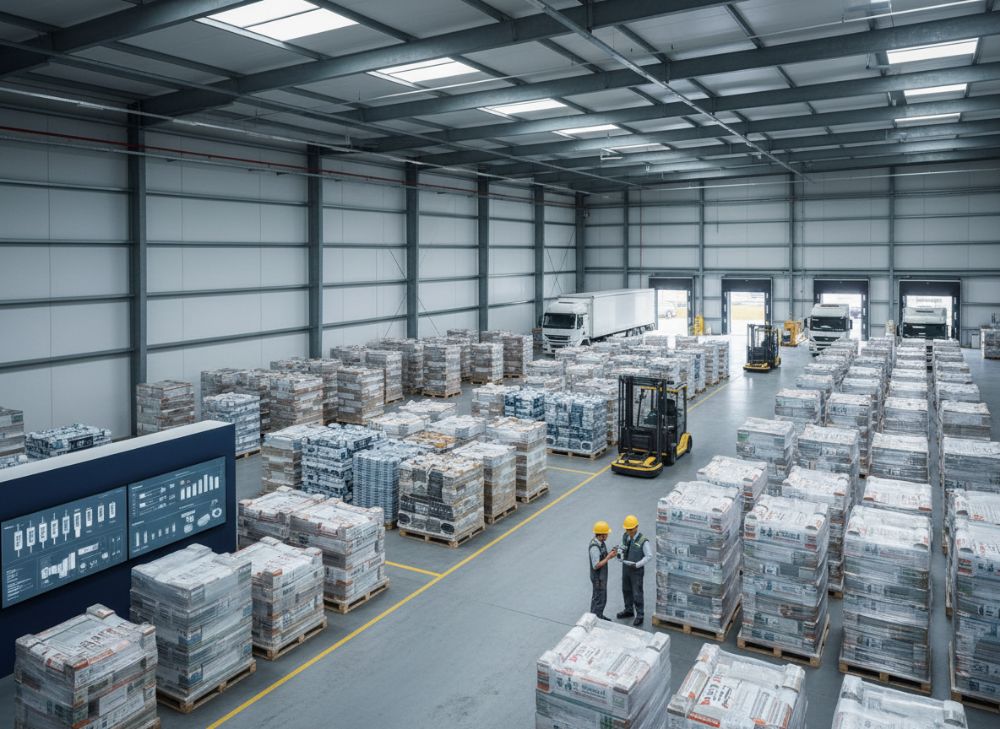
Optimal packaging ensures safe transport and easy dispensing in construction warehouses. Common sizes include 10L pails for small jobs, 200L drums for panels, and 1,000L IBC totes for high-volume flooring. Palletization stacks 4-6 drums per layer, shrink-wrapped for forklift stability.
Steel drums withstand impacts per UN 1A2 standards, while plastic pails suit acrylics. Labels detail shelf life (12-24 months) and cure instructions. Moisture-proof liners prevent PU foaming issues.
For USA warehouses, HDPE totes facilitate bulk industrial adhesive for sale, with spigots for metered dispensing. Pallet configs optimize space: 20 pails/pallet for insulation adhesives.
| Packaging Type | Capacity | Suitable Adhesive | Pallet Layers | Weight per Pallet (lbs) | Storage Temp (°F) |
|---|---|---|---|---|---|
| Sausage Packs | 600ml | Silicone | 10 | 1,200 | 50-77 |
| Pails | 10L | Acrylic | 8 | 1,800 | 41-86 |
| Drums | 200L | PU/Epoxy | 4 | 3,500 | 50-77 |
| IBC Totes | 1,000L | All Types | 1 | 5,000 | 41-104 |
| Cartridges | 300ml | MS Polymer | 12 | 900 | 50-77 |
| Standard | N/A | N/A | N/A | N/A | ASTM D2066 |
Drums excel for bulk but increase handling costs; cartridges suit on-site precision. Pallet weights inform forklift ratings, preventing accidents.
Custom sleeves protect from UV, extending shelf life. Warehouses benefit from FIFO rotation per OSHA guidelines.
Area chart shows peak drum demand in summer builds.
Building Code, VOC and Fire-Class Requirements for Adhesive Systems
USA building codes mandate adhesives meet IBC Chapter 23 for wood panels and ASTM E84 for flame spread. VOC limits under CARB and EPA Phase 2 cap emissions at 50 g/L for adhesives. Fire-class ratings like Class A per ASTM E84 ensure low smoke development.
UL 723 tests surface burning; adhesives must score <25 flame spread. For flooring, ASTM E648 critical flux measures ignition resistance.
| Requirement | Standard | Limit | Application | Test Method | Implication |
|---|---|---|---|---|---|
| VOC | EPA Method 24 | <50 g/L | All | Gravimetric | Indoor Air |
| Fire Spread | ASTM E84 | Class A (<25) | Panels | Steiner Tunnel | Safety |
| Smoke Dev. | ASTM E84 | <450 | Insulation | Obscuration | Evacuation |
| Critical Flux | ASTM E648 | >0.45 W/cm² | Flooring | Radiant Panel | Burn Resistance |
| Shear Strength | ASTM D1002 | >10 MPa | Structural | Lap Joint | Durability |
| Code Ref. | IBC 2303.1 | N/A | N/A | N/A | Compliance |
VOC vs. fire tables show trade-offs; low-VOC PU may need additives for Class A. Non-compliance risks project halts.
ICC-ES reports validate code acceptance.
Custom and OEM Branding Options for Construction Material Brands
OEM branding allows private labeling for OEM industrial adhesive supply. Factories offer color-matched tubes, custom viscosities, and logo printing on 300ml cartridges or 200L drums.
For panels, develop high-tack epoxies; insulation needs expanding PU. Minimum runs start at 5,000 units.
QinanX New Material exemplifies OEM with tailored low-VOC silicones passing UL 746C analogs.
Negotiating Volume Pricing, Payment Terms and Delivery Schedules
Pricing varies by volume, specs, and quantity; request quotes for accurate industrial adhesive pricing. Negotiate L/C terms for large orders, 30-60 day nets.
Delivery via FOB USA ports, 4-6 weeks lead. Volume tiers unlock rebates.
Technical Training and On-Site Support for Contractors and Installers
Suppliers provide webinars on mix ratios, substrate prep per ASTM D2093. On-site demos ensure proper application.
- Clean surfaces with IPA.
- Maintain 70°F cure temp.
- Test bonds pre-scale.
Long-Term Partnership Models with Construction Adhesive Suppliers
Partnerships include JIT delivery, co-development. QinanX supports with R&D for custom needs.
- Annual contracts stabilize supply.
- Joint testing labs.
2025-2026 Market Trends in Construction Adhesives
By 2025, sustainable bio-based adhesives grow 15% per Grand View Research, driven by LEED v5. Low-VOC hits <10 g/L; fire-retardant nanotech rises. Regulations tighten via EPA TSCA. Pricing stabilizes post-inflation.
FAQ
What are the best industrial adhesives for construction for sale in USA?
PU and epoxy for structural; silicone for seals. Check ASTM compliance.
How to find reliable construction adhesive suppliers?
Verify ISO/ASTM certs and R&D.
Recommend manufacturers for this product
Contact QinanX New Material for latest factory-direct pricing and customized industrial adhesive options.
What affects industrial adhesive pricing?
Volume, specs, materials; quote required.

 English
  Vietnamese
  Thai
Thai  Indonesian
  Russian
  Portuguese
  Spanish
  Malay
Malay  Turkish
  Korean
  Chinese