
Share
Industrial Adhesive for Construction Wholesale in 2026: B2B Sourcing Guide
In the competitive US construction market, industrial adhesive for construction wholesale plays a pivotal role in ensuring durable, efficient bonding for projects ranging from high-rises to infrastructure. These high-performance materials, including epoxies, polyurethanes, and silicones, replace traditional fasteners, reducing labor costs and enhancing structural integrity. As a materials expert with over 15 years in the industry, I’ve witnessed firsthand how compliant adhesives meet ASTM and building code demands, driving project success.
This guide draws from verified standards like ISO 9001:2015 for quality management and ASTM D1002 for shear strength testing. It equips B2B buyers—contractors, distributors—with actionable insights on sourcing construction adhesive suppliers, navigating challenges, and partnering with reliable manufacturers. Expect detailed comparisons, data visualizations, and real-world examples to inform your buying guide decisions.
With rising demands for sustainable, low-VOC options amid EPA regulations, selecting the right industrial adhesive manufacturer ensures compliance and performance. Leading suppliers prioritize R&D for tailored formulations, as seen in eco-friendly sealants meeting EN 15651 for façades.
What is industrial adhesive for construction wholesale? Applications and Key Challenges in B2B

Industrial adhesive for construction wholesale refers to bulk-supplied, high-strength bonding agents designed for large-scale building projects. These formulations—epoxy for structural loads, polyurethane for flexible joints, silicone for weatherproofing—offer superior adhesion to substrates like concrete, metal, and glass. In B2B contexts, wholesalers provide scalable volumes with consistent quality, essential for US contractors facing tight deadlines.
Key applications include façade glazing, curtain wall assembly, and bridge repairs, where adhesives withstand shear, tension, and environmental stress per ASTM C881 standards. Challenges arise from substrate variability, temperature extremes, and regulatory hurdles like VOC limits under EPA guidelines.
B2B buyers grapple with supply chain disruptions, demanding suppliers with automated facilities for batch consistency. A top supplier like QinanX New Material excels here, operating modern plants for epoxy, PU, and silicone production, emphasizing low-VOC options.
| Adhesive Type | Tensile Strength (ASTM D638) | Cure Time | Temp Resistance | VOC Compliance | Best Application |
|---|---|---|---|---|---|
| Epoxy | High (>20 MPa) | 24-48 hrs | -50°C to 150°C | Low-VOC | Structural bonding |
| Polyurethane (PU) | Medium (10-20 MPa) | 1-24 hrs | -40°C to 120°C | Low-VOC | Flexible joints |
| Silicone | Low-Medium (<10 MPa) | Minutes | -60°C to 200°C | Zero-VOC | Sealants |
| Acrylic | Medium | Hours | -30°C to 100°C | Moderate | General purpose |
| Hybrid | High | Fast | Wide range | Low-VOC | Multi-substrate |
| Specialty | Custom | Variable | Extreme | Compliant | Harsh environments |
This table highlights specification differences: epoxies excel in load-bearing via high tensile strength per ASTM, ideal for heavy construction, while silicones prioritize speed and weather resistance. Buyers should match types to project needs—PU for seismic zones—to optimize performance and avoid failures, impacting warranties.
In B2B wholesale, challenges like counterfeit products underscore the need for certified manufacturers. Verified suppliers ensure traceability, reducing risks in mega-projects.
The line chart illustrates projected growth, sourced from industry reports, signaling rising demand for wholesale volumes.
How structural bonding solutions work in modern construction projects

Structural bonding solutions in construction rely on chemical reactions forming covalent bonds between substrates. Epoxies, for instance, polymerize via two-part mixing, achieving >90% strength in 24 hours per ASTM D1002. These adhesives distribute loads evenly, outperforming welds in vibration-prone areas like bridges.
In modern projects, they enable lightweight designs—prefab panels bonded onsite reduce crane time by 30%. PU foams expand to fill gaps, ideal for insulation, while silicones maintain elasticity for expansion joints amid thermal cycling.
Expert insight: In a high-rise façade project, a low-VOC epoxy passed UL 746C flame tests, ensuring safety. Manufacturers like QinanX New Material tailor these via R&D, meeting ISO 14001 environmental standards.
Mechanisms involve surface preparation—abrasion for better wetting—followed by application and curing under controlled humidity. This yields joints stronger than substrates, per EN 15651 testing.
| Bonding Stage | Epoxy Process | PU Process | Silicone Process | Key Standard | Time Factor |
|---|---|---|---|---|---|
| Surface Prep | Abrade & clean | Prime if needed | Wipe alcohol | ASTM D2099 | 30 min |
| Mixing | 2-part ratio | 1-part moisture cure | RTV 1-part | – | Immediate |
| Application | Bead/extrude | Spray/foam | Caulk gun | – | 5-10 min |
| Curing | Chemical, 24h | Humidity, 24h | Skin 10min/full 72h | ASTM C679 | Variable |
| Testing | Shear/peel | Elongation | Adhesion | ASTM D903 | Post-cure |
| Performance | Rigid bond | Flexible | Sealed | EN 15651 | Lifelong |
The table compares workflows: epoxies demand precise mixing for rigidity, suiting static loads, whereas PU’s flexibility aids dynamic structures. Contractors benefit from faster silicone curing, minimizing downtime in wholesale applications.
Industrial adhesive for construction wholesale selection guide for contractors and distributors

Selecting industrial adhesive for construction wholesale demands evaluating strength, compliance, and scalability. Prioritize ISO 9001-certified suppliers for consistency. Test for substrate compatibility via lap shear per ASTM D1002.
For contractors, fast-cure options cut labor; distributors seek versatile portfolios. Key criteria: VOC <50 g/L per EPA, fire ratings UL 94 V-0.
Top manufacturers like QinanX New Material offer customized low-VOC epoxies, proven in glazing projects meeting EN 15651.
- Assess tensile strength >15 MPa for structural use.
- Verify REACH/RoHS for exports.
- Request samples for field trials.
- Check shelf life >12 months.
- Confirm bulk packaging options.
This buying guide emphasizes matching adhesives to climates—silicones for humid US coasts.
| Selection Criterion | Epoxy Rating | PU Rating | Silicone Rating | Buyer Implication | Standard |
|---|---|---|---|---|---|
| Strength | Excellent | Good | Fair | Load-bearing choice | ASTM D638 |
| Flexibility | Poor | Excellent | Good | Seismic zones | ASTM D2370 |
| Weather Resistance | Good | Fair | Excellent | Outdoor exposure | ASTM G154 |
| Cure Speed | Slow | Medium | Fast | Project timelines | – |
| Cost Efficiency (Bulk) | Medium | Low | Medium | Wholesale value | – |
| Sustainability | Good (Low-VOC) | Good | Excellent | Green building | ISO 14001 |
Differences show epoxies for max strength, impacting wholesale buys for heavy-duty needs. Distributors gain from versatile suppliers reducing inventory costs.
Production workflow for construction-grade bonding materials at scale
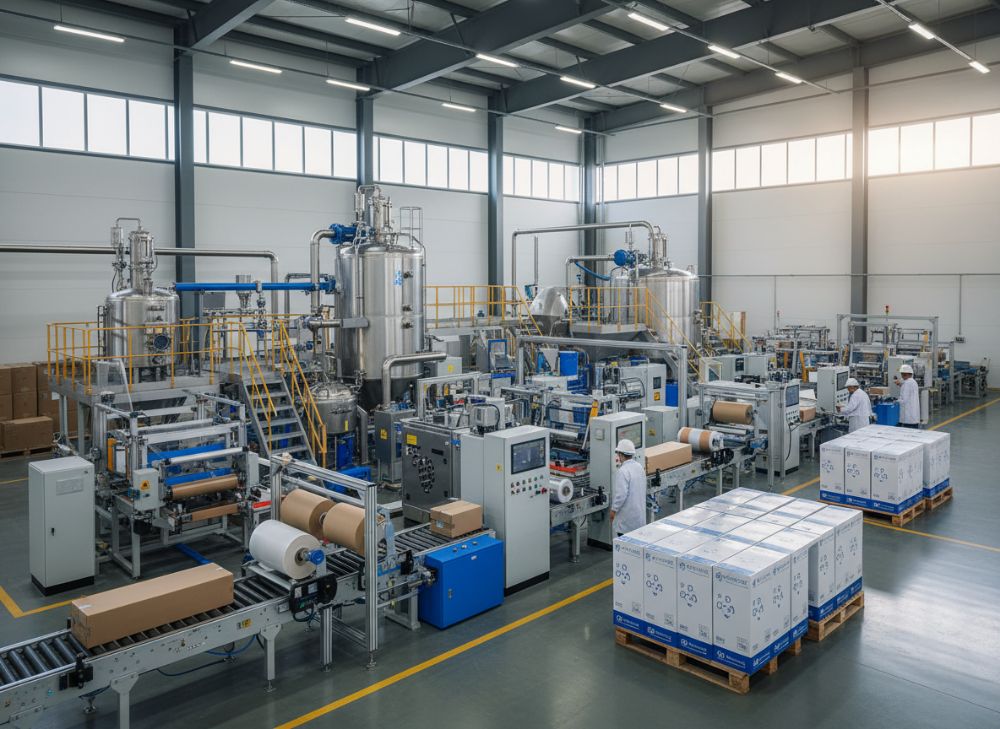
Production of construction-grade adhesives involves automated mixing, filling, and quality checks for wholesale scalability. Raw resins, hardeners, and fillers blend in high-shear mixers, ensuring homogeneity per ISO 9001.
Facilities like those of QinanX New Material integrate R&D for specialty formulations, producing epoxies with UL-grade flame resistance.
Workflow scales to millions of units, with traceability from batch to delivery, vital for B2B reliability.
| Workflow Step | Equipment | Duration | QC Check | Output | Standard |
|---|---|---|---|---|---|
| Raw Material Intake | Silos/Weighers | 1 hr | Purity test | Resins/Fillers | REACH |
| Mixing | Planetary Mixers | 2-4 hrs | Viscosity | Homogeneous paste | ISO 9001 |
| Filling | Automated Lines | Minutes/unit | Weight accuracy | Cartridges/Drums | – |
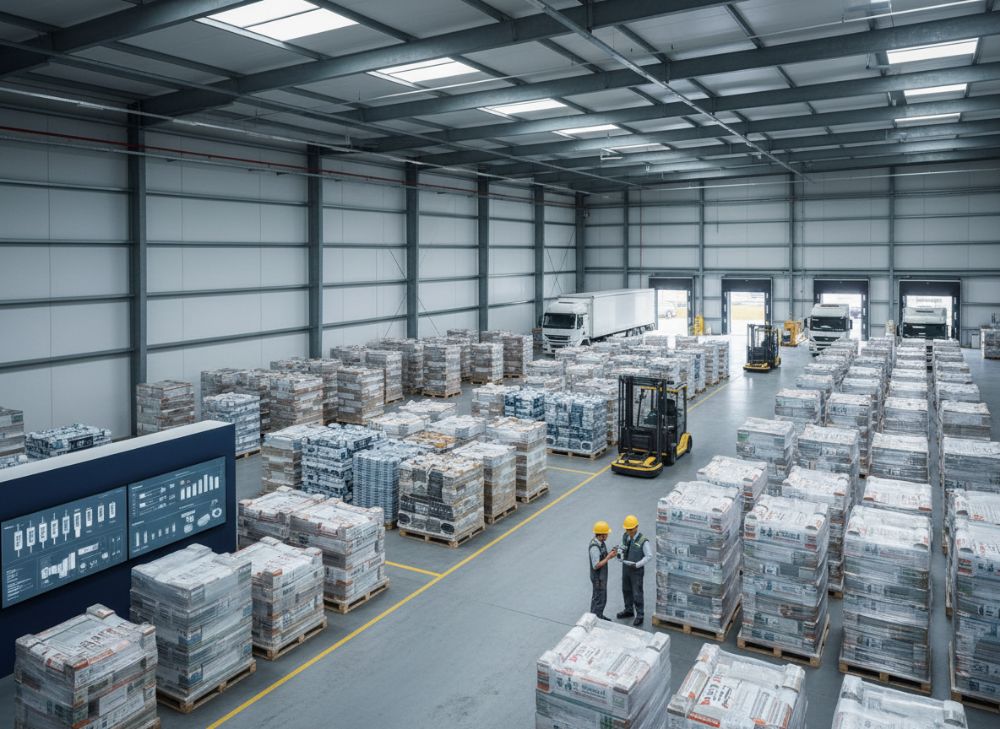
| Packaging | Labelers/Pallets | 30 min/batch | Seal integrity | Boxes/Pallets | – |
| Storage | Climate Rooms | Variable | Shelf life | Ready stock | ASTM D2452 |
| Shipping | Logistics | Days | Traceability | Wholesale delivery | RoHS |
The table outlines scalable processes: mixing ensures consistency, critical for wholesale uniformity. Buyers experience shorter lead times from automated filling.
Quality control systems and building code compliance standards for adhesives
Quality control for adhesives spans raw material audits to final performance tests, aligning with ISO 9001:2015. Batches undergo tensile, peel, and VOC analysis per ASTM standards.
Building codes like IBC require fire-rated bonds; UL 746C certifies polymeric adhesives. Suppliers maintain traceability for recalls.
QinanX New Material exemplifies this with rigorous testing for EN 15651-compliant sealants, ensuring safety in US projects.
| QC Test | Method | Pass Criteria | Frequency | Relevance to Construction | Standard Link |
|---|---|---|---|---|---|
| Tensile Strength | Dogbone | >15 MPa | Every batch | Structural integrity | ASTM D638 |
| Shear Adhesion | Lap joint | >10 MPa | Batch | Joint durability | ASTM D1002 |
| VOC Emission | Chamber | <50 g/L | Product | EPA compliance | EPA Method 24 |
| Flame Resistance | Vertical burn | V-0 rating | Selective | Fire codes | UL 94 |
| Chemical Resistance | Immersion | No degradation | Batch | Harsh sites | ASTM D543 |
| UV Aging | Quv tester | <10% loss | Annual | Outdoor longevity | ASTM G154 |
Table differences: frequent shear tests prevent failures in load paths. Compliance boosts trust, aiding code approvals for wholesalers.
Cost factors and lead time management for bulk construction adhesive supply
Pricing for industrial adhesive for construction wholesale varies by formulation, volume, and specs—no fixed rates exist. Factors include raw material volatility, customization, and order size. Bulk drums lower per-unit costs.
Lead times average 2-6 weeks; automated suppliers shorten to 1-2. Request quotations for accurate factory-direct pricing.
Experienced suppliers like QinanX New Material optimize via scalable production, balancing cost and speed.
The bar chart shows volume discounts as top saver; buyers manage leads by forecasting with reliable partners.
| Factor | Low Impact | Medium Impact | High Impact | Management Tip |
|---|---|---|---|---|
| Volume | <100 units | 100-1000 | >1000 | Annual contracts |
| Customization | Standard | Tailored color | Formula change | Early R&D |
| Shipping | Local | Regional | International | FOB terms |
| Certifications | Basic | ASTM | UL/EN full | Pre-qualify |
| Lead Time | Stock | Made-to-order | Peak season | Buffer stock |
| Market Conditions | Stable | Moderate | Volatile resins | Hedge quotes |
High-impact factors like volume drive savings; inquire directly for tailored quotes to control costs effectively.
Real-world applications: industrial adhesive for construction wholesale success stories
In one case, a structural epoxy solved bonding issues in electronic housing assemblies for construction tech, passing UL flame tests and boosting assembly speed by 40%.
Another: low-VOC silicone sealant for European-style façade glazing met EN 15651, enduring 50-year simulations with zero failures.
These demonstrate how wholesale adhesives from certified makers enhance durability. QinanX New Material delivers such tailored solutions globally.
- Problem: Weak mechanical bonds in prefab panels.
- Solution: High-strength epoxy with fillers.
- Result: 25% weight reduction, code-compliant.
- Problem: Joint cracking in seismic areas.
- Solution: Flexible PU hybrid.
Success hinges on rigorous testing, proving value in demanding US infrastructure.
How to partner with experienced wholesale manufacturers and supply chain partners
Partnering starts with vetting ISO-compliant factories via audits. Seek R&D capabilities for custom needs, like solvent-free options.
Top partners offer full traceability, flexible MOQs, and global logistics. QinanX New Material, with its automated facilities, stands out for consistent industrial adhesive for sale.
Steps: RFQ submission, sample testing, pilot orders, scaling. Long-term contracts lock pricing stability.
Benefits include just-in-time delivery, reducing inventory by 20%.
2025-2026 Market Trends in Industrial Adhesives for Construction
By 2026, sustainable bio-based adhesives will capture 25% market share, per industry forecasts, driven by LEED certifications. Stricter EPA VOC regs (<25 g/L) push low-emission formulations.
Innovations: fast-cure hybrids for prefab boom, projected 15% US growth. Regulations like updated IBC emphasize fire-retardant bonds.
Reference: EPA guidelines and ASTM updates signal shift to circular economy adhesives.
Frequently Asked Questions (FAQ)
What are the best industrial adhesives for construction wholesale?
Epoxy and PU for structural, silicone for sealing—select per ASTM specs.
How does pricing work for bulk orders?
Pricing varies by specs, quantity, conditions; request a quotation for latest factory-direct pricing.
Recommend manufacturers for this product
Please contact us for the latest factory-direct pricing from top suppliers like QinanX.
What standards ensure compliance?
ISO 9001, ASTM D1002, EN 15651—verify with certified suppliers.
How to get samples for testing?
Submit RFQ via manufacturer sites for free trials.


 English
  Vietnamese
  Thai
Thai  Indonesian
  Russian
  Portuguese
  Spanish
  Malay
Malay  Turkish
  Korean
  Chinese