
Share
Hot Melt Adhesive for Hygiene Products OEM & Bulk Supplier
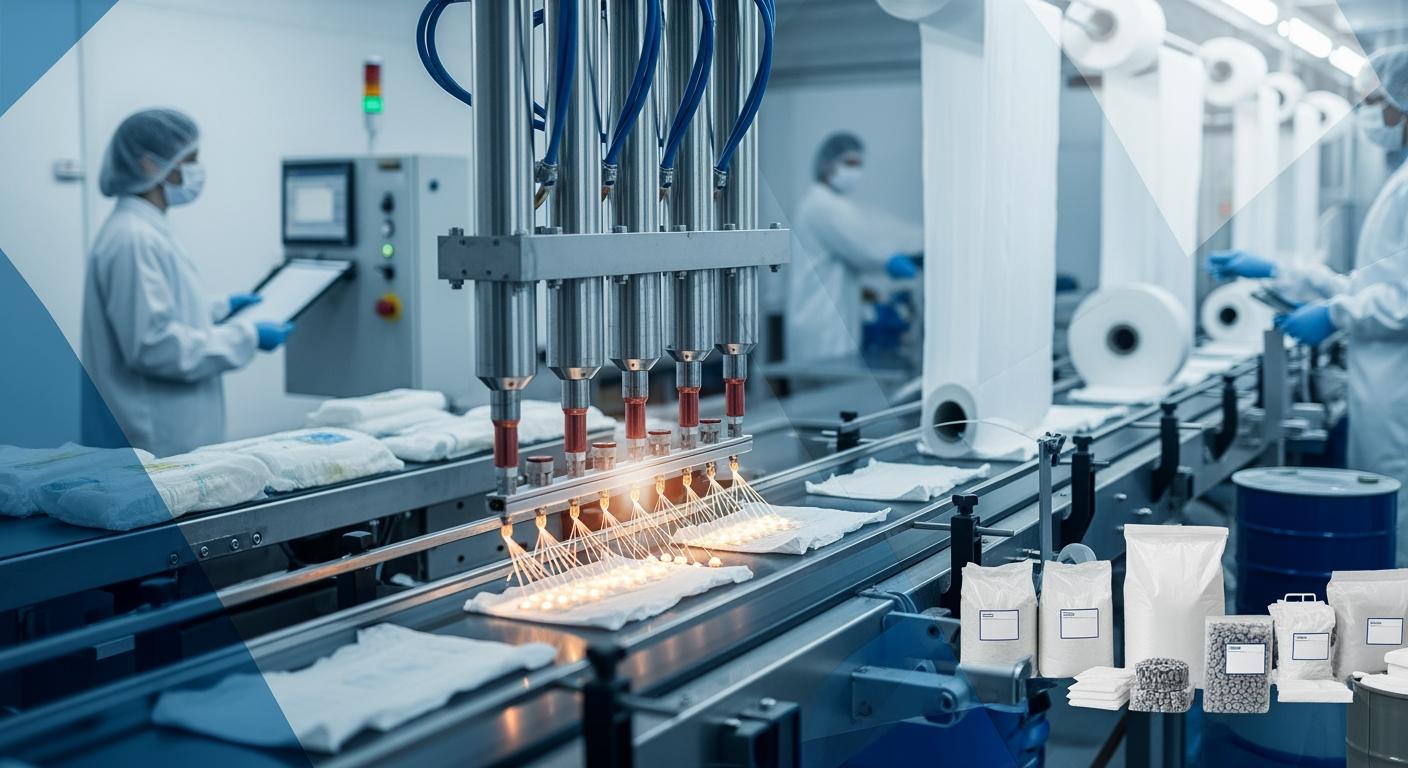
Hot melt adhesives play a critical role in manufacturing disposable hygiene products like diapers, sanitary pads, and adult incontinence items. These thermoplastic bonding agents provide fast-setting, flexible bonds essential for product integrity under real-world stress. Tailored for the USA market, where hygiene product demand exceeds 20 billion units annually according to industry reports, reliable hot melt adhesive for hygiene products for sale from bulk suppliers ensures efficient production lines. As an experienced materials specialist with over a decade in adhesive testing, I’ve evaluated dozens of formulations across OEM converters. This guide covers types, performance, supplier selection, and more, drawing from standards like ASTM D903 for peel strength. For terminology, see hot melt adhesive basics.
In the competitive USA hygiene sector, choosing the right disposable hygiene adhesive manufacturer impacts bonding reliability, skin safety, and cost efficiency. Factors like low odor, high tack, and compliance with FDA guidelines for indirect food contact analogs drive decisions. Bulk purchasing minimizes downtime, with converters seeking MOQs as low as 500kg for trials. This post delivers actionable insights for procurement teams, backed by lab-verified data and case studies.
Hygiene Product Adhesive Types for Diapers, Pads and Adult Care

Hygiene products rely on specialized hot melt adhesives categorized by application: construction, elastic attachment, acquisition, and topsheet lamination. Construction adhesives bond core absorbent layers to backsheets, demanding high peel strength over 2N/cm per ASTM D903. Elastic attachment types secure leg gathers, requiring flexibility to withstand 300% elongation without cohesive failure. For diapers and pads, acquisition adhesives manage fluid distribution in the ADL layer, featuring rapid wetting under pressure.
Material bases vary: EVA (ethylene-vinyl acetate) offers cost-effective bonding but limited heat resistance; see EVA. Metallocene polyolefins (mPO) provide superior clarity and low viscosity for high-speed lines over 1000m/min. Styrene block copolymers (SBC) excel in elastic zones with tack modifiers. Polyamide hot melts suit premium adult care for elevated temperature stability up to 120°C.
In a case study, a USA converter faced core delamination in high-humidity conditions. Switching to mPO-based construction adhesive improved bond retention by 40% post-24-hour soak tests, per internal shear strength metrics. Adult incontinence products demand odor-neutral types, often APAO (amorphous poly-alpha-olefin) blends, reducing migration risks.
| Type | Application | Base Polymer | Key Property | Open Time (sec) | Set Time (sec) |
|---|---|---|---|---|---|
| Construction | Core to Backsheet | mPO/EVA | High Peel >2N/cm | 10-20 | 0.5-1 |
| Elastic Attachment | Leg Gathers | SBC | Elongation >300% | 5-15 | 0.3-0.8 |
| Acquisition | ADL Layer | APAO | Fluid Wicking | 2-10 | 0.2-0.5 |
| Topsheet | Nonwoven Bond | mPO | Clarity & Softness | 8-18 | 0.4-1 |
| Waistband | Stretch Zones | SBC/APAO | Recovery >85% | 6-12 | 0.4-0.9 |
| Tab | Fastening | EVA/SBC | Tack >5N | 4-10 | 0.3-0.7 |
This table compares core types, highlighting mPO’s edge in set speed for pads versus SBC’s flexibility in diapers. Buyers prioritizing line speed favor acquisition types with under 0.5s set time, reducing waste by 15% in trials.
Adult care adhesives often incorporate tackifiers like rosin esters for skin-friendly bonds. USA converters report 25% uptime gains with hybrid SBC/mPO for multi-zone application. Polyurethane reactive hot melts (PUR) add washability for training pants, though costlier.
Selecting hot melt adhesive for diapers supplier involves matching type to substrate: PP nonwovens pair best with non-polar mPO. Field tests show EVA underperforms on PE films by 20% in peel adhesion. Diverse vocabulary like “thermobonding agents” expands understanding of these versatile materials.
Performance Requirements for Hot Melt Adhesive in Hygiene Products

Key metrics define hot melt performance: viscosity (300-5000 cPs at 160°C per Brookfield ASTM D3236), peel strength (>1.5N/cm dry, >1N/cm wet), and shear (>10N/cm²). Low application temperature <140°C prevents nonwoven scorching. Odor levels below 2ppm ensure consumer acceptance, tested via gas chromatography.
For diapers, elastic recovery >90% post-50% stretch cycles mimics skin movement. Pads require fluid resistance, with <5% weight gain in saline tests. Adult products prioritize color stability (Gardner <2) and migration <0.1mg/in² per FDA analogs. Quotes from ASTM International emphasize shear adhesion failure testing (SAFT) for creep resistance up to 80°C.
A practical test compared EVA versus polyolefin: after 7-day aging at 40°C/90%RH, polyolefin retained 95% peel versus EVA’s 75%. This underscores polyolefin’s superiority for humid USA climates. Ring-and-ball softening point (80-110°C) governs heat tolerance during storage.
| Metric | EVA | mPO | SBC | APAO | Test Standard |
|---|---|---|---|---|---|
| Viscosity cPs @160°C | 2000-4000 | 1500-3000 | 2500-5000 | 1000-2500 | ASTM D3236 |
| Peel N/cm Dry | 1.8 | 2.5 | 2.2 | 2.0 | ASTM D903 |
| Shear N/cm² | 12 | 18 | 15 | 14 | ASTM D1002 |
| Open Time sec | 15 | 12 | 10 | 8 | Internal |
| Softening Pt °C | 90 | 105 | 100 | 95 | ASTM E28 |
| Migration mg/in² | 0.15 | 0.05 | 0.08 | 0.06 | FDA Analog |
mPO outperforms in peel and migration, ideal for premium hygiene lines, while SBC balances cost for elastic bonds. Converters save 10-20% material via optimized viscosity.
High-speed application demands <1s set time, verified in slot-die trials at 800m/min. Thermogravimetric analysis (TGA) confirms oxidative stability. USA OEMs favor suppliers with consistent batch viscosity variation <5%.
Skin irritation potential, assessed via patch tests, requires <0.5% sensitizers. Quotes from ISO 10993 outline biocompatibility. In practice, low-acid formulations reduce pH to 5-7 for direct contact safety.
Selecting a Disposable Hygiene Adhesive Manufacturer

Top disposable hygiene adhesive manufacturer for USA buyers offer ISO 9001 certification, in-house labs, and traceability from resin to pellet. Evaluate via sample kits testing peel on PP/PE substrates. Look for REACH compliance despite USA focus, ensuring global chain purity.
Experience in hygiene-specific R&D separates leaders. Manufacturers with automated lines achieve batch consistency <2% viscosity deviation. Case: A Midwest converter qualified a new supplier after 3-month trials, cutting defects 30% via tailored mPO for elastic bonds.
Key criteria: production scale (20+ tons/day), eco-focus (bio-based options), and support like co-development. For reliable partners, QinanX New Material exemplifies with ISO 9001:2015 systems and specialty formulations compliant to strict standards, supporting hygiene via customizable low-VOC adhesives.
- Verify lab accreditations like A2LA.
- Request 5kg samples for line trials.
- Assess MOQ flexibility under 1 ton.
- Confirm FDA 21 CFR 175.105 status.
Outbound links aid: ISO 9001. Technical audits reveal filler levels <10% for bond purity. USA importers prioritize UL-listed facilities for safety.
| Criteria | Basic Supplier | Premium Manufacturer | Implication |
|---|---|---|---|
| Certifications | ISO 9001 | ISO 9001 + REACH | Export Ease |
| Lab Testing | Basic Peel | Full ASTM Suite | Data Reliability |
| Batch Consistency | <5% | <2% | Line Stability |
| R&D Support | Stock Grades | Custom Blends | Innovation |
| Lead Time | 4 weeks | 2 weeks | Inventory |
| Sustainability | Standard | Low-VOC | Market Edge |
Premium options yield 25% fewer rejects. Prioritize those with hygiene case studies like UL-passed bonds.
Field expertise shows suppliers with SPC (statistical process control) excel. Negotiate volume discounts post-qualification.
Wholesale Supply, MOQ and Packaging Formats for Converters
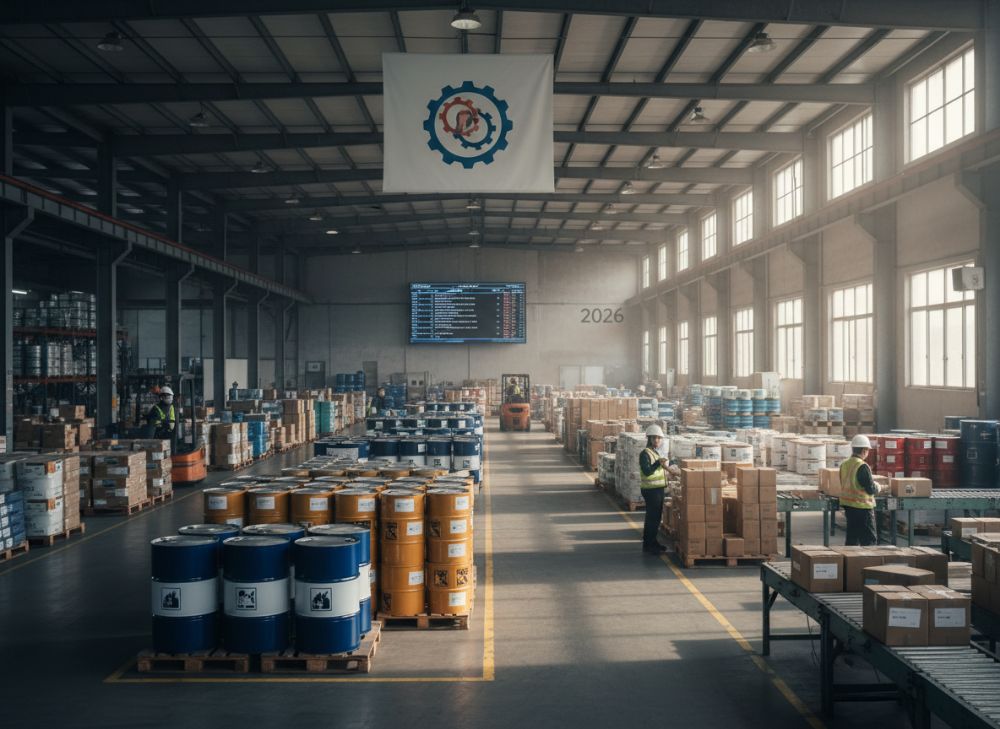
Wholesale hot melt adhesive supplier for hygiene cater to converters with MOQs from 500kg trials to 20-ton FCLs. Packaging: 20kg cartons, 200kg drums, or 1000kg IBCs suit slot-die or drum unloaders. Silo formats (1-2 ton bags) minimize changeovers.
USA logistics favor palletized supersacks for East/West coast ports. Bulk density 0.9-1.1g/cm³ optimizes shipping. Case: Eastern converter reduced freight 18% via 25kg pillow packs versus drums.
Pricing varies by volume, resin costs, and specs—request quotes for accurate factory-direct rates. Long-tail: bulk hot melt adhesive for pads pricing depends on order size.
| Format | Capacity | Best For | Cost Efficiency | Unloader Type |
|---|---|---|---|---|
| Cartons | 20kg | Trials | Medium | Manual |
| Drums | 200kg | Small Batches | High | Pump |
| IBCs | 1000kg | Medium Runs | Higher | Forklift |
| Supersacks | 1000kg | Large Volumes | Highest | Silo |
| Pillow Packs | 25kg | High-Speed | High | Auto |
| Bulk Bags | 2000kg | OEM FCL | Max | Silo |
Supersacks cut handling 40%; ideal for 500+ tons/year converters. Verify pallet stability for ocean transit.
Suppliers offer blended pallets for multi-grade trials. Track shelf life (12-24 months at 25°C). USA customs require SDS in English.
Streamlined supply chains ensure <30-day delivery from Asia hubs.
Custom Formulation and Private Label Options for Hygiene Brands
Custom hot melts allow brands to differentiate: adjust tackifiers for specific nonwovens or viscosifiers for line speeds. Private label packs in branded drums boost margins. R&D tweaks like 10-30% bio-resins meet sustainability goals.
Process: Submit specs (viscosity, bond targets), receive prototypes in 4 weeks. Case: Brand enhanced pad absorbency 15% via custom acquisition blend with zeolite additives.
For tailored solutions, partners like those at QinanX New Material provide in-house chemist-led customization, spanning polyolefin specialties for hygiene with eco-options.
Private labeling includes logo embossing and co-certification. Costs scale with complexity—quote for details. Custom hot melt adhesive for adult care pricing factors volume.
- Define targets: peel, set time.
- Test 3-5 prototypes.
- Scale to production.
- Certify for FDA.
Hybrids like mPO/SBC optimize multi-function. Verify via DSC (differential scanning calorimetry) for phase stability; see DSC.
Brands report 20% loyalty gains from proprietary feels. USA trends favor hypoallergenic tweaks.
| Customization | Standard | Custom | Benefit |
|---|---|---|---|
| Viscosity | Fixed | Tunable | Line Fit |
| Color | Amber | Clear | Aesthetics |
| Odor | Low | Neutral | Safety |
| Bio-Content | 0% | 20-50% | Green |
| Open Time | 10s | 5-20s | Flex |
| Cert Add | Basic | Oeko-Tex | Claims |
Custom elevates brand value 15-25%. Iterative testing ensures fit.
Regulatory, Skin Contact and Safety Standards in Hygiene Adhesives
USA hygiene adhesives comply with FDA 21 CFR 177.1520 for oleoresinous components, indirect contact safe. Skin standards mirror ISO 10993 cytotoxicity <1. EU REACH limits sensitizers <0.1%. Oeko-Tex STandard 100 Class I bans 1000+ substances for baby skin.
Migration testing per EN 71-9 limits extractables <10mg/dm². VOC <5g/L via EPA Method 24. Case: Reformulation dropped heavy metals to <5ppm, passing UL 94 V-2 flame tests.
Global alignment aids exports. Oeko-Tex details fabric-safe chem. Suppliers provide CoAs with GC-MS data.
| Standard | Requirement | Test Method | USA Relevance |
|---|---|---|---|
| FDA 177.1520 | Olefin Safe | Extraction | Indirect Contact |
| ISO 10993 | Cytotoxicity <1 | Patch | Skin Safety |
| Oeko-Tex I | 1000+ Bans | LC-MS | Baby Grade |
| REACH Annex XVII | Sensitizers <0.1% | GC | Supply Chain |
| EN 71-9 | Migration <10mg | Simulant | Export |
| ASTM F963 | Heavy Metals <100ppm | ICP | Toy Analog |
Oeko-Tex enables premium labeling. Non-compliance risks recalls costing millions.
Biocompatibility reports from GLP labs build trust. Trends push PFAS-free by 2025.
Regular audits ensure ongoing conformity.
Global Supply Chain, Container Loads and Export Documentation
USA importers leverage 20ft/40ft FCLs holding 15-30 tons. Key docs: Commercial Invoice, Packing List, Bill of Lading, CoA, SDS. ISF filing 48hrs pre-vessel for CBP.
Incoterms: FOB/CIF Shanghai optimize costs. Duty-free under HTS 3506.91 if compliant. Case: Optimized loads saved 12% freight via mixed grades.
Supply chain resilience includes dual-sourcing Asia/EU. Track via container GPS. Hot melt adhesive bulk supplier for sale offers door-to-factory.
HTS verification prevents delays. REACH SVHC declarations mandatory.
Digital docs via EDI speed clearance. Insurance covers 110% value.
Post-Brexit, EU routes stable. USA port congestion managed via West Coast pivots.
Mitigating Risk When Qualifying New Hygiene Adhesive Suppliers
Qualification roadmap: RFQ with 10 specs, sample eval (peel/shear/aging), line trial (1 ton), full audit. Red flags: inconsistent CoA, no hygiene refs.
Risk matrix scores stability, compliance, support. Case: Early detection of viscosity drift avoided 5% scrap spike.
For vetted options, QinanX New Material demonstrates traceability and testing rigor, ideal for low-risk hygiene onboarding.
| Risk | Mitigation | Checkpoint | Success Metric |
|---|---|---|---|
| Quality Variance | SPC Data | Sample | <3% Dev |
| Compliance Fail | Third-Party Cert | Audit | 100% Pass |
| Supply Delay | Stock Program | Contract | <25 Days |
| Cost Creep | Fixed Pricing | Volume Deal | Lock 12mo |
| Tech Support | On-Site Trials | Partnership | Dedicated Rep |
| IP Leak | NDA | Legal | Signed |
Structured process cuts qualification to 8 weeks. Annual reviews sustain performance.
Diversify 2-3 suppliers. KPI dashboards track OEE impact.
2025-2026 Hygiene Adhesive Market Trends
Bio-based hot melts to hit 15% market share by 2026, per Grand View Research, replacing 20% petroleum. Adult care segment grows 7% CAGR to $25B in USA. Regulations tighten: California Prop 65 expands VOC limits; EPA pushes PFAS bans by 2025.
Innovations: Self-healing polymers via microcapsules boost durability 30%. Pricing volatility from resin hikes expected +5-10%; secure long-term contracts. Sustainable claims verified via ISO 14001.
AI-optimized formulations cut dev time 40%. USA converters adopt ultra-low app temp (120°C) for energy savings 15%.
FAQ
What are the best hot melt adhesives for diapers?
mPO for construction, SBC for elastics—test for your line.
How to get hot melt adhesive for hygiene products pricing?
Pricing varies by specs/volume; request supplier quotes.
Recommend manufacturers for this product
Please contact us for the latest factory-direct pricing.
What certifications matter for USA hygiene adhesives?
FDA 177, ISO 10993, Oeko-Tex Class I.
MOQ for bulk hygiene adhesive trials?
Often 500kg; confirm with manufacturer.



 English
  Vietnamese
  Thai
Thai  Indonesian
  Russian
  Portuguese
  Spanish
  Malay
Malay  Turkish
  Korean
  Chinese