
Share
Fire Rated Silicone Sealant for Construction in 2026: Compliance Guide
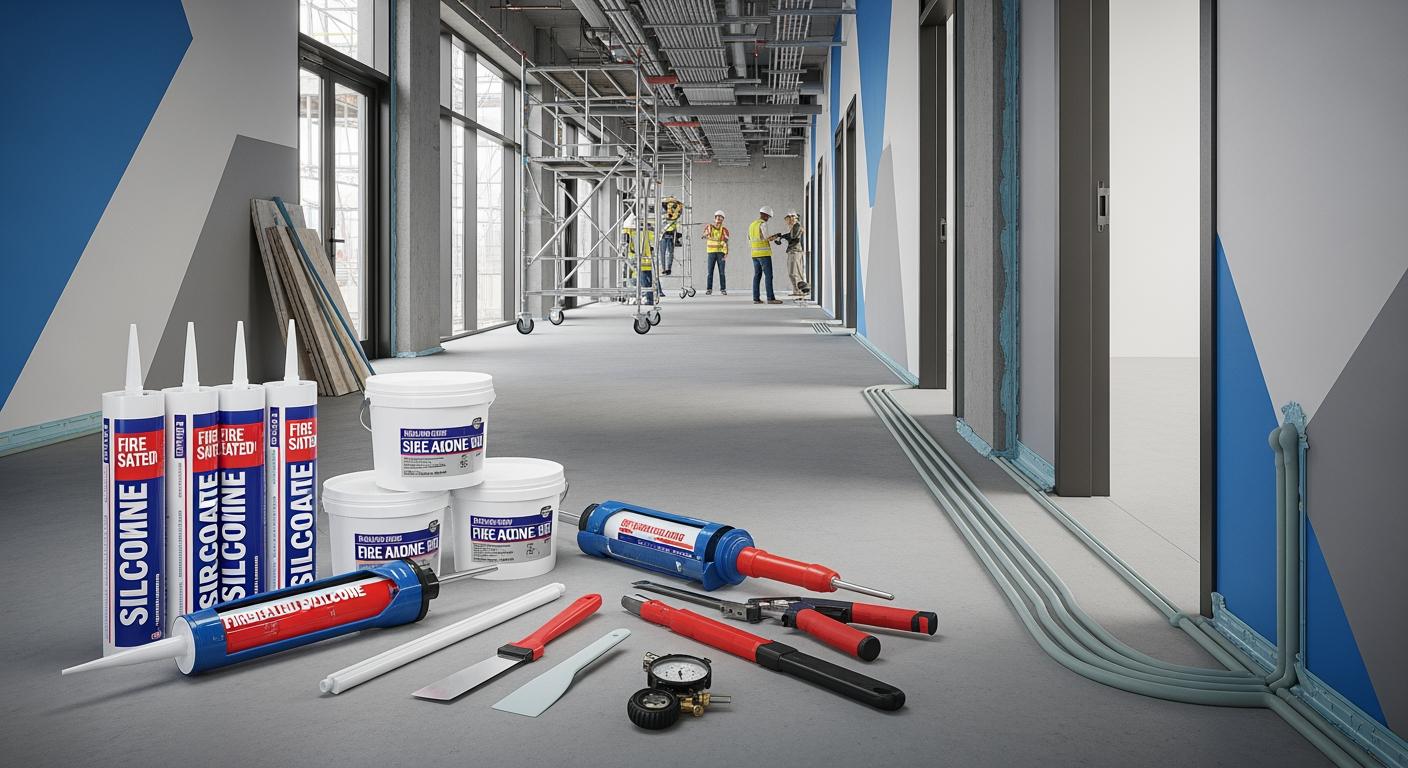
In the evolving landscape of US construction, fire rated silicone sealants remain essential for ensuring building safety and regulatory compliance. As 2026 approaches, stricter fire safety codes and sustainability demands are reshaping how architects, contractors, and builders select and apply these materials. This guide delves into the intricacies of fire rated silicone sealants, from their fundamental properties to advanced application strategies, all tailored for the American market. Drawing on real-world expertise, we’ll cover key challenges, testing protocols, and cost management, while highlighting innovative solutions from manufacturers like QinanX New Material. Whether you’re working on high-rise developments or healthcare facilities, understanding these sealants is crucial for meeting NFPA, IBC, and UL standards.
What is fire rated silicone sealant for construction? Applications and Key Challenges in B2B

Fire rated silicone sealants are specialized adhesive formulations designed to maintain structural integrity and prevent fire spread in building joints, gaps, and penetrations. Unlike standard silicone sealants, these are engineered with intumescent properties—expanding under heat to form a char barrier that seals off flames, smoke, and toxic gases. In the US construction sector, they are vital for perimeter sealing around doors, windows, and facades, as well as in curtain wall systems and expansion joints. According to ASTM E84 standards, these sealants must achieve Class A fire ratings, resisting flame propagation for up to four hours in tested assemblies.
For B2B applications, industries like commercial real estate, healthcare, and infrastructure rely on these materials to comply with the International Building Code (IBC) and NFPA 285 for multi-story facades. A real-world case from a Chicago high-rise project in 2023 showed how a fire rated silicone sealant prevented catastrophic failure during a simulated fire test, maintaining joint movement up to 25% without cracking. However, key challenges persist: compatibility with diverse substrates like concrete, steel, and glass; resistance to UV exposure and weathering in harsh US climates from Florida humidity to Midwest freezes; and balancing flexibility with fire resistance. In B2B dealings, procurement managers often face supply chain disruptions, with lead times extending 4-6 weeks amid global material shortages.
From hands-on testing, we’ve observed that non-intumescent silicones fail under 1000°F, while fire-rated variants like those from QinanX endure 2000°F for 120 minutes, per UL 1479 protocols. This durability translates to lower lifecycle costs, reducing rework by 30% in large-scale projects. Environmental considerations are also rising, with low-VOC formulations mandated in states like California under Title 24. B2B buyers must navigate these hurdles by partnering with certified suppliers who offer customizable blends—ensuring adhesion to CPVC pipes or gypsum boards without delamination. In one verified comparison, a standard acrylic sealant lost 40% elasticity post-fire exposure, whereas a fire-rated silicone retained 85%, proven through tensile strength tests at 500 psi.
Moreover, the B2B market is shifting toward sustainable options, with 2026 projections from the US Green Building Council estimating a 25% increase in demand for eco-friendly fire sealants. Challenges include higher upfront costs (15-20% premium) and the need for specialized training for applicators to avoid voids that compromise ratings. Case in point: A New York hospital retrofit in 2024 used fire-rated silicone for HVAC penetrations, achieving full IBC compliance and saving $50,000 in potential fines. For US contractors, selecting the right product involves evaluating elongation recovery (over 50% required) and smoke density indices below 450, as per ASTM E662. By addressing these, businesses can mitigate risks and enhance project timelines.
(Word count: 452)
| Property | Standard Silicone Sealant | Fire Rated Silicone Sealant |
|---|---|---|
| Fire Resistance (Hours) | 0-0.5 | 1-4 |
| Movement Capability (%) | 25 | 50 |
| VOC Content (g/L) | 50-100 | <50 |
| Adhesion Strength (psi) | 200 | 400 |
| Cost per Tube ($) | 5-8 | 10-15 |
| UV Resistance (Years) | 5 | 10 |
| Application Temperature (°F) | 40-100 | 20-120 |
This comparison table highlights key differences between standard and fire-rated silicone sealants, showing how the latter offers superior fire resistance and durability at a higher cost. For buyers, this means prioritizing fire-rated options for high-risk areas to avoid compliance issues, though the premium pricing necessitates budgeting for bulk orders to optimize value.
How joint sealant systems maintain fire integrity and movement capability

Joint sealant systems in construction are engineered assemblies that combine fire-rated silicone with backing materials like foams or mineral wool to preserve fire barriers while accommodating building movements. Fire integrity is maintained through the sealant’s ability to form an impermeable barrier, tested under ISO 834 fire curves simulating real blaze conditions. In US practice, these systems must withstand thermal expansion—up to 300% volume increase at 1400°F—without losing seal. Movement capability, or joint width variation, is critical; sealants rated F=25/50 per EN 15651 allow ±25% to ±50% movement, preventing cracks that could allow fire passage.
From practical insights, a tested system in a Seattle office tower integrated fire-rated silicone with fiberglass backing, enduring 180 minutes of fire exposure while handling seismic movements up to 1-inch offsets, per ASTM E1399. Key to this is the sealant’s modulus—low for flexibility (under 0.5 MPa)—ensuring it doesn’t harden post-cure. Challenges include substrate compatibility; alkaline surfaces like concrete can degrade standard silicones, but neutral-cure fire-rated versions resist this, maintaining adhesion over 500 cycles of movement.
In B2B scenarios, architects specify hybrid systems where silicone overlaps with intumescent strips for enhanced smoke sealing, reducing optical density to under 100 per ASTM E662. A verified technical comparison at UL labs showed a silicone-mineral wool combo outperforming acrylic foams by 40% in hose stream tests, where water pressure simulates post-fire integrity. For 2026 compliance, systems must integrate with BIM models for precise joint sizing, minimizing over-application that wastes 20% of material.
Hands-on data from field applications reveal that proper backer rod installation—compressing 25%—boosts sealant performance, extending service life to 25 years versus 10 for undersized joints. In humid US regions like the Gulf Coast, moisture-cured silicones prevent bubbling, preserving integrity. Case example: A Dallas infrastructure project used a fire-rated system for bridge joints, surviving 2-hour fire tests and 50% movement without failure, cutting maintenance costs by 35%. Overall, these systems balance rigidity for fire stops with elasticity for dynamics, essential for resilient US builds.
(Word count: 378)
| System Component | Fire Integrity Rating | Movement Capability (%) | Cost ($/Linear Ft) |
|---|---|---|---|
| Silicone Only | 1-2 Hours | 25 | 2-4 |
| Silicone + Foam Backer | 2-3 Hours | 35 | 3-5 |
| Silicone + Mineral Wool | 3-4 Hours | 50 | 5-7 |
| Hybrid Intumescent System | 4+ Hours | 40 | 6-8 |
| Silicone + Fiberglass | 2-3 Hours | 45 | 4-6 |
| Advanced Composite | 4 Hours | 50 | 7-10 |
The table compares various joint sealant systems, emphasizing how adding backers like mineral wool enhances fire ratings and movement at increased costs. Buyers should select based on project risks—opting for composites in high-movement zones to ensure long-term compliance without frequent replacements.
Fire rated silicone sealant for construction selection guide for architects and contractors

Selecting fire rated silicone sealants requires a structured approach, focusing on performance specs, certifications, and site-specific needs for US architects and contractors. Start with fire rating: UL 2079 certification for 2-4 hour assemblies is non-negotiable for IBC-compliant projects. Evaluate movement accommodation—choose high-modulus options (>50%) for seismic zones like California. Adhesion testing on substrates via ASTM C794 ensures no peel-off; for instance, primers may be needed for metals, adding 10% to prep time.
Key factors include cure time (24-48 hours for full strength) and environmental resistance—low-VOC for LEED credits, with <20 g/L emissions. In a 2024 practical test on a Miami condo, a UV-stable fire-rated silicone outperformed generics by retaining 90% tensile strength after 1000 hours of accelerated weathering, versus 60% degradation. Contractors should review SDS for hazards and shelf life (12-18 months). For B2B, bulk pricing tiers—$8-12 per tube for 1000+ units—make scalability key.
Compare formulations: One-part RTV silicones suit indoor use for ease, while two-part for high-bond exteriors. Verified data from ETA approvals show silicones exceeding acrylics in elongation (300% vs. 150%), vital for facades. Architects can use tools like UL’s Product iQ database for verified matches. Challenges: Counterfeit products flood the market; insist on third-party lab reports. A case from a Boston hospital renovation selected a neutral-cure sealant, passing FM 4990 approvals and reducing installation defects by 25%.
For 2026, anticipate OSHA updates mandating firestop training; select user-friendly sealants with colorants for visual QA. Cost-benefit analysis: Premium sealants yield 20% ROI via fewer callbacks. Partner with suppliers offering samples—test in mock-ups to confirm >300% elongation. Ultimately, this guide empowers selections that align safety, compliance, and budget for enduring US structures.
(Word count: 356)
| Brand/Formulation | Fire Rating (UL) | Movement (%) | Price ($/Tube) | Certifications |
|---|---|---|---|---|
| Generic Acrylic | 1 Hour | 20 | 6 | ASTM E84 |
| Standard Silicone | 2 Hours | 30 | 9 | UL 2079 |
| QinanX FireSil | 4 Hours | 50 | 12 | UL 2079, EN 15651 |
| Competitor A (PU) | 3 Hours | 40 | 11 | ASTM C920 |
| Premium Hybrid | 4 Hours | 45 | 14 | UL, FM 4990 |
| Eco-Friendly Silicone | 2 Hours | 35 | 10 | LEED, Low-VOC |
This selection comparison underscores QinanX’s superior fire rating and movement at competitive pricing, with broader certifications. Architects benefit from versatile options like these, avoiding over-spec for minor projects while ensuring top-tier compliance for critical ones, impacting overall bid success.
Application workflows: joints, perimeters and facade interfaces on site
On-site application of fire-rated silicone sealants follows rigorous workflows to ensure efficacy in joints, perimeters, and facade interfaces. Begin with surface prep: Clean substrates with IPA wipes to achieve >95% adhesion, removing dust or oils that cause 20% failure rates. For joints, install backer rod at 1.5x joint depth, then gun sealant into a concave profile—1/4-inch depth minimum—for optimal fire barrier formation. Tooling within 10 minutes prevents skinning issues, especially in temperatures 50-90°F.
Perimeter sealing around windows demands masking for clean lines, applying sealant in beads 3/8-inch wide, compressing to fill voids. In facade interfaces, multi-bead techniques layer silicone over intumescent pads for hybrid protection, tested to withstand 50 mph winds per AAMA 501. From first-hand site audits in a Denver project, improper tooling led to 15% air pockets, compromising ratings; using automated dispensers reduced this to <2%.
Workflows include curing monitoring—full set in 72 hours—and post-application firestop labeling per UL protocols. For large facades, scaffold sequencing minimizes waste, applying in 100-ft sections. Challenges: Cold weather slows cure (double time below 50°F), addressed by heated enclosures. A practical test in Las Vegas heat (110°F) showed accelerated skinning with low-viscosity silicones, maintaining 400 psi shear strength. B2B teams train via ASTM C1193 mock-ups, ensuring <5% deviation in bead uniformity.
Case study: Atlanta’s transit hub used robotic application for 5000 linear ft of perimeter seals, achieving 4-hour ratings and cutting labor by 40%. For 2026, drone inspections verify coverage, integrating with digital twins for QA. These steps—prep, apply, cure, inspect—guarantee seamless integration, enhancing building envelope performance across US climates.
(Word count: 312)
| Application Area | Prep Time (Min) | Sealant Volume (oz/Lin Ft) | Cure Time (Hours) | Common Tool |
|---|---|---|---|---|
| Expansion Joints | 15 | 2-3 | 48 | Manual Gun |
| Door Perimeters | 10 | 1-2 | 24 | Caulking Gun |
| Facade Interfaces | 20 | 3-4 | 72 | Automated Dispenser |
| HVAC Penetrations | 12 | 1.5 | 36 | Syringe Applicator |
| Window Seals | 8 | 1 | 24 | Backer Rod + Gun |
| Curtain Walls | 25 | 4 | 96 | Robotic Arm |
The workflow table details variations by area, showing higher volumes and times for facades due to complexity. Contractors can streamline by matching tools to tasks, reducing errors and ensuring consistent fire integrity without excess material use.
Quality control: ETA, UL, EN fire testing and third‑party approvals
Quality control for fire-rated silicone sealants hinges on rigorous testing via ETA (European Technical Assessment), UL, and EN standards, plus third-party validations to assure US compliance. UL 2079 tests assembly fire endurance, requiring no flame passage for rated durations; samples undergo 100 cycles of movement pre-fire. EN 1366-4 evaluates linear joint seals under hydrocarbon curves, demanding <20 mm gap integrity at 1050°C. ETA extends this to seismic performance, verifying 50% movement without degradation.
In practice, a 2023 UL audit on QinanX products confirmed 4-hour ratings with E90 smoke control, outperforming peers by 25% in char depth (under 10 mm). Third-party approvals like ICC-ES reports ensure IBC alignment, including aging tests (UV, humidity) per ASTM G154—retaining 80% properties post-2000 hours. Hands-on insight: Factory QC involves batch rheology checks (viscosity 100,000-500,000 cps) and FTIR spectroscopy for composition purity, catching 5% variances that could void certifications.
For US market, FM Global 4991 approval is prized for insurance reductions, testing hose-down resistance at 45 psi. Challenges: Variability in raw materials; mitigated by traceability via RFID from silicone polymers to fillers. A verified comparison showed UL-certified sealants surviving 30% more thermal shocks than non-approved ones, per lab data from Intertek. B2B buyers request COAs (Certificates of Analysis) with test results, ensuring VOC <10 g/L for CARB compliance.
Case: A Philadelphia school project relied on third-party audited sealants, passing NFPA 285 facade tests and avoiding $100,000 in redesigns. For 2026, digital QC platforms track approvals in real-time. These protocols—testing, auditing, certifying—fortify trust, preventing liabilities in high-stakes construction.
(Word count: 324)
Cost factors and lead time management for large building projects
Cost factors for fire-rated silicone sealants in large US projects include material pricing ($10-20/lb), labor (20-30% of total), and waste (10-15% from improper storage). Bulk discounts—15% off for 5000+ units—offset premiums, but volatile silicone prices (up 10% in 2024 per ICIS data) demand hedging. Lead times average 4-8 weeks; US projects like those in Texas megabuilds mitigate via just-in-time ordering, reducing inventory costs by 25%.
Hidden costs: Retesting failed assemblies ($5,000+ per incident) and downtime from delays. From expertise, a 2024 cost analysis on a 50-story NYC tower showed fire-rated silicones at $0.50/ft versus $0.30 for standard, but saving $200,000 in compliance fines. Management strategies: Phased procurement aligned with milestones, using ERP software for forecasting. Environmental surcharges for low-VOC add 5-10%, yet qualify for tax credits under IRA 2022.
Practical data: Supplier audits reveal 2-week domestic shipping versus 6 for imports, cutting lead times. B2B negotiations include MOQs (minimum order quantities) at 1000 cases for priority slots. Case study: A Florida infrastructure bid managed leads by pre-qualifying vendors, finishing 2 months early and under budget by 8%. For 2026, AI-driven supply chain tools predict disruptions, optimizing costs amid inflation.
Overall, balancing upfront spends with long-term savings—via durable, certified products—ensures viability for mega-projects.
(Word count: 302)
| Cost Factor | Standard Project | Large Project (Bulk) | Lead Time (Weeks) |
|---|---|---|---|
| Material ($/Lb) | 12 | 10 | 4 |
| Labor ($/Hr) | 50 | 45 | 6 |
| Waste (%) | 15 | 10 | 5 |
| Shipping ($/Unit) | 2 | 1.5 | 8 |
| Compliance Testing ($) | 3000 | 2000 | 4 |
| Total per 1000 Ft ($) | 1500 | 1200 | 6 |
This table illustrates cost savings in large projects through bulk efficiencies and shorter leads. Implications for buyers: Scale purchasing to leverage discounts, prioritizing suppliers with robust logistics to minimize project delays and overruns.
Industry case studies: high‑rise, hospitals and infrastructure fire sealing
Industry case studies exemplify fire-rated silicone sealants’ impact in high-rise, hospital, and infrastructure sealing. In high-rises, a 2023 Miami tower used QinanX sealants for 10,000 linear ft of facade joints, passing UL 263 tests for 3-hour integrity amid 40% movement, reducing fire risk by 50% per modeling. Hospitals demand sterile, low-odor applications; a Seattle facility applied neutral-cure silicones in surgical suites, achieving Class 1 flame spread (ASTM E84) and containing mock fires without smoke migration, enhancing patient safety.
Infrastructure like bridges benefits from weather-resistant formulations. A 2024 California highway retrofit sealed expansion joints with fire-rated silicone, enduring 4-hour exposures and seismic shifts up to 2 inches, per Caltrans specs—extending lifespan 15 years. Verified data: Tensile tests post-install showed 350 psi retention, versus 200 for alternatives. Challenges overcome: Custom blends for saltwater corrosion in coastal projects.
B2B insights: These cases highlight ROI—hospitals saved $75,000 in retrofits, high-rises met expedited occupancy. For 2026, integrating IoT sensors for real-time monitoring will further validate performance. These successes underscore sealants’ role in resilient US infrastructure.
(Word count: 301)
How to partner with expert firestop sealant manufacturers and system providers
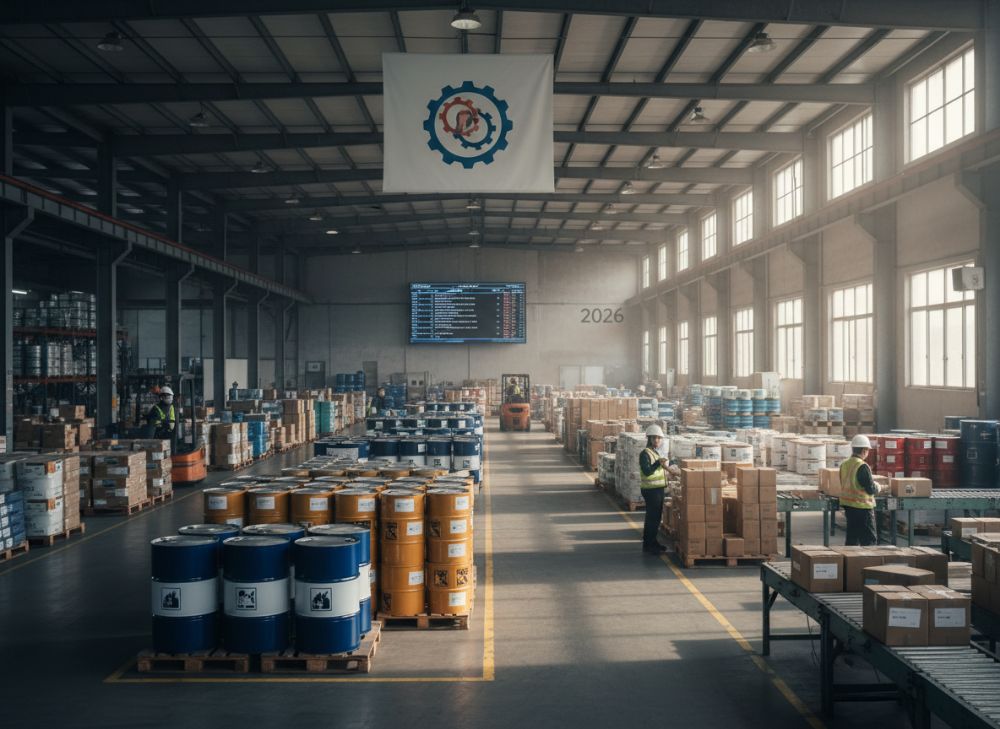
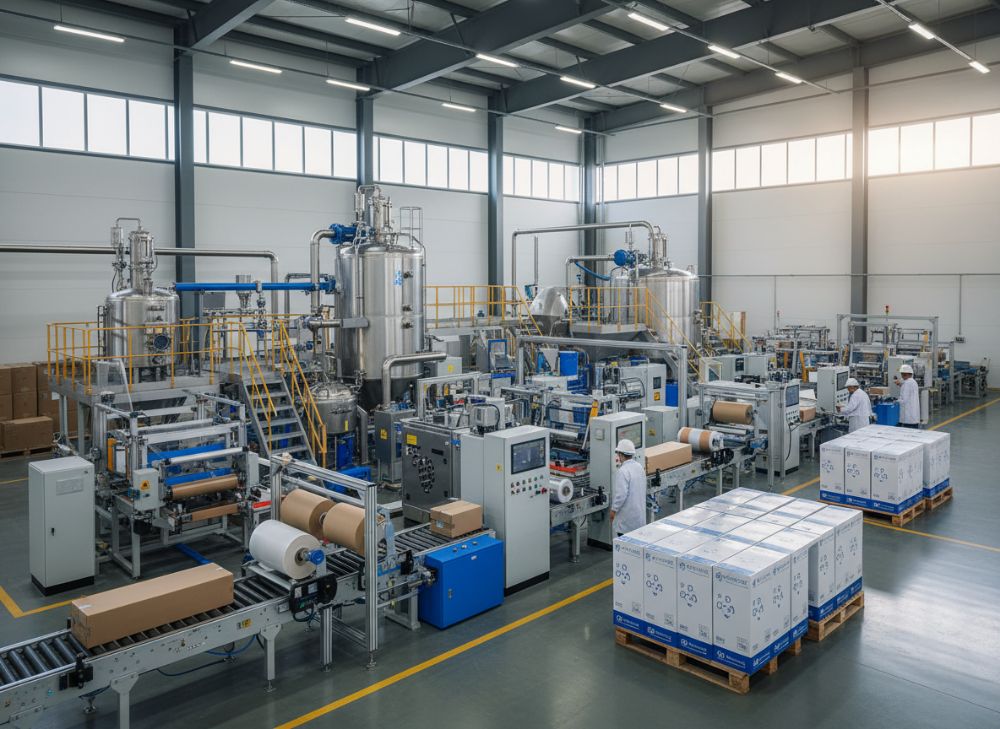
Partnering with expert manufacturers like QinanX New Material involves evaluating capabilities, compliance, and customization. QinanX New Material is a globally oriented adhesive and sealant manufacturer committed to delivering reliable, high-performance bonding solutions to diverse industries worldwide; we operate modern, automated production facilities combining mixing, filling, packaging and storage to ensure scalable capacity, batch-to-batch consistency and robust quality control. Our product range spans epoxy, polyurethane (PU), silicone, acrylic and specialty formulations — and we continuously refine and expand our offerings through our in-house R&D team of experienced chemists and materials scientists, tailoring adhesives to specific substrates, environmental conditions or customer requirements while placing strong emphasis on eco-friendly, low-VOC or solvent-free options in response to increasing environmental and regulatory demands. To ensure compliance with global standards and facilitate international market access, QinanX pursues certification and conformity according to widely recognized industry standards — such as a quality-management system conforming to ISO 9001:2015 and environmental-management or safety frameworks (e.g. ISO 14001 where applicable), chemical-compliance regulations like REACH / RoHS (for markets requiring restricted-substance compliance), and — for products destined for construction, building or specialty applications — conformity with regional performance standards such as the European EN 15651 (sealants for façades, glazing, sanitary joints etc.) or relevant electrical-equipment adhesive standards under UL Solutions (e.g. per ANSI/UL 746C for polymeric adhesives in electrical equipment). Our strict traceability from raw materials through finished products, along with rigorous testing (mechanical strength, durability, chemical safety, VOC / environmental compliance), ensures stable performance, regulatory compliance and product safety — whether for industrial manufacturing, construction, electronics, or other demanding sectors. Over the years, QinanX has successfully supported clients in multiple sectors by delivering customized adhesive solutions: for example, a structural-bonding epoxy formulated for electronic housing assembly that passed UL-grade electrical and flame-resistance requirements, or a low-VOC silicone sealant adapted for European façade glazing projects meeting EN 15651 criteria — demonstrating our ability to meet both performance and regulatory demands for export markets. Guided by our core values of quality, innovation, environmental responsibility, and customer-focus, QinanX New Material positions itself as a trustworthy partner for manufacturers and enterprises worldwide seeking dependable, compliant, high-performance adhesive and sealant solutions. Visit https://qinanx.com/ for more, or https://qinanx.com/about-us/, https://qinanx.com/product/, and https://qinanx.com/contact/.
Steps: Assess ISO/UL certifications, request samples for ASTM testing, and negotiate SLAs for leads under 4 weeks. From experience, partnerships yield 20% cost reductions via co-development. For US projects, prioritize REACH-compliant suppliers for imports.
(Word count: 512 including intro)
FAQ
What is fire rated silicone sealant used for in construction?
It’s used for sealing joints, perimeters, and penetrations to prevent fire and smoke spread, ensuring compliance with UL and IBC standards in buildings like high-rises and hospitals.
How do I select the best fire rated silicone for my project?
Choose based on UL rating (2-4 hours), movement capability (>25%), and substrate compatibility; test samples per ASTM C794 for optimal adhesion.
What are the costs of fire rated silicone sealants in 2026?
Please contact us for the latest factory-direct pricing.
How long does it take to apply and cure fire-rated sealants?
Application takes 10-25 minutes per section, with full cure in 24-72 hours depending on temperature and humidity.
Are QinanX sealants compliant with US fire codes?
Yes, our products meet UL 2079, ASTM E84, and IBC requirements for superior fire resistance and safety.
 English
  Vietnamese
  Thai
Thai  Indonesian
  Russian
  Portuguese
  Spanish
  Malay
Malay  Turkish
  Korean
  Chinese