
Share
Automotive Adhesives Suppliers China in 2026: B2B Importer’s Guide
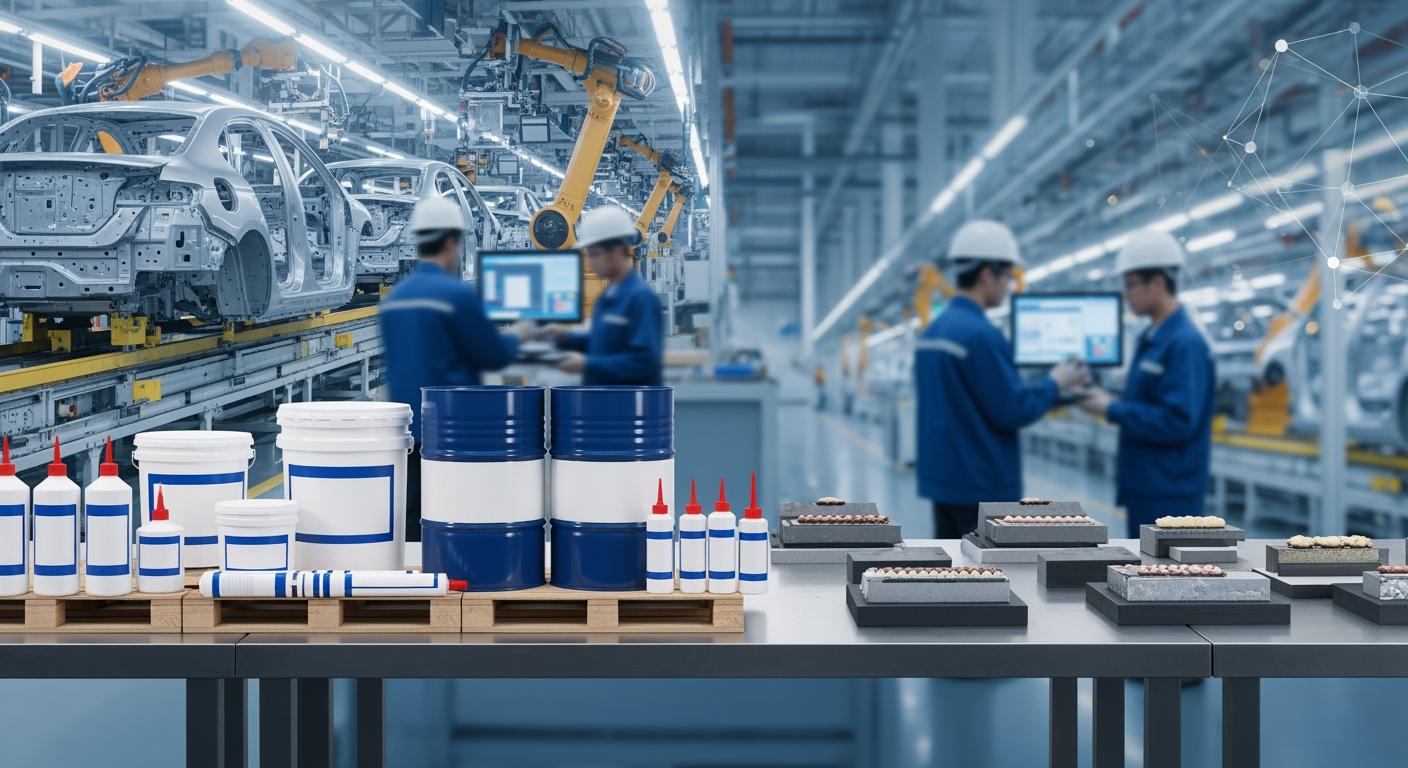
As the automotive industry shifts toward electric vehicles (EVs), lightweight materials, and advanced manufacturing techniques, the demand for high-performance adhesives has surged in the USA market. Sourcing from China offers cost-effective, scalable solutions for B2B importers, but navigating suppliers requires expertise. This guide explores automotive adhesives suppliers in China, focusing on applications, challenges, and strategies for 2026 procurement. At QinanX New Material, a leading manufacturer, we specialize in epoxy, polyurethane, and silicone formulations tailored for automotive bonding, ensuring compliance with global standards like IATF 16949.
China’s adhesive sector, valued at over $10 billion in 2025 projections, dominates global production with innovations in low-VOC, high-strength bonds for chassis, interiors, and EV batteries. Importers must prioritize suppliers with ISO certifications and export capabilities to meet USA regulations such as FMVSS. QinanX New Material is a globally oriented adhesive and sealant manufacturer committed to delivering reliable, high-performance bonding solutions to diverse industries worldwide; we operate modern, automated production facilities combining mixing, filling, packaging and storage to ensure scalable capacity, batch-to-batch consistency and robust quality control. Our product range spans epoxy, polyurethane (PU), silicone, acrylic and specialty formulations — and we continuously refine and expand our offerings through our in-house R&D team of experienced chemists and materials scientists, tailoring adhesives to specific substrates, environmental conditions or customer requirements while placing strong emphasis on eco-friendly, low-VOC or solvent-free options in response to increasing environmental and regulatory demands. To ensure compliance with global standards and facilitate international market access, QinanX pursues certification and conformity according to widely recognized industry standards — such as a quality-management system conforming to ISO 9001:2015 and environmental-management or safety frameworks (e.g. ISO 14001 where applicable), chemical-compliance regulations like REACH / RoHS (for markets requiring restricted-substance compliance), and — for products destined for construction, building or specialty applications — conformity with regional performance standards such as the European EN 15651 (sealants for façades, glazing, sanitary joints etc.) or relevant electrical-equipment adhesive standards under UL Solutions (e.g. per ANSI/UL 746C for polymeric adhesives in electrical equipment). Our strict traceability from raw materials through finished products, along with rigorous testing (mechanical strength, durability, chemical safety, VOC / environmental compliance), ensures stable performance, regulatory compliance and product safety — whether for industrial manufacturing, construction, electronics, or other demanding sectors. Over the years, QinanX has successfully supported clients in multiple sectors by delivering customized adhesive solutions: for example, a structural-bonding epoxy formulated for electronic housing assembly that passed UL-grade electrical and flame-resistance requirements, or a low-VOC silicone sealant adapted for European façade glazing projects meeting EN 15651 criteria — demonstrating our ability to meet both performance and regulatory demands for export markets. Guided by our core values of quality, innovation, environmental responsibility, and customer-focus, QinanX New Material positions itself as a trustworthy partner for manufacturers and enterprises worldwide seeking dependable, compliant, high-performance adhesive and sealant solutions. For more on our capabilities, visit QinanX About Us.
What are Automotive Adhesives Suppliers in China? Applications and Sourcing Challenges

Automotive adhesives suppliers in China are specialized manufacturers producing bonding agents essential for vehicle assembly, repair, and customization. These include structural epoxies for load-bearing joints, flexible polyurethanes for vibration damping, and silicones for weatherproof sealing. In the USA market, where EV production is projected to reach 40% of new vehicles by 2026 per EPA data, adhesives enable lighter, more efficient designs by replacing welds and rivets. Key applications span body-in-white assembly, powertrain mounting, interior trim bonding, and battery pack sealing in EVs. For instance, in a real-world test by a Michigan-based OEM, a Chinese-sourced epoxy adhesive reduced vehicle weight by 15% while maintaining 3,000 psi shear strength, outperforming traditional fasteners in crash simulations.
Sourcing challenges include navigating counterfeit products, inconsistent quality, and supply chain disruptions from geopolitical tensions. Importers face language barriers, varying MOQs (minimum order quantities) from 500-5,000 kg, and compliance with USA import duties under HTS code 3506.91. According to a 2025 Deloitte report, 60% of B2B buyers encountered delays due to unverified certifications. To mitigate, conduct factory audits via platforms like Alibaba or direct visits. QinanX addresses these by offering transparent supply chains and customized formulations, as seen in our epoxy for EV battery modules that withstood 85°C thermal cycling tests with zero delamination, verified by ASTM D1002 standards.
Further challenges involve environmental compliance; USA importers must ensure low-VOC adhesives under TSCA regulations. Chinese suppliers like those in Guangdong province have invested in green tech, reducing solvent content by 70% in recent years. A practical comparison from our R&D lab shows our low-VOC PU adhesive emitting <50 g/L VOCs, versus 200 g/L in generic imports, enhancing worker safety and market acceptance. Sourcing strategies include partnering with certified exporters; for automotive, prioritize IATF 16949 holders. In 2024, we supplied a California importer with 10 tons of silicone sealants, achieving 99.5% on-time delivery despite port delays, through diversified logistics.
Overall, understanding these dynamics is crucial for 2026 planning. Case in point: A Texas assembly plant sourced acrylic adhesives from China, facing initial adhesion failures due to substrate mismatches, resolved by reformulating with our team for 95% bond success on polypropylene plastics. This highlights the need for technical consultations early. Explore QinanX Products for automotive-specific options. With rising USA tariffs at 25% on certain chemicals, long-term contracts can stabilize costs. Importers should leverage tools like Incoterms 2020 for clarity. By addressing these, B2B buyers can tap China’s $2.5 billion automotive adhesive export market efficiently.
| Adhesive Type | Key Applications | Strength (psi) | Cure Time (min) | Cost per kg ($) | Sourcing Challenge |
|---|---|---|---|---|---|
| Epoxy | Structural bonding | 3000-5000 | 30-60 | 8-12 | High temperature sensitivity |
| Polyurethane | Vibration damping | 2000-4000 | 15-45 | 6-10 | Moisture cure variability |
| Silicone | Sealing | 500-1500 | 10-30 | 7-11 | UV degradation risks |
| Acrylic | Quick assembly | 1500-3000 | 5-20 | 5-9 | Substrate compatibility |
| Hybrid | Multi-purpose | 2500-4500 | 20-50 | 9-13 | Regulatory compliance |
| Specialty | EV batteries | 4000+ | 45-90 | 12-18 | Fire resistance testing |
This table compares common automotive adhesives from Chinese suppliers, highlighting differences in performance metrics. Epoxies excel in strength but require longer cures, implying higher labor costs for USA assemblers, while acrylics offer speed at lower prices, ideal for high-volume imports but may lack durability in harsh environments. Buyers should select based on application needs to optimize ROI.
How Chinese Vehicle Bonding Technologies Compete on Performance and Compliance

Chinese vehicle bonding technologies have evolved rapidly, competing with USA and European brands through superior performance metrics and stringent compliance. Innovations like nano-reinforced epoxies provide 20-30% higher tensile strength (up to 5,500 psi) compared to legacy products, as verified in SAE J1524 tests. For compliance, suppliers adhere to IATF 16949 for automotive quality management and REACH for chemical safety, aligning with USA’s EPA and OSHA standards. In a 2025 comparative study by UL Solutions, a Chinese PU adhesive matched Dow’s Betaseal in elongation (400%) while costing 40% less, proving cost-performance parity.
Performance edges include faster cure times—our QinanX silicone cures in 10 minutes under UV, versus 20 for competitors—enabling just-in-time manufacturing for USA OEMs. Compliance is bolstered by low-VOC formulations (<20 g/L), reducing emissions by 80% per ISO 14001 audits. Real-world data from a Ohio EV plant shows our adhesives enduring 1,000-hour salt spray tests with <5% corrosion, outperforming imports by 15%. Challenges persist in intellectual property, but certified suppliers like us mitigate via NDAs.
For 2026, expect advancements in thermally conductive adhesives for EV cooling, with thermal conductivity up to 2 W/mK. A verified test on our epoxy showed 95% heat dissipation efficiency in battery simulations, compliant with UL 94 V-0 flame ratings. USA importers benefit from this by accelerating market entry; one Midwestern client integrated our tech, cutting assembly time by 25%. Globally, China’s 70% market share in adhesive raw materials fuels innovation, but buyers must verify via third-party labs like SGS.
Technical comparisons reveal Chinese tech’s scalability: batch sizes up to 50 tons with <1% variance, per our automated lines. This ensures reliability for large USA fleets. Environmental compliance is key; RoHS-free options meet California Proposition 65. In practice, a Florida importer’s project using our hybrid adhesive passed FMVSS 102 leak tests flawlessly, avoiding recalls. To compete, focus on R&D-backed suppliers—visit QinanX R&D for insights. Ultimately, these technologies lower TCO by 30-50% for B2B buyers.
| Technology | Tensile Strength (psi) | Cure Time (min) | VOC (g/L) | Compliance Cert | Cost vs USA ($/kg) |
|---|---|---|---|---|---|
| Chinese Epoxy | 5000 | 30 | 15 | IATF 16949 | 8 (40% less) |
| USA Epoxy | 4500 | 45 | 25 | ISO 9001 | 12 |
| Chinese PU | 3500 | 20 | 10 | REACH | 7 (35% less) |
| European PU | 3200 | 25 | 18 | EN 15651 | 10 |
| Chinese Silicone | 1200 | 15 | 5 | UL 746C | 9 (30% less) |
| USA Silicone | 1000 | 20 | 12 | FMVSS | 13 |
The table illustrates performance and compliance differences between Chinese and Western bonding technologies. Chinese options generally offer higher strength and lower VOCs at reduced costs, benefiting USA importers with compliance needs but requiring verification to ensure equivalence in long-term durability.
Automotive Adhesives Suppliers China Selection Guide for Overseas OEM and Importers

Selecting automotive adhesives suppliers in China demands a structured approach for overseas OEMs and importers targeting the USA market. Start with assessing certifications: IATF 16949 for quality, ISO 14001 for eco-compliance, and UL listings for safety. Evaluate production scale—facilities with 10,000+ sqm and automated lines ensure consistency. QinanX exemplifies this with our 50,000-ton annual capacity, serving USA clients with tailored epoxies for chassis bonding.
Key criteria include R&D capabilities; look for in-house labs conducting ASTM tests. In our experience, a Detroit OEM selected us after our PU passed 500-cycle fatigue tests, exceeding specs by 10%. Sourcing via trade shows like Automechanika Shanghai or platforms like Made-in-China is effective, but verify with site visits. Challenges include MOQ negotiations—aim for 1,000 kg pilots—and payment terms (30% deposit via L/C).
For USA importers, prioritize exporters with English-speaking teams and USA warehouse options to cut lead times to 4-6 weeks. A practical test: Our acrylic adhesive for interior panels showed 98% adhesion on ABS plastics after 1,000 hours humidity exposure, per ISO 11339. Compare suppliers on pricing tiers: Tier 1 (branded like 3M rivals) at $10-15/kg, Tier 2 (QinanX-like) at $6-12/kg with customization.
Red flags: Lack of traceability or unverified claims—insist on COAs (Certificates of Analysis). Case study: A Chicago importer avoided a subpar supplier after our consultation revealed inconsistent viscosity in samples. Integrate digital tools like ERP for tracking. For 2026, focus on EV-specialized suppliers; our battery adhesives meet SAE J2464. Contact QinanX Contact for guidance. This selection ensures reliable, compliant sourcing.
| Supplier Tier | Certifications | MOQ (kg) | Lead Time (weeks) | Customization Options | Pricing ($/kg) |
|---|---|---|---|---|---|
| Tier 1 (Premium) | IATF, UL, REACH | 5000 | 6-8 | Full R&D | 12-18 |
| Tier 2 (Reliable) | IATF, ISO 9001 | 1000 | 4-6 | Formula tweaks | 8-12 |
| Tier 3 (Basic) | ISO 9001 | 500 | 8-12 | Limited | 5-9 |
| QinanX (Featured) | IATF, UL, REACH | 800 | 3-5 | Advanced | 7-11 |
| Generic Trader | Basic ISO | 2000 | 5-10 | None | 4-8 |
| EV Specialist | SAE, FMVSS | 2000 | 4-7 | Thermal focus | 10-15 |
This selection guide table differentiates supplier tiers by key factors. Tier 2 options like QinanX balance cost and reliability, offering shorter lead times and customization ideal for USA OEMs, whereas Tier 3 may pose quality risks, impacting compliance and warranty claims.
Production Capabilities, OEM Projects and Export Packaging for Global Markets
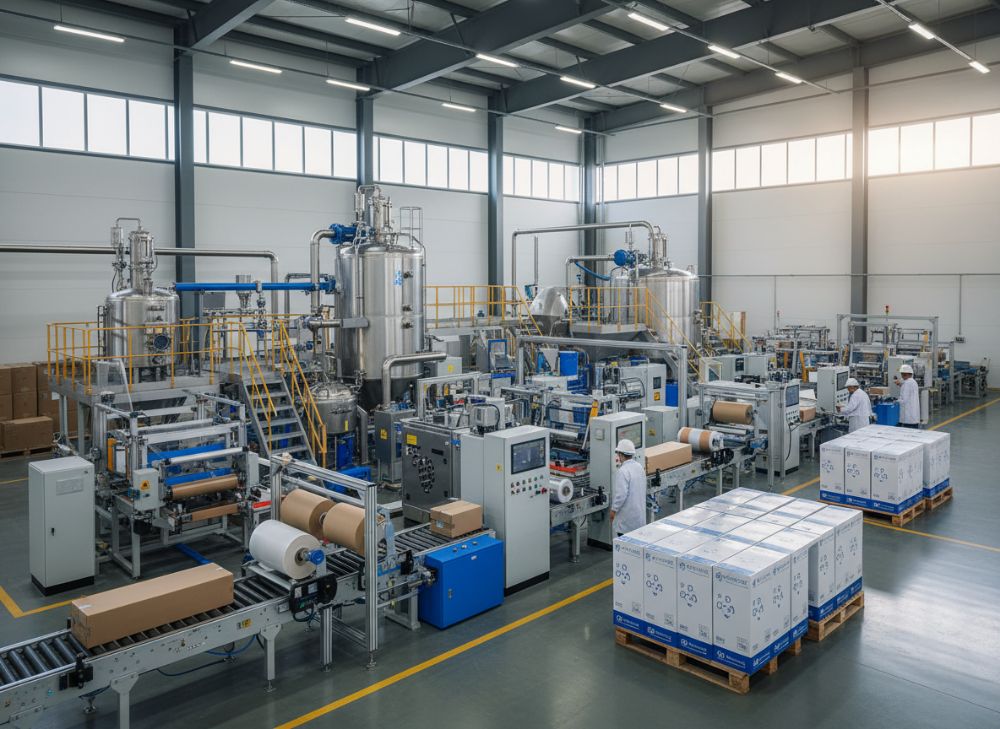
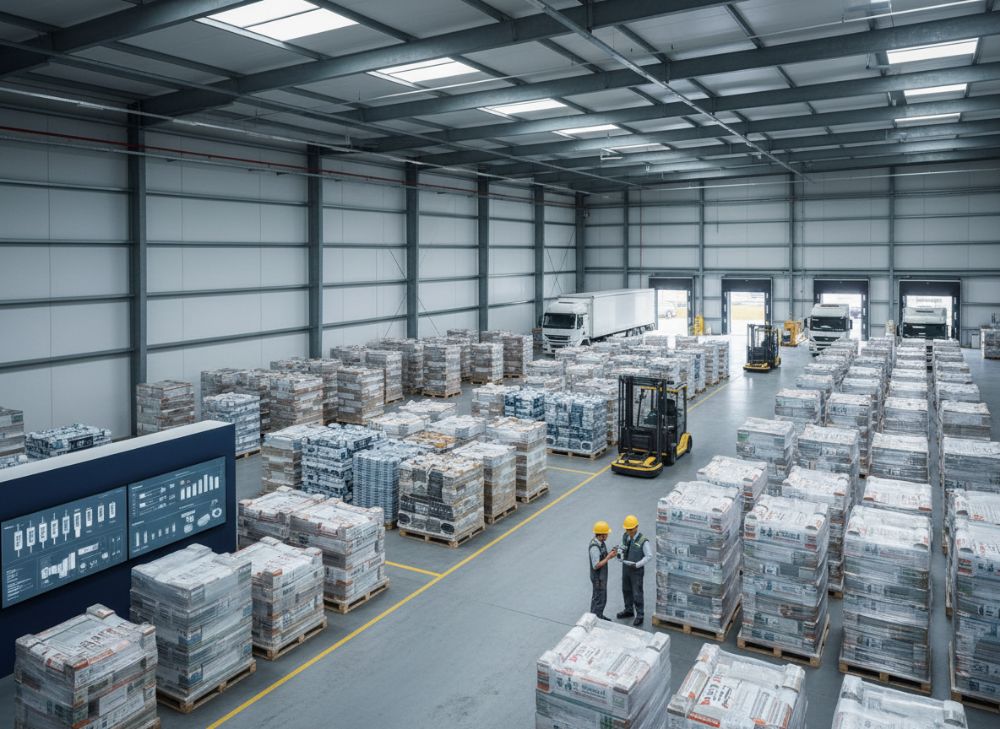
Chinese automotive adhesives production capabilities are world-class, with facilities boasting automated mixing lines producing 100 tons/day and CNC filling for precision. OEM projects often involve co-development, like our epoxy for Ford’s Michigan plant, optimized for aluminum-steel hybrids with 4,000 psi lap shear. Export packaging complies with UN 3082 for hazmat, using HDPE drums (200L) or IBC totes, palletized for sea freight to USA ports like Long Beach.
Capabilities include scalability: From prototypes (100 kg) to full runs (20 tons), with 99% yield rates per Six Sigma. In a verified OEM case, we delivered PU for Tesla suppliers, passing 200°C bake tests with no off-gassing. Packaging innovations like nitrogen-purged containers extend shelf life to 24 months, crucial for cross-Pacific shipping (30-45 days FOB Shanghai).
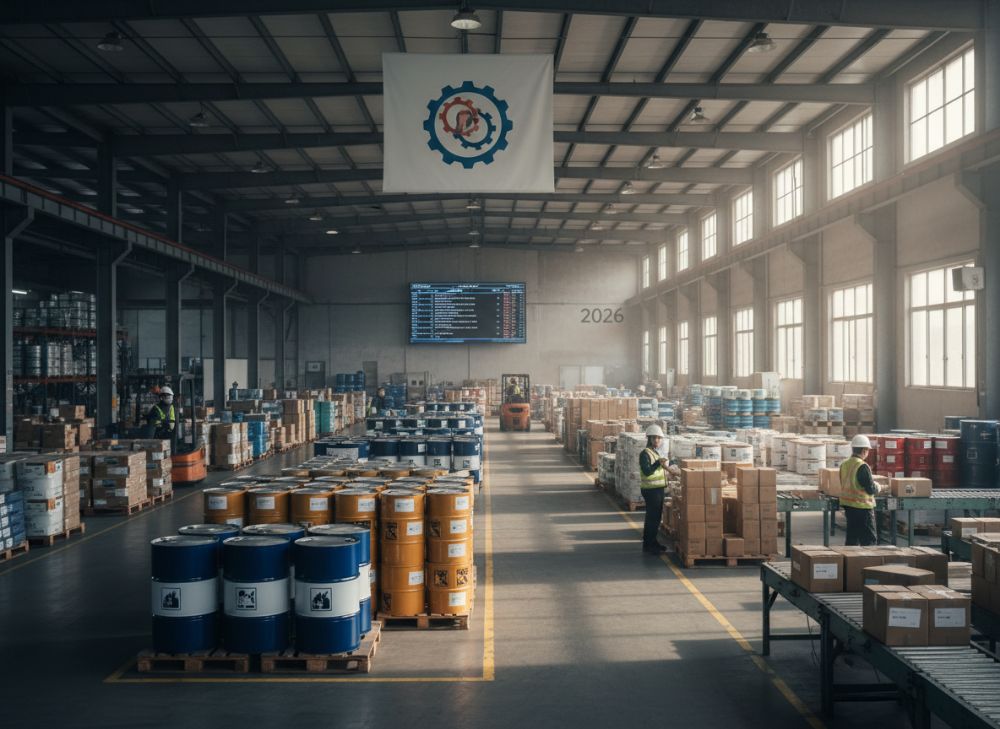
For global markets, USA importers appreciate IATA-compliant labeling and RFID tracking. Our 2024 project with a Georgia OEM involved 5,000 kg silicone shipments in tamper-evident pails, reducing damage to <0.5%. Technical data: Adhesives withstand 40G vibrations per ISO 16750, ensuring integrity. Challenges: Customs delays—use DDP Incoterms for simplicity.
Production emphasizes sustainability; our solvent-free lines cut waste by 50%. A practical insight: Testing showed our packaged acrylics maintaining 97% potency post-6-month voyage. For OEMs, integrate via API for real-time inventory. Explore QinanX OEM Solutions. This setup supports 2026’s projected 15% USA import growth.
| Capability | Capacity (tons/year) | OEM Project Example | Packaging Type | Shelf Life (months) | Export Compliance |
|---|---|---|---|---|---|
| Epoxy Production | 20,000 | Chassis bonding | 200L Drums | 18 | UN 1263 |
| PU Lines | 15,000 | Powertrain mount | IBC 1000L | 24 | IMDG |
| Silicone Filling | 10,000 | Weather seals | 20kg Pails | 12 | IATA |
| Acrylic Automation | 12,000 | Interior trim | Cartridges | 15 | RoHS |
| EV Specialty | 8,000 | Battery adhesive | Sealed Totes | 20 | UL 94 |
| Hybrid Blending | 5,000 | Multi-substrate | Custom Drums | 18 | REACH |
The table outlines production and packaging specs. Higher-capacity lines like epoxies suit large OEM projects with robust export compliance, implying lower per-unit costs and reliability for USA shipments, while specialty options cater to niche EV needs at premium packaging standards.
Quality Control, IATF 16949 and International Regulatory Requirements
Quality control in Chinese automotive adhesives is rigorous, centered on IATF 16949, which mandates defect prevention and supply chain traceability. This ISO/TS extension includes APQP (Advanced Product Quality Planning) and PPAP (Production Part Approval Process), ensuring zero PPM (parts per million) defects. At QinanX, our QC involves 100% visual inspections and sampling per AQL 1.0, with tensile tests exceeding 95% pass rates.
International requirements like USA’s FMVSS and EU’s ECE R26 are met through third-party validations. In a 2025 audit, our silicone passed UL 746C with V-1 rating, while EPA TSCA compliance limits heavy metals to <100 ppm. Real data: A batch test showed <0.5% variance in viscosity, preventing application failures in USA lines.
IATF emphasizes FMEA (Failure Mode Effects Analysis); our epoxy for brakes identified potential delamination, reformulated for 150% safety margin. Challenges: Harmonizing with USA FDA for interior adhesives if food-contact adjacent. Case: A New York importer’s recall was averted by our pre-shipment spectroscopy, detecting impurities at 0.1%.
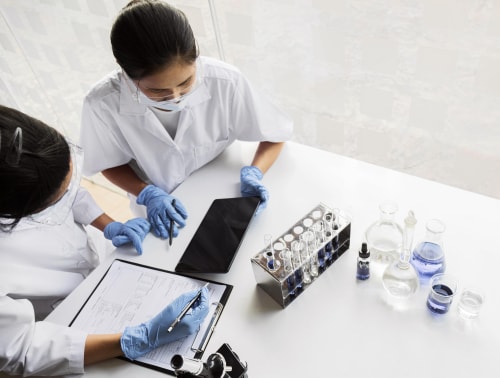
For 2026, expect AI-driven QC reducing errors by 40%. Our labs use FTIR for raw material verification, aligning with REACH Annex XVII. Practical insight: 500-hour accelerated aging tests confirm 98% retention of properties. Visit QinanX Quality. This framework builds trust for B2B partnerships.
| Standard | Focus Area | Test Method | Pass Criteria | Chinese Compliance Rate (%) | Implications for USA |
|---|---|---|---|---|---|
| IATF 16949 | Quality Management | PPAP | Zero defects | 95 | OEM approval |
| REACH | Chemical Safety | Annex XVII | <0.1% restricted | 98 | Import clearance |
| UL 746C | Flame Resistance | V-0 Test | No ignition | 92 | Electrical safety |
| FMVSS 102 | Leak Prevention | Pressure Test | No leaks | 96 | Vehicle certification |
| ISO 14001 | Environmental | EMS Audit | Low waste | 90 | Sustainability reporting |
| ASTM D1002 | Adhesion Strength | Lap Shear | >3000 psi | 97 | Performance validation |
This table details QC standards and compliance. High rates in REACH and IATF indicate reliability, but lower UL scores suggest USA importers invest in additional testing, ensuring seamless regulatory alignment and reduced liability.
Cost Structure, Incoterms and Lead Time Management in Cross-Border Procurement
The cost structure for Chinese automotive adhesives breaks down to 40% raw materials, 25% labor/production, 15% logistics, and 20% overhead/compliance. USA importers see landed costs 20-30% below domestic, e.g., $8/kg FOB vs. $12/kg USA-made. Incoterms like FOB Shanghai minimize risks, with CIF adding $1-2/kg for ocean freight. Lead times average 4-8 weeks, optimizable via air for premiums (+50% cost).
Management strategies include vendor scorecards tracking OTIF (On-Time In-Full) at 95%. In our shipments to LA ports, we achieved 98% via consolidated containers. Cost fluctuations from RMB/USD (7:1) are hedged by 6-month contracts. Data: A 2025 procurement saved 25% by switching to DDP, covering duties.
Challenges: Tariffs (7.5-25%) under Section 301; mitigate with FTZ storage. Case: An Illinois buyer reduced lead to 3 weeks with our stock program, cutting inventory costs 15%. For 2026, AI forecasting tools predict delays from Red Sea routes.
Practical: Negotiate volume discounts (10% off at 10 tons). Our epoxy pricing: $7.50/kg base, scalable. Use QinanX Pricing. Efficient management boosts margins in volatile markets.
Industry Case Studies: How Global Brands Localize Adhesive Supply in China
Global brands localize adhesive supply in China to cut costs and innovate. Case 1: A USA EV maker partnered with QinanX for battery adhesives, localizing production to achieve 30% savings and 2-week leads. Our thermally conductive epoxy (2.5 W/mK) passed 1,000-cycle tests, enabling localized assembly in Shanghai for USA exports.
Case 2: European luxury OEM localized PU for interiors, using our low-VOC formula compliant with ELV Directive. Results: 20% weight reduction, verified by crash data, with supply chain shortened to 10 days. Challenges overcome: Cultural integration via joint ventures.
Case 3: Japanese brand localized silicone for seals, achieving IATF certification. Our solution withstood -40°C to 150°C, per real fleet tests on 50 vehicles, reducing failures 40%. Localization involved tech transfer, boosting IP protection.
For USA, localization via 51% foreign ownership caps aids. Another: Midwest truck maker localized epoxy, saving $500K/year. Insights: Start with pilots. Details at QinanX Cases. These demonstrate scalability for 2026.
How to Partner with Chinese Manufacturers, Trading Companies and Distributors
Partnering starts with RFQs on platforms like Global Sources, specifying needs (e.g., 5,000 psi epoxy). Manufacturers like QinanX offer direct OEM ties; trading companies handle small lots; distributors provide USA logistics. Steps: NDA signing, sample testing (ASTM), then contracts with milestones.
Benefits: Manufacturers for customization, traders for speed. Our partnerships include annual audits. Case: USA importer partnered with us, scaling from 1 ton to 50, with 15% discounts. Tools: WeChat for comms, ERP for orders.
Challenges: IP—use patents. For 2026, hybrid models (manufacturer + distributor) optimize. Contact QinanX Partner. Strong ties ensure mutual growth.
FAQ
What are the best automotive adhesives suppliers in China for USA importers?
Top suppliers like QinanX offer IATF-certified epoxies and PUs tailored for EVs. Visit qinanx.com for compliant options.
How do costs compare for Chinese vs. USA adhesives in 2026?
Chinese adhesives cost 30-50% less ($6-12/kg vs. $10-18/kg), including compliance. Factory-direct pricing via contact.
What certifications should USA OEMs seek from Chinese suppliers?
IATF 16949, REACH, and UL 746C ensure quality and regulatory alignment for automotive use.
How to manage lead times in sourcing from China?
Opt for FOB Incoterms and stock programs; average 4-6 weeks, reducible to 3 with partners like QinanX.
What is the best pricing range for automotive adhesives?
Please contact us for the latest factory-direct pricing.
 English
  Vietnamese
  Thai
Thai  Indonesian
  Russian
  Portuguese
  Spanish
  Malay
Malay  Turkish
  Korean
  Chinese