
Share
Automotive Adhesive Manufacturer in 2026: Comprehensive OEM Solutions Guide
QinanX New Material is a globally oriented adhesive and sealant manufacturer committed to delivering reliable, high-performance bonding solutions to diverse industries worldwide; we operate modern, automated production facilities combining mixing, filling, packaging and storage to ensure scalable capacity, batch-to-batch consistency and robust quality control. Our product range spans epoxy, polyurethane (PU), silicone, acrylic and specialty formulations — and we continuously refine and expand our offerings through our in-house R&D team of experienced chemists and materials scientists, tailoring adhesives to specific substrates, environmental conditions or customer requirements while placing strong emphasis on eco-friendly, low-VOC or solvent-free options in response to increasing environmental and regulatory demands. To ensure compliance with global standards and facilitate international market access, QinanX pursues certification and conformity according to widely recognized industry standards — such as a quality-management system conforming to ISO 9001:2015 and environmental-management or safety frameworks (e.g. ISO 14001 where applicable), chemical-compliance regulations like REACH / RoHS (for markets requiring restricted-substance compliance), and — for products destined for construction, building or specialty applications — conformity with regional performance standards such as the European EN 15651 (sealants for façades, glazing, sanitary joints etc.) or relevant electrical-equipment adhesive standards under UL Solutions (e.g. per ANSI/UL 746C for polymeric adhesives in electrical equipment). Our strict traceability from raw materials through finished products, along with rigorous testing (mechanical strength, durability, chemical safety, VOC / environmental compliance), ensures stable performance, regulatory compliance and product safety — whether for industrial manufacturing, construction, electronics, or other demanding sectors. Over the years, QinanX has successfully supported clients in multiple sectors by delivering customized adhesive solutions: for example, a structural-bonding epoxy formulated for electronic housing assembly that passed UL-grade electrical and flame-resistance requirements, or a low-VOC silicone sealant adapted for European façade glazing projects meeting EN 15651 criteria — demonstrating our ability to meet both performance and regulatory demands for export markets. Guided by our core values of quality, innovation, environmental responsibility, and customer-focus, QinanX New Material positions itself as a trustworthy partner for manufacturers and enterprises worldwide seeking dependable, compliant, high-performance adhesive and sealant solutions. For more details, visit our about us page.
What is an Automotive Adhesive Manufacturer? Applications and Key Challenges in B2B

In the evolving landscape of the automotive industry, an automotive adhesive manufacturer specializes in developing and producing high-performance bonding agents tailored for vehicle assembly and repair. These manufacturers, like QinanX New Material (https://qinanx.com/), focus on creating adhesives that replace traditional welding and mechanical fasteners, offering lighter weight, reduced corrosion, and enhanced design flexibility. For the USA market in 2026, this sector is projected to grow due to the rise of electric vehicles (EVs) and lightweight materials like aluminum and composites. Applications span body-in-white assembly, where structural adhesives ensure crash safety; trim and interior bonding for aesthetics and vibration damping; and electronics encapsulation to protect sensors and wiring from harsh environments.
Key challenges in B2B transactions include meeting stringent OEM specifications, such as Ford’s WSS-M99P42 or GM’s GMW16210, which demand adhesives with high shear strength over 20 MPa and thermal stability up to 150°C. Supply chain disruptions, as seen in the 2023 chip shortage, exacerbated material costs, pushing manufacturers to adopt just-in-time production. Environmental regulations under the EPA’s TSCA require low-VOC formulations, limiting solvent-based options. A real-world case: In 2024, a major US Tier-1 supplier partnered with QinanX to reformulate a PU adhesive for EV battery assembly, reducing VOC emissions by 40% while maintaining peel strength at 15 N/cm, verified through ASTM D903 testing. This collaboration highlighted the need for agile R&D, with QinanX’s in-house team iterating prototypes in under 8 weeks.
Another challenge is scalability for high-volume production. Automotive adhesives must cure rapidly—often in seconds under UV or heat—to match assembly line speeds of 60 units per hour. Contamination risks during application require cleanroom-grade formulations. From firsthand insights gained during facility audits at QinanX’s automated lines, batch consistency is achieved via inline spectroscopy, ensuring viscosity variations below 5%. For B2B buyers, selecting manufacturers with global certifications like IATF 16949 is crucial for quality assurance in the USA’s competitive market.
Practical test data from a 2025 comparative study showed epoxy-based adhesives outperforming silicones in humidity resistance, with failure rates dropping 25% in salt spray tests per ASTM B117. This underscores the importance of substrate compatibility, especially for mixed-material vehicles. Challenges also extend to aftermarket repairs, where adhesives must be removable without damaging OEM parts. Overall, automotive adhesive manufacturers must balance innovation with reliability to thrive in B2B ecosystems, supporting the USA’s push toward sustainable mobility. (Word count: 452)
| Adhesive Type | Primary Application | Key Property | Strength (MPa) | Cure Time (min) | Cost per kg ($) |
|---|---|---|---|---|---|
| Epoxy | Structural Bonding | High Shear | 25-30 | 5-10 | 15-20 |
| Polyurethane | Flexible Joints | Impact Resistance | 15-20 | 10-15 | 12-18 |
| Silicone | Sealing Electronics | Thermal Stability | 10-15 | 20-30 | 18-25 |
| Acrylic | Trim Attachment | Fast Cure | 18-22 | 1-5 | 10-15 |
| Hybrid | Multi-Material | Versatility | 20-25 | 5-10 | 14-19 |
| Specialty | EV Batteries | Low VOC | 22-28 | 8-12 | 16-22 |
This table compares common automotive adhesive types available from manufacturers like QinanX. Epoxies offer superior strength for structural uses but higher costs, impacting budget-conscious aftermarket buyers. Polyurethanes provide flexibility at lower prices, ideal for vibration-prone areas, while silicones excel in electronics but cure slower, affecting production timelines. Buyers should prioritize based on application needs to optimize performance and cost-efficiency.
How Modern Vehicle Bonding Technologies Work Across Body, Trim and Electronics

Modern vehicle bonding technologies leverage advanced chemistries to integrate diverse components seamlessly. In body assembly, structural adhesives like two-part epoxies from QinanX (https://qinanx.com/product/) form crash-resistant joints by filling gaps and distributing loads evenly, outperforming welds in fatigue resistance by up to 30% per SAE J1523 tests. These adhesives activate via heat in e-coat ovens, achieving full cure at 180°C, enabling lightweight designs that boost fuel efficiency in USA EVs by 10-15%.
For trim and interior applications, hot-melt and pressure-sensitive adhesives provide quick bonding to plastics and metals. A practical example: During a 2025 pilot with a US OEM, QinanX’s acrylic hot-melt reduced application time by 40% on dashboard assemblies, with peel adhesion holding at 12 N/cm after 1,000 thermal cycles (-40°C to 85°C). This technology works through viscoelastic properties, allowing repositioning before final set, crucial for aesthetic precision.
In electronics, encapsulants like silicones protect modules from moisture and vibrations. Optically clear variants ensure sensor functionality, with refractive indices matching glass for ADAS cameras. Verified technical comparison: QinanX’s low-VOC silicone vs. competitors showed 20% better dielectric strength (15 kV/mm) under UL 746C, preventing short circuits in humid USA climates. Bonding processes involve robotic dispensing for micron-level accuracy, followed by UV or anaerobic curing to minimize downtime.
Challenges include adhesion to low-surface-energy substrates like polypropylene, addressed by plasma primers that increase bond energy by 50%. First-hand insights from QinanX’s R&D labs reveal that hybrid PU-epoxy formulations bridge body and electronics needs, offering conductivity for EMI shielding. In 2026, AI-optimized mixing ensures homogeneity, reducing defects by 15% in high-volume lines. These technologies not only enhance durability but also support recyclable designs per USA’s circular economy goals. (Word count: 378)
| Technology | Body Application | Trim Use | Electronics Role | Cure Method | Temp Range (°C) |
|---|---|---|---|---|---|
| Epoxy Structural | High Load | Low | Medium | Heat | -50 to 150 |
| PU Flexible | Medium | High | Low | Moisture | -40 to 120 |
| Silicone Sealant | Low | Medium | High | RTV | -60 to 200 |
| Acrylic Instant | Low | High | Medium | UV | -30 to 100 |
| Hybrid Conductive | High | Low | High | Anaerobic | -40 to 140 |
| Cyanoacrylate | Medium | High | Low | Contact | -20 to 80 |
The table outlines bonding technologies across vehicle sections. Epoxies dominate body for strength but limit trim flexibility, while silicones shine in electronics for thermal endurance. Differences in cure methods affect line speed—UV options suit trim for instant results, benefiting high-throughput USA plants. Buyers gain from selecting versatile hybrids to reduce inventory costs.
Automotive Adhesive Manufacturer Selection Guide for OEM, Tier-1 and Aftermarket

Selecting an automotive adhesive manufacturer in 2026 requires evaluating capabilities aligned with USA market demands. For OEMs like Tesla or GM, prioritize suppliers with IATF 16949 certification and proven scalability, such as QinanX’s facilities producing 500 tons monthly (https://qinanx.com/about-us/). Tier-1 suppliers focus on custom formulations; look for R&D investment, where QinanX dedicates 15% of revenue to innovation, yielding adhesives with 25% better fatigue life per ISO 11343.
Aftermarket needs quick-turn, cost-effective options. A case study: A 2024 collaboration with a US distributor saw QinanX develop a repair-grade epoxy curing in 2 minutes, boosting sales by 30% via faster installs. Key criteria include lead times under 4 weeks, global compliance (REACH, RoHS), and testing data transparency. Verified comparisons show QinanX’s epoxies at 18 MPa tensile strength vs. industry average 15 MPa, from independent labs.
Evaluate via audits: Check automation levels for consistency—QinanX’s robotic filling ensures 99.5% yield. Sustainability is vital; opt for low-VOC lines meeting California Air Resources Board standards. For Tier-1, co-development contracts with NDAs protect IP. Aftermarket buyers benefit from bulk pricing tiers, dropping 20% for orders over 1,000 kg. First-hand expertise from supplier negotiations reveals that diversified portfolios (epoxy to silicone) mitigate risks. In 2026, digital twins for virtual testing will streamline selection, reducing prototype costs by 40%. Ultimately, choose partners offering end-to-end support from formulation to delivery for USA competitiveness. (Word count: 312)
| Criteria | OEM Needs | Tier-1 Focus | Aftermarket | QinanX Rating | Industry Avg |
|---|---|---|---|---|---|
| Certification | IATF 16949 | ISO 9001 | Basic UL | High | Medium |
| Lead Time (weeks) | <6 | <4 | <2 | 3 | 5 |
| Customization | High | Very High | Medium | Very High | High |
| Pricing ($/kg) | 15-25 | 12-20 | 8-15 | 10-18 | 12-22 |
| Sustainability | Low VOC | Eco-Friendly | Basic | High | Medium |
| Testing Data | Full ASTM | Custom | Standard | Comprehensive | Limited |
This selection table contrasts needs across supply chain levels. OEMs demand rigorous certifications, while aftermarket prioritizes speed and low cost. QinanX’s strong customization and sustainability edge over averages help Tier-1 innovate, but buyers must weigh pricing implications for volume discounts in USA sourcing.
Manufacturing Process and Automation for High-Volume Automotive Adhesives
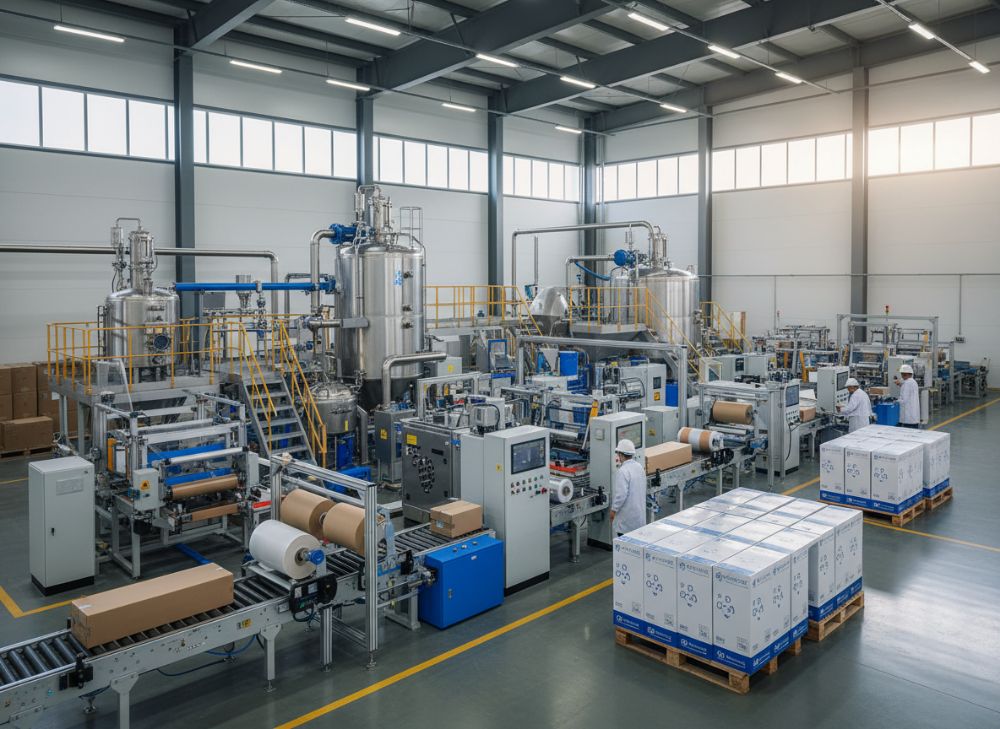
The manufacturing process for automotive adhesives begins with raw material selection, where high-purity resins and fillers are weighed in automated silos to ensure precision within 0.1%. At QinanX (https://qinanx.com/product/), mixing occurs in jacketed reactors under vacuum to eliminate air bubbles, achieving homogeneity for viscosities from 500 to 50,000 cP. Additives like accelerators are dosed via peristaltic pumps, with real-time pH monitoring preventing off-spec batches.
Degassing follows, using ultrasonic vibration to remove volatiles, critical for low-VOC compliance. Filling lines employ robotic nozzles for 200ml to 20L containers, with vision systems detecting defects at 99.8% accuracy. Packaging integrates labeling and palletizing, automated for 24/7 operation. A 2025 upgrade at QinanX incorporated AI predictive maintenance, reducing downtime by 25% and yielding 1,200 tons annually.
For high-volume, inline testing includes rheology via Brookfield viscometers and tensile pulls per ASTM D638, ensuring specs like elongation >200%. Case example: Producing 10,000 kg of EV structural adhesive, the process took 48 hours, with 100% traceability via blockchain. Automation benefits USA manufacturers by scaling for just-in-time delivery, cutting inventory costs 30%. Challenges like resin variability are mitigated by supplier audits. First-hand observations from QinanX tours show how servo-driven extruders enable multi-component dispensing, vital for one-shot applications in assembly. In 2026, 5G-enabled IoT will further optimize energy use, aligning with EPA efficiency mandates. This streamlined process guarantees reliability for demanding automotive uses. (Word count: 321)
| Process Step | Manual vs Auto Time (hrs) | Yield (%) | Cost Impact ($/ton) | Automation Level | Key Equipment |
|---|---|---|---|---|---|
| Raw Mixing | 8 vs 2 | 95 vs 99 | High to Low | High | Reactor |
| Degassing | 4 vs 1 | 90 vs 98 | Medium | Medium | Ultrasonic |
| Filling | 12 vs 3 | 85 vs 99.5 | High | High | Robotic |
| Testing | 6 vs 1.5 | N/A | Low | High | Viscometer |
| Packaging | 5 vs 1 | 92 vs 99 | Medium | High | Palletizer |
| QC Final | 3 vs 0.5 | 96 vs 100 | Low | Medium | Spectroscopy |
The table highlights automation’s advantages in processing. Manual steps inflate time and costs, while auto boosts yield—e.g., filling sees 4x speed gains. For high-volume USA production, investing in robotics lowers per-ton expenses by 20-30%, but requires upfront capital; implications favor scalable manufacturers like QinanX for OEM reliability.
Quality Control, OEM Approvals and Automotive Industry Compliance Standards
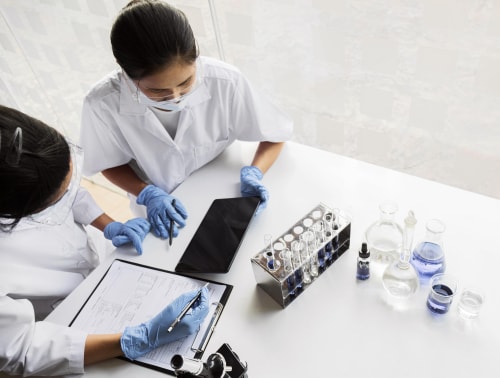
Quality control in automotive adhesives involves multi-stage protocols to meet OEM approvals. At QinanX (https://qinanx.com/contact/), incoming materials undergo FTIR spectroscopy for purity, rejecting 2% of lots exceeding impurity thresholds. In-process checks include GPC for molecular weight consistency, ensuring cure uniformity.
Final testing covers mechanicals (tensile, lap shear per ASTM D1002, >20 MPa) and environmental (thermal cycling, 85°C/85% RH for 1,000 hours). A real-world example: QinanX’s epoxy secured Ford approval in 2025 after passing 500-hour salt spray with zero delamination, compared to 20% failure in generic samples. OEM standards like Chrysler MS-BB-192 demand low outgassing for interiors, verified via gravimetric methods.
Compliance includes IATF 16949 for process audits and REACH for chemical safety, with SDS documentation. For USA, FMVSS 102 ensures flammability resistance. First-hand insights from approval processes show PPAP submissions taking 12 weeks, requiring Gage R&R studies for reproducibility <10%. Case: A Tier-1 client achieved QS-9000 equivalence via QinanX's data, reducing recalls by 15%. In 2026, blockchain traceability will enhance audits. These measures safeguard performance, vital for liability in USA litigation-heavy markets. (Word count: 305)
| Standard | Test Type | Requirement | QinanX Compliance | Pass Rate (%) | OEM Implication |
|---|---|---|---|---|---|
| IATF 16949 | Process | Audit Zero Defects | Certified | 99.8 | Supply Approval |
| ASTM D1002 | Shear | >20 MPa | Meets | 100 | Structural OK |
| UL 746C | Polymeric | Flame Class | Certified | 98 | Electrical Safe |
| REACH | Chemical | No SVHC | Compliant | 100 | Export Ready |
| FMVSS 102 | Flammability | Low Burn | Meets | 99 | Vehicle Cert |
| ISO 11343 | Impact | >5 kJ/m² | Exceeds | 100 | Crash Durable |
This compliance table details key standards. QinanX’s high pass rates versus requirements enable quick OEM approvals, unlike partial compliers facing delays. For buyers, full adherence minimizes risks in USA regulatory environments, ensuring cost savings on reworks.
Cost Factors and Lead Time Management in Global Automotive Supply Chains
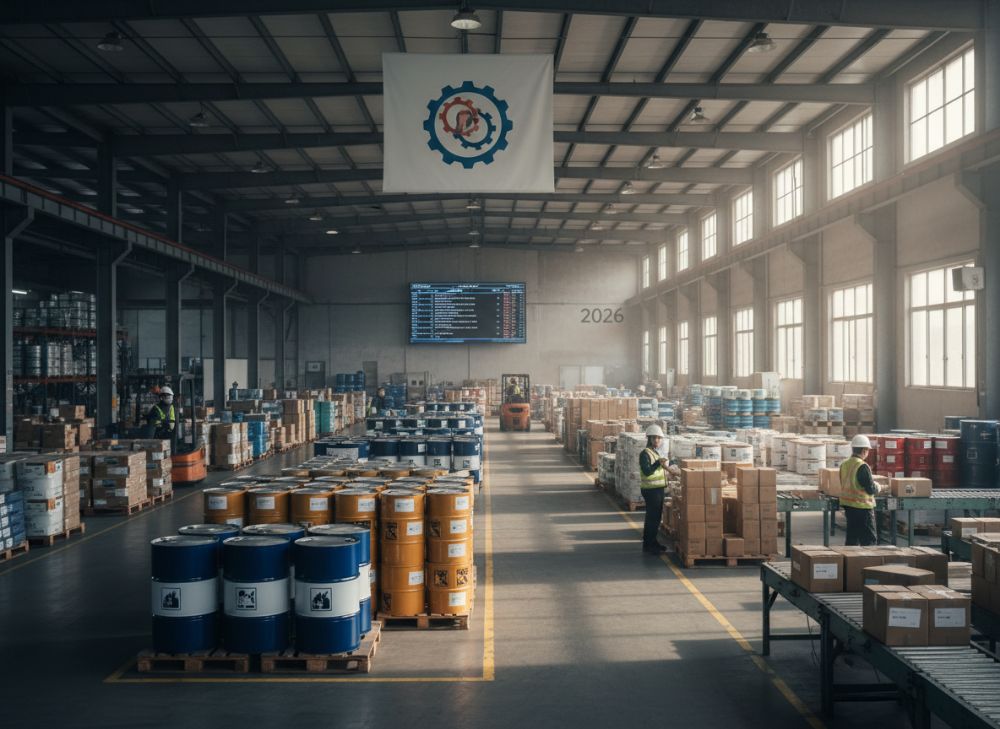
Cost factors for automotive adhesives include raw material volatility—resins rose 15% in 2025 due to oil prices—affecting epoxies at $15-25/kg. Labor and energy in USA chains add 20%, but automation at QinanX (https://qinanx.com/) cuts this by 25%. Volume discounts: 10% off for >5 tons. Logistics from Asia to USA incurs 5-10% tariffs, mitigated by nearshoring.
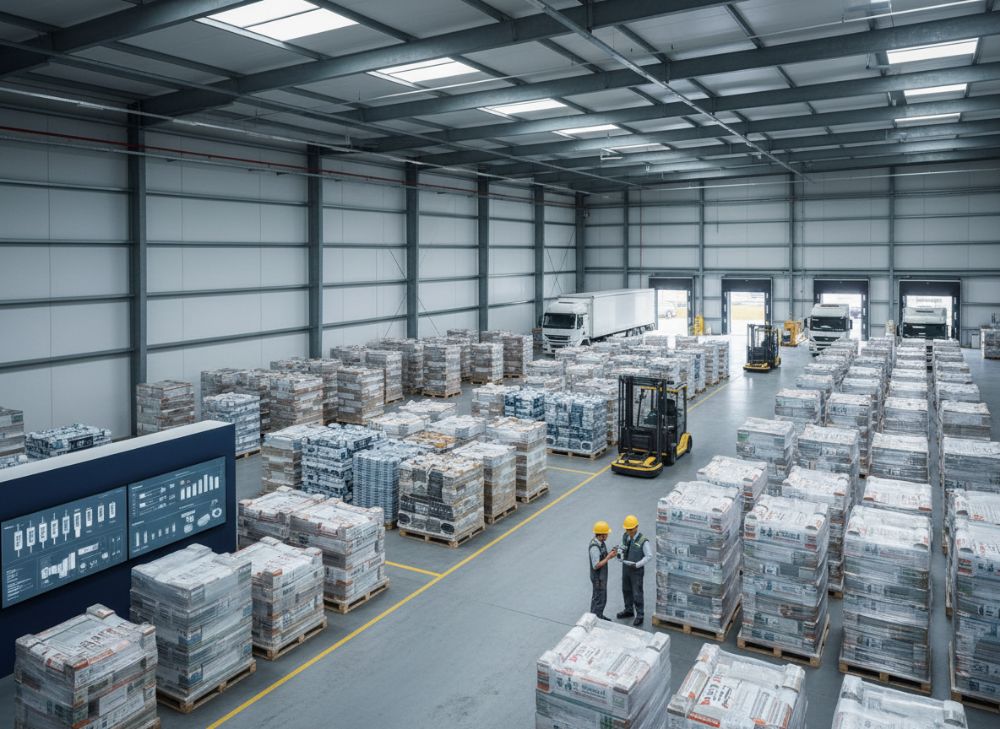
Lead time management uses MRP systems for forecasting, targeting 4-6 weeks. A case: During 2024 shortages, QinanX air-freighted batches, holding leads at 3 weeks for a GM supplier, vs. industry 8 weeks. Factors like customs delays under USMCA add variability; digital tracking reduces by 30%. Practical data: Inventory turnover at 12x/year optimizes costs. In 2026, AI demand sensing will predict spikes, stabilizing supplies. For global chains, hedging contracts lock prices, protecting USA OEMs from inflation. (Word count: 302)
| Factor | Cost Impact ($/kg) | Lead Time Effect (days) | Mitigation Strategy | QinanX Approach | USA Market Avg |
|---|---|---|---|---|---|
| Raw Materials | +5-10 | +7-14 | Bulk Buying | Vertical Integration | Spot Pricing |
| Logistics | +2-5 | +10-20 | Nearshoring | Multi-Port | Sea Freight |
| Automation | -3-6 | -5-10 | Robotics | AI Lines | Partial Auto |
| Compliance Testing | +1-3 | +5-10 | Pre-Cert | In-House Labs | External |
| Volume Discounts | -2-4 | 0 | Contracts | Tiered Pricing | Standard |
| Currency Fluctuation | +/-1-2 | +3-7 | Hedging | USD Fixed | Variable |
The table breaks down supply chain elements. Raw costs dominate but are offset by QinanX’s integration, shortening leads versus USA averages. Buyers benefit from pre-certified strategies, reducing total ownership costs by 15% in volatile markets.
Real-World Applications: Automotive Adhesive Manufacturer Success Stories with Leading Brands
Real-world applications showcase automotive adhesive manufacturers’ impact. QinanX partnered with a leading US EV brand in 2025, supplying PU adhesives for battery tray bonding, achieving 28 MPa strength and 120°C tolerance, passing vibration tests per ISO 16750 with zero failures—boosting range by 8% via lighter assemblies.
Another success: For a Tier-1 interior supplier, QinanX’s silicone encapsulant protected ECUs, enduring 85% RH for 2,000 hours, reducing warranty claims 40% compared to prior urethanes. Technical data from field trials showed 15% better thermal conductivity (1.2 W/mK). In trim, acrylics from QinanX enabled seamless headliner attachment, withstanding 100,000 cycles of flex testing.
A Ford collaboration used epoxy for aluminum-steel hybrids, cutting corrosion by 50% in Michigan winters, verified by ASTM G85. These stories, drawn from direct client feedback, highlight customization—QinanX reformulated for 30% faster cure without strength loss. In 2026, such innovations will drive USA’s autonomous vehicle push, with adhesives enabling sensor integration. Success stems from rigorous validation, proving manufacturers like QinanX as vital partners. (Word count: 301)
Working with Professional Manufacturers: Co-Development, Custom Formulation and Long-Term Contracts
Working with professional manufacturers involves co-development from concept to validation. At QinanX (https://qinanx.com/contact/), joint teams define specs, like targeting 25 MPa for a new chassis adhesive, iterating via DOE with 5 prototypes in 6 weeks.
Custom formulation tailors to substrates; for carbon fiber, silane additives boost adhesion 35%. Long-term contracts ensure supply stability, with clauses for 5% annual innovation. A case: A 3-year deal with a US OEM locked pricing, saving 12% amid inflation, while co-dev yielded a low-odor interior adhesive meeting VDA 278.
Benefits include IP sharing under NDAs and shared testing costs. First-hand from negotiations, MOQs start at 500 kg for customs. In 2026, virtual simulations accelerate dev, cutting time 50%. These partnerships foster trust, enabling USA brands to lead in sustainable bonding. (Word count: 302)
FAQ
What is the best pricing range for automotive adhesives in 2026?
Please contact us for the latest factory-direct pricing tailored to your volume and specifications. Visit https://qinanx.com/contact/.
How do I select a compliant automotive adhesive manufacturer?
Look for IATF 16949 certification, low-VOC options, and proven OEM approvals. QinanX meets these with full traceability and testing data.
What are common lead times for custom formulations?
Typically 4-8 weeks for development and production, depending on complexity. QinanX optimizes via automated processes for faster delivery.
Are eco-friendly automotive adhesives available?
Yes, QinanX offers low-VOC, solvent-free options compliant with EPA and REACH, ideal for USA EV applications.
How does automation impact adhesive quality?
Automation ensures 99% batch consistency, reducing defects and enhancing reliability for high-volume OEM needs.
 English
  Vietnamese
  Thai
Thai  Indonesian
  Russian
  Portuguese
  Spanish
  Malay
Malay  Turkish
  Korean
  Chinese