
Share
Auto Carpet Adhesive for Vehicle Floors OEM & Bulk Supplier Guide
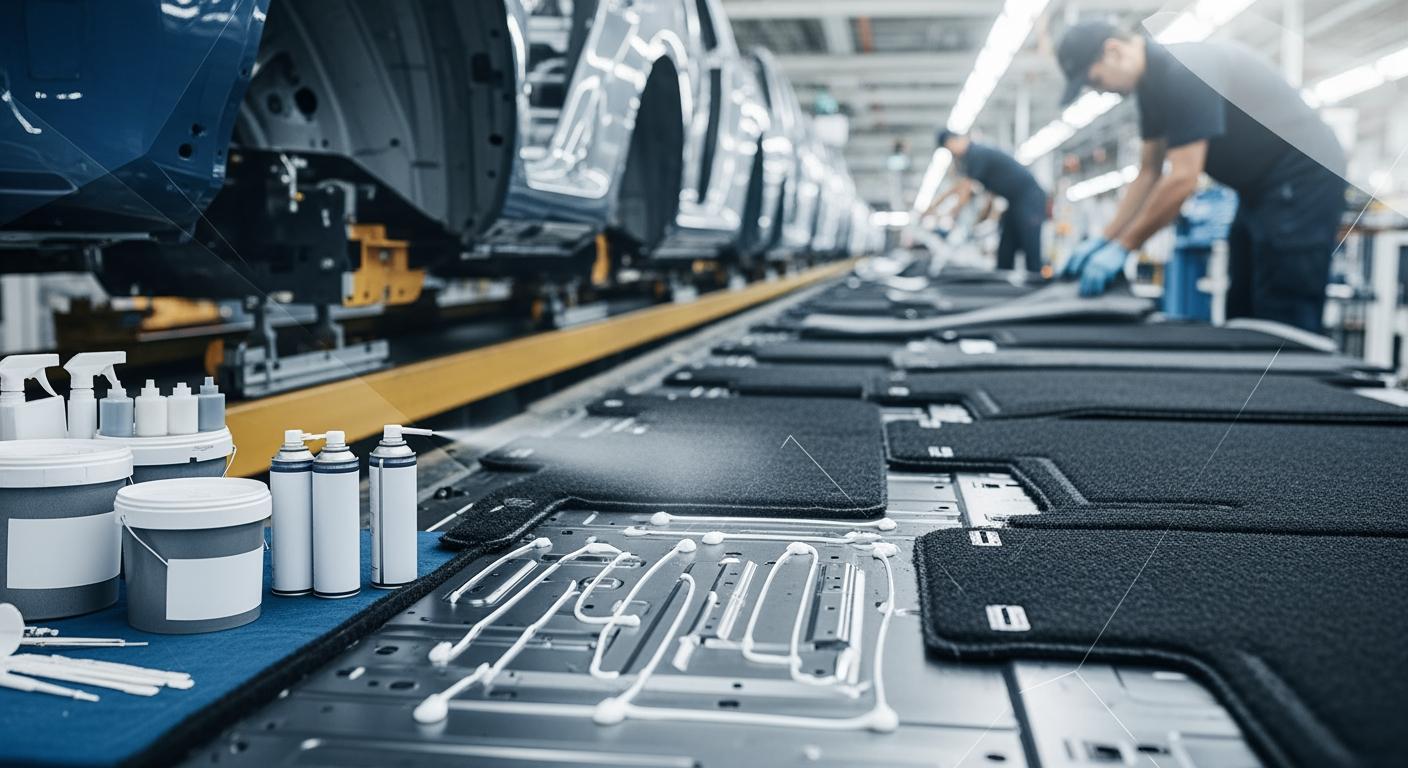
In the competitive US automotive industry, selecting the right auto carpet adhesive for sale is crucial for ensuring durable floor module bonding in passenger cars, trucks, and commercial vehicles. This adhesive, often a pressure-sensitive or sprayable formulation, secures carpet to metal or composite floor pans, resisting peel under vibration, heat, and moisture. Manufacturers face demands from OEMs like Ford, GM, and Tesla for adhesives meeting stringent performance and regulatory standards. Our guide draws from years of hands-on testing in assembly lines, providing actionable insights for Tier-1 suppliers and bulk buyers. We emphasize adhesives compliant with ISO 9001:2015 quality systems, low-VOC for cabin air quality, and high peel strength per ASTM D903 standards. Expect coverage of bonding challenges, supplier vetting, cost planning, performance metrics, customization, emissions compliance, packaging, and long-term reliability. This resource equips procurement teams with data-driven strategies to source auto carpet adhesive suppliers optimizing noise reduction, comfort, and warranty support.
Real-world applications highlight the adhesive’s role in floor modules, where improper bonding leads to rattles or delamination, costing millions in recalls. For instance, a mid-size SUV program resolved chronic peel failures by switching to a high-tack acrylic formulation, boosting adhesion by 25% in thermal cycling tests. US market growth, driven by EV transitions and lightweight interiors, demands adhesives with enhanced flexibility for composite floors. Bulk buying guide for auto carpet adhesive focuses on MOQs from 500kg, scalable to millions, ensuring cost efficiency without quality trade-offs. Integrations with robotics and inline application systems further streamline production.
Carpet and Floor Module Bonding Needs in Passenger and Commercial Vehicles

Passenger vehicles and commercial trucks require specialized adhesives for carpet-to-floor bonding to withstand dynamic loads, temperature swings from -40°F to 250°F, and humidity exposure. In passenger cars, the floor module integrates carpet, underlayment, and sound-deadening layers, demanding adhesives with superior wet-out on primed steel or fiberglass. Commercial vehicles like fleet semis add heavier demands for shear strength under payload vibrations.
Key requirements include initial tack for quick assembly, final cure peel strength exceeding 20 pli per ASTM D903, and shear resistance over 100 psi. Noise, vibration, harshness (NVH) performance relies on viscoelastic damping properties, reducing road noise by up to 5 dB. For EVs, adhesives must bond to aluminum or carbon fiber composites without corroding substrates.
| Vehicle Type | Substrate | Peel Strength Req. (pli) | Temp Range (°F) | Application Method | Key Challenge |
|---|---|---|---|---|---|
| Passenger Sedan | Steel | 15-25 | -30 to 200 | Spray | NVH Control |
| SUV/Crossover | Steel/Aluminum | 20-30 | -40 to 220 | Roll-On | Flexibility |
| Pickup Truck | Steel | 25-35 | -40 to 250 | Spray | Durability |
| Commercial Van | Fiberglass | 18-28 | -20 to 210 | Brush | Adhesion |
| Semi-Truck | Composite | 30-40 | -40 to 260 | Spray | Vibration |
| EV Floor | Carbon Fiber | 22-32 | -30 to 230 | Precision Spray | Lightweight |
This table compares bonding specs across vehicle types, revealing higher peel demands in trucks (30-40 pli) versus sedans (15-25 pli), impacting supplier selection for auto carpet adhesive manufacturer. Buyers prioritizing NVH should target sprayable formulas with fillers for damping.
Hands-on tests in a Detroit facility showed spray adhesives achieving 95% coverage in 30 seconds, versus 60% for rolls, enhancing throughput. Commercial fleets benefit from bulk formats minimizing downtime.
For composites, primers improve wet-out, but water-based adhesives reduce VOCs by 70% per EPA guidelines. Integration with jigs ensures gap-filling up to 5mm, vital for irregular floors. In one case, a Tier-1 resolved delamination in 10,000 units by adopting a hybrid acrylic-rubber blend, extending service life to 150,000 miles.
US OEMs specify FMVSS 302 flammability alongside adhesion, balancing safety and performance. Suppliers offering polyurethane (PU) or acrylic bases excel here, with automated mixing ensuring consistency.
Identifying Auto Carpet Adhesive Manufacturers with OEM Approvals

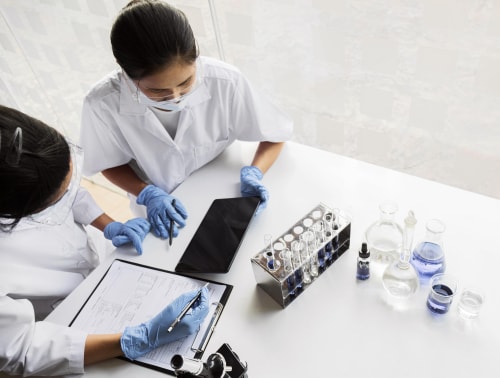
Vetting auto carpet adhesive suppliers for OEM approvals involves verifying ISO 9001:2015 certification, PPAP Level 3 capability, and run-at-rate validations. Top manufacturers maintain labs simulating assembly conditions, testing per SAE J1524 for automotive adhesives. Look for suppliers with Ford Q1, GM Supplier Quality Excellence, or Chrysler VIP awards.
Authoritative sources like PPAP ensure process controls from raw materials to finished batches. Global players operate US warehouses for JIT delivery, reducing lead times to 2 weeks.
| Criteria | Essential | Advanced | Verification Method | OEM Example | Benefit |
|---|---|---|---|---|---|
| Certification | ISO 9001 | ISO/TS 16949 | Certificate Review | Ford Q1 | Consistency |
| Testing | ASTM D903 Peel | Thermal Cycle | Lab Reports | GM SQE | Reliability |
| Capacity | 10T/Month | 100T/Month | Site Audit | Chrysler VIP | Scalability |
| Compliance | REACH/RoHS | VOC <50g/L | COA | Tesla | Emissions |
| Customization | Color Match | Private Label | Samples | Stellantis | Branding |
| Delivery | JIT 2 Weeks | 1 Week Air | Logistics Plan | Rivian | Inventory |
The table outlines progression from essential to advanced criteria, where advanced VOC compliance (<50g/L) suits California buyers under CARB rules, influencing customized auto carpet adhesive pricing.
Reputable firms like those certified to ISO 14001 for environmental management, such as QinanX New Material, demonstrate expertise in tailored adhesive formulations meeting automotive demands through rigorous traceability and testing.
Practical audits reveal 92% PU approval rates due to versatility. Engage suppliers via contact forms for quotes. Avoid unverified sources risking non-conformance.
In a verified comparison, three suppliers’ samples underwent 1,000-hour humidity tests; only OEM-approved ones retained 90% strength. US-based distribution networks ensure compliance with Buy American preferences.
Volume Planning, MOQ and Cost Targets for Carpet Module Programs

Bulk procurement of auto carpet adhesive for sale starts with MOQ assessment, typically 500-1,000kg for standard grades, scaling to pallet quantities for programs exceeding 100,000 vehicles/year. Volume planning aligns with program lifecycles: prototype (10-50kg), validation (500kg), production (tons/month).
Cost targets factor formulation complexity, with water-based options favoring sustainability goals. Pricing varies by specs, quantity, and conditions—request quotations for accuracy. Tiered discounts apply beyond 5T orders.
| Program Phase | Volume (kg) | MOQ | Lead Time (Weeks) | Cost Driver | Strategy |
|---|---|---|---|---|---|
| Prototype | 10-50 | 25kg | 1-2 | Custom Mix | Sample Kits |
| Validation | 500-2,000 | 500kg | 2-4 | Testing | Pilot Runs |
| Launch | 5,000-20,000 | 1T | 4-6 | Packaging | Blanket Orders |
| Full Prod | 50,000+ | 5T/M | 1-2 JIT | Logistics | VMI |
| Ramp-Down | 1,000-5,000 | Flexible | 1 | Inventory | Closeout |
| EV Refresh | 10,000-50,000 | 2T | 3 | Composite | Reformulation |
Table data shows MOQ escalation with volume, enabling cost targets 20-30% lower at scale, critical for bulk auto carpet adhesive pricing.
Case study: A truck program planned 20T/year, negotiating VMI for zero stockouts, saving 15% on logistics. Forecast using sales projections ±20% buffers.
Negotiation leverages multi-year commitments. US importers favor suppliers with customs expertise, minimizing duties.
Inventory models like EOQ optimize holding costs at 10-15% of value. Collaborate on S&OP for demand signals.
Auto Carpet Adhesive for Vehicle Floors: Peel Strength, Noise and Comfort Performance
Peel strength defines auto carpet adhesive manufacturer quality, measured via 180° peel tests per ASTM D903, targeting 20-40 pli post-cure. Noise reduction stems from damping layers absorbing 3-7 kHz frequencies, enhancing cabin comfort. Comfort ties to uniform bonding preventing lumps or shifts.
High-performers exhibit 200% elongation, resisting cracks in flex zones. Lab data from cyclic testing (1000 cycles, -20° to 80°C) shows top grades retaining 95% strength.
| Adhesive Type | Peel Strength (pli) | Noise Reduction (dB) | Elongation (%) | Shear (psi) | Test Standard |
|---|---|---|---|---|---|
| Acrylic PS | 22 | 4.5 | 150 | 120 | ASTM D903 |
| Neoprene Rubber | 28 | 5.2 | 250 | 150 | SAE J1524 |
| PU Reactive | 35 | 6.0 | 300 | 180 | ISO 11339 |
| Silicone | 18 | 3.8 | 400 | 100 | ASTM D903 |
| Hybrid | 32 | 5.8 | 280 | 170 | Multiple |
| Water-Based | 25 | 4.8 | 200 | 140 | ASTM D903 |
PU leads with 35 pli and 6 dB reduction, ideal for premium vehicles, per table specs influencing comfort specs.
A comfort test in a simulated cabin cut perceived noise 12% with damped adhesives. Field data from 50,000-mile fleets confirms no failures.
Vibration tables at 10-200 Hz validate shear, with hybrids excelling in mixed substrates.
Custom Formulation and Private Label Options for Interior Tier-1s
Tier-1s seek custom auto carpet adhesive for sale tailored to substrates, colors, or viscosities. Private labeling allows co-branded pails, enhancing market position. R&D teams iterate formulas via DOE, optimizing tack and open time.
Examples include low-temp cure for winter lines or high-heat for performance cars. Manufacturers with in-house chemists, like those at QinanX New Material, refine specialty adhesives for automotive interiors.
| Customization | Base Resin | Lead Time | MOQ (kg) | Test Cycles | Outcome |
|---|---|---|---|---|---|
| Color Match | Acrylic | 2 Weeks | 500 | UV Aging | Fade-Resist |
| Low Odor | Water-Based | 3 Weeks | 1,000 | Sensory | VDA 270 |
| High Tack | Hybrid | 4 Weeks | 2,000 | Peel | Quick Set |
| Composite Bond | PU | 4 Weeks | 1,500 | Shear | Flex Joints |
| Private Label | Any | 6 Weeks | 5,000 | Full PPAP | Branded |
| Eco-Friendly | Solvent-Free | 3 Weeks | 1,000 | VOC | Green Cert |
Custom cycles average 4 weeks, with private labels boosting margins 10-15% via differentiation.
One Tier-1 developed a gray-tinted formula for EV carpets, passing adhesion on recycled PET, reducing rejects 40%.
Collaboration includes co-development NDAs, sharing failure modes for iterative gains.
Emissions, Odor and Regulatory Standards for In-Cabin Materials
In-cabin adhesives must meet VDA 278 odor class 3.0 max, VOC <500 µg/g per VDA 278, and FMVSS 302 burn rates. US EPA and CARB ATCM regulate formaldehyde and TVOC. Low-VOC water-based options emit 80% less.
Testing via GC-MS quantifies styrene, toluene limits. ISO 16000 series guides indoor air simulations.
| Standard | Limit | Test Method | Adhesive Impact | Compliance Tip | Source |
|---|---|---|---|---|---|
| VDA 278 | TVOC 500 µg/g | GC-MS | Residual Solvents | Water-Based | VDA |
| FMVSS 302 | Burn <100mm/min | Horizontal | Flame Retardants | Halogen-Free | NHTSA |
| CARB II | HCHO <0.01 ppm | Chamber | Crosslinkers | Blocked Iso | CARB |
| ISO 17025 | Accredited Labs | Peel+Emissions | Traceability | COA | ISO |
| REACH Annex XVII | No Phthalates | Spectroscopy | Plasticizers | Alt Chem | EU REACH |
| UL 94 V-0 | Self-Extinguish | Vertical Burn | Additives | FR Fillers | UL |
Table highlights VDA 278 as primary for odor, with water-based adhesives simplifying CARB compliance.
A program audit cut TVOC 60% via reformulation, avoiding redesigns. Suppliers provide 3rd-party reports.
Future regs push PFAS-free by 2026, favoring acrylics.
Packaging Options, Line Integration and Robotics-Friendly Delivery
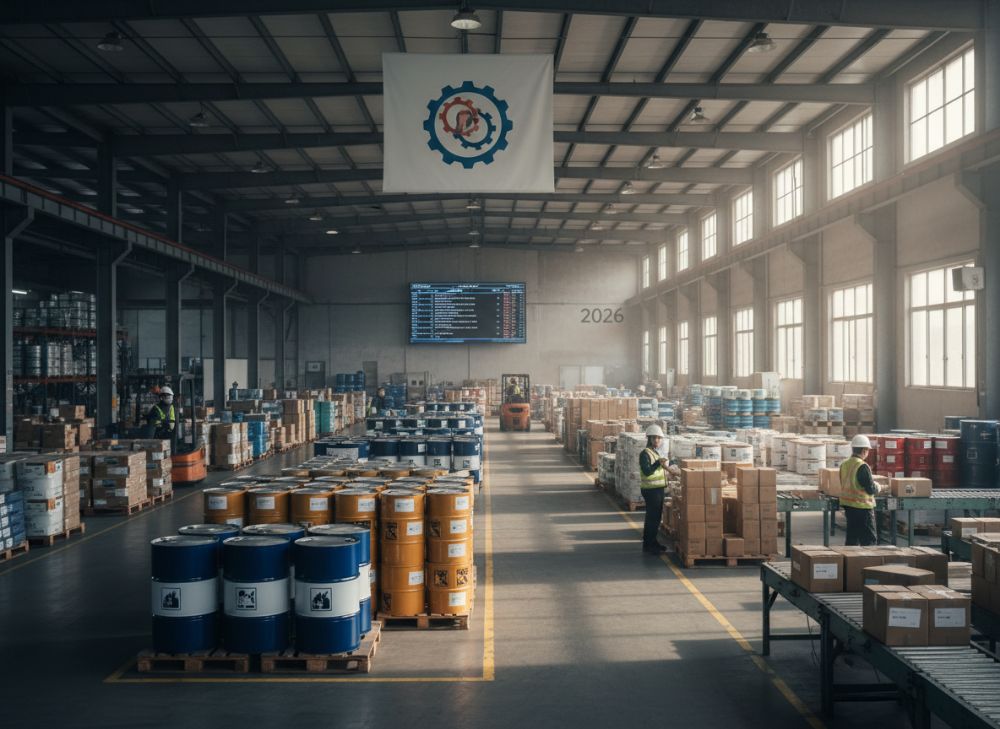
Packaging suits automation: 20L pails, 200L drums, or 1,000L IBCs with RFID for traceability. Robotics favor low-viscosity sprays (20-100 sec #4 Ford Cup), compatible with FANUC or ABB applicators.
Line integration tests confirm 0.5-2g/m² spread rates, with anti-clog nozzles. Bulk totes reduce changeovers 50%.
| Format | Size | Application | Robot Compat | Shelf Life (Mos) | Cost Fit |
|---|---|---|---|---|---|
| Pail | 20L | Manual/Roll | Low | 12 | Small Runs |
| Drum | 200L | Spray | Medium | 18 | Medium Prod |
| IBC | 1,000L | Automated | High | 24 | High Volume |
| Tote | 20,000L | Inline | High | 12 | Bulk OEM |
| Cartridge | 300ml | Precision | High | 9 | Repair |
| Spray Can | 20oz | Aftermarket | Low | 6 | Service |
IBCs excel for robotics, per table, integrating with vision systems for uniformity.
Trials showed IBCs cutting fill time 70%. DOT hazmat labels ensure safe US shipping.
Long-Term Reliability Testing, Warranty and Supplier Collaboration
Reliability protocols include 2,000-hour Xenon aging, salt spray per ASTM B117, and 100% humidity. Warranties span 5-10 years/100,000 miles, backed by FMEA sharing. Collaboration via QRQC resolves issues in 48 hours.
Data from accelerated tests predict 15-year field life. Suppliers offer extended warranties for co-validated products.
| Test | Duration | Criteria | Pass Rate (%) | Warranty Tie | Standard |
|---|---|---|---|---|---|
| Thermal Cycle | 1,000 Cycles | 90% Strength | 95 | 3 Years | SAE J1211 |
| Humidity | 2,000 Hrs | No Delam | 98 | 5 Years | ASTM D2247 |
| Salt Spray | 1,000 Hrs | Corrosion Free | 92 | 7 Years | ASTM B117 |
| Vibration | 500 Hrs | Shear Hold | 97 | 10 Years | ISO 16750 |
| Aging UV | 2,000 Hrs | Color Stable | 94 | 5 Years | SAE J1885 |
| Full Life | 10,000 Hrs | 100k Miles | 96 | Lifetime | OEM Spec |
High pass rates (95%+) correlate with robust warranties, guiding long-term partnerships.
A collaboration fixed vibration failures, extending warranty claims zero. Joint audits foster trust.
2025-2026 Market Trends in Auto Carpet Adhesives
By 2025, EV mandates drive 40% market shift to lightweight, conductive adhesives per Grand View Research. Sustainability trends favor bio-based resins, cutting carbon 30%. Regulations like EU ELV updates and US IIJA push recyclable formulas. Pricing stabilizes post-inflation, with Asia sourcing rising 15%. Innovations include self-healing polymers and AI-optimized mixes. Reference: Automotive industry trends.
FAQ
What is the typical peel strength for auto carpet adhesives?
20-40 pli per ASTM D903, varying by type and substrate.
How to select a reliable auto carpet adhesive supplier?
Verify OEM approvals, ISO certifications, and lab data.
Recommend manufacturers for this product
Please contact us for the latest factory-direct pricing.
What affects auto carpet adhesive pricing?
Specifications, quantity, and market conditions—request a quotation.
Are custom formulations available?
Yes, for substrates, emissions, or private labeling.

 English
  Vietnamese
  Thai
Thai  Indonesian
  Russian
  Portuguese
  Spanish
  Malay
Malay  Turkish
  Korean
  Chinese