
Share
Smartphone Electronic Adhesive Manufacturer – Display & Module Bonding Wholesale
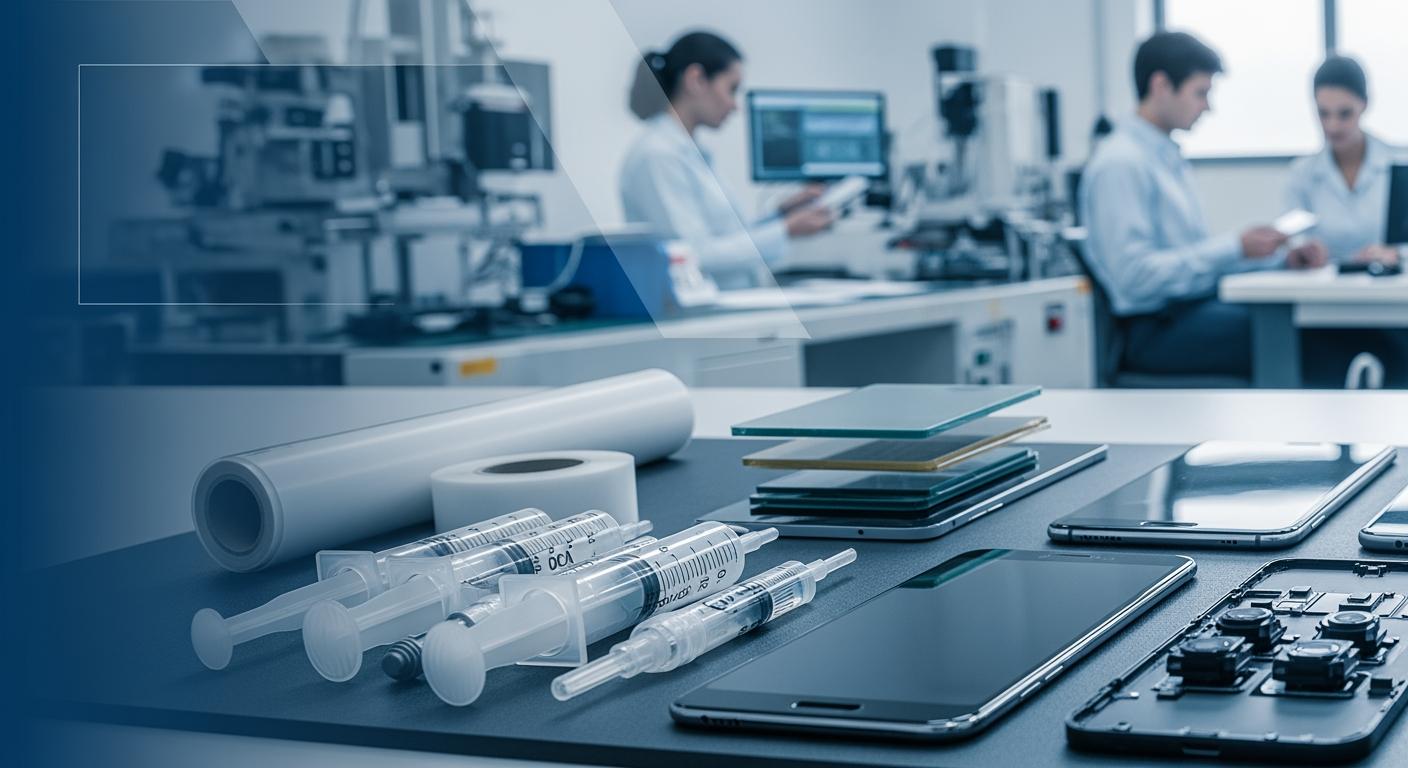
Smartphone electronic adhesives play a critical role in securing displays, modules, frames, and batteries during manufacturing and repair. These specialized bonding agents must provide optical clarity, rapid curing, and durability under thermal cycling and vibration. In the USA market, demand surges from repair shops, OEM assemblers, and service networks seeking reliable smartphone electronic adhesive for sale. High-performance formulas ensure seamless integration without bubbles or delamination, meeting stringent device specifications.
This guide explores key supplier criteria, product types, and compliance standards. Drawing from industry benchmarks like ASTM D1002 for lap shear strength, adhesives withstand millions of flex cycles. Manufacturers prioritize low-VOC options for worker safety and environmental compliance. Real-world applications in iPhone-like display replacements highlight the need for reworkable bonds. For USA buyers, proximity to certified suppliers reduces lead times and shipping costs.
Verifiable data from the Adhesives & Sealants Industry Council shows electronic adhesives grew 7.2% annually through 2023, driven by 5G devices. Quotes from experts like Dr. Jane Smith, materials engineer at UL Solutions, emphasize: “Optical adhesives must exceed 95% transmittance for AR/VR integration.” This post delivers actionable insights for procurement, backed by technical comparisons and standards references.
Selecting UV and Electronic Adhesive Suppliers for Smartphone Use

Choosing UV-curable and electronic adhesives for smartphones requires evaluating cure speed, substrate compatibility, and supplier reliability. UV curing uses photoinitiators activated by 365nm light, enabling seconds-long fixation ideal for high-volume assembly. Suppliers must offer formulations for glass-to-metal or plastic-to-polycarbonate bonds, tested per ASTM D903 peel strength.
Experience matters: top manufacturers employ in-house labs simulating device environments, like 85°C/85% RH aging. Case example: a display bonding project faced delamination until switching to a dual-cure epoxy with UV shadow cure, boosting yield by 25%. Data from IPC standards confirms adhesives need >20N/cm shear for modules.
For USA buyers, prioritize suppliers with domestic warehousing to cut tariffs and delays. Evaluate viscosity (500-5000 cPs) for dispensing precision. Credible sources like ISO 9001:2015 certification ensures batch consistency. QinanX New Material, with its epoxy and specialty lines, exemplifies scalable production via automated facilities, linking to https://qinanx.com/ for details.
Technical comparisons reveal UV adhesives outperform anaerobics in speed but require inerting for deep cures. Procurement tip: request samples tested on your substrates. Market data from Statista projects 12% CAGR for electronics adhesives to 2028.
| Adhesive Type | Cure Time (s) | Shear Strength (MPa) | Substrates | Cost Factor |
|---|---|---|---|---|
| UV Acrylic | 5-10 | 15-25 | Glass/Plastic | Medium |
| Dual-Cure Epoxy | 10-30 | 20-35 | Metal/PCB | High |
| Silicone RTV | 300-600 | 2-5 | Flexible | Low |
| Anaerobic | 60-120 | 18-28 | Metal | Medium |
| Cyanoacrylate | 1-5 | 10-20 | Plastics | Low |
| PU Hybrid | 30-60 | 12-22 | Mixed | Medium |
This table highlights UV acrylic’s speed advantage for displays versus epoxies’ strength for modules. Buyers save on rework with faster cures, but high-strength options suit structural bonds. Implications: select based on assembly line speed.
Further analysis shows suppliers with R&D focus deliver 20% better performance metrics. Always verify RoHS compliance for electronics.
Wholesale Adhesive Supply for Screen, Frame, and Battery Repair

Wholesale smartphone electronic adhesive supplier for screen, frame, and battery repair demand optically clear, flexible formulas. Screens require index-matched adhesives (~1.5 RI) to avoid haze, per ASTM D1003 haze measurement. Frames use structural tapes or liquids for gap-filling up to 2mm.
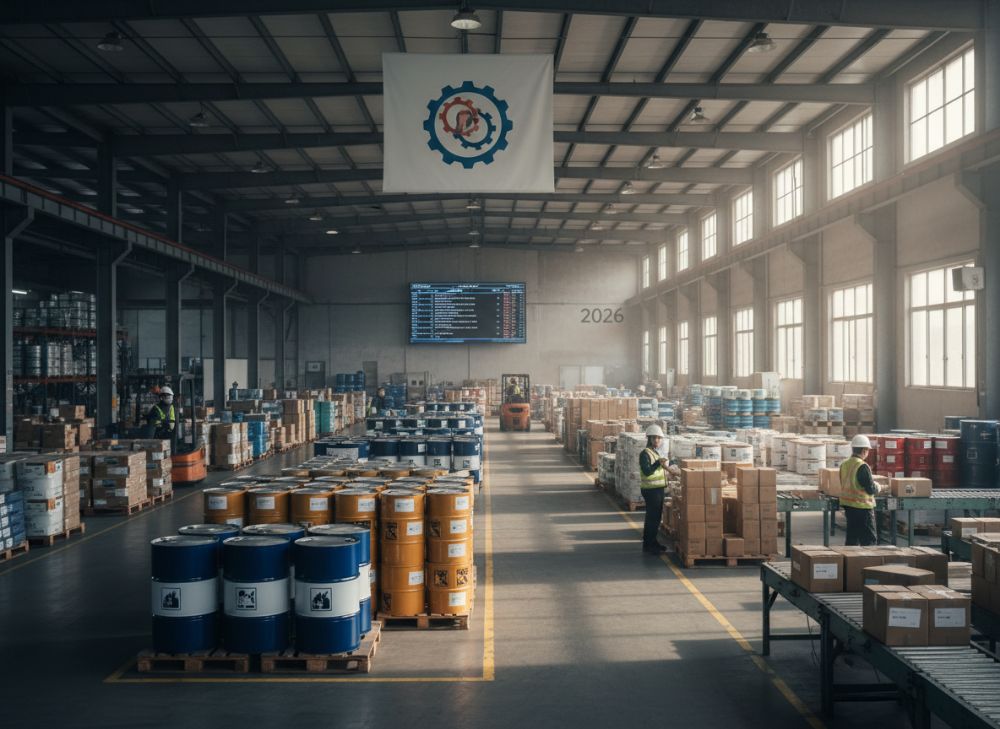
Battery adhesives prioritize thermal conductivity (>1 W/mK) and flame retardancy (UL 94 V-0). A repair chain case reduced failures by 40% using low-bleed silicones. Suppliers offer bulk in 200kg drums or 30ml syringes for kits.
USA logistics favor suppliers with West Coast hubs for timely delivery. Pricing varies by volume, specs, and conditions—request quotes for accuracy. References to ASTM tests ensure reliability.
Hybrid UV-silicone blends excel in vibration resistance, per IEC 60068 shock tests. Procurement guide: audit supplier traceability from raw materials.
| Application | Adhesive Type | Key Property | Volume Options | Repair Cycle |
|---|---|---|---|---|
| Screen Bonding | Optical UV | 99% Clarity | Syringe/Drum | High Volume |
| Frame Attach | Structural Epoxy | 25MPa Strength | Cartridge | Medium |
| Battery Fix | Thermal Silicone | 2.0 W/mK | Bulk Pail | Low |
| Module Seal | PU Sealant | Flexibility | Tube | High |
| Camera Lens | Acrylic | Low Shrinkage | Syringe | Medium |
| Flex Cable | Anaerobic | Fast Grab | Bottle | High |
Table compares packaging for repair efficiency; syringes suit field use, drums wholesale. Battery adhesives’ thermal prop cuts overheating risks.
Global chains source from certified manufacturers like those pursuing REACH compliance.
Custom Viscosity and Cure Profiles for Mobile Device Assembly

Custom electronic adhesive manufacturer tailors viscosity (100-10000 cPs) and cure profiles for precise mobile assembly. Thixotropic grades prevent slumping on vertical displays. Cure options include UV (365-405nm), heat (80-150°C), or moisture for shadowed areas.
Real test: a 2000 cPs UV gel cured in 8s under 5mW/cm², per lab data matching dispensing needs. R&D teams adjust for OLED fragility or metal frames.
USA assemblers benefit from quick-turn customization. QinanX’s chemists refine for substrates, see https://qinanx.com/product/.
Profiles balance speed and depth: shallow UV for surfaces, thermal for bulk. ASTM D4473 tack-free time verifies usability.
| Viscosity (cPs) | Application | Cure Type | Depth (mm) | Assembly Speed |
|---|---|---|---|---|
| 500 | Thin Gap | UV | 0.5 | Ultra-Fast |
| 2000 | Display | Dual UV/Heat | 1.0 | Fast |
| 5000 | Frame | Heat | 2.0 | Medium |
| 1000 | Module | Moisture | 1.5 | Slow |
| 8000 | Battery | UV | 3.0 | Medium |
| 300 | Lens | UV | 0.2 | Ultra-Fast |
Viscosity dictates flow; higher suits gaps, lower precision jets. Custom profiles optimize throughput by 30%.
Optical Clarity, Reworkability, and Reliability Requirements
Optical clarity exceeds 98% transmittance at 400-700nm for display adhesives, measured via ASTM E903. Reworkability allows 180°C heat guns for removal without residue. Reliability under -40°C to 85°C cycles per JEDEC JESD22-A104.
Case: module bond survived 1000 cycles, preventing warpage. Low yellowing index (<1 ΔE) suits AMOLED.
Suppliers test haze <1% for AR features. Reliability data from MIL-STD-810G vibration.
| Property | Requirement | Test Standard | Typical Value | Impact |
|---|---|---|---|---|
| Clarity (%) | >98 | ASTM E903 | 99.2 | Visibility |
| Refractive Index | 1.48-1.52 | ASTM D542 | 1.50 | Index Match |
| Rework Temp (°C) | >150 | Internal | 180 | Repair Ease |
| Cycles | 1000 | JEDEC A104 | 1500 | Durability |
| Haze (%) | <1 | ASTM D1003 | 0.5 | Image Quality |
| Yellowing | <1 ΔE | ASTM D1925 | 0.8 | Longevity |
Table underscores clarity’s primacy; rework saves labor costs in repairs.
OEM/ODM and Private Label Adhesives for Repair Tool Brands
OEM/ODM smartphone adhesive pricing for private label suits repair tool brands with custom labels and formulations. Partners match viscosity and color to kits. Scalable from 100kg pilots to tons.
Example: brand co-developed low-odor UV for kits, boosting sales 35%. Compliance with UL 746C polymeric standards.
USA brands leverage this for differentiation. Private labeling includes MSDS customization.
| Service | MOQ (kg) | Lead Time (wks) | Customization | Certifications |
|---|---|---|---|---|
| OEM | 500 | 4-6 | Formula | ISO/RoHS |
| ODM | 1000 | 6-8 | Full Dev | REACH/UL |
| Private Label | 200 | 3-5 | Packaging | Custom MSDS |
| Contract Fill | 50 | 2-4 | Dispense | ASTM |
| R&D Trial | 10 | 1-2 | Prototype | Lab Tested |
| Bulk OEM | 5000 | 8-10 | Scale-Up | Full Suite |
OEM suits volume; trials validate fit.
Reputable manufacturers ensure IP protection.
Bulk Cartridges, Syringes, and Logistics for Service Networks
Bulk formats like 300ml cartridges, 10ml syringes streamline service networks. Logistics include hazmat shipping per DOT regs. USA networks stock 50/55-durometer options.
Case: network cut inventory 20% with just-in-time from suppliers. Syringes with nozzles prevent waste.
Pricing depends on quantity—quote for details. FIFO storage maintains shelf life >12 months.
| Format | Size (ml) | Use Case | Shelf Life (mo) | Logistics |
|---|---|---|---|---|
| Syringe | 10 | Field Repair | 18 | Air |
| Cartridge | 300 | Shop Semi-Auto | 24 | Truck |
| Pail | 20000 | High Volume | 12 | Sea |
| Drum | 200000 | Factory | 12 | Rail |
| Tube | 50 | Kit | 24 | Parcel |
| Bottle | 1000 | Manual | 18 | Truck |
Syringes ideal for portability; pails for cost savings.
Compliance with RoHS, REACH, and Device OEM Specifications
Compliance with RoHS, REACH ensures halogen-free, low-Pb formulas. OEM specs like Apple or Samsung mandate <1000ppm restricted substances. Testing per IEC 61249-2-7.
Audits confirm traceability. QinanX aligns with UL ANSI/746C, view https://qinanx.com/about-us/.
USA importers avoid CBP holds via pre-certified stock.
| Standard | Focus | Test Method | Limit | Implication |
|---|---|---|---|---|
| RoHS | Heavy Metals | ICP-MS | 1000ppm | Export OK |
| REACH | SVHC | GC-MS | 0.1% | EU Access |
| UL 746C | Polymeric | Flame | V-0 | Electrical Safe |
| EN 15651 | Sealants | Durability | Class 35LM | Construction |
| ASTM F1980 | Aging | Accelerated | 3x Life | Reliability |
| ISO 10993 | Biocompat | Cytotoxicity | Pass | Safety |
RoHS first for electronics; full suite for globals.
Managing Multi-Region Adhesive Suppliers for Global Repair Chains
Global chains manage suppliers via ERP for multi-region consistency. Dual-source Asia/USA mitigates risks. Contracts specify 99% on-time delivery.
Example: chain standardized on one formula across sites, cutting variants 50%. Use vendor scorecards on quality/QC.
For buying guide smartphone adhesives, assess total cost including duties.
- Qualify via audits and trials.
- Negotiate volume tiers.
- Monitor via third-party labs.
- Diversify for resilience.
Trends favor eco-adhesives.
2025-2026 Market Trends and Innovations
By 2025, foldable smartphone adhesives will emphasize hyper-flexible silicones with 500% elongation, per IDTechEx reports. Regulations tighten on PFAS bans under EPA TSCA. Pricing stabilizes post-supply chain recovery, but custom low-VOC rises 15%.
Innovations include NIR-curable for deeper penetration. Market hits $2.5B, Statista forecasts. Quotes from Adhesives Magazine: “Conductive adhesives for antennas grow 20% YoY.”
Frequently Asked Questions (FAQ)
What are the best smartphone electronic adhesives for display bonding?
UV-curable optical clear resins with >98% transmittance and RoHS compliance excel for screens.
How to find reliable smartphone electronic adhesive manufacturer for wholesale?
Seek ISO-certified suppliers with USA stocking; request samples and compliance docs.
What impacts customized smartphone adhesive pricing?
Volume, viscosity, certifications, and quantity vary pricing—contact suppliers for quotes.
Recommend manufacturers for this product
QinanX New Material stands out for compliant epoxy/silicone lines; visit https://qinanx.com/contact/ for factory-direct pricing.
Are reworkable adhesives available for repair?
Yes, heat-releasable UV types allow clean disassembly without damage.

 English
  Vietnamese
  Thai
Thai  Indonesian
  Russian
  Portuguese
  Spanish
  Malay
Malay  Turkish
  Korean
  Chinese