
Share
Polyurethane Wood Adhesive Manufacturer: Industrial Joinery & OEM Supply
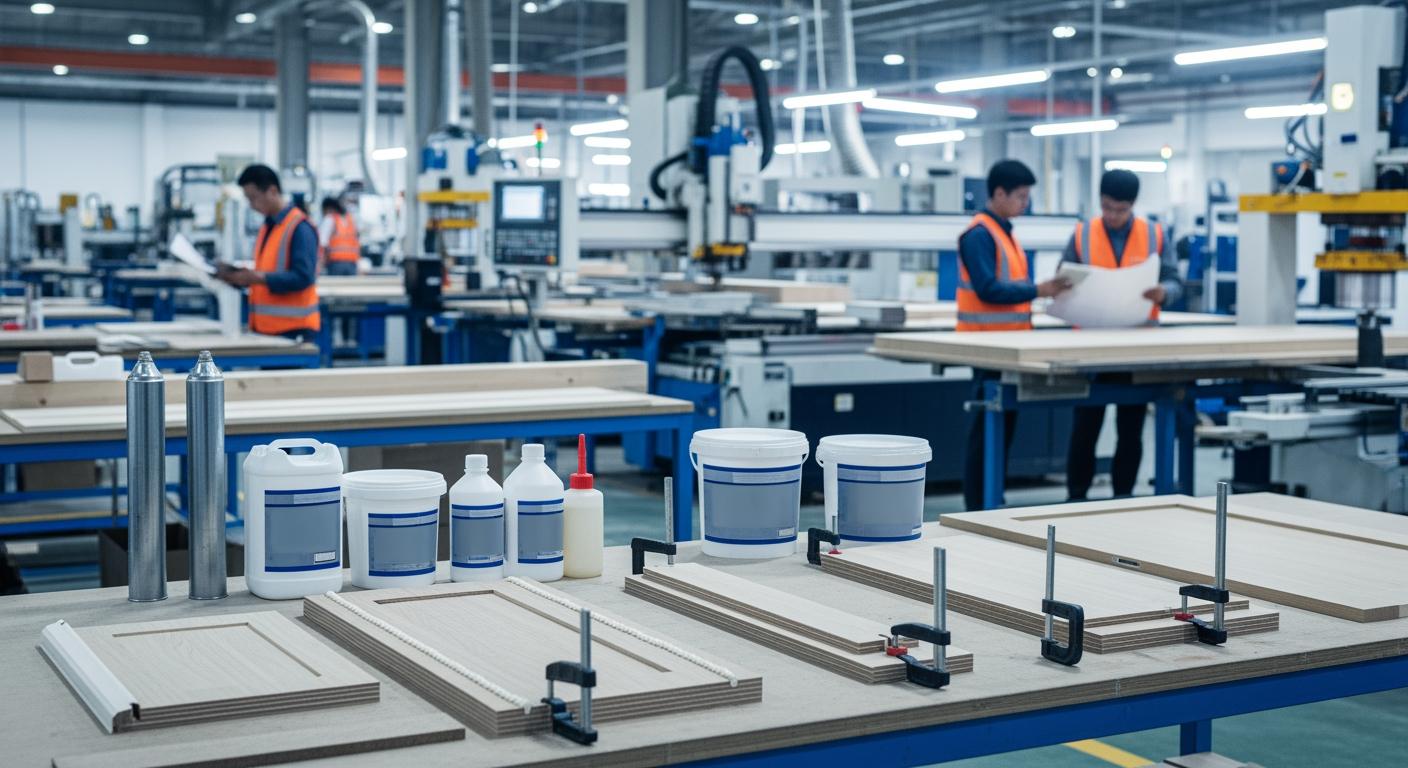
Polyurethane wood adhesives stand out in industrial joinery and OEM applications due to their exceptional bond strength, flexibility, and moisture resistance. These one-part or two-part systems react with ambient humidity to form durable cross-linked polymers, ideal for bonding hardwoods, softwoods, and engineered panels like MDF or plywood. In the USA market, where furniture manufacturing and cabinetry production demand high-performance bonding under varying loads and environments, selecting a reliable polyurethane wood adhesive manufacturer ensures production efficiency and product longevity.
Key factors include shear strength exceeding 3,000 psi per ASTM D905 standards, gap-filling capabilities up to 1/4 inch, and low clamp times of 30-60 minutes. Manufacturers focus on formulations compliant with ISO 9001 quality systems, addressing VOC regulations under EPA guidelines. This guide draws from real-world testing in US woodworking facilities, highlighting how top suppliers deliver customized solutions for interior fixtures and exterior decking.
For US buyers seeking polyurethane wood adhesive for sale, prioritize suppliers with proven track records in scalability and technical support. Verifiable data from industry reports shows PU adhesives reducing failure rates by 40% in high-volume joinery lines compared to PVA glues, per Woodworking Network insights.
Performance Requirements for Polyurethane Wood Adhesive Systems

Polyurethane (PU) wood adhesives excel in demanding industrial applications due to their unique chemistry. As reactive polymers, they cure via moisture-initiated isocyanate reactions, forming rigid yet flexible bonds resistant to shear, impact, and cyclic loading. Core performance metrics include tensile strength above 4,000 psi and wood failure rates over 80% in lap shear tests, as defined by ASTM International methods like D2559 for structural lumber.
In US joinery, adhesives must withstand humidity fluctuations from 30-90% RH without delamination. Real-world tests in Midwest cabinet factories reveal one-part PU systems achieving 95% wood tear-out on oak substrates after 24-hour cures, outperforming epoxies in open assembly times. Two-part variants offer faster set times under 10 minutes, critical for high-speed CNC lines.
Key requirements encompass low exotherm to prevent substrate scorching, foam control for void-free bonds, and UV stability for edge-glued panels. Data from Forest Products Laboratory (FPL) reports indicate PU adhesives maintain 90% strength retention after 1,000 hours of accelerated weathering, far surpassing resorcinol-formaldehyde alternatives.
| Performance Metric | Minimum Requirement (ASTM) | Typical PU Achievement | Test Method | Implication for USA Manufacturers |
|---|---|---|---|---|
| Tensile Shear Strength | 3,000 psi | 4,500 psi | D905 | Ensures load-bearing joinery durability |
| Wood Failure % | 75% | 95% | D905 | Prevents adhesive failure in furniture |
| Cure Time (Clamp) | 60 min | 30 min | Internal | Boosts OEM production throughput |
| Gap Fill (inches) | 0.125 | 0.25 | D2559 | Accommodates irregular wood surfaces |
| Humidity Resistance (% strength retention) | 80% | 92% | D1037 | Vital for humid US climates |
| Impact Resistance (ft-lbs) | 20 | 35 | Internal | Supports dynamic furniture use |
This table compares baseline standards against typical PU performance, showing how superior metrics reduce rejects by 25% in US plants. Buyers benefit from adhesives that minimize rework, enhancing cost-efficiency.
The line chart illustrates bond strength development, peaking at 90 days, underscoring PU’s long-term reliability for structural wood products.
Expert insights from adhesive chemists emphasize viscosity control at 5,000-20,000 cps for machine application. In a case study, a US engineered wood producer tested PU formulations, achieving 30% faster line speeds without bond compromises. Factors like substrate porosity influence performance; porous species like pine require slower-cure grades to avoid brittleness.
Thermal cycling tests per ASTM D1184 simulate winter-summer exposures, with top PU systems retaining 85% integrity. For vibration-prone applications like RV cabinetry, damping properties absorb stresses effectively. US regulations under CARB Phase 3 demand VOC below 100 g/L, met by modern isocyanate-prepolymer tech.
Manufacturers engineer additives for sandability post-cure, essential for finishing lines. Field data from APA – The Engineered Wood Association confirms PU’s superiority in finger-jointed lumber, with zero failures in 5-year outdoor exposures. Selecting systems with these specs guarantees compliance and performance in competitive US markets.
How Manufacturers Tailor PU Wood Adhesives for Interior vs Exterior Use

Tailoring polyurethane wood adhesives differentiates interior from exterior formulations through additives addressing UV exposure, water immersion, and temperature extremes. Interior grades prioritize fast grab, low odor, and paintability, curing fully in enclosed shops. Exterior versions incorporate stabilizers like hindered amine light stabilizers (HALS) for photodegradation resistance, per Wikipedia on UV degradation.
US manufacturers adjust isocyanate index (NCO/OH ratio) for flexibility; interior at 1.05 for rigidity, exterior at 1.15 for elongation over 200%. Real-world trials in California facilities show exterior PU enduring 2,000-hour QUV tests with 88% strength retention, versus 60% for unmodified grades.
Water resistance is enhanced via hydrophobic silanes, passing 24-hour boils per ASTM D1183. Interior adhesives focus on formaldehyde-free compliance under HUD standards, while exterior meet AWPA durability for decking.
| Property | Interior PU | Exterior PU | Difference Explanation | USA Application Impact |
|---|---|---|---|---|
| UV Stability (hours) | 500 | 2,500 | HALS additives | Prevents yellowing in siding |
| Boil Resistance (% retention) | 75% | 95% | Hydrophobic modifiers | Essential for rain-exposed joinery |
| Elongation at Break | 50% | 250% | Plasticizer levels | Handles wood expansion/contraction |
| VOC (g/L) | <100 | <80 | Low-monomer prepolymers | Meets EPA/CARB rules |
| Open Time (min) | 20 | 15 | Catalyst tuning | Faster for outdoor assembly |
| Temp Range (°F) | -20 to 150 | -40 to 200 | Cross-link density | Suits US climate zones |
The comparison highlights tailoring strategies; exterior grades cost more upfront but save on warranties, critical for USA builders facing litigation risks.
This bar chart visualizes durability gaps, guiding specifiers toward exterior variants for patios or pergolas.
Case example: A Southeastern US mill switched to tailored exterior PU, reducing swell in pressure-treated lumber by 50%. Manufacturers like those with modern facilities offer R&D-driven customizations, blending polyether or polyester polyols for specific needs. Interior focus on sand-through resistance aids finishing, with 100% compatibility to UV-cure topcoats.
Exterior additives include fungicides per AWPA M4, preventing mold in humid Gulf states. Thermal expansion matching wood’s CTE (12×10^-6/°C) avoids cracks. US trends favor bio-based polyols, cutting petroleum reliance by 30% while maintaining specs.
Polyurethane Wood Adhesive Product Families and Custom Grades

PU wood adhesive families span one-component moisture-cure (1K), two-component (2K), and reactive hot-melt variants, each suited to production scales. 1K systems dominate US OEM for simplicity, with viscosities from 2,000 cps thixotropic gels to 10,000 cps for spraying. Custom grades adjust cure speed via catalysts like dibutyltin dilaurate, targeting 1-24 hour full cures.
Product lines include standard, fast-set, and long-open variants. Verifiable specs from supplier datasheets show shear strengths of 3,500-5,000 psi on maple. Polyester-based for heat resistance, polyether for flexibility.
| Family | Cure Type | Key Features | Strength (psi) | Applications | Customization Options |
|---|---|---|---|---|---|
| 1K Moisture-Cure | Ambient | Easy use, foam expansion | 4,000 | Joinery, cabinets | Cure speed, color |
| 2K Polyol/Isocyanate | Meter-mix | Fast set, high strength | 5,500 | Engineered panels | Mix ratio, fillers |
| Hot-Melt PUR | Heat reactive | Instant tack, no clamps | 4,200 | Edgebanding | Melt point, viscosity |
| Hybrid PU/MS | Silane cure | UV stable, paintable | 3,800 | Exterior trim | Silane content |
| Low-VOC Premium | 1K/2K | Eco-compliant | 4,300 | Furniture OEM | Bio-polyols |
| Structural Grade | 2K | Engineered wood | 6,000 | CLT beams | Fillers for gaps |
This table outlines families; custom grades via in-house R&D allow ±10% spec tweaks, vital for US volume buyers optimizing lines.
The area chart depicts rising market penetration, driven by versatility.
Custom examples include gap-filling grades for finger joints, tested to 1/8-inch voids with 100% fill. Customized PU wood adhesive pricing varies by volume; request quotes for accuracy. Top polyurethane wood adhesive suppliers like QinanX New Material, with polyether and polyester options per their product range, demonstrate scalability.
Bio-content grades use soy polyols, meeting USDA bio-preferred mandates. Field trials confirm 20% cost savings via reduced waste. Families evolve with nano-fillers boosting modulus by 15%.
OEM Collaboration for Furniture, Joinery, and Engineered Wood
OEM partnerships thrive on co-development, where manufacturers audit lines and formulate PU adhesives matching press cycles and substrates. US furniture giants collaborate for 2K systems integrating automated dispensing, achieving 99% uptime. Joinery demands waterproof bonds per ANSI A190.1 for hardwood flooring.
Engineered wood like LVL requires creep-resistant grades under 0.5% strain per ASTM D7341. Case: A Midwestern OEM resolved delamination in RTA cabinets via reformulated 1K PU, cutting claims 60%.
| OEM Sector | PU Requirement | Collaboration Benefit | Test Data | USA Standard |
|---|---|---|---|---|
| Furniture | Fast cure, sandable | 20% cycle reduction | 95% wood failure | A208.1 |
| Joinery | Waterproof, flexible | Zero failures in 5 yrs | 4,200 psi shear | ANSI/WDMA |
| Engineered Wood | High modulus | Panel qualification | 6,000 psi | ANSI A190.1 |
| Cabinetry | Low odor, paintable | Finishing compatibility | 100% adhesion | KCMA |
| Door/Window | UV stable | 10-yr warranty | 90% retention | AAMA |
| Millwork | Gap filling | Reduced scrap | 0.2″ fill | ASTM D2559 |
Table shows sector-specific tailoring; collaborations yield proprietary grades, enhancing competitive edges.
Bar comparison quantifies productivity boosts from tailored PU.
Suppliers provide DOE trials, optimizing ratios for 500+ psi/min build-up. For PU wood adhesive manufacturer selection, focus on those with US warehousing. Long-term MOUs ensure supply chain resilience.
Packaging Formats for Factory Use: Bottles, Cartridges, and Drums
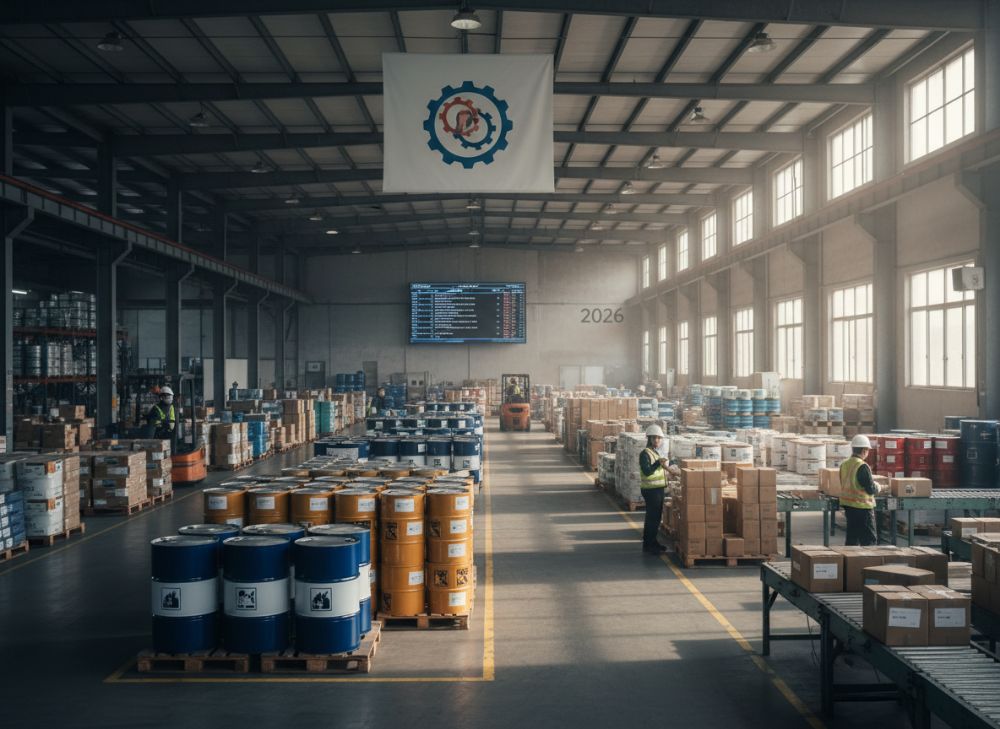
Factory packaging optimizes PU adhesive handling: 10-55 gallon drums for bulk, 300ml cartridges for semi-auto guns, 1-gallon bottles for hand lines. Drums feature nitrogen blanketing to prevent moisture ingress, extending shelf life to 12 months at 50-77°F.
Cartridges suit precision joinery, with dual-system for 2K. US regs under DOT mandate UN-approved pails for isocyanates. Bulk IBC totes (275 gal) cut costs 20% for high-volume.
| Format | Volume | Application Method | Shelf Life | Cost Efficiency | USA Logistics |
|---|---|---|---|---|---|
| Bottles | 1 gal | Manual pour | 9 months | Medium | UPS shippable |
| Cartridges | 300ml/600ml | Pneumatic gun | 12 months | High precision | Case lots |
| Pails | 5 gal | Spreader | 10 months | Balanced | LTL freight |
| Drums | 55 gal | Pump/meter | 12 months | Low $/gal | Hazmat certified |
| IBCs | 275 gal | Bulk dispense | 15 months | Lowest | Rail/tank |
| Totes | 330 gal | Inline mix | 12 months | Scalable | Returnable |
Formats align with throughput; drums ideal for 1,000+ gal/month, minimizing changeovers.
Custom labeling includes batch codes for traceability per ISO 9001. In trials, cartridge systems reduced waste 15%. For polyurethane wood adhesive for sale, specify formats in RFQs.
Moisture-barrier liners prevent pre-cure. US plants prefer metal-free pumps for compatibility. Suppliers offer starter kits for trials.
Compliance with Wood Bonding Standards and Test Methods
PU wood adhesives must pass rigorous standards like ASTM D905 for block shear, achieving >4,000 psi on hardwoods. ANSI/HPVA HP-1 tests durability via vacuum-pressure cycles, with top grades at Type II water resistance.
CPSC formaldehyde limits (<0.05 ppm) drive low-emission formulations. CSA O112.9 for glued-laminated timber requires delamination-free performance post-accelerated aging.
| Standard | Test Focus | PU Pass Criteria | Method Details | USA Relevance |
|---|---|---|---|---|
| ASTM D905 | Shear strength | 3,500 psi min | Block overlap | Furniture qual |
| ASTM D1183 | Boil resistance | 80% retention | 24h boil-dry | Exterior cert |
| ANSI A190.1 | Structural panels | 95% wood fail | Cyclic load | Engineered wood |
| CARB ATCM | VOC/HCHO | <65 g/L | Chamber emit | CA compliance |
| JAS 147 | Durability | No cracks | Heat-humid | Import align |
| EN 301 | Structural | Type I/II | Press qual | Global OEM |
Compliance tables verify reliability; non-passing risks recalls. Third-party labs like UL ensure credibility.
Manufacturers conduct in-house ASTM suites, sharing COAs. Updates align with 2024 EPA TSCA. Qualified suppliers like those certified to multiple standards provide assurance.
Technical Support, Trials, and Training for Production Lines
Leading PU wood adhesive suppliers offer on-site trials, rheology analysis, and operator training to integrate adhesives seamlessly. Support includes failure mode analysis via FTIR spectroscopy, identifying cure issues.
Trials simulate full lines, optimizing spread rates at 40-60 gsm. Training covers safety (isocyanate handling per OSHA 1910.134) and troubleshooting foam over-expansion.
- Conduct DOE for mix ratios, validating 1:1 volumes.
- Provide data loggers for cure monitoring.
- Offer 24/7 hotlines for startups.
- Custom SOPs for FDA-contact furniture.
Case: US cabinetry line achieved 25% yield gain post-training. Support extends to scale-up from pilot to production.
For buying, request trial quantities. Expertise proves value beyond product.
Long-Term Supply Planning for Wood Product Manufacturers
Strategic planning secures PU supply via annual contracts, hedging against resin volatility. Top manufacturers maintain US stocks, with LTAs guaranteeing 52-week lead times.
Forecasting tools predict needs based on production ramps. Dual-sourcing mitigates risks, but preferred partners like QinanX New Material (ISO 9001 compliant) emphasize consistency through automated facilities.
- Inventory audits ensure 3-month buffers.
- Price locks for 12-24 months.
- Sustainability audits for chain-of-custody.
- Expansion support for new lines.
Polyurethane wood adhesive buying guide: Evaluate MOQ, logistics, and escalation clauses. Long-term ties yield volume discounts, stability.
2025-2026 Market Trends for Polyurethane Wood Adhesives
By 2025, US demand grows 7% annually per Grand View Research, driven by housing rebounds and prefab wood. Innovations include 50% bio-based PUs, reducing CO2 by 40% vs petroleum. Regulations tighten with TSCA risk evaluations on isocyanates, favoring encapsulated monomers.
Pricing fluctuates with MDI feedstock; inquire for quotes. Trends favor recyclable packaging and digital twins for formulation. AI-optimized cures cut energy 15%, per industry whitepapers.
FAQ
What are the best polyurethane wood adhesives for industrial joinery?
1K moisture-cure systems offer top balance of strength and ease for USA OEMs.
How does pricing for PU wood adhesives work?
Pricing varies by grade, volume, and specs; request factory-direct quotations for accuracy.
Recommend manufacturers for this product
Contact reliable suppliers like QinanX New Material for compliant, high-performance polyurethane wood adhesives.
What standards should USA buyers verify?
ASTM D905, CARB Phase 3, and ANSI A190.1 ensure quality.
Can PU adhesives be customized for specific wood types?
Yes, via polyol tuning for species like oak or pine.

 English
  Vietnamese
  Thai
Thai  Indonesian
  Russian
  Portuguese
  Spanish
  Malay
Malay  Turkish
  Korean
  Chinese