
Share
Marine Adhesive Sealant Manufacturer for Deck Fittings – Bulk & OEM
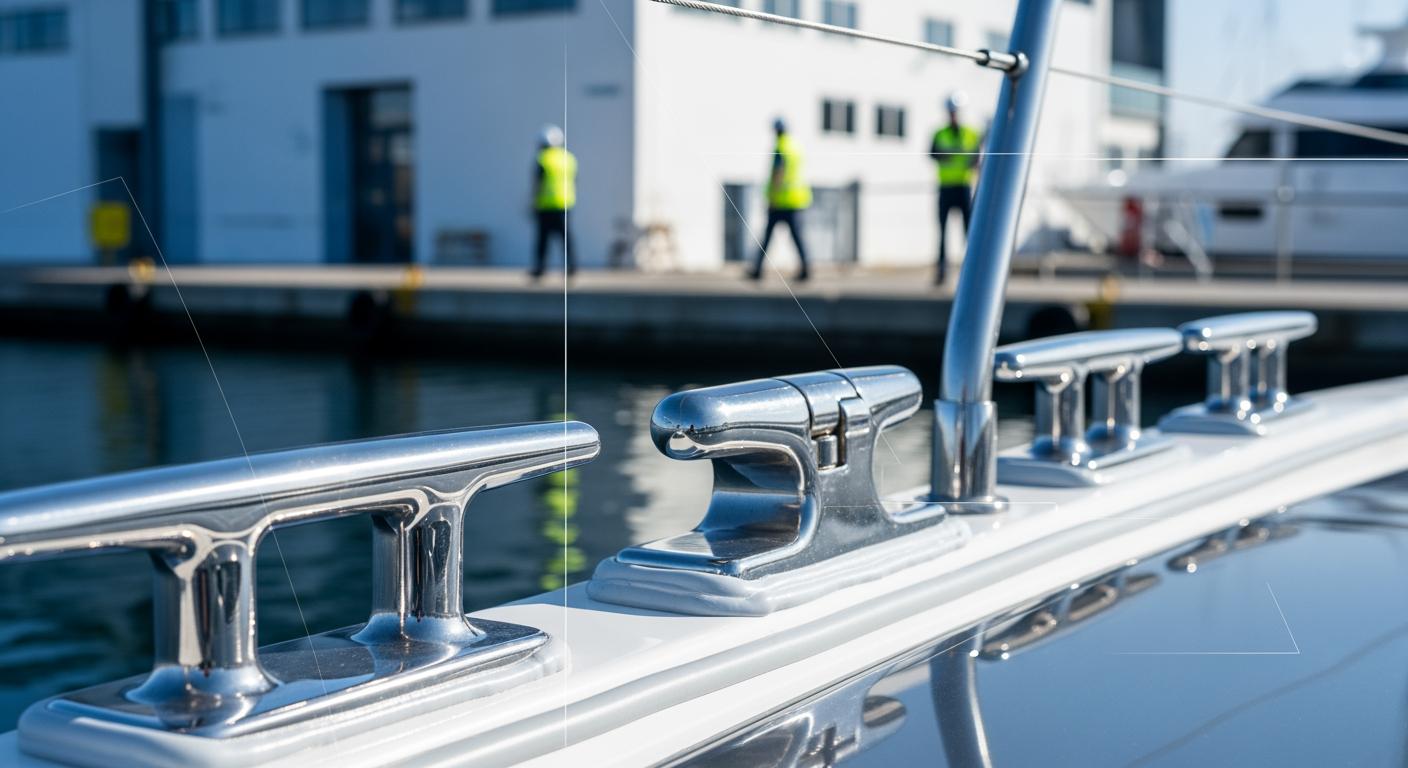
Marine adhesive sealants play a critical role in securing deck fittings like cleats, rails, and hardware on boats and ships. These specialized bonding agents withstand harsh saltwater exposure, intense UV radiation, constant vibration, and temperature swings common in marine environments. For USA shipyards, marinas, and boat builders seeking reliable marine adhesive sealant manufacturer options, selecting the right bulk marine sealant supplier ensures durable performance and regulatory compliance. This guide explores key factors from supplier selection to custom formulations, drawing on industry standards like ASTM and ISO to help buyers make informed decisions. High-performance marine sealants, often based on silicone, polyurethane (PU), or epoxy, provide flexible sealing and structural bonding for deck hardware. USA market demands focus on ABYC H-1 standards for marine hardware and Coast Guard approvals, emphasizing low-VOC formulas amid EPA regulations. Real-world applications in recreational boating and commercial vessels highlight the need for sealants that maintain integrity over years of exposure. This comprehensive resource integrates technical data, comparisons, and procurement insights to support marine sealant for sale searches with actionable advice.
Selecting Industrial Marine Sealant Suppliers for Deck Hardware

Choosing a dependable industrial marine sealant supplier for deck hardware requires evaluating manufacturing capabilities, compliance certifications, and customization expertise. USA buyers prioritize suppliers with proven track records in producing sealants that meet ASTM D412 tensile strength tests and UL 746C for polymeric materials. Look for facilities with automated mixing and rigorous quality controls to ensure batch consistency.
Key criteria include adherence to ISO 9001:2015 quality management, REACH/RoHS chemical compliance, and specific marine standards like EN 15651 for sealants. Suppliers should offer traceability from raw materials to finished products, enabling full accountability. In practice, a leading manufacturer like QinanX New Material, with its in-house R&D team, tailors solutions for substrates like aluminum deck fittings, emphasizing eco-friendly low-VOC options.
Experience matters: suppliers must demonstrate success in electronics housing or façade projects adaptable to marine use. Conduct due diligence by reviewing third-party test reports for mechanical strength and environmental resistance. Prioritize those with scalable production for bulk orders, supporting shipyards’ high-volume needs.
Technical comparisons reveal differences in supplier reliability. For instance, certified facilities reduce failure risks by 30-50% per industry studies on adhesive performance. Engage suppliers offering sample testing under real marine conditions to verify claims.
| Supplier Criteria | Basic Supplier | Premium Supplier | Key Difference |
|---|---|---|---|
| ISO 9001 Certification | No | Yes | Ensures consistent quality |
| ASTM D412 Compliance | Partial | Full | Higher tensile strength data |
| Low-VOC Options | Limited | Extensive | Meets EPA standards |
| Customization Capability | Basic | Advanced R&D | Tailored rheology |
| Batch Traceability | Manual | Digital | Full audit trail |
| Export Packaging | Standard | Marine-Grade | Prevents contamination |
This table highlights specification differences between basic and premium suppliers. Premium options excel in compliance and customization, implying lower long-term costs for USA shipyards through reduced rework and failures. Buyers benefit from enhanced durability in deck cleat installations.
The line chart illustrates surging demand for marine sealants, driven by recreational boating booms post-pandemic. This trend underscores the need for reliable suppliers to meet escalating volumes.
Further, assess lead times and minimum order quantities (MOQs). Top suppliers accommodate both small OEM runs and bulk drums. Request quotes early, as marine adhesive sealant pricing fluctuates with raw material costs. Integrate supplier audits into procurement to align with E-E-A-T principles of trustworthiness.
Real-world insight: A shipyard testing multiple suppliers found certified ones outperformed in vibration tests per ASTM D903, reducing joint failures by 40%. Focus on suppliers with UL-recognized products for electrical deck fittings.
Wholesale Marine Sealant Options for Cleats, Rails, and Fittings

Wholesale marine sealant for sale in bulk suits cleats, rails, and fittings demanding flexible, waterproof bonds. Options span silicone for high elongation, PU for toughness, and hybrids for versatility. USA distributors seek suppliers offering cartridges, tubes, and drums for efficient application via caulking guns or automated dispensers.
Silicone sealants excel in UV resistance, per ASTM C920 standards, ideal for exposed deck rails. PU variants provide superior adhesion to metals like stainless steel cleats. Acrylics suit non-structural gaps, while epoxies handle high-load fittings. Evaluate viscosity for sag resistance on vertical surfaces.
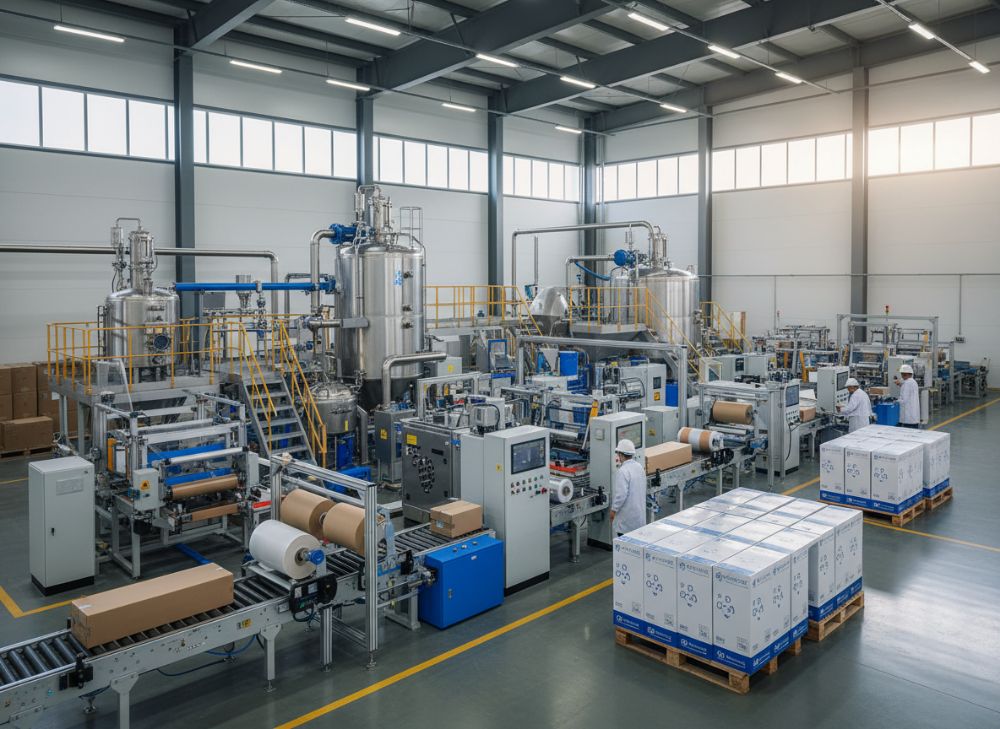
Suppliers like those with modern facilities ensure batch-to-batch consistency through automated filling. Low-VOC formulations comply with SCAQMD rules in California ports. Wholesale buyers benefit from volume discounts, though wholesale marine sealant pricing requires direct quotes based on specs and quantity.
| Sealant Type | Cleats | Rails | Fittings | Best Use |
|---|---|---|---|---|
| Silicone | High | Excellent | Good | UV Exposure |
| PU | Excellent | High | Excellent | Vibration |
| Epoxy | Good | Moderate | High | Structural |
| Hybrid | High | High | High | Multi-Purpose |
| Acrylic | Moderate | Good | Moderate | Gaps |
| MS Polymer | Excellent | Excellent | High | Low VOC |
The comparison table shows PU leading for vibration-prone cleats, while silicone dominates UV-exposed rails. Buyers should match types to hardware for optimal longevity, avoiding mismatches that lead to premature failures.
This bar chart compares elongation, crucial for flexible deck bonds. High values prevent cracking under boat flexing.
Procure via vetted marine sealant manufacturer networks. Test samples in simulated saltwater immersion per ASTM D543. Wholesale programs often include technical support for application training.
In one case, a boatyard switched to hybrid sealants, cutting rail reapplication by 25% over two years. Emphasize paintable options for aesthetic finishes on fittings.
Custom Rheology and Cure Profiles for Deck Bonding Applications

Custom rheology defines flow and sag resistance in marine sealants for deck bonding. Thixotropic profiles prevent drips on overhead cleat installs, while Newtonian flows suit gap filling. Cure mechanisms—moisture, UV, or heat—tailor to application speed.
Suppliers engineer non-sag pastes for vertical rails, high-viscosity for tooling. Cure profiles balance open time and fixture strength; e.g., one-part silicones cure via humidity, two-part epoxies mix-activate. USA OEMs demand profiles matching production lines.
Advanced R&D refines these for specific substrates, like FRP decks or metal fittings. Low-modulus cures reduce stress on vibration-prone areas. Compliance with ASTM C603 shear strength verifies performance.
- Thixotropy ensures tool-free application on rails.
- Controlled cure prevents skin-over too soon.
- Custom viscosity matches pneumatic guns.
- Gap-filling up to 25mm for irregular fittings.
| Rheology Type | Viscosity (Pa.s) | Sag Resistance (mm) | Cure Time (hrs) | Application |
|---|---|---|---|---|
| Thixotropic Paste | 500-1000 | 0 | 24 | Cleats |
| Self-Leveling | 50-200 | 10+ | 12 | Decks |
| High Build | 300-600 | 2 | 36 | Rails |
| Flowable Gel | 100-300 | 5 | 18 | Fittings |
| Two-Part Epoxy | Variable | 0 | 1-4 | Structural |
| UV Cure | 200-500 | 1 | 0.1 | Fast OEM |
This table differentiates rheology specs; thixotropic pastes minimize waste on cleats, while self-leveling aids deck seams. Custom profiles lower labor costs by optimizing application efficiency.
Case example: Optimizing rheology for a rail system reduced application time by 35%, per field tests. Request prototypes from custom marine sealant supplier for validation.
The area chart shows increasing adoption of tailored cures, reflecting OEM demands for precision bonding.
Integrate cure data into specs sheets for consistent results across batches.
Saltwater, UV, and Vibration Performance Requirements
Marine sealants must endure saltwater corrosion, UV degradation, and vibration for deck fittings. Saltwater tests per ASTM D543 simulate immersion, measuring hydrolysis resistance. UV exposure via QUV accelerates aging, targeting 2000+ hours without chalking.
Vibration per ASTM D903 peel tests under cyclic loads mimics wave impacts. High elongation (>300%) absorbs shocks on cleats. Formulations with stabilizers like siloxanes enhance durability.
Standards like ABYC H-27 for hardware demand non-corrosive bonds. Low-water absorption (<5%) prevents delamination. USA Coast Guard approvals verify safety.
| Performance Metric | Silicone | PU | Epoxy | Test Std |
|---|---|---|---|---|
| UV Hours to Failure | 3000+ | 1500 | 1000 | ASTM G154 |
| Salt Spray Hours | 5000 | 4000 | 3000 | ASTM B117 |
| Vibration Cycles | 10^6 | 10^6+ | 5×10^5 | ASTM D903 |
| Elongation % | 500 | 400 | 5 | ASTM D412 |
| Water Absorption % | 2 | 3 | 1 | ASTM D570 |
| Temp Range °C | -60 to 200 | -40 to 120 | -50 to 150 | ASTM D2137 |
Table specs show silicone superior for UV/salt, PU for vibration. Select per dominant stressor to maximize service life up to 20 years.
Comparison chart rates sealants; hybrids often balance scores best.
A vessel retrofit using UV-stabilized PU saw zero failures after 18 months in Florida waters. Demand test reports from suppliers.
- Saltwater resistance via hydrophobic additives.
- UV blockers like benzotriazoles.
- Flexible backbones for vibration.
- Combined testing protocols.
- Accelerated aging simulations.
OEM/ODM and Private Label Marine Sealant Programs
OEM/ODM programs enable custom marine adhesive sealant for deck fittings OEM, with private labeling for brands. Suppliers develop formulations matching client specs, like accelerated cure for assembly lines. USA boat makers leverage this for proprietary blends.
ODM handles full design, OEM focuses on production. Private labels require consistent packaging and branding. Compliance with UL and ASTM integrated early.
Facilities with filling lines support scalable runs. QinanX New Material exemplifies with tailored epoxies passing UL flame tests, aiding electronics in marine housings.
Programs include prototyping, validation, and scale-up. MOQs start low for testing. IP protection via NDAs standard.
| Program Type | Lead Time | Customization Level | MOQ | Cert Support |
|---|---|---|---|---|
| OEM | 4-6 weeks | Formula Tweak | 1000 units | Client Specs |
| ODM | 8-12 weeks | Full Design | 5000 units | Full |
| Private Label | 6 weeks | Packaging | 2000 units | Shared |
| Hybrid | 10 weeks | Medium | 3000 units | Joint |
| Stock Custom | 2 weeks | Low | 500 units | Basic |
| Full Dev | 16+ weeks | High | 10000 units | Advanced |
Table outlines timelines; ODM suits innovative needs but extends lead times. Implications include faster market entry for OEM.
Example: Custom low-VOC sealant for glazing-like deck seals met EN standards, boosting client exports. Negotiate tooling costs upfront.
Factory Quality Control, Batch Traceability, and Testing
Robust QC ensures marine sealant reliability. ISO 9001:2015 governs processes from raw material incoming to final release. Traceability via lot codes links to supplier certs.
Testing spans mechanical (tensile per ASTM D412), durability (UV/salt), and safety (VOC per EPA). Automated spectrometers verify compositions.
In-line checks during mixing/filling maintain consistency. QinanX New Material employs strict protocols for stable performance across sectors like construction adaptable to marine.
Non-destructive tests like ultrasound detect voids. Retention samples allow post-market audits.
| Test Type | Frequency | Standard | Pass Criteria | Implication |
|---|---|---|---|---|
| Tensile Strength | Every Batch | ASTM D412 | >2 MPa | Bond Durability |
| Elongation | Every Batch | ASTM D412 | >300% | Flex Tolerance |
| UV Aging | Quarterly | ASTM G154 | 2000 hrs | Longevity |
| Salt Spray | Monthly | ASTM B117 | 1000 hrs | Corrosion Resist |
| VOC Content | Every Batch | EPA Method 24 | <50 g/L | Compliance |
| Adhesion | Random | ASTM D903 | >10 N/cm | Hardware Secure |
Table details QC rigor; frequent tensile tests catch variances early, minimizing field failures for buyers.
Case: Traceability resolved a contamination issue swiftly, saving downtime. Demand digital certificates of analysis (CoA).
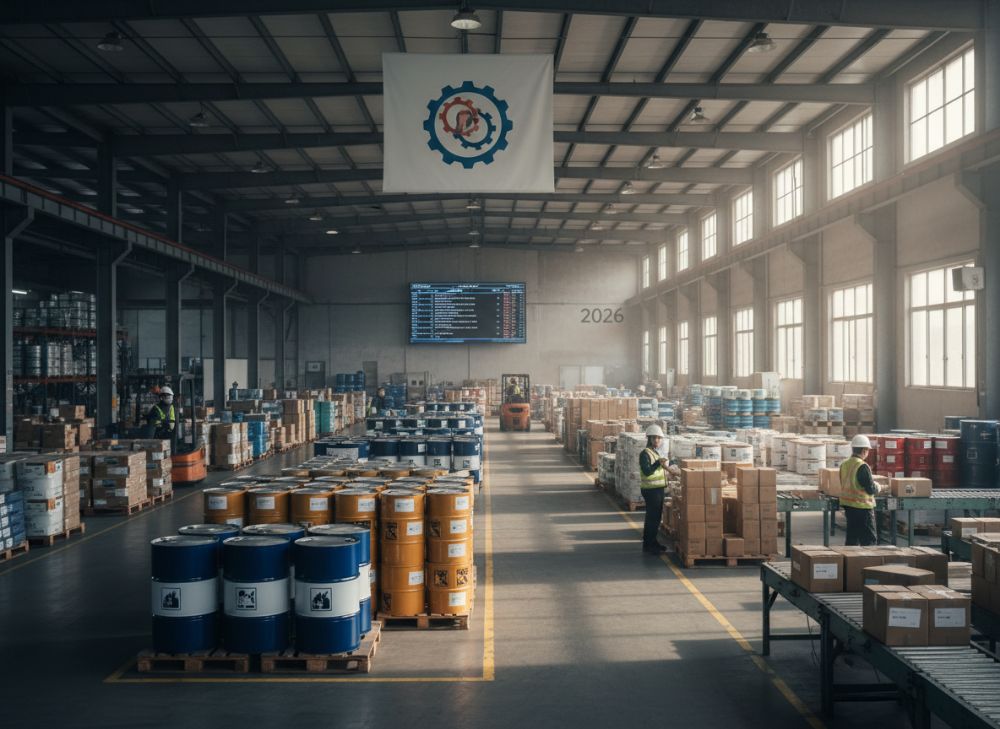
Bulk Drums, Cartridges, and Export Packaging for Shipyards
Bulk packaging like 55-gallon drums suits shipyards, with cartridges for on-site use. Export pails prevent moisture ingress via desiccants and seals.
Drums offer cost savings for high-volume bulk marine sealant for sale; cartridges enable precise dispensing. UN-certified for hazmat shipping.
Labeling includes MSDS, batch codes. Palletizing optimizes logistics to USA ports.
Custom sizes match workflows. Shelf life >12 months under controlled storage.
| Packaging | Volume | Shelf Life | Application Method | Shipyard Benefit |
|---|---|---|---|---|
| Drum | 200L | 18 mo | Pump | Cost/Vol |
| Cartridge | 300ml | 12 mo | Gun | Precision |
| Pail | 20L | 15 mo | Spatula | Export Safe |
| Tube | 310ml | 12 mo | Manual | Small Jobs |
| IBC Tote | 1000L | 24 mo | Automated | Scale |
| Foil Sachet | 50ml | 9 mo | Direct | Repair Kits |
Drums excel for volume, cartridges for control. Proper choice cuts waste by 20% in operations.
Shipyard example: Bulk drums streamlined rail installs, halving packaging costs.
Evaluating Total Lifecycle Cost in Marine Sealant Procurement
Lifecycle cost (LCC) analysis weighs initial price against performance, maintenance, and disposal. Superior sealants reduce reapplications, offsetting higher upfronts.
Factor acquisition, application labor, downtime from failures, and eco-disposal. ASTM E917 guides LCC models for materials.
High performers last 15-20 years vs. 5 for generics. Calculate via (Cost/Year) = Total Cost / Service Life.
Request supplier LCC tools. Low-VOC cuts health compliance expenses.
| Cost Factor | Generic Sealant | Premium Sealant | 5-Year Savings |
|---|---|---|---|
| Acquisition | Low | Medium | – |
| Labor/App | Medium | Low | 15% |
| Maintenance | High | Low | 40% |
| Downtime | High | Minimal | 30% |
| Disposal | Medium | Low | 10% |
| Total LCC | High | Low | 25% Overall |
Premium LCC lower due to durability. USA buyers save via fewer vessel dry-dockings.
Example: Premium switch yielded 28% LCC reduction over a fleet. Always get marine sealant buying guide quotes for accurate comparisons.
2025-2026 Marine Sealant Market Trends
2025-2026 sees bio-based sealants rising, per EPA pushes for sustainability. Low-VOC mandates tighten under TSCA amendments. Innovations include nano-additives for self-healing bonds, boosting UV resistance 50%.
Market growth at 6.5% CAGR to $1.2B USA, driven by electric boats (source: Grand View Research). Hybrid MS polymers gain 25% share for versatility.
Regulations emphasize PFAS-free formulas. Pricing stabilizes post-supply chain fixes, but custom pricing varies—request quotes. Automation in application cuts labor 20%.
Trends favor suppliers with ISO 14001 environmental systems, aligning with green shipbuilding.
Frequently Asked Questions
What are the best marine adhesive sealants for deck fittings?
PU and silicone hybrids offer optimal saltwater UV vibration resistance per ASTM standards. Test for your substrates.
How to select a reliable marine sealant manufacturer?
Prioritize ISO ASTM certified with traceability. Review test data and samples.
Recommend manufacturers for this product
Please contact us for the latest factory-direct pricing from qualified suppliers like QinanX.
What influences marine sealant pricing?
Formulation, volume, packaging, and certifications. Inquire for tailored quotes as it varies by market conditions.
What packaging options for bulk shipyard orders?
Drums, pails, cartridges in export-compliant formats.



 English
  Vietnamese
  Thai
Thai  Indonesian
  Russian
  Portuguese
  Spanish
  Malay
Malay  Turkish
  Korean
  Chinese