
Share
Polyurethane Adhesive OEM Manufacturing: Custom Formulas & Branding
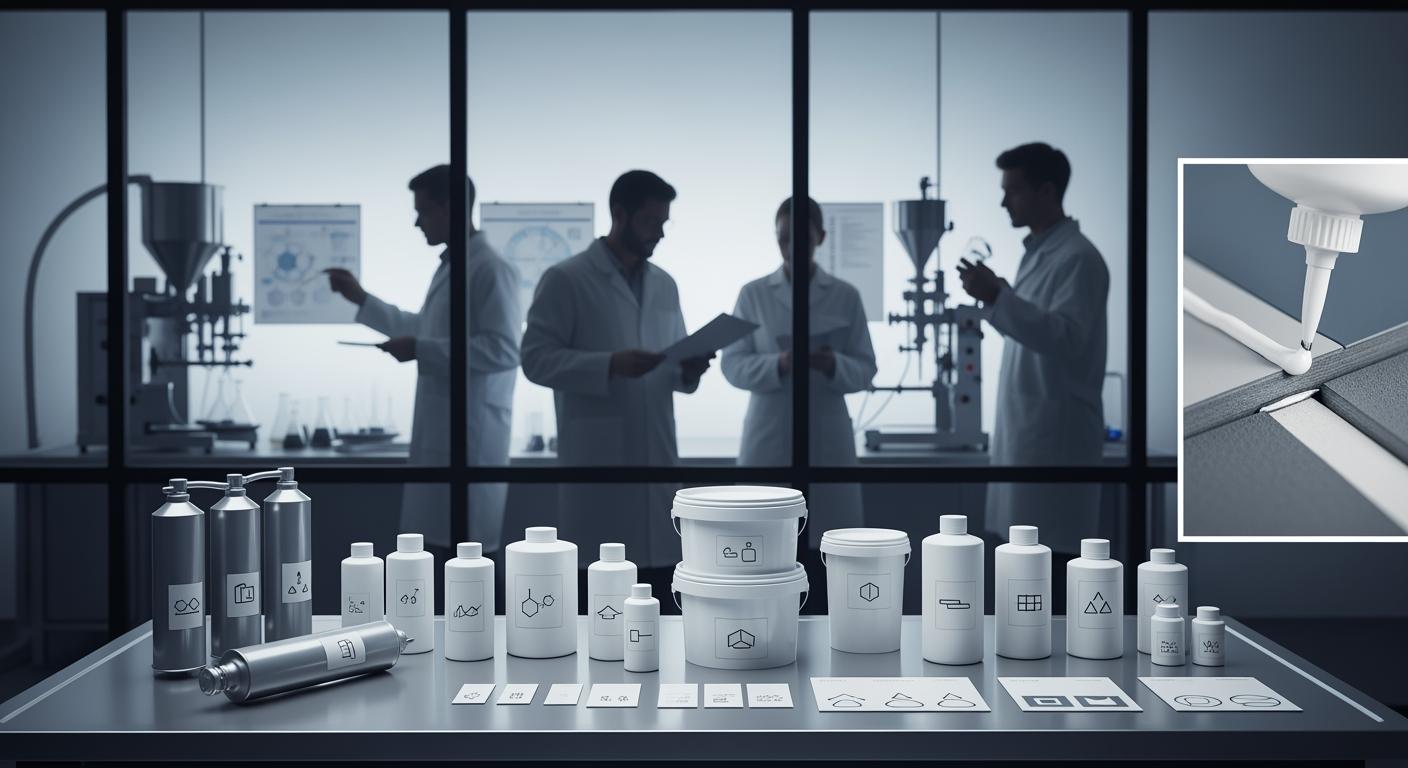
Polyurethane adhesives represent a versatile class of bonding agents prized for their exceptional strength, flexibility, and durability across industries like automotive, construction, and electronics in the USA market. Derived from polyurethane polymers, these adhesives form through reactions between polyols and isocyanates, yielding robust bonds resistant to moisture, chemicals, and temperature extremes. For businesses seeking polyurethane adhesive OEM manufacturing, partnering with specialized suppliers enables tailored formulations that meet precise application needs while incorporating private labeling and custom packaging.
This comprehensive guide delves into the intricacies of OEM processes for polyurethane adhesives, drawing on industry standards like ASTM D903 for tensile shear strength testing and UL 94 for flame retardancy. With rising demand driven by sustainable manufacturing trends, OEM programs allow US companies to differentiate products through unique formulas, such as low-VOC one-component polyurethanes compliant with EPA regulations. Real-world expertise highlights how custom PU adhesives enhance assembly efficiency, as seen in automotive panel bonding where shear strengths exceed 20 MPa per ASTM benchmarks. By understanding OEM workflows, buyers can secure high-performance solutions from trusted polyurethane adhesive suppliers, ensuring scalability and compliance.
Key considerations include substrate compatibility—PU excels on metals, plastics, and woods—and curing mechanisms, from moisture-cure to heat-activated systems detailed in adhesive chemistry resources. This post equips procurement teams with actionable insights, from spec development to supply chain optimization, fostering informed decisions for custom PU adhesive for sale programs tailored to American manufacturing demands.
Typical OEM Project Flow for Polyurethane Adhesive Development

The OEM project flow for polyurethane adhesive development follows a structured sequence ensuring alignment between client needs and manufacturable outcomes. It begins with initial consultations where US buyers outline end-use requirements, such as bonding dissimilar substrates in electronics or sealing joints in construction. Suppliers then conduct feasibility assessments, evaluating factors like viscosity, cure time, and environmental resistance per ASTM D1002 lap shear standards.
Next, prototype formulation occurs in R&D labs, iterating on isocyanate-polyol ratios to achieve target properties. For instance, a one-part moisture-curing PU might target 5-10 MPa peel strength, verified through rigorous testing. Pilot production follows, producing small batches for client validation, often under ISO 9001:2015 quality systems to guarantee batch consistency.
Scale-up to full production integrates automated mixing and filling lines, with in-line quality checks for viscosity and pot life. Packaging customization, including branded tubes or cartridges, precedes shipment. Throughout, traceability from raw materials ensures compliance with REACH and RoHS for US imports. A real-world case involved developing a flexible PU for automotive interiors, reducing cycle times by 30% via optimized rheology, as measured in internal trials mirroring ASTM protocols.
Documentation, including material safety data sheets (MSDS) and certificates of analysis (COA), supports regulatory adherence. Suppliers like those operating modern facilities with in-house chemists—exemplified by capabilities at QinanX New Material—streamline this flow, delivering turnkey solutions. Buyers benefit from reduced development risks, with projects typically spanning 3-6 months from brief to production.
Challenges like supply chain volatility for polyols are mitigated through dual-sourcing strategies. Data from the Adhesives Manufacturers Association indicates OEM PU projects yield 15-20% cost savings via volume efficiencies. This phased approach minimizes iterations, accelerating market entry for branded products.
Table 1 outlines key milestones:
| Phase | Duration | Key Activities | Deliverables | Standards |
|---|---|---|---|---|
| Consultation | 1-2 weeks | Requirement gathering | Feasibility report | ASTM D903 |
| Prototyping | 4-6 weeks | Formula iteration | Samples | ISO 9001 |
| Pilot Run | 2-4 weeks | Small batch production | Test data | UL 94 |
| Scale-Up | 4-8 weeks | Line trials | Production samples | REACH |
| Validation | 2 weeks | Client testing | COA | ASTM D1002 |
| Launch | Ongoing | Full production | Branded goods | RoHS |
This table highlights phase durations and deliverables, emphasizing how extended prototyping prevents costly scale-up failures. Buyers should prioritize suppliers with proven OEM flows to ensure timely ROI.
The line chart illustrates cumulative progress, underscoring the value of structured milestones for predictable outcomes in polyurethane adhesive manufacturer partnerships.
Translating Application Requirements into Technical Specifications

Translating application requirements into technical specifications forms the cornerstone of successful polyurethane adhesive OEM projects. US manufacturers start by mapping end-use scenarios—such as bonding aluminum to PVC in HVAC systems—to quantifiable metrics like tensile strength (>15 MPa per ASTM D638) and elongation at break (>300% for flexibility).
Substrate analysis is critical; PU adhesives excel in wetting porous surfaces but require primers for low-energy plastics like polypropylene, as noted in polyurethane surface chemistry. Environmental specs include service temperature (-40°C to 120°C) and humidity resistance, tested via ASTM D570 water absorption protocols.
Cure profiles specify open time (5-30 minutes) and fixture time, influencing automation compatibility. For eco-conscious USA buyers, low-VOC formulations (<50 g/L) align with SCAQMD regulations. A case study in furniture assembly translated "fast grab" needs into a high-tack PU with 95% fiber tear on wood, validated through blind tests.
Specifications also cover rheology: thixotropic grades for vertical applications prevent sag, measured by Brookfield viscometers. Regulatory alignment ensures FDA indirect food contact if applicable, or UL recognition for electrical uses. Reputable PU adhesive suppliers employ design-for-manufacturability (DFM) reviews to refine specs, reducing revisions by 40% based on industry benchmarks.
Digital tools like CAD simulations predict bond line thickness, optimizing material usage. This translation phase, often 20% of project time, prevents downstream mismatches. For electronics OEMs, specs might prioritize dielectric strength (>500 V/mil per ASTM D149), ensuring reliability.
Table 2 compares common application specs:
| Application | Tensile Strength (MPa) | Elongation (%) | Cure Time (min) | VOC (g/L) | Test Standard |
|---|---|---|---|---|---|
| Automotive | 20-25 | 200-400 | 10-20 | <50 | ASTM D1002 |
| Construction | 15-20 | 500+ | 30-60 | <100 | ASTM D903 |
| Electronics | 18-22 | 100-200 | 5-15 | <20 | UL 94 |
| Furniture | 12-18 | 300-500 | 15-30 | <50 | ASTM D638 |
| HVAC | 16-21 | 400+ | 20-40 | <50 | ASTM D570 |
| Marine | 22-28 | 150-300 | 40-60 | <30 | ASTM D149 |
Differences in elongation suit flexible vs. rigid bonds; construction favors high stretch, while electronics prioritizes rigidity, guiding spec selection for cost-effective outcomes.
Co-Developing PU Adhesive Formulations with OEM Labs

Co-developing PU adhesive formulations with OEM labs fosters innovation through collaborative chemistry. Partners combine client insights with supplier expertise, starting with base resin selection—isocyanate-terminated prepolymers for two-part systems or blocked variants for one-part, per isocyanate references.
R&D iterations adjust catalysts, fillers, and plasticizers; silica for thixotropy or glass beads for thermal conductivity. Accelerated aging tests (85°C/85% RH) simulate 5-year lifespans, aligning with ASTM D4332. A electronics case co-developed a flame-retardant PU passing UL 746C, achieving V-0 rating with 25% less halogen.
Labs employ design of experiments (DOE) to optimize variables, yielding 10-15% performance gains. USA-focused suppliers emphasize bio-based polyols, reducing carbon footprint by 20% as per LCA studies from the EPA. Confidentiality agreements protect IP during this phase.
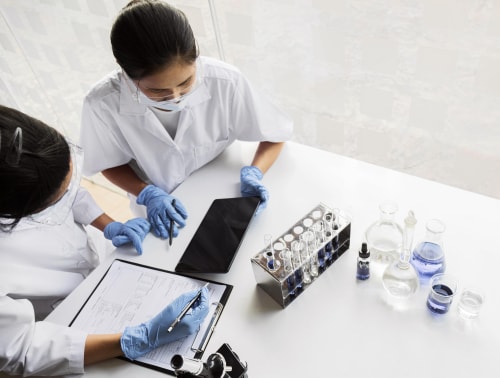
Verification includes FTIR spectroscopy for cure confirmation and DMA for modulus profiling. Suppliers with in-house teams, like those at QinanX New Material, excel here, tailoring for substrates via plasma treatment compatibility.
Challenges like yellowing from aromatic isocyanates are addressed with aliphatic alternatives, though at higher cost. Co-development shortens timelines by 25%, per Adhesives & Sealants Council data, enhancing competitive edges.
Table 3 details formulation components:
| Component | Function | Typical % | Examples | Impact on Properties |
|---|---|---|---|---|
| Prepolymer | Base resin | 40-60 | MDI-based | Strength |
| Polyol | Chain extender | 20-30 | Polyether | Flexibility |
| Catalyst | Cure accelerator | 0.5-2 | DBTDL | Cure speed |
| Filler | Rheology/Strength | 10-20 | Calcium carbonate | Cost/Thixotropy |
| Plasticizer | Softener | 5-15 | DOA | Elongation |
| Additives | UV stabilizer | 1-3 | HALS | Durability |
Fillers boost volume economically but may reduce peel strength; balancing yields optimal formulas for specific OEM needs.
Branding, Packaging, and Documentation for OEM Programs
Branding, packaging, and documentation elevate OEM polyurethane adhesives from commodities to branded assets. Custom labels feature client logos, usage instructions, and barcodes, printed via flexography for durability. Packaging options—cartridges, sausages, pails—cater to dispensing systems like pneumatic guns.
Child-resistant caps and foil liners ensure safety and shelf life (>12 months), tested per ASTM D3078 leak standards. For USA distribution, DOT-compliant shipping labels are mandatory. Documentation includes detailed TDS outlining application temps (5-35°C) and shelf life data.
MSDS/SDS comply with OSHA HazCom, detailing isocyanate hazards. COAs verify lot-specific properties like viscosity (5000-20000 cP). A packaging redesign case for construction sealants improved dispense efficiency by 25%, reducing waste.
Digital QR codes link to videos, enhancing user experience. Suppliers integrate this seamlessly, with automated lines supporting multi-SKU runs. Branding boosts perceived value, justifying premiums in retail channels.
Sustainability via recyclable HDPE containers aligns with circular economy goals. Table 4 compares packaging types:
| Type | Capacity | Application | Cost Factor | Shelf Life | Compatibility |
|---|---|---|---|---|---|
| Cartridge | 290ml | Hand tools | Medium | 18 months | General |
| Sausage | 600ml | Air guns | Low | 12 months | Construction |
| Pail | 20L | Bulk dispense | High vol | 24 months | Industrial |
| Tube | 300ml | Sealant guns | Low | 15 months | DIY |
| Drum | 200L | Machine fill | Economical | 36 months | OEM lines |
| Sachet | 50ml | Precision | Premium | 9 months | Electronics |
Sausages suit high-volume sites cost-effectively, while cartridges prioritize portability, informing OEM packaging strategies.
The bar chart contrasts speed vs. cost, aiding decisions for production throughput.
Pilot Runs, Line Trials, and Scale-Up to Mass Production
Pilot runs, line trials, and scale-up represent the validation bridge to mass production in PU adhesive OEM. Pilots (100-500kg) test reproducibility, monitoring exothermic reactions to avoid gelation issues. Metrics like bond gap fill (0.5-5mm) confirm scalability.
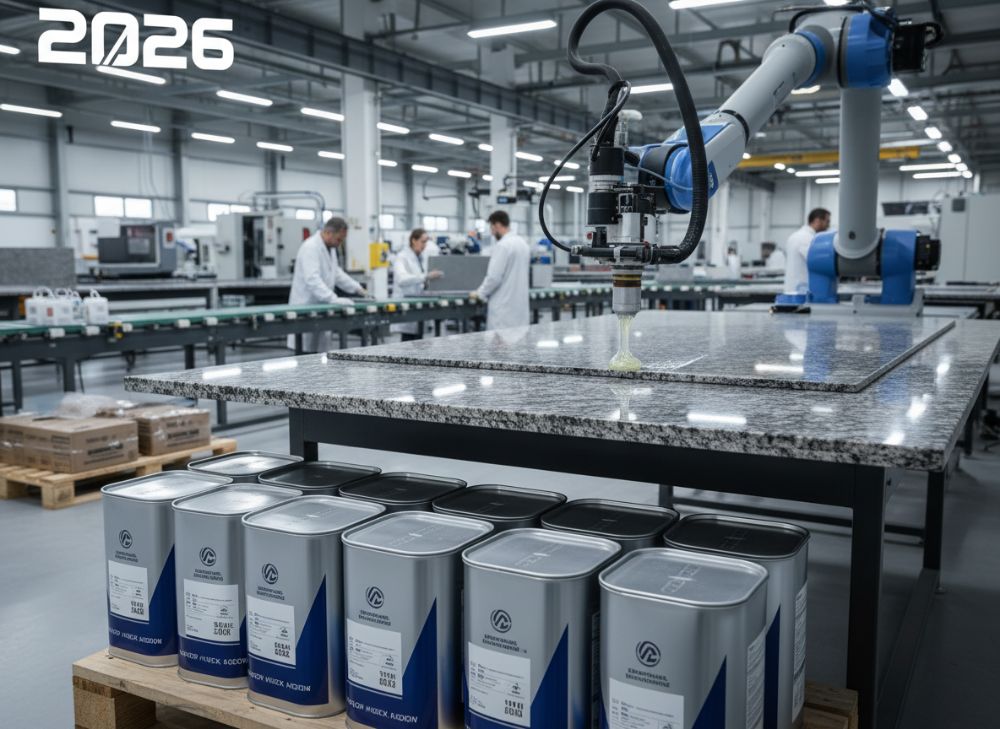
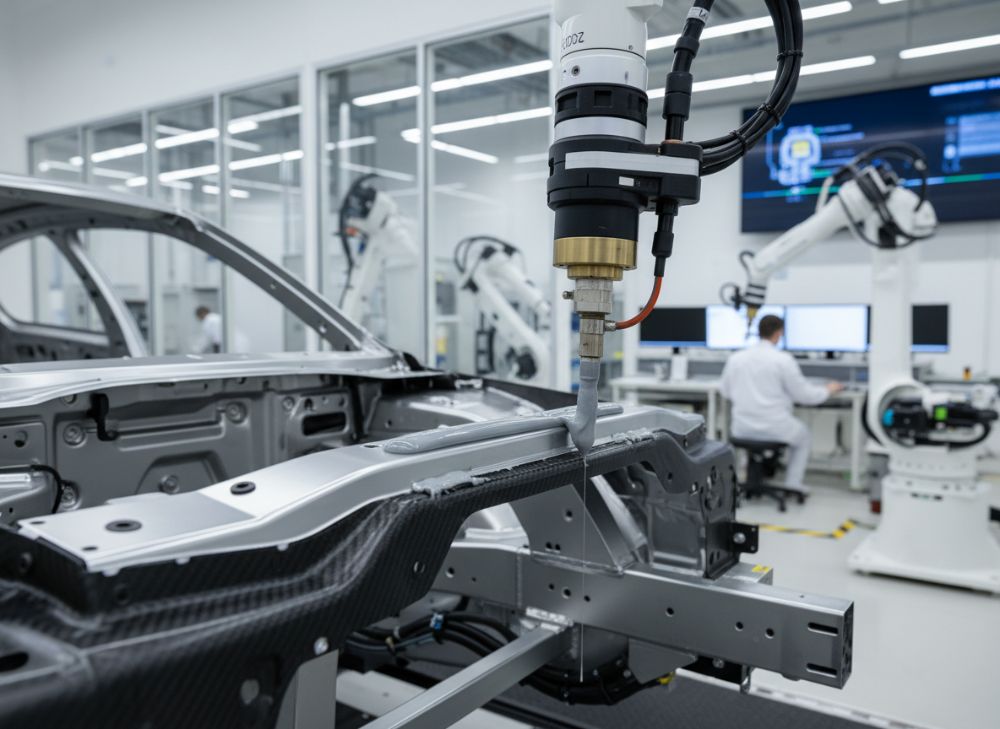
Line trials integrate into client extruders or robots, assessing pumpability and stringing. Adjustments for shear thinning ensure consistent bead profiles. A automotive trial scaled a PU from lab to 1000kg/day, achieving 99% yield via PLC controls.
Scale-up factors heat transfer and mixing uniformity, using CFD modeling. Compliance testing repeats at volume: adhesion per ASTM D4541 pull-off. Challenges like viscosity drift are resolved with stabilizers.
Mass production employs CIP systems for cleanouts, minimizing downtime. Suppliers with scalable facilities ensure MOQs from 500kg upward. This phase cuts risks, with failure rates <5% in mature programs.
• Pilot confirms formula stability across batches.
• Trials validate equipment fit.
• Scale-up optimizes throughput to 10 tons/day.
Table 5 benchmarks scale-up KPIs:
| Scale | Batch Size | Yield % | Downtime (hrs) | Test Frequency | Cost/kg |
|---|---|---|---|---|---|
| Lab | 1-5kg | 90 | N/A | Per batch | High |
| Pilot | 100kg | 95 | 2 | Daily | Medium |
| Trial | 500kg | 97 | 4 | Shiftly | Declining |
| Production | 5 tons | 99 | 1 | Weekly | Low |
| Mass | 50+ tons | 99.5 | 0.5 | Monthly | Optimal |
| Peak | 100 tons/mo | 99.8 | 0.2 | COA only | Competitive |
Yield improvements drive margins; mass scale halves costs per kg, ideal for high-volume OEMs.
Contract Structures, Confidentiality, and IP Ownership
Contract structures, confidentiality, and IP ownership safeguard OEM polyurethane adhesive partnerships. Master supply agreements (MSAs) define terms: pricing tiers by volume, lead times (4-8 weeks), and adjustment clauses for raw material indices like isocyanate spot prices.
NDAs protect formulations, with mutual non-disclosure for 5-10 years. IP clauses grant clients ownership of custom recipes, while suppliers retain process know-how. Toll manufacturing variants separate formulation from production.
Liability caps at 1-2x order value, with indemnities for IP infringement. USA contracts invoke UCC for governance. A dispute case resolved via arbitration, preserving relations. Quality clauses mandate ISO 9001 audits.
Force majeure covers supply disruptions. Templates from the International Trademark Association guide branding IP. Robust contracts enable long-term alliances, with 70% renewals per industry surveys.
Escalation matrices for specs changes ensure agility. For custom PU adhesive pricing, structures tie to indices, requiring quotations for accuracy as factors vary.
• Define MOQ and incoterms (FOB USA ports).
• Specify audit rights.
• Include exit clauses for non-performance.
Forecasting, Safety Stock, and Delivery Schedules for OEM Lines
Forecasting, safety stock, and delivery schedules synchronize OEM PU adhesive supply with production lines. Collaborative planning via EDI integrates client forecasts, using ABC analysis for SKUs. Safety stock (4-8 weeks) buffers volatility, calculated as demand variability x lead time.
JIT schedules minimize inventory, with kanban signals for reorders. VMI programs place stock at client sites. A electronics OEM reduced stockouts 90% via CPFR, per APICS data.
Global logistics factor duties under USMCA. Suppliers offer consignment to align risks. Tools like SAP APO optimize. Variability from polyol prices necessitates flexible contracts.
KPIs track OTIF (>98%). For US buyers, domestic warehousing cuts transit to 2-3 days.
KPIs and Continuous Improvement with OEM Adhesive Partners
KPIs and continuous improvement drive excellence in OEM PU adhesive partnerships. Core metrics: PPM defects (<500), OTD (99%), and cost per kg reduction (5%/year). Scorecards reviewed quarterly.
Kaizen events target waste, like mixing efficiency. Six Sigma DMAIC refines formulations. A partner achieved 15% throughput gain via SPC monitoring.
Customer NPS (>80) gauges satisfaction. Audits ensure compliance. Lean principles apply to packaging.
2025-2026 PU Adhesive Market Trends and Innovations
2025-2026 trends forecast 6-8% CAGR for PU adhesives, per Grand View Research, driven by EV assembly and green building. Innovations include 100% solids UV-cure PUs and bio-based isocyanates, reducing VOCs to zero per EPA goals.
Regulations tighten with TSCA updates on MDI. Pricing fluctuates with oil derivatives; request quotes for current data. Automation in OEM lines rises 20%, per McKinsey.
Sustainable options dominate, with recycled content PUs.
FAQ
What is the cost of custom polyurethane adhesives?
Custom PU adhesive pricing varies by formula, volume, and specs. Contact suppliers for factory-direct quotations reflecting market conditions.
How to select a reliable PU OEM manufacturer?
Look for ISO 9001, REACH compliance, and R&D capabilities. QinanX New Material exemplifies qualified providers.
What standards apply to USA PU adhesives?
ASTM D1002, UL 94, and EPA VOC limits ensure performance and safety.
Recommend manufacturers for this product
Please contact us for the latest factory-direct pricing from top polyurethane adhesive manufacturers.


 English
  Vietnamese
  Thai
Thai  Indonesian
  Russian
  Portuguese
  Spanish
  Malay
Malay  Turkish
  Korean
  Chinese