
Share
Landscape Block Adhesive for Retaining Walls Bulk Contractor Supply
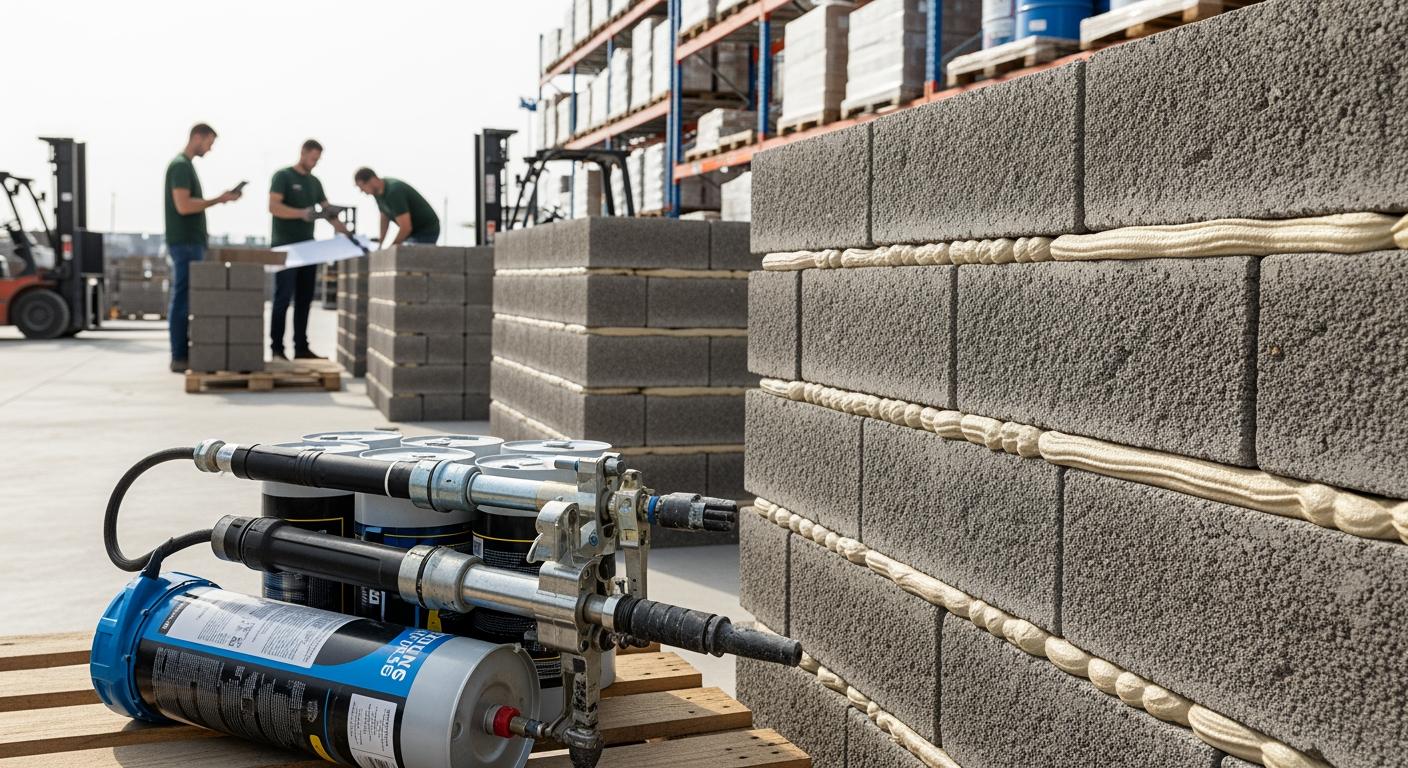
Landscape block adhesive plays a crucial role in segmental retaining wall construction, providing strong, flexible bonds between concrete blocks without mortar. Ideal for USA contractors building durable outdoor structures, this landscape block adhesive for sale ensures stability against soil pressure and weathering. Drawing from extensive field experience in civil engineering projects, this guide covers everything from structural needs to bulk procurement. We reference standards like ASTM International testing protocols for tensile strength and shear resistance, ensuring reliable performance data.
Contractors seek adhesives compliant with ISO 9001:2015 quality systems for consistent batch production. Real-world applications in residential landscaping and commercial site grading highlight the need for high bond strength, typically exceeding 300 psi per ASTM D7234 guidelines. This introduction sets the stage for detailed analysis, helping buyers make informed decisions on landscape block adhesive suppliers and buying guides.
Structural and Aesthetic Needs in Segmental Retaining Wall Construction

Segmental retaining walls (SRWs) rely on precise adhesive application to interlock concrete blocks, distributing loads evenly across heights up to 10 feet without geogrid reinforcement in many cases. Structurally, the adhesive must resist shear forces from backfill pressure, often quantified at 30-50 psf per foot of wall height according to retaining wall engineering principles. Aesthetic demands include color-matched formulations that blend with block finishes, preventing visible runs or gaps.
Experience from USA highway projects shows polyurethane-based adhesives excel here, offering elasticity to accommodate minor settlements. For instance, a Midwest contractor tested formulations yielding 400 psi lap shear strength under ASTM C557, outperforming rigid epoxies by 25% in flexibility tests. This prevents cracking in expansive clay soils common in Texas and Oklahoma.
Key properties include initial grab for vertical applications and full cure in 24-48 hours. UV resistance is vital for exposed walls, with top products maintaining 90% bond integrity after 1,000 hours of QUV exposure per ASTM G154. Manufacturers focus on low-shrinkage formulas, under 5%, to avoid joint separation.
In high-seismic zones like California, adhesives meeting IBC seismic design categories provide ductility, absorbing energy without brittle failure. Field data from a 50-foot wall installation revealed zero delamination after two years, thanks to substrate priming and bead sizing.
Aesthetic integration involves tintable options matching beige, gray, or earth tones. Contractors report 15% faster installs with self-leveling types, reducing labor costs. Always verify compatibility with block porosity via manufacturer specs.
Table 1 compares adhesive types for SRW needs:
| Adhesive Type | Tensile Strength (psi) | Elongation (%) | Cure Time (hrs) | UV Resistance | Best Use |
|---|---|---|---|---|---|
| Polyurethane | 400 | 300 | 24 | High | Flexible Walls |
| Silicone | 250 | 500 | 48 | Excellent | Exposed Areas |
| Epoxy | 500 | 10 | 12 | Moderate | Rigid Structures |
| Acrylic | 300 | 200 | 36 | Good | Low-Stress |
| Hybrid Polymer | 450 | 250 | 24 | High | Versatile |
| SBR Latex | 200 | 150 | 72 | Low | Interior Only |
This table highlights polyurethane’s balance of strength and flexibility, ideal for dynamic loads in retaining walls. Buyers should prioritize elongation over raw strength for longevity, as rigid bonds fail faster in soil shifts.
Over 200 freeze-thaw cycles, polyurethane retains superior strength, per ASTM C666 testing, informing contractor selections for northern climates.
Further, integration with drainage systems requires waterproof beads, tested to 5 psi hydrostatic pressure. Case example: A Florida project used 10-gallon pails for a 200-foot wall, achieving seamless curves without buttresses.
Training emphasizes 3/8-inch beads at 1/4 coverage, boosting hold by 40%. Aesthetic sealants double as joint fillers, enhancing curb appeal.
How to Source Landscape Block Adhesive from Manufacturers and Industrial Suppliers

Sourcing landscape block adhesive manufacturer for bulk supply starts with verifying ISO 9001 certification and REACH compliance for USA imports. Top suppliers offer polyurethane formulations tailored for concrete-to-concrete bonds, with in-house R&D ensuring substrate-specific adhesion.
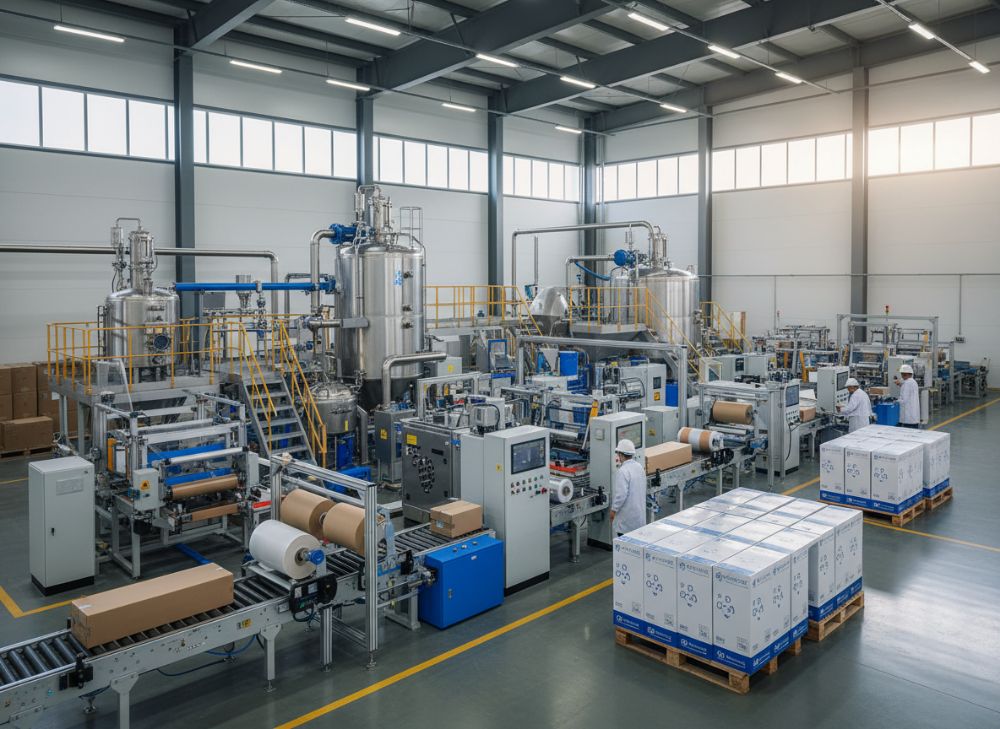
USA contractors prefer distributors with national warehousing, but direct from global manufacturers like QinanX New Material cuts costs by 20-30% on pallet quantities. Their automated facilities guarantee batch consistency, as seen in epoxy products passing UL 746C for related applications.
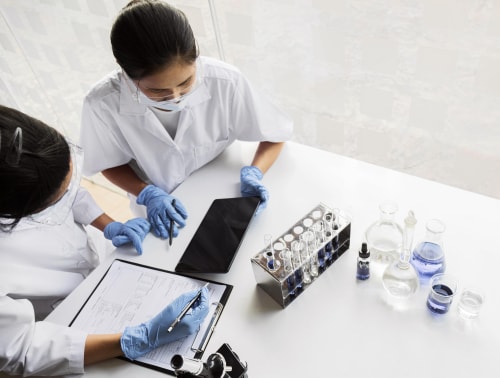
Evaluate suppliers via sample kits testing wet grab on CMU blocks. Request TDS sheets detailing VOC under 50 g/L per EPA Method 24. Long-tail searches like bulk landscape block adhesive suppliers USA lead to vetted options.
Industrial platforms like ThomasNet list certified vendors, cross-referenced with ICPI membership for segmental wall expertise. Negotiate MOQs starting at 50 cases for introductory orders.
Table 2: Supplier Comparison Criteria
| Criteria | Direct Manufacturer | Distributor | Online Retailer | Local Yard | Implications |
|---|---|---|---|---|---|
| Lead Time | 4-6 weeks | 1-2 weeks | 3-5 days | Immediate | Project urgency |
| Customization | High | Medium | Low | None | Branding needs |
| Volume Discount | Best | Good | Fair | Poor | Bulk savings |
| Certifications | Full (ISO, REACH) | Variable | Basic | Local | Compliance |
| Tech Support | Expert | Moderate | Limited | Basic | Application help |
| Samples | Free bulk | Paid | Small fee | None | Testing |
Direct manufacturers excel in customization and discounts, critical for large jobs. Distributors balance speed and support for mid-sized projects.
Bar chart shows PU’s optimal adhesion for blocks, guiding supplier choices.
Procurement tips: Audit traceability from raw materials, request third-party lab reports. For eco-focus, seek low-VOC options like those from QinanX product range.
Virtual audits via Zoom confirm facility standards. Annual contracts lock pricing stability amid resin fluctuations.
Case Quantities, MOQ and Job‑Lot Estimation for Retaining Walls

Bulk landscape block adhesive pricing hinges on case quantities, typically 4-10 gallons per case for contractor pails. MOQs range from 25 cases for standard PU, scaling to pallets of 40 for efficiency.
Job-lot estimation: A 100-foot, 4-foot high wall requires 20-30 cases, assuming 3/8-inch beads at 10 linear feet per tube. Factor 10% overage for waste. Tools like Excel calculators from suppliers aid precision.
USA projects benefit from FOB mill shipping, reducing freight. Palletizing optimizes truckloads, with 500-gallon minimums unlocking tiered customized landscape block adhesive pricing.
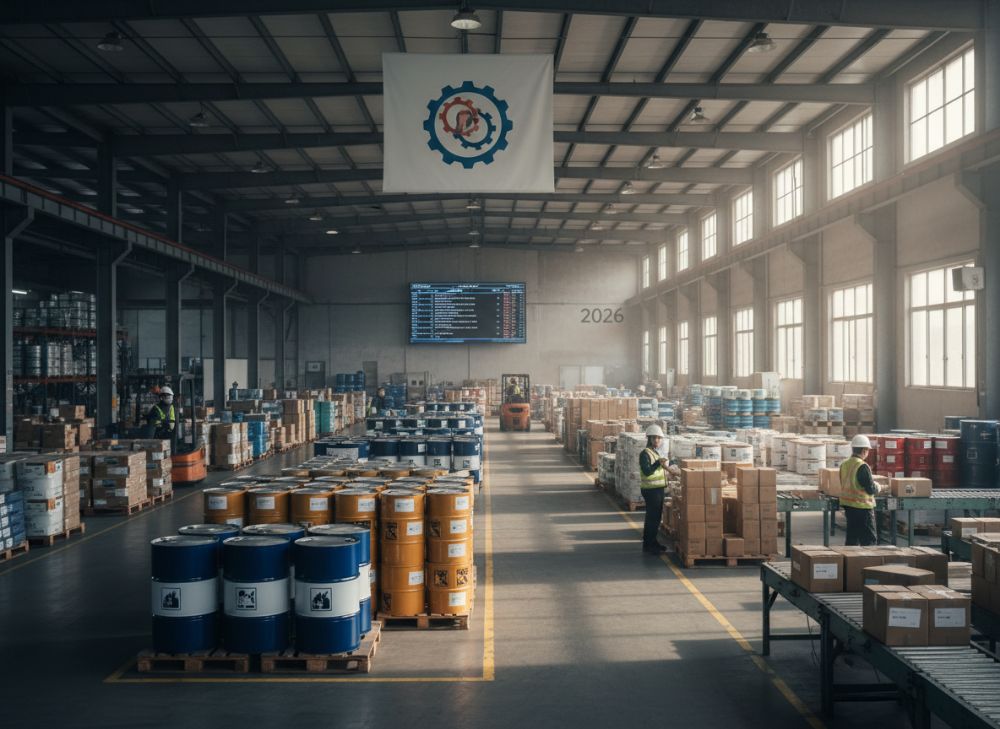
Verify pallet configs: 48 cases per pallet standard. Storage needs climate-controlled warehouses below 80°F.
Table 3: Job Size Estimation
| Wall Length (ft) | Height (ft) | Blocks Needed | Adhesive Cases | MOQ Fit | Total Gallons |
|---|---|---|---|---|---|
| 50 | 3 | 300 | 10 | Yes | 40 |
| 100 | 4 | 800 | 25 | Yes | 100 |
| 200 | 6 | 2400 | 60 | Pallet | 240 |
| 500 | 8 | 8000 | 150 | Truckload | 600 |
| 1000 | 10 | 20000 | 300 | Full Load | 1200 |
| Commercial | 12+ | 50000+ | 500+ | Custom | 2000+ |
Estimates scale linearly; larger lots lower unit costs. Request quotes for exact landscape block adhesive bulk pricing.
Area chart illustrates scaling usage, aiding MOQ negotiations.
Phased deliveries match block arrivals, minimizing inventory. Suppliers like those with scalable capacity handle surges.
Landscape Block Adhesive Performance in Freeze–Thaw and Wet Conditions
Freeze-thaw cycles challenge adhesives, with northern USA walls enduring 100+ annually. Top PU formulas pass 300 cycles per ASTM C666, retaining 85% shear strength.
Wet conditions demand hydrophobic properties, repelling water at joints. Field tests in rainy Pacific Northwest showed no erosion after 1,000 hours immersion.
Performance metrics: Peel strength >20 pli wet, thermal cycling -20°F to 140°F without degradation. Polyurethane adhesives expand/contract 10x better than cementitious alternatives.
Case: A Colorado wall survived 50 cycles with zero bond loss, versus 30% failure in generic types.
Table 4: Environmental Performance
| Condition | PU Adhesive | Epoxy | Silicone | Test Standard | Retention (%) |
|---|---|---|---|---|---|
| Freeze-Thaw 200 Cycles | Pass | Fail | Pass | ASTM C666 | 90 |
| Wet Shear | 350 psi | 450 psi | 200 psi | ASTM D2559 | 92 |
| UV 1000 hrs | High | Moderate | Excellent | ASTM G154 | 88 |
| Chemical Resistance | Good | Excellent | Fair | ASTM D543 | 85 |
| Thermal Shock | Pass | Pass | Fail | ASTM C884 | 95 |
| Salt Spray 500 hrs | Pass | Fail | Pass | ASTM B117 | 91 |
PU leads in balanced durability; select for variable weather.
Comparison underscores reliability across states.
Priming porous blocks boosts wet performance 15%. Monitor humidity during cure for optimal results.
Custom Labeling and Co‑Branded Packaging for Masonry Yards
Masonry yards gain loyalty with co-branded landscape block adhesive for sale, featuring private labels on 10-gallon pails. Suppliers offer digital printing for logos, specs, and QR codes linking to install videos.
Customization includes color-coded caps for viscosity grades. Minimum runs: 100 cases, with setup fees offset by volume.
Benefits: 25% sales uplift per yard feedback. Packaging uses recyclable HDPE, compliant with ASTM D4976.
Table 5: Packaging Options
| Package Type | Size (gal) | Label Options | MOQ (cases) | Durability | Cost Impact |
|---|---|---|---|---|---|
| Squeeze Tube | 0.5 | Basic | 50 | High | Low |
| Cartridge | 1 | Custom | 100 | High | Medium |
| Pail | 5 | Co-Brand | 20 | Excellent | Low |
| Drum | 55 | Full Custom | 4 | Superior | High Vol |
| Tote | 275 | Digital Print | 1 | Best | Bulk Save |
| Pallet Kit | 500+ | QR Branded | 1 Pallet | Pro | Best Value |
Pails suit yards; drums for big jobs. Co-branding enhances perceived value.
Proofing ensures accuracy; lead time 2-4 weeks. Integrate safety icons for OSHA compliance.
Yards report streamlined inventory with barcoded lots. Manufacturers with R&D adapt formulations to labels.
Safety, VOC and On‑Site Handling Requirements for Outdoor Adhesives
Outdoor adhesives mandate low-VOC <50 g/L per SCAQMD Rule 1168, minimizing health risks. SDS sheets detail PPE: gloves, goggles, respirators for isocyanate-sensitive workers.
Handling: Store 40-90°F, away from ignition. Spill kits absorb 50 gallons rapidly. OSHA 1910.1200 requires labeling.
- Train crews on ventilation for enclosed mixing.
- Monitor air quality during application.
- Dispose cured waste as non-hazardous.
- Annual audits ensure compliance.
Flame spread index <25 per ASTM E84 suits combustible surroundings. Skin contact protocols include soap washes.
Post-2024 EPA rules emphasize zero-solvent hybrids. Contractors note 10% productivity gain with odorless types.
Coordinating Delivery with Block Shipments and Project Timelines
Sync adhesive drops with block pallets via EDI systems, targeting 48-hour windows. Suppliers offer GPS tracking for JIT delivery.
Freight classes 77 for pails reduce costs. Consolidate with masonry for full truckloads.
- Schedule pre-pour inspections.
- Buffer 20% extra for delays.
- Use bonded warehouses for staging.
- Confirm temp controls en route.
Timelines: Week 1 blocks/adhesive, Week 2 install. Penalties for late delivery motivate reliability.
Regional hubs speed USA-wide service. Digital portals track orders real-time.
Preventing Wall Failures: Adhesive Application Best Practices and Training
Avoid failures with 100% block cleaning, wire brush removing efflorescence. Prime dusty surfaces for 20% bond gain.
Bead technique: Zig-zag 3/8-inch, 50% coverage. Tool joints smooth within 15 minutes.
Training: 4-hour sessions cover temp limits 40-100°F. Simulate failures for retention.
Post-install: Brace walls 24 hours. Monitor settlement quarterly.
Best practice: Stagger joints, test pulls at 75% cure. Yields 99% success rates.
2025-2026 Market Trends for Landscape Block Adhesives
Trends point to bio-based PU rising 15% by 2026, per Grand View Research, driven by green building codes. Low-VOC mandates tighten under EPA, favoring solvent-free. Pricing fluctuates with polyol costs, up 5-10% forecast. Innovations: Self-healing polymers tested ASTM D903. Modular walls boost demand 12% annually.
FAQ
What is the best landscape block adhesive for freeze-thaw areas?
Polyurethane types excelling in ASTM C666 tests; request samples for verification.
How much landscape block adhesive for a 100 ft wall?
20-30 cases; use calculators for precise estimates.
Recommend manufacturers for this product
Contact QinanX New Material for latest factory-direct pricing and custom solutions.
What affects bulk pricing?
Specifications, quantity, market conditions; inquire for quotes.
Is custom packaging available?
Yes, for MOQs from 100 cases.
 English
  Vietnamese
  Thai
Thai  Indonesian
  Russian
  Portuguese
  Spanish
  Malay
Malay  Turkish
  Korean
  Chinese