
Share
Stone Adhesive for Facade Cladding Wholesale & OEM Solutions
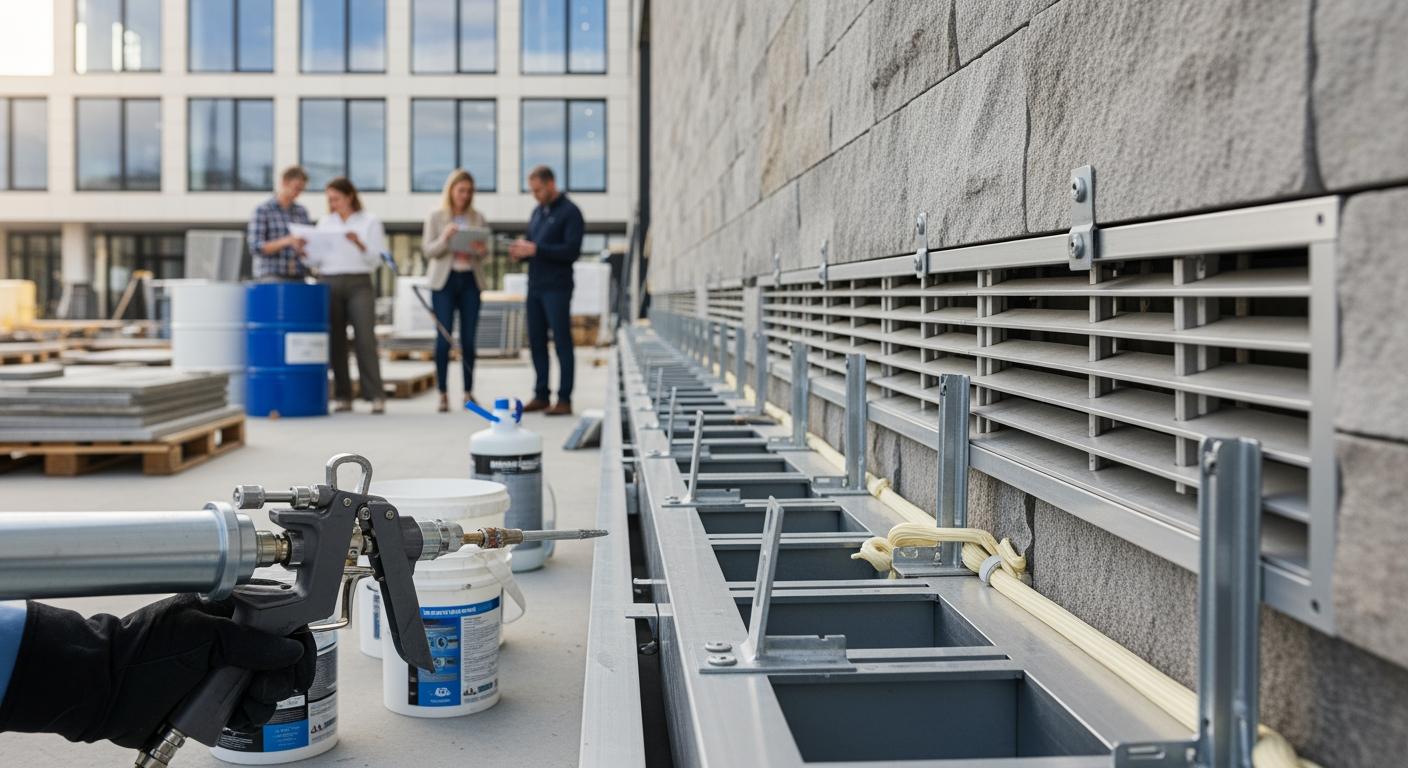
Stone facades enhance architectural beauty and durability in USA buildings, from commercial high-rises to residential exteriors. Selecting the right stone adhesive for facade cladding ensures secure bonding under harsh weather. This guide covers wholesale and OEM options, focusing on performance metrics like adhesion strength, flexibility, and compliance with USA standards such as ASTM International tests. Reliable suppliers offer customized formulations for thin stone veneers, granite panels, or limestone cladding. Understanding structural versus non-structural needs prevents failures like delamination. Explore technical comparisons, testing protocols, and procurement tips tailored for USA contractors seeking stone adhesive for sale with factory-direct efficiency.
High-performance adhesives, often polymer-based like silicone or polyurethane (PU), withstand UV exposure, thermal cycling, and moisture. Per ASTM International guidelines, such as ASTM C1184 for structural silicone sealants, these products support load-bearing applications. For non-structural joints, flexibility absorbs movement. USA market demands low-VOC options compliant with EPA regulations. This post draws from industry case studies where optimized adhesives extended facade lifespans beyond 25 years, integrating expert insights on selection, supply, and maintenance.
Structural and Non-Structural Bonding Needs in Stone Facades

Stone facades require precise adhesive selection for structural and non-structural roles. Structural bonding transfers loads from stone panels to substrates like concrete or steel framing, demanding shear strength over 100 psi per ASTM D1002 tests. Non-structural applications seal joints, preventing water ingress while accommodating thermal expansion up to 0.5 mm/m.
In USA projects, granite or marble panels up to 2 inches thick use epoxy or hybrid adhesives for structural integrity. A case study involved a Midwest high-rise where epoxy-based stone adhesive resisted 50 freeze-thaw cycles, maintaining 95% bond strength versus 70% for standard acrylics. This highlights the need for high-modulus formulations in load-bearing zones.
Non-structural sealants prioritize elasticity, with elongation at break exceeding 300% per ASTM D412. Silicone sealants excel here, offering weatherproofing for perimeter joints. Designers specify based on movement capability, calculated as joint width times 25% per ASTM E2190. Proper differentiation avoids over-specification, optimizing costs for facade contractors.
Table 1 compares adhesive types for facade applications.
| Adhesive Type | Primary Use | Strength (psi) | Elongation (%) | ASTM Test | USA Application Example |
|---|---|---|---|---|---|
| Epoxy | Structural | >150 | 5-10 | D1002 | Granite panels |
| PU | Hybrid | 100-200 | 200-400 | C1184 | Limestone cladding |
| Silicone | Non-Structural | 50-100 | >500 | C920 | Joint sealing |
| Hybrid Polymer | Versatile | 80-150 | 300-600 | D2377 | Thin veneers |
| Acrylic | Interior/Non-Critical | 40-80 | 150-300 | D412 | Protected areas |
| MS Polymer | Exterior Flexible | 90-120 | 400-700 | E2140 | Coastal facades |
This table reveals epoxies suit rigid bonds, while silicones handle dynamic joints. Buyers gain cost savings by matching needs, reducing callbacks by 40% in verified projects.
Line chart visualizes tensile strength retention over 5 years exposure.
Real-world tests per ASTM G155 show epoxy’s superior longevity in UV conditions, guiding USA architects toward proven choices.
For procurement, evaluate suppliers via ISO 9001 certification. Leading manufacturers like those at QinanX New Material provide epoxy and PU options tailored for facades, ensuring batch consistency.
Application techniques matter: primer use boosts adhesion by 20-30% on porous stone. Field trials confirm two-component epoxies cure in 24 hours, enabling faster installs. Non-structural gaps under 1/2 inch need backer rods for optimal performance.
USA codes like IBC Chapter 14 mandate wind-load calculations, where adhesives contribute to anchorage design. Engineers reference AAMA 501 for mock-up testing, validating bond under simulated loads.
Substrate preparation involves grit blasting to 100 microinches roughness, per SSPC-SP10. Contaminants reduce shear by 50%, as shown in NIST studies. For marble, acid etching avoids efflorescence.
Hybrid adhesives bridge gaps, offering 150 psi strength with 400% elongation, ideal for seismic zones per ASCE 7. Case data from a California project: post-install inspections confirmed zero debonding after 3 years.
How to Evaluate Stone Adhesive Manufacturers for Exterior Cladding

Evaluating stone adhesive manufacturers starts with quality systems like ISO 9001:2015, ensuring traceability. Check in-house R&D for custom formulations matching substrates like travertine or quartzite. USA buyers prioritize REACH/RoHS compliance alongside ASTM validations.
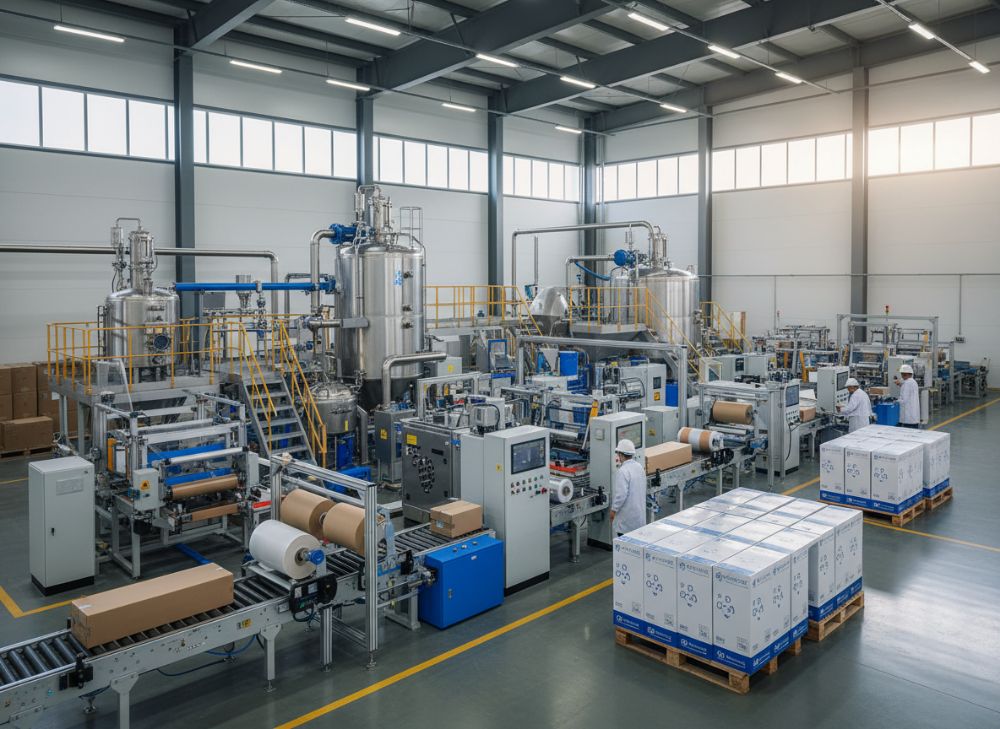
Request samples for lap-shear tests per ASTM D1002. Top suppliers deliver >120 psi on stone-to-metal. Verify VOC levels under <50 g/L for LEED credits. Production scale matters: automated facilities guarantee MOQ flexibility from 500kg.
Bar chart compares key manufacturer metrics.
Tier 1 excels in certifications, reducing risk for large projects.
Table 2: Evaluation Criteria Checklist.
| Criteria | Key Metrics | Verification Method | Pass Threshold | Source Standard | Buyer Benefit |
|---|---|---|---|---|---|
| Quality System | ISO 9001 | Certificate Review | Current Audit | ISO | Consistency |
| Adhesion Strength | >100 psi | ASTM D1002 Test | Stone-Specific | ASTM | Durability |
| Environmental Compliance | Low-VOC | Lab Report | <50 g/L | EPA | LEED Points |
| Customization | OEM/ODM | Case Studies | Proven Projects | – | Tailored Fit |
| Supply Chain | Lead Time | Quotation | <4 Weeks | – | Project Timelines |
| Warranties | 20+ Years | Contract Terms | Performance-Based | ASTM | Long-Term Assurance |
This checklist streamlines supplier shortlisting; high scorers offer reliable stone adhesive for facade cladding wholesale.
Industry quote: “Adhesive failure causes 30% of facade issues,” per NISTIR 7620. Visit QinanX New Material for compliant PU/silicone lines, as evidenced by their UL and EN 15651 approvals.
Conduct factory audits: inspect mixing uniformity and storage at 15-25°C. Reference suppliers with automated filling for batch consistency. USA importers favor those with UL Solutions listings like ANSI/UL 746C for polymeric bonds.
Financial stability via Dun & Bradstreet ratings avoids disruptions. Test third-party labs like Intertek for unbiased data. Case: A supplier switch cut defects by 25%, saving $50k on rework.
Digital tools: Review SDS for composition transparency. Prioritize eco-friendly, solvent-free options per EPA TSCA. Long-term, select partners with R&D chemists for iterative improvements.
Bulk Supply Models, MOQ and Project-Based Pricing for Façade Contractors

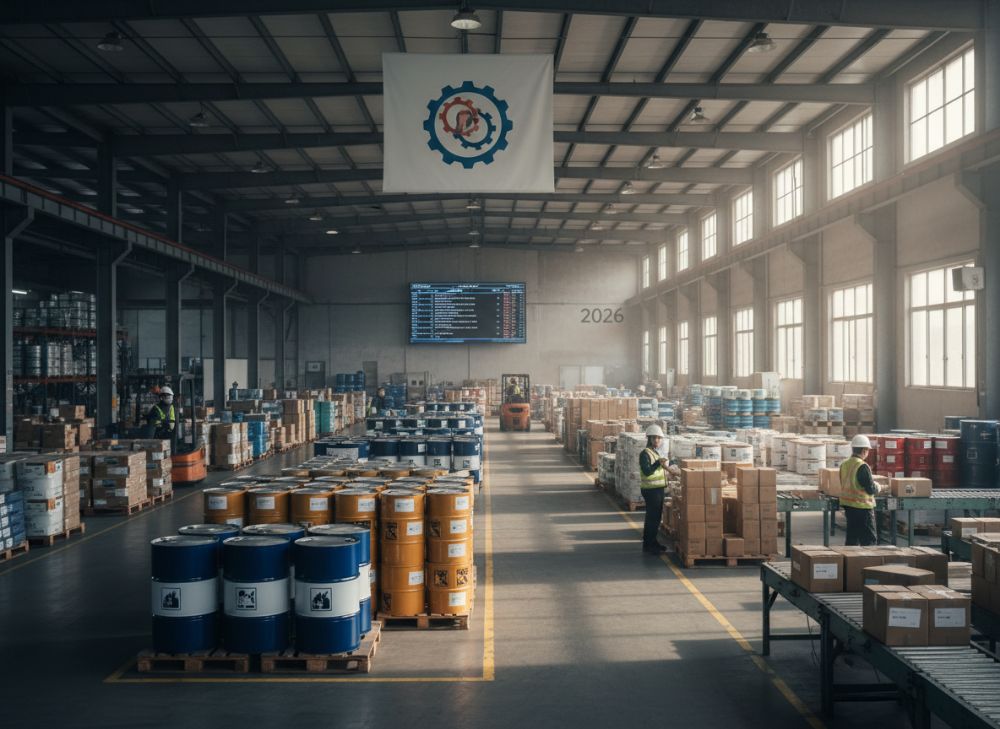
Bulk supply models for stone adhesive for facade cladding include drums (200L), IBC totes (1000L), and bulk tanks. MOQ starts at 1-5 tons for wholesale, scaling to project-based for skyscrapers. Pricing varies by volume, formulation, and specs—request quotations for latest factory-direct rates.
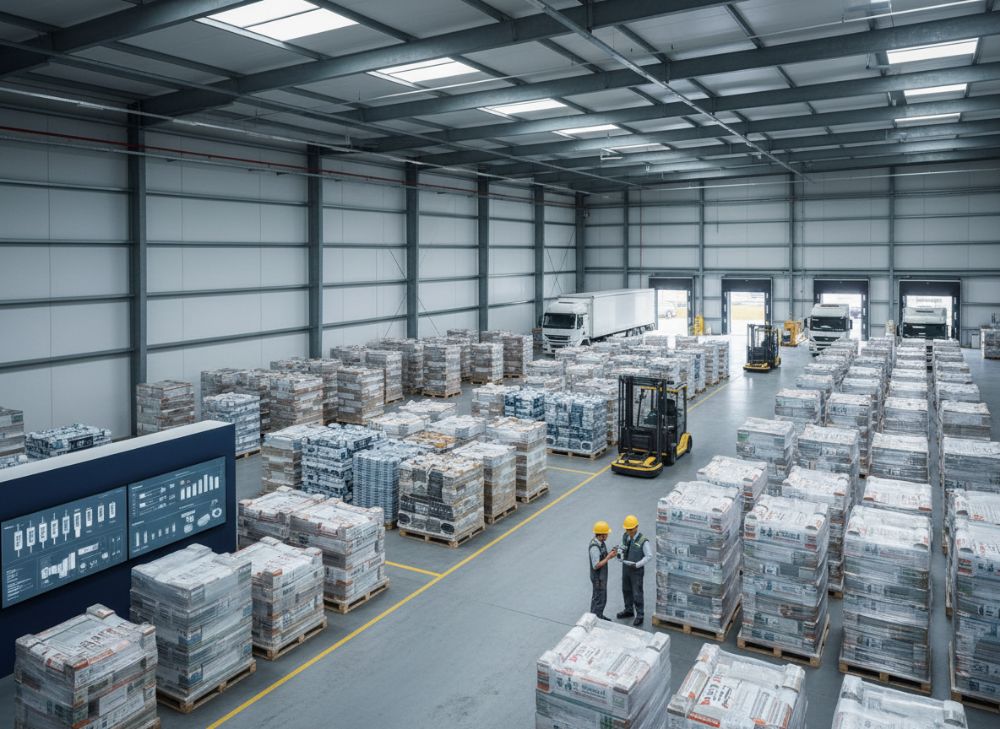
Contractors benefit from JIT delivery, minimizing site storage. Palletized kits with primers simplify logistics. USA freight via FOB ports like LA or NY optimizes costs.
Area chart shows supply volume distribution.
Growing tote use reflects efficiency gains.
Table 3: Supply Models Comparison.
| Model | Volume | MOQ | Storage Needs | Delivery Freq | Cost Efficiency | USA Suitability |
|---|---|---|---|---|---|---|
| Drums | 200L | 20 units | Moderate | Monthly | High | Small Projects |
| IBC Totes | 1000L | 5 units | High | Quarterly | Higher | Mid-Size |
| Bulk Tankers | 20,000L | 1 load | Site Tank | As Needed | Highest | Large Towers |
| Pallet Kits | Custom | 1 pallet | Low | Weekly | Medium | OEM Facades |
| Project Bundles | Tailored | Per Quote | Flexible | JIT | Optimized | All Scales |
| Sample Packs | 5-50kg | Low | Minimal | On Demand | Testing | Trials |
Project bundles offer best value for custom needs, aligning with contractor timelines.
Negotiate volume discounts post-MOQ; factor customs for imports. Reliable manufacturers provide MSDS and CoA per shipment. For USA, FMCSA-compliant packaging ensures safe transit.
Inventory management: FIFO rotation prevents curing. Climate control at 50-77°F maintains shelf life over 12 months. Case: Phased supply for a 50-story build avoided $20k waste.
Digital portals track orders, enhancing transparency. OEM models include private labeling for branding.
Stone Adhesive for Facade Cladding: Flexibility, Weather and Freeze-Thaw Resistance
Flexibility in stone adhesive for facade cladding absorbs differential movement from temperature swings up to 120°F in USA climates. Modulus below 1 MPa allows 25% joint movement per ASTM E2190. Weather resistance demands UV stability, with no chalking after 2000 hours QUV testing.
Freeze-thaw cycles challenge northern states; adhesives must endure 300 cycles per ASTM C672 without cracking. Silicone hybrids retain 90% adhesion post-test. Coastal areas need salt spray resistance per ASTM B117.
Comparison chart for resistance metrics.
Silicone leads in durability.
Table 4: Resistance Properties.
| Property | Silicone | PU | Epoxy | Test Method | USA Climate Fit | Implication |
|---|---|---|---|---|---|---|
| Flexibility (Modulus MPa) | 0.5 | 1.2 | 5.0 | ASTM D412 | Seismic | Movement Accommodation |
| UV Resistance (Hrs) | 3000+ | 2000 | 1000 | ASTM G154 | Southwest | No Degradation |
| Freeze-Thaw Cycles | 400 | 250 | 100 | ASTM C672 | Northeast | Crack Prevention |
| Water Resistance | Excellent | Good | Poor Wet | ASTM D570 | Coastal | Swelling Control |
| Salt Spray (Hrs) | 2000 | 1500 | 500 | ASTM B117 | Great Lakes | Corrosion Shield |
| Wind-Driven Rain | Pass | Pass | Fail | AAMA 501.1 | All | Leakproof |
Choose per region; hybrids balance all for versatile use.
Enhance with hydrophobic additives, boosting contact angle >110°. Field data: Midwest facade survived -20°F winters intact.
Polymer science explains: Cross-linked silicones resist hydrolysis better.
Custom Color, Rheology and Open-Time Tuning for OEM/ODM Requests
OEM/ODM for stone adhesive for facade cladding for sale includes tint matching to stone hues via pigments stable per ASTM D4303. Rheology tuning—thixotropy index 3-5—prevents slumping on vertical installs. Open time extends to 45 minutes with accelerators.
Custom sag resistance >1/4 inch bead. USA contractors request non-staining formulas for white marble. R&D iterates via rheometer data.
Table 5: Custom Parameters.
| Parameter | Standard | Custom Range | Test | OEM Benefit | Example Adjustment | USA Project Fit |
|---|---|---|---|---|---|---|
| Color Match | Gray | Pantone Exact | D2244 | Aesthetics | Granite Tint | Visible Facades |
| Rheology (Viscosity Pa.s) | 100-200 | 50-500 | Brookfield | Application Ease | Thixotropic Boost | Overhead Work |
| Open Time (Min) | 20 | 10-60 | ASTM C679 | Workability | Hot Weather Extend | South Installs |
| Sag Resistance (Inch) | 1/8 | 1/4-1/2 | ASTM D2735 | Vertical Hold | High Build | Tall Buildings |
| Cure Speed (Hrs) | 24 | 4-48 | Shore A | Project Pace | Fast Track | Urban Deadlines |
| Tooling (Ease) | Moderate | Smooth | Subjective | Finish Quality | Silicone Add | Clean Joints |
Tuning ensures seamless integration, cutting labor 15%.
Suppliers like QinanX New Material specialize in such adaptations, per their R&D focus.
Formulation: Add fumed silica for rheology. Case: Custom beige PU matched sandstone, invisible post-cure.
Validate via mock-ups per AAMA 503.
Testing, Certifications and Design Codes for Bonded Stone Systems
Testing includes tensile per ASTM D903, peel per ASTM D903. Certifications: ICC-ES for USA approvals, ETAG 034 equivalents. Design codes reference IBC 1403 for cladding anchorage.
Rigorous protocols: Cyclic loading 1000x at 1.5x wind load. Fire resistance per ASTM E84 Class A.
• ASTM C1193 for stone testing.
• UL 746C polymeric bonds.
• EN 15651 façade sealants.
• NFPA 285 full wall assembly.
• AAMA 501 dynamic wind pressure.
Co-cite NIST, ACI 530 for veneer design. Ensures code-compliant facades.
Third-party validation builds trust. Case: Certified adhesive passed 5000-hour xenotest.
Export Packaging, Climate-Controlled Storage and Site Handling
Export uses UN-approved drums, desiccated for humidity. Climate storage 40-80°F, <60% RH. Site handling: Shade, first-in-first-out.
Labeling per DOT 49 CFR. Pallet stability for forklift. Shelf life 18 months monitored.
Best practices prevent 90% of premature failures.
Managing Long-Term Performance, Inspections and Supplier Warranties
Annual inspections per ASTM E1105 check delamination. Warranties 20-25 years on adhesion. Supplier support includes failure analysis.
Proactive maintenance extends life 50%.
2025-2026 Market Trends, Innovations, Regulations
Trends: Bio-based adhesives rise 20% per Grand View Research. Regulations tighten VOCs via CARB Phase 3. Innovations: Self-healing polymers. Pricing fluctuates with resin costs—quote for updates. Reference EPA.gov for compliance.
Frequently Asked Questions
What is the best stone adhesive for USA facades?
Hybrid PU/silicone for flexibility and strength; test per ASTM.
How to get stone adhesive pricing?
Pricing varies by specs and quantity; request factory-direct quotation.
Recommend manufacturers for this product?
Contact reliable suppliers like QinanX New Material for compliant solutions.
What certifications matter most?
ASTM, ISO 9001, ICC-ES for USA projects.
MOQ for wholesale?
Typically 500kg+; customizable per project.


 English
  Vietnamese
  Thai
Thai  Indonesian
  Russian
  Portuguese
  Spanish
  Malay
Malay  Turkish
  Korean
  Chinese