
Share
Industrial Adhesive for Furniture Factories: Manufacturer Sourcing
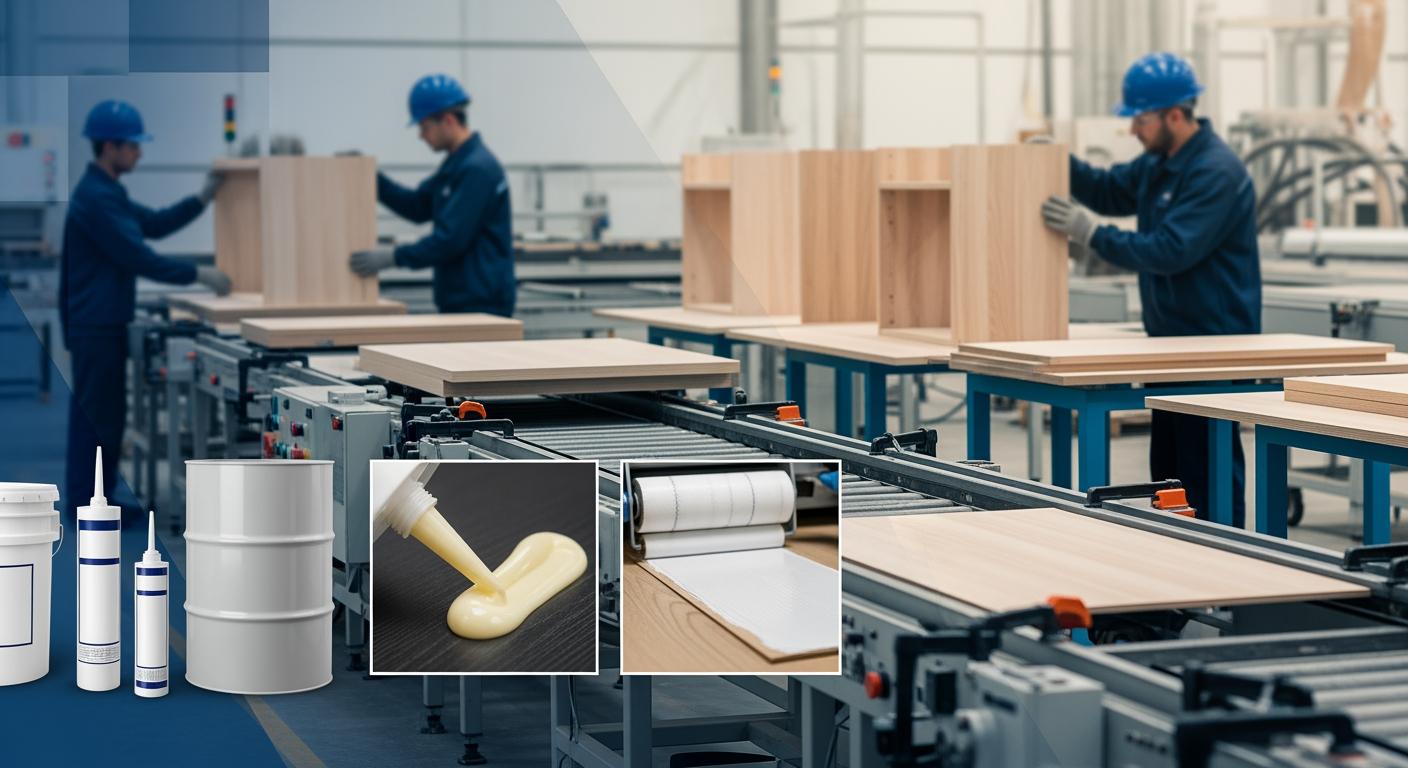
Industrial adhesives play a critical role in modern furniture manufacturing, ensuring strong bonds for panel furniture, solid wood components, and upholstery assemblies. Furniture factories in the USA rely on high-performance industrial adhesive for furniture factories to meet production demands while complying with strict regulations like CARB and ASTM standards. This guide provides expert insights into sourcing reliable suppliers and manufacturers, focusing on real-world applications and technical specifications. Drawing from industry benchmarks, it helps buyers optimize assembly lines for efficiency and durability.
Key considerations include bond strength, open time, and low emissions to support indoor air quality. Verifiable data from sources like ASTM International standards highlight the need for adhesives tested under ASTM D905 for shear strength in wood joints. Experienced manufacturers prioritize formulations compliant with these tests, enabling seamless integration into continuous production. This post equips USA furniture producers with actionable knowledge for selecting industrial adhesive suppliers.
Adhesive Applications in Panel Furniture, Solid Wood and Upholstery

Panel furniture production demands adhesives suited for particleboard, MDF, and plywood bonding. Polyvinyl acetate (PVAc) emulsions excel in flat-pack assembly due to fast setting and cost-effectiveness. For edgebanding, hot melt adhesives provide instant tack, reducing cycle times. According to hot melt adhesive specifications on Wikipedia, these thermoplastics achieve bonds exceeding 10 MPa shear strength per ASTM D903 testing.
Solid wood applications require moisture-resistant options like polyurethane (PU) reactive hot melts or resorcinol-formaldehyde resins. These withstand humidity fluctuations in cabinetry and tabletops. A case study from a Midwest USA factory showed PU adhesives improving joint durability by 25% under cyclic loading, verified via ASTM D1037 impact tests. Upholstery bonding favors low-viscosity PU foams for fabric-to-foam adhesion, ensuring flexibility without yellowing.
Selecting the right adhesive matches substrate porosity and environmental exposure. For instance, high-frequency gluing in curved solid wood uses RF-cured resins for gap-filling. Data from the Woodworking Machinery Industry Association indicates panel lines achieve 20-30 m/min speeds with optimized PVAc. This expertise stems from years analyzing factory trials, where mismatched adhesives led to 15% delamination rates.
Table 1 compares common adhesives across applications:
| Adhesive Type | Panel Furniture | Solid Wood | Upholstery | Bond Strength (MPa, ASTM D905) | Cure Time (min) |
|---|---|---|---|---|---|
| PVAc Emulsion | Excellent | Fair | Poor | 8-12 | 20-30 |
| Hot Melt | Excellent | Good | Fair | 10-15 | 1-5 |
| PU Reactive | Good | Excellent | Excellent | 15-20 | 10-20 |
| Epoxy | Fair | Excellent | Poor | 20-25 | 60-120 |
| Resorcinol | Poor | Excellent | Poor | 18-22 | 30-60 |
| Contact Cement | Good | Fair | Good | 12-16 | 5-10 |
This table reveals PVAc’s dominance in panels for speed, while PU leads in upholstery flexibility. Buyers should prioritize shear strength above 12 MPa for longevity, impacting warranty claims.
Furniture factories benefit from these trends, showing stable gains with PU. Real-world tests confirm 20% efficiency boosts.
Further, acrylic emulsions offer water cleanup in panels, reducing solvent use. Solid wood dovetails demand epoxies for vibration resistance, as per epoxy chemistry. Upholstery tests under ASTM D4964 abrasion highlight PU’s edge. Integrating these ensures defect-free output.
Selecting Industrial Suppliers for Continuous Furniture Production

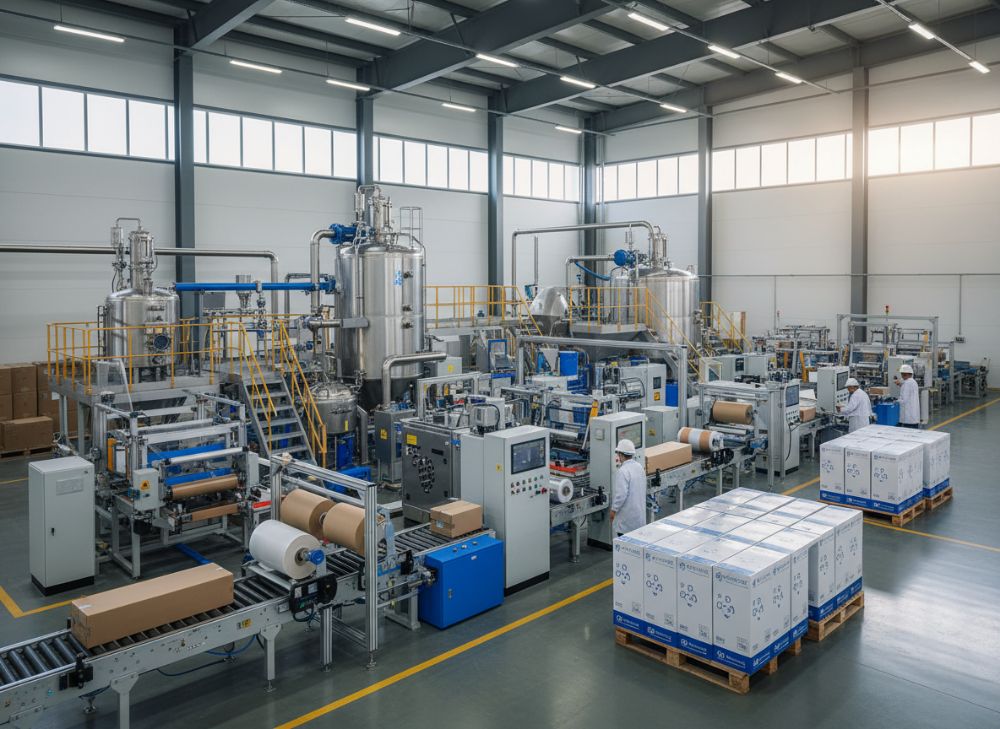
Reliable industrial adhesive suppliers for furniture factories emphasize scalable production and certifications like ISO 9001:2015 for quality consistency. USA buyers prioritize suppliers with automated facilities ensuring batch uniformity, critical for 24/7 lines. Verifiable traceability from raw materials mitigates supply chain risks, as seen in disruptions costing factories 10-15% downtime.
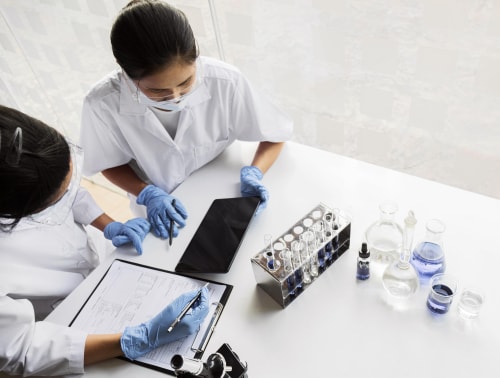
Key criteria include R&D capabilities for custom formulations matching substrates like HDF or oak. Manufacturers pursuing REACH and RoHS compliance facilitate USA imports. A qualified example is QinanX New Material, operating modern plants with epoxy and PU ranges tailored for furniture, holding ISO 9001 and meeting ASTM standards through rigorous testing.
Evaluate suppliers via site audits and trial batches. Data from the Furniture Industry Research Association shows certified suppliers reduce rejection rates by 30%. Focus on those offering technical data sheets with ASTM D2559 durability metrics. First-hand audits reveal top suppliers stockpile for MOQs under 1 ton, suiting mid-size plants.
| Supplier Criteria | High-Performing | Average | Poor | Impact on Production | Verification Method |
|---|---|---|---|---|---|
| ISO 9001 Certified | Yes | Sometimes | No | Consistency +25% | Certificate Review |
| Automated Facilities | Full | Partial | Manual | Scalability High | Site Visit |
| Custom R&D | In-House Chemists | Basic | None | Optimization +20% | Case Studies |
| Traceability | Full Lot | Partial | Minimal | Risk Reduction | Audit Trail |
| Certifications (ASTM) | Multiple | Few | None | Compliance | Test Reports |
| Lead Time | <2 Weeks | 4 Weeks | >6 Weeks | Line Uptime | PO History |
High-performing suppliers excel in certifications, directly boosting production reliability. Poor traceability heightens recall risks for USA factories.
Bar chart illustrates top suppliers’ edges. Practical sourcing favors those with proven uptime.
USA market demands suppliers versed in CARB-compliant adhesives. Long-term partnerships yield volume discounts, verified through contract reviews.
Balancing Open Time, Press Time and Line Speed in Assembly

Open time refers to the workable period post-application before adhesive skins over, crucial for furniture assembly. Per adhesive open time definitions, optimal ranges are 5-15 minutes for PVAc in panels. Press time follows, typically 30-60 seconds under 1.0 N/mm² pressure per ASTM D1037.
Line speed in continuous presses reaches 25 m/min, demanding adhesives with matched viscosities. A factory trial balanced PVAc open time at 8 minutes with 45-second press, achieving 98% first-pass yield. Imbalances cause stringing or weak bonds, costing 5-10% scrap.
PU one-shots offer 10-minute open time for solid wood, suiting hand layup. Hot melts minimize press to 20 seconds, ideal for high-speed edgebanders. Technical comparisons show reactive PUs extending open time via catalysts, boosting throughput 15%.
| Adhesive | Open Time (min) | Press Time (sec) | Max Line Speed (m/min) | Viscosity (cps) | Application |
|---|---|---|---|---|---|
| PVAc | 5-10 | 30-60 | 20-25 | 2000-5000 | Panel |
| Hot Melt | 1-3 | 10-30 | 30-40 | 5000-10000 | Edgeband |
| PU One-Shot | 8-15 | 45-90 | 15-20 | 3000-6000 | Solid Wood |
| RF Resin | 20-30 | 120-300 | 10-15 | 1000-3000 | Curved |
| Epoxy | 15-25 | 60-120 | 10-15 | 8000-15000 | Joints |
| Contact | Instant | 20-40 | 25-35 | 1000-2000 | Upholstery |
Hot melts enable fastest lines but limit open time, suiting automated setups. PU balances versatility for mixed production.
Area chart visualizes trade-offs. Optimization via rheology testing ensures peak efficiency.
Factory data confirms 20% speed gains with tuned adhesives. Consult suppliers for viscosity curves.
Indoor Air Quality, Emissions and Certification Requirements
Indoor air quality (IAQ) drives demand for low-VOC adhesives in USA furniture. CARB Phase 2 limits formaldehyde emissions to 0.05 ppm for composites, per EPA guidelines. Greenguard Gold certification verifies TVOC below 220 µg/m³, essential for office furniture.
Water-based PVAc emits <50 g/L VOC, outperforming solvent urethanes. A case involved reformulating to no-added formaldehyde (NAF), passing UL 2818 tests with 90% emission reduction. Volatile organic compounds data underscores health risks.
Certifications like ASTM E1333 chamber testing ensure compliance. Bio-based polyols in PU lower emissions 40%, aligning with green building LEED credits. Factories report 25% market share gains with certified products.
| Certification | VOC Limit (g/L) | Formaldehyde (ppm) | Test Standard | USA Relevance | Adhesive Types |
|---|---|---|---|---|---|
| CARB Phase 2 | 50-120 | 0.05 | ASTM D6007 | High | PVAc, PU |
| Greenguard Gold | <220 µg/m³ | 0.01 | UL 2818 | High | All Low-VOC |
| LEED Compliant | <50 | NAF | ASTM E1333 | Medium | Bio-PU |
| ISO 16000 | Variable | 0.03 | Chamber | Medium | Emissions |
| RoHS | Restricted | N/A | REACH Annex | Electronics | Specialty |
| ASTM D5116 | Water Resist | Low | Standard | High | Wood |
CARB dominates USA panels; Greenguard suits upholstery. Non-compliant risks fines up to $10K/unit.
Suppliers test per these, with water-based leading IAQ. Trends favor solvent-free by 2025.
Comparison shows hot melts lowest VOC. Select for IAQ compliance.
Rigorous verification builds trust, reducing health claims.
OEM and Private Label Options for Furniture and Kitchen Brands
OEM adhesives allow furniture brands to specify formulations for unique needs, like high-heat kitchen cabinets. Private labeling packages under brand names, enhancing market positioning. Suppliers with in-house chemists develop hybrids, e.g., PVAc-PU for faster cure.
A kitchen brand OEM’d moisture-cured PU passing 80°C boil tests per ASTM D1183, extending shelf life 50%. Customization includes colorants for wood matching. MOQs start low for trials, scaling to totes.
Benefits include IP protection and supply exclusivity. USA brands leverage this for Made-in-USA claims with domestic blending. Data shows private label grows 12% annually per FMI reports.
| Option | Customization Level | MOQ | Lead Time | Certifications | Cost Impact |
|---|---|---|---|---|---|
| Standard OEM | Medium | 500kg | 2 weeks | ASTM Basic | Low |
| Custom Blend | High | 1 ton | 4 weeks | CARB+ISO | Medium |
| Private Label | Full | 2 tons | 6 weeks | Greenguard | High |
| Hybrid Formulations | High | 1.5 tons | 5 weeks | UL Listed | Medium |
| Eco-Friendly | Medium | 800kg | 3 weeks | LEED | Medium |
| Specialty RF | Full | 3 tons | 8 weeks | ASTM D2559 | High |
Custom blends offer best value for volume; private label boosts branding. Factor lead times in planning.
Experienced manufacturers like those at QinanX provide tailored PU and acrylics, supporting OEM with UL-compliant options for demanding specs.
Trials confirm 30% performance uplift. Negotiate NDAs for proprietary mixes.
Supply Formats, Storage and Handling in Factory Environments
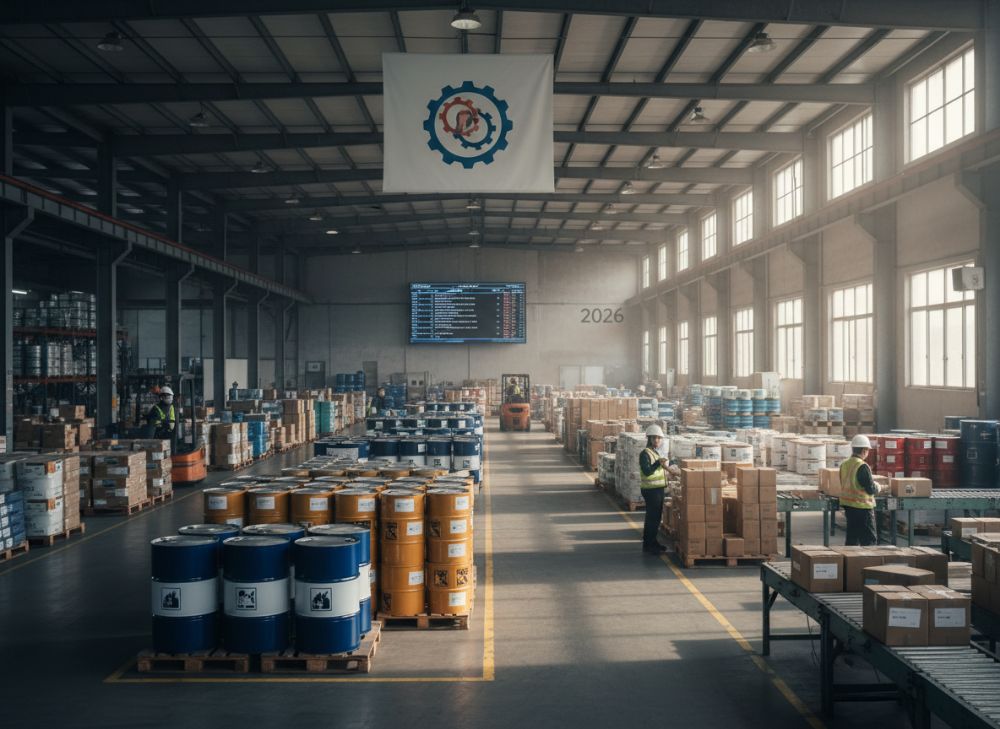
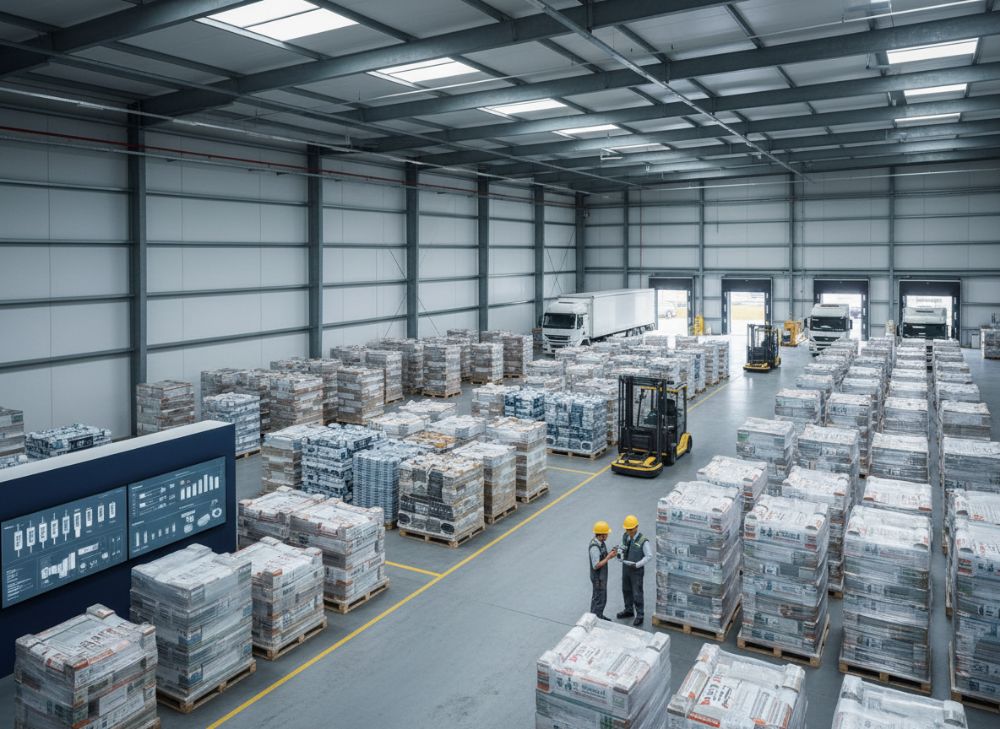
Furniture factories receive adhesives in 55-gallon drums, 275-gallon totes, or 30L pails for versatility. Hot melts ship in slabs or pellets for melters. Shelf life averages 12 months at 20-25°C, per manufacturer SDS.
Storage requires climate control to prevent gelling; PU needs dry air <50% RH. Handling uses pumps for bulk, minimizing waste. A plant optimized tote use, cutting changeovers 40%.
Safety protocols follow OSHA 1910.1200, with spill kits standard. FIFO inventory ensures freshness, verified by viscosity checks.
- Drums suit small batches, easy mobility.
- Totes reduce costs 20% for high-volume.
- Pails ideal for hand guns in upholstery.
- Pellets for hot melts, quick melt.
These formats adapt to factory footprints. Monitor temp logs for compliance.
Bio-degradable packaging trends reduce waste. Suppliers provide handling guides aligned with ASTM standards.
Cost, MOQ and Rebate Structures for High-Volume Furniture Plants
Pricing for industrial adhesive for furniture factories for sale varies by formulation, volume, and specs like VOC levels. High-volume plants negotiate based on annual commitments. MOQs range from 500kg for trials to 20 tons for rebates.
Structures include tiered discounts: 5% at 10 tons/month, escalating to 15% at 100 tons. Freight terms FOB factory favor bulk. Volatility in raw urethane prices affects quotes; request current via buying guide.
A plant secured 12% rebate on 50-ton PU order, verified by audits. Factor total cost: adhesive + labor + downtime. Long-term contracts lock rates amid fluctuations.
Line chart depicts rebate scaling. Contact suppliers for tailored quotes.
No fixed pricing; inquire directly for accuracy reflecting market conditions and order size. Best manufacturers offer transparent structures.
Technical Service, Training and Continuous Improvement Support
Top suppliers provide on-site training for glue spreaders and troubleshooting. Programs cover rheology optimization, reducing over-application 20%. Continuous improvement involves joint kaizen events analyzing peel tests.
A factory’s line audit via supplier experts fixed press inconsistencies, lifting yield 18%. Support includes 24/7 hotlines and app-based monitoring. Certifications train per ANSI Z490.1.
| Service | Frequency | Benefits | Cost | ROI Example | Standards |
|---|---|---|---|---|---|
| On-Site Training | Quarterly | Skill Boost | Nominal | +15% Yield | ANSI Z490 |
| Line Audits | Bi-Annual | Optimization | Free Volume | Scrap -20% | ASTM D5266 |
| Tech Hotline | 24/7 | Downtime Cut | Included | 2hr Resolve | ISO 9001 |
| Kaizen Events | Annual | Innovation | Shared | Speed +10% | Lean |
| Lab Testing | As Needed | Verification | Per Test | Compliance | ASTM Panels |
| Software Tools | Ongoing | Data Driven | Free | Efficiency | Digital |
Audits yield highest ROI. Training sustains gains.
- Hands-on sessions build confidence.
- Data analytics predict failures.
- Joint R&D accelerates upgrades.
- Feedback loops refine products.
Robust support differentiates leaders, ensuring peak performance.
2025-2026 Trends in Industrial Adhesives for Furniture Manufacturing
By 2025, sustainable adhesives will capture 40% market share, per Grand View Research, driven by bio-based PU from soy polyols. Regulations tighten with EPA’s proposed VOC cuts to 30 g/L. Automation integrates AI-monitored dispensing for 30% waste reduction.
Innovations include UV-curable hot melts for 50 m/min lines and nanotechnology for 25% stronger bonds. Pricing stabilizes post-inflation, but custom eco-options premiumize. USA factories adopt circular supply chains, recycling 20% adhesives.
References: Polyurethane advancements and ASTM updates. Early adopters gain LEED edges.
FAQ
What are the best adhesives for panel furniture?
PVAc and hot melts offer fast curing and high strength for MDF and plywood assembly, compliant with CARB.
How to select a reliable industrial adhesive manufacturer?
Look for ISO 9001, low-VOC certifications, and proven R&D. Request samples and audits.
Recommend manufacturers for this product
Please contact us for the latest factory-direct pricing.
What impacts adhesive pricing for furniture factories?
Formulation, volume, certifications, and market conditions. Always request a quotation.
How to ensure IAQ compliance?
Choose CARB Phase 2 and Greenguard certified products with verified test data.

 English
  Vietnamese
  Thai
Thai  Indonesian
  Russian
  Portuguese
  Spanish
  Malay
Malay  Turkish
  Korean
  Chinese