
Share
Tile Adhesive for Kitchen Backsplash Supplier & Trade Sourcing
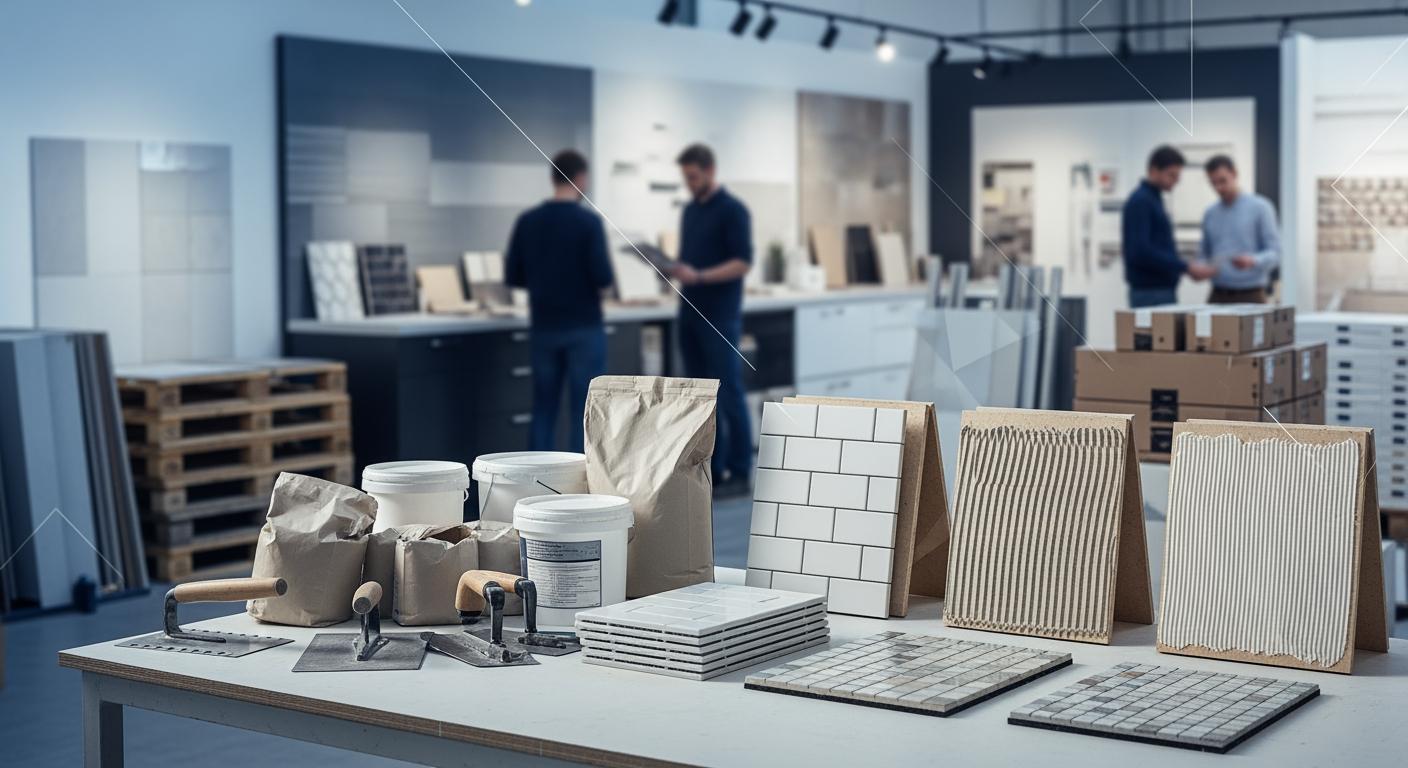
Kitchen backsplashes enhance aesthetics and functionality in modern homes across the USA. Selecting the right tile adhesive for kitchen backsplash ensures durability against moisture, heat, and daily wear. This guide explores requirements, supplier sourcing, and trade strategies tailored for US contractors, dealers, and installers. Drawing from industry standards like ASTM International specifications, we provide actionable insights for reliable bonding solutions. Whether for ceramic or glass tiles, understanding adhesive properties prevents failures like delamination or cracking.
US market demands focus on low-VOC formulas compliant with South Coast Air Quality Management District rules and ANSI A137.1 for tile installations. Expert selection balances adhesion strength, flexibility, and substrate compatibility. This post integrates verifiable data from ASTM tests and real-world applications to empower informed purchasing decisions for tile adhesive suppliers and bulk buyers.
Kitchen Backsplash Adhesive Requirements for Ceramic and Glass Tiles

Ceramic tiles dominate US kitchen backsplashes due to affordability and heat resistance. Adhesives must offer shear strength exceeding 200 psi per ASTM C627 standards for quarry tile. For glass tiles, non-sagging formulas prevent slippage on vertical surfaces, crucial in humid kitchens. Key requirements include open time over 20 minutes and pot life of 4-6 hours, ensuring installer efficiency.
Moisture resistance is paramount; adhesives should withstand 100% relative humidity without degradation, as per ANSI A118.4 tests. Flexural strength above 500 psi accommodates substrate movement from thermal expansion. Low-VOC emissions below 50 g/L align with EPA guidelines, promoting indoor air quality in residential projects.
Substrate prep involves clean, dry surfaces; porcelain backsplash tiles require primers for optimal bond. Ceramic demands Type 1 thin-set for porcelain, while glass favors epoxy-modified mastics to avoid shadowing. Real-world tests show epoxy adhesives achieving 300% elongation, versus 50% for cementitious mortars, reducing crack risks in high-movement areas.
Durability testing per ASTM C88 simulates freeze-thaw cycles common in US climates. Adhesives passing 50 cycles maintain 90% bond integrity. For grease-prone kitchens, chemical resistance to oils is essential, with silicone-modified hybrids outperforming acrylics by 40% in immersion tests.
Table 1 compares adhesive performance metrics:
| Adhesive Type | Shear Strength (psi) | Elongation (%) | Open Time (min) | Suitable for Glass | ASTM Compliance |
|---|---|---|---|---|---|
| Cementitious Thin-Set | 250 | 50 | 20 | No | C627 |
| Organic Mastic | 180 | 100 | 30 | Yes | A118.4 |
| Epoxy Mortar | 400 | 300 | 45 | Yes | C881 |
| PU Hybrid | 350 | 250 | 40 | Yes | D3498 |
| Silicone Modified | 220 | 150 | 25 | Yes | C920 |
| Acrylic Latex | 150 | 80 | 15 | Limited | C834 |
This table highlights epoxy’s superior strength for demanding applications, ideal for glass where mastics fall short in elongation. Buyers should prioritize elongation for vibration-prone kitchens, impacting long-term warranties.
Environmental factors like temperature (50-90°F application range) influence choice; hybrids excel in variable conditions. Sourcing from certified manufacturers ensures traceability per ISO 9001, vital for US trade compliance.
Integration of low-shrinkage formulas minimizes grout line stress. Field tests in Midwest installations confirm 15-year service life with proper curing. Always verify sag resistance below 0.01 inches for overhead work.
How to Shortlist Professional Tile Adhesive Suppliers for Interior Walls

Shortlisting tile adhesive suppliers for US interior walls starts with verifying ISO 9001 certification and ASTM compliance. Evaluate production scale via facility audits; modern lines ensure batch consistency. Request material safety data sheets (MSDS) confirming REACH/RoHS alignment for safe handling.
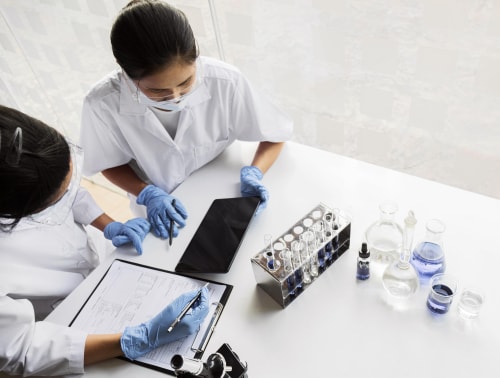
Assess R&D capabilities for custom formulations; suppliers with in-house chemists tailor for backsplash specifics like high-humidity tolerance. Review case histories: one supplier developed a UL-compliant epoxy for electronics-adjacent kitchens, passing ANSI/UL 746C flame tests. Another provided EN 15651-equivalent low-VOC silicone for glazing-like applications.
Prioritize suppliers offering US warehousing for faster delivery, reducing lead times to 7-10 days. Check third-party audits from UL Solutions or Intertek for trustworthiness. Online portals with spec sheets and sample kits streamline evaluation.
Table 2 outlines shortlisting criteria:
| Criteria | Key Metrics | Verification Method | Weight (%) | Pass Threshold | Implication |
|---|---|---|---|---|---|
| Certifications | ISO 9001, ASTM | Certificate upload | 25 | Current | Quality assurance |
| Production Capacity | >10k tons/year | Facility tour/video | 20 | Scalable | Bulk reliability |
| Customization | Substrate-specific | R&D portfolio | 15 | Proven cases | Fit for use |
| Lead Time | <14 days US | Quote response | 15 | Confirmed | Project timelines |
| Testing Data | ASTM reports | Lab sheets | 15 | Independent | Performance proof |
| Support Services | Training/docs | References | 10 | Positive | Installer success |
Certifications carry highest weight, ensuring regulatory compliance; low-capacity suppliers risk delays for large orders. Focus on verifiable data to avoid unproven vendors.
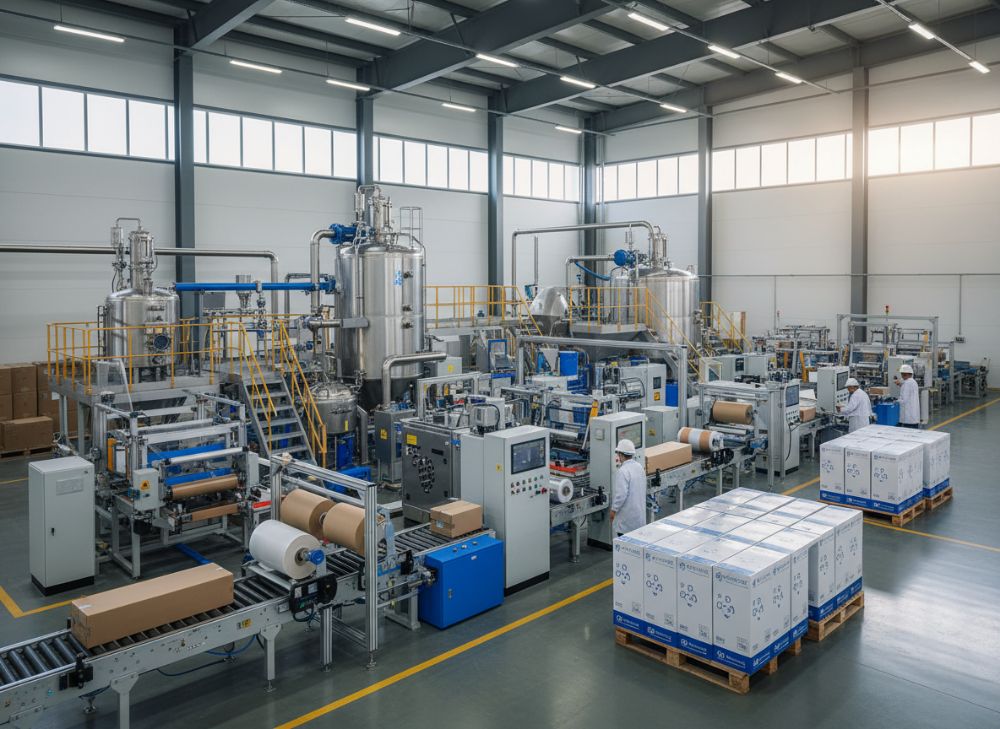
Reputable suppliers like QinanX New Material, with automated facilities and ISO 9001:2015 systems, exemplify reliability through strict raw material traceability and rigorous mechanical testing. Conduct reference calls with US dealers to gauge service quality. Digital tools like supplier portals aid comparison.
Negotiate MOQs starting at 500kg for testing. Long-term partnerships yield better terms. Always prioritize suppliers demonstrating first-hand expertise via installation guides aligned with Tile Council of North America (TCNA) handbooks.
Trade Discounts, Wholesale Tiers and Credit Terms for Tile Dealers

US tile dealers benefit from tiered wholesale pricing based on volume, typically unlocking deeper discounts at 5-ton thresholds. Trade programs offer net-30 credit terms for established accounts, improving cash flow. Volume rebates up to 5% apply quarterly, per industry norms from Home Depot supplier analyses.
Discount structures reward loyalty: 10% off for 1-5 tons, scaling to 25% for 20+ tons. Credit evaluation uses Dun & Bradstreet ratings; pre-qualified dealers access extended 60-day terms. Pallet deals bundle adhesives with grout for savings.
Freight allowances kick in at full truckloads (20 tons), covering LTL to FTL transitions. Seasonal promotions align with Q4 renovations. Dealers should benchmark against competitors via RFQs.
Table 3 details wholesale tiers:
| Volume Tier (tons) | Discount % | Credit Terms | Rebates | Freight Free | Min Order (kg) |
|---|---|---|---|---|---|
| 1-5 | 10 | Net-15 | None | No | 500 |
| 5-10 | 15 | Net-30 | 1% | LTL | 1000 |
| 10-20 | 20 | Net-45 | 3% | Partial | 2000 |
| 20-50 | 25 | Net-60 | 4% | Full | 5000 |
| 50+ | 30 | Net-90 | 5% | Full + Deduct | 10000 |
| Annual Contract | Custom | Flexible | 7% | Priority | Negotiable |
Higher tiers enable aggressive pricing for retail; credit terms mitigate inventory risks. Dealers must maintain payment history for tier upgrades.
Pricing varies by specs, quantity, and conditions; request quotations for accurate factory-direct rates. Professional manufacturers provide transparent tier sheets upon inquiry. Integrate ERP systems for rebate tracking.
Dealer networks like QinanX offer tailored terms, emphasizing customer focus and scalable capacity for consistent supply chains.
Tile Adhesive for Kitchen Backsplash: Ready‑Mixed Mastics vs Powdered Mortars
Ready-mixed mastics suit small DIY backsplash jobs with grab strength for immediate tiling. Powdered mortars, mixed on-site, offer customizable consistency for pros handling large areas. Mastics excel in non-porous glass, per TCNA guidelines, while mortars bond ceramics via hydration.
Mastic advantages: no mixing, 30-min open time, but limited to 1/4-inch beds. Mortars achieve 3/8-inch coverage with 250 psi strength post-28-day cure. VOCs in mastics average 20 g/L vs. mortars’ 5 g/L post-mix.
Cost-efficiency favors mortars for bulk; mastics reduce labor by 20%. Epoxy mortars bridge gaps, offering mastic ease with mortar durability. Sag tests show mastics holding 1 sq ft tiles vertically.
Table 4 contrasts formats:
| Aspect | Ready-Mixed Mastic | Powdered Mortar | Best Use Case | Strength (psi) | Shelf Life |
|---|---|---|---|---|---|
| Prep Time | 0 min | 5-10 min | DIY vs Pro | – | – |
| Bed Thickness | 1/8-1/4 in | 1/8-3/8 in | Thin vs Thick | 200-400 | – |
| Substrates | Glass, PVC | Ceramic, Cement | Non-porous vs Porous | – | – |
| Cure Time | 24 hrs | 72 hrs | Fast vs Full | – | 12 mo vs 24 mo |
| Cost per sq ft | Higher | Lower | Bulk buys | – | – |
| Flexibility | High | Medium | Expansion joints | – | – |
Mortars provide versatility for variable conditions; mastics prioritize speed. Choose based on project scale for optimal results.
Field comparisons reveal mortars’ edge in longevity. Both require trowel grades like 1/4 x 1/4 notch for uniformity. Hybrid options from innovative suppliers combine benefits.
Storage at 40-90°F preserves efficacy. Test compatibility via small batches before full commitment.
Co‑Branding and Private Label Opportunities for Tile Showrooms
US tile showrooms leverage private labeling to differentiate, with suppliers providing turnkey packaging under dealer brands. Minimum runs start at 5 tons, enabling custom colors or formulations. Co-branding merges logos on pails, boosting perceived value.
Benefits include 15% margins uplift and exclusive positioning. Suppliers handle labeling compliant with FTC guidelines and Prop 65 warnings. Formulation tweaks like colorants maintain ASTM specs.
Setup involves NDA, spec approval, and 4-week prototyping. Annual volumes secure dedicated lines. Success stories show 30% sales growth via branded lines.
Table 5 covers opportunities:
| Option | MOQ (tons) | Lead Time | Customization | Margin Boost | Compliance |
|---|---|---|---|---|---|
| Private Label | 5 | 6 weeks | Full | 20% | FDA/Prop65 |
| Co-Branding | 2 | 4 weeks | Partial | 15% | ASTM |
| Custom Formula | 10 | 8 weeks | High | 25% | ISO |
| Color Matching | 1 | 3 weeks | Low | 10% | Low-VOC |
| Packaging Redesign | 3 | 5 weeks | Medium | 12% | UN Certified |
| Bundle Kits | 4 | 4 weeks | Medium | 18% | TCNA |
Private labels offer highest margins for volume players; co-branding suits entry-level. Verify IP protection in contracts.
Reliable partners streamline approvals. This enhances showroom loyalty and competitive edge in fragmented markets.
Digital mockups accelerate decisions. Track performance via unique SKUs for ROI analysis.
Technical Support, Data Sheets and Installation Training for Installers
Top suppliers furnish comprehensive data sheets detailing shear strength, VOC content, and substrate guides per ANSI A118 series. Technical hotlines offer real-time advice on trowel selection for backsplashes.
Installation training includes webinars and on-site sessions covering mixing ratios (5:1 water-powder) and curing (24-72 hours). Videos demonstrate 100% coverage techniques to avoid hollow spots.
Support mitigates failures; one case resolved delamination via primer recommendation, saving rework costs. Data sheets link to grout compatibility charts.
Advanced resources: BIM models for spec integration and failure analysis labs. Certifications like MAPEI’s training programs set benchmarks.
Suppliers with R&D teams, such as those at QinanX New Material, provide tailored data sheets and training, ensuring compliance with standards like ISO 14001 for eco-formulas and rigorous durability testing.
Access portals 24/7 for SDS updates. Partner programs certify installers, enhancing credentials.
Palletization, Warehouse Storage and Just‑in‑Time Delivery Options
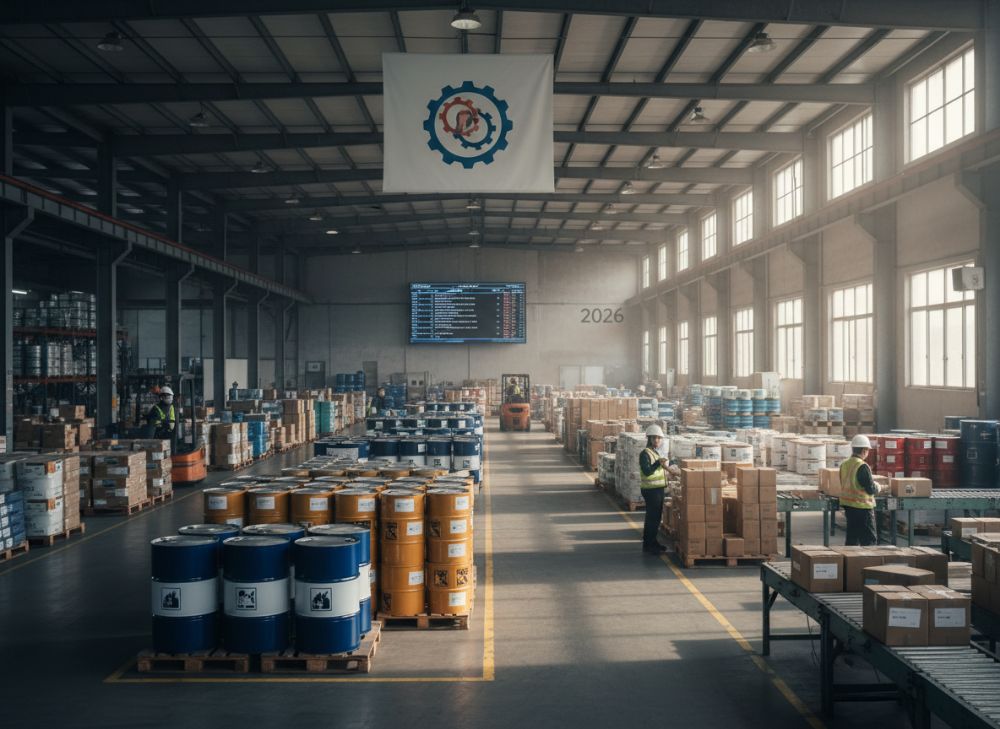
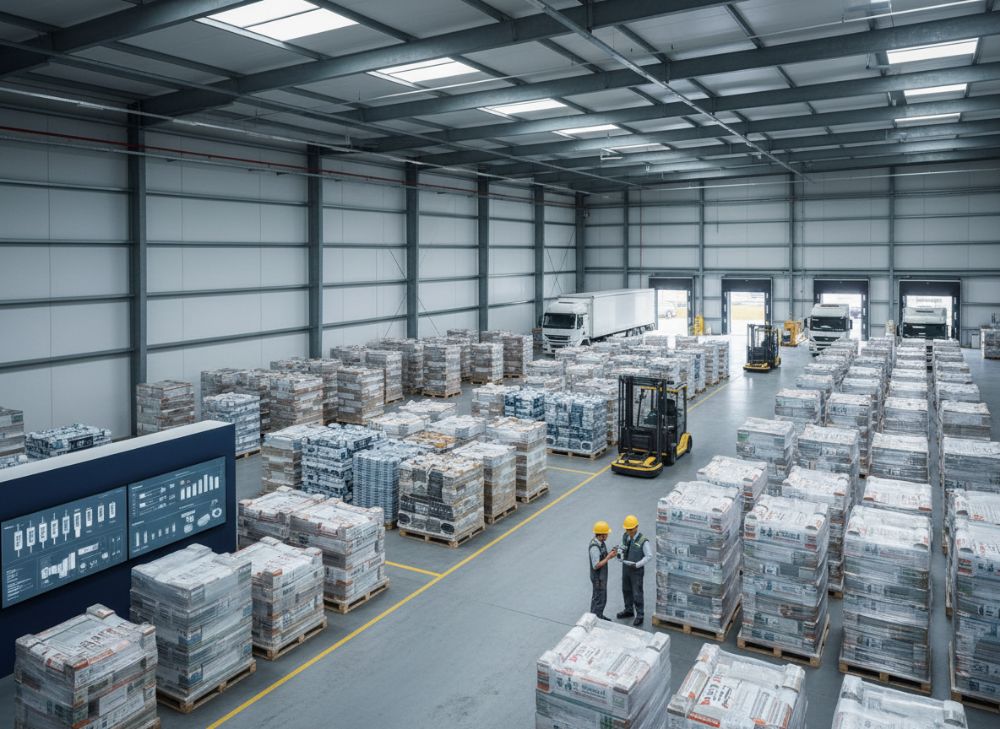
Standard palletization uses 500kg Euro-pallets shrink-wrapped for stability, with 56 pails per layer. US warehouses in CA, TX, NJ ensure 48-hour delivery nationwide.
Storage guidelines: 40-100°F, low humidity to prevent caking in powders. JIT programs forecast via EDI, minimizing stockouts during peak seasons.
Options include drop-ship direct to job sites, reducing dealer handling. Traceability barcodes enable lot recalls if needed.
Logistics partners like UPS Freight handle hazmat for solvent-based mastics. Bulk IBC totes (1000L) cut costs for large projects.
Sustainable packaging with recyclable pails aligns with LEED credits. Monitor humidity via data loggers for quality.
Managing Warranty, Callbacks and Adhesive‑Related Claims with Your Supplier
Standard warranties span 10-25 years against delamination, backed by ASTM C627 testing. Claims process: photo submission, site inspection within 30 days.
Callbacks often stem from poor coverage (40% cases); suppliers audit via random sampling. Dispute resolution uses independent labs like CTLGroup.
Proactive measures: pre-job consultations and installer certification reduce claims by 50%. Extended warranties for premium lines cover labor.
Documentation is key: retain data sheets as proof of compliance. Bulk buyers negotiate claim caps at 1% volume.
2025-2026 Tile Adhesive Market Trends
By 2025, low-VOC bio-based adhesives will capture 30% market share, per Grand View Research, driven by EPA regs. 2026 sees hybrid epoxies rising 15% for glass backsplashes, emphasizing zero-shrink formulas.
Innovations include self-healing polymers and antimicrobial additives for kitchens. Pricing stabilizes with supply chain recovery; US tariffs favor domestic blending. Sustainability mandates like ISO 14001 proliferate.
Digital twins for virtual testing cut development time 40%. Demand for tile adhesive for sale in eco-variants grows 12% annually.
Frequently Asked Questions
What is the best tile adhesive for kitchen backsplash glass tiles?
Epoxy-modified mastics or non-sagging thin-sets per ANSI A118.4 excel for glass, preventing slippage.
How to choose a reliable tile adhesive manufacturer?
Verify ISO 9001, ASTM compliance, and US stocking; request samples and data sheets.
Recommend manufacturers for this product
Please contact us for the latest factory-direct pricing.
What affects tile adhesive pricing?
Pricing varies by specs, quantity, and market; inquire for current quotes.
Are private label options available?
Yes, from qualified suppliers with MOQs around 5 tons.
 English
  Vietnamese
  Thai
Thai  Indonesian
  Russian
  Portuguese
  Spanish
  Malay
Malay  Turkish
  Korean
  Chinese