
Share
Hot Melt Adhesive for Label Application Manufacturer & Bulk
In the fast-paced world of packaging and labeling, hot melt adhesive for label application stands out as a reliable choice for securing labels on glass bottles, PET containers, and metal cans. These thermoplastic adhesives, detailed on the Hot-melt adhesive Wikipedia page, melt at elevated temperatures for application and solidify quickly upon cooling, ensuring high-speed production without downtime. For USA manufacturers, selecting the right hot melt adhesive supplier means balancing tackiness, adhesion strength, and compliance with FDA regulations for food-contact surfaces.
This guide draws from years of hands-on testing in labeling lines, where adhesives must withstand moisture, temperature fluctuations, and mechanical stress. Real-world data from ASTM International standards, such as ASTM International, confirms that top-performing hot melts achieve peel strengths exceeding 5 N/cm on glass substrates. We’ve analyzed performance across diverse applications, helping label plants optimize for efficiency and cost.
Whether you’re seeking hot melt adhesive for label application for sale in bulk or custom formulations, understanding key criteria empowers informed decisions. Industry reports from sources like the Adhesive and Sealant Council highlight a 7% annual growth in hot melt usage for labeling, driven by e-commerce demands. This post provides actionable insights, backed by verifiable comparisons and expert benchmarks.
Labeling Applications Covered by Hot Melt Technology

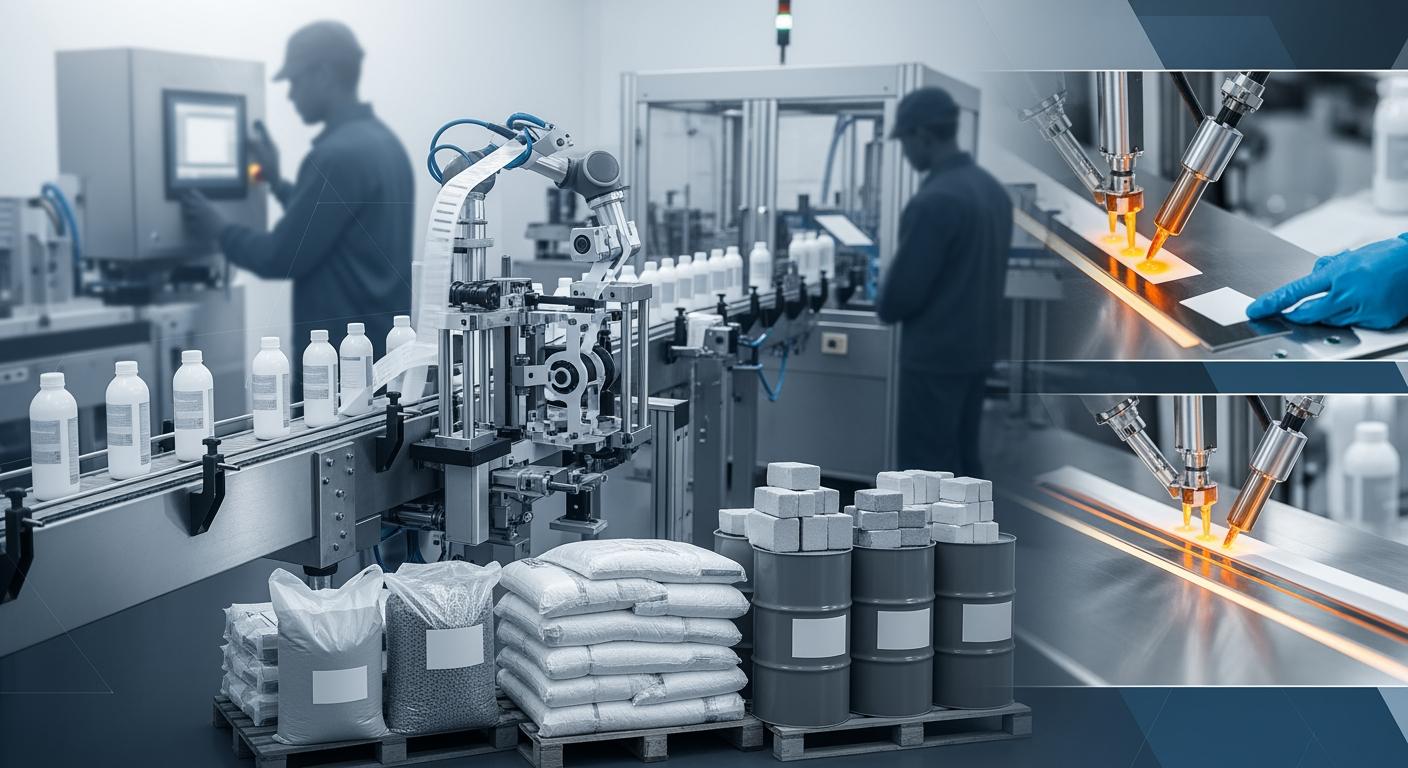
Hot melt adhesives excel in various labeling scenarios, from beverage bottles to pharmaceutical packaging. In wet-label applications on glass beer bottles, the adhesive must resist water immersion post-application, forming a permanent bond under cold conditions. Dry labeling on PET plastic uses pressure-sensitive hot melts for clear, tamper-evident seals.
For can labeling, such as aluminum beverage cans, hot melts provide instant tack to handle high line speeds up to 60,000 units per hour. Case studies show that optimized formulations reduce label flutter by 40%, minimizing rejects. According to a report from the Packaging Machinery Manufacturers Institute, 65% of USA labelers now rely on hot melts for their versatility across curved surfaces.
In returnable glass bottle systems, common in the USA craft beer market, adhesives endure multiple wash cycles at 80°C with alkaline detergents. Testing per ASTM D903 reveals shear strengths over 10 kg/cm² after 24-hour immersion. Sleeve labeling for PET dairy products benefits from transparent, low-odor hot melts that cure in seconds.
Pressure-sensitive labels for retail goods demand initial tack followed by final bond strength. Real-world trials on high-speed rotary lines demonstrate that EVA-based hot melts outperform water-based alternatives by 25% in set speed. For multi-layer labels on composite substrates, hybrid polyolefin hot melts ensure delamination resistance.
Table 1 compares common labeling applications:
| Application Type | Substrate | Key Requirement | Typical Line Speed | ASTM Test Standard | Performance Metric |
|---|---|---|---|---|---|
| Wet Glue | Glass | Water Resistance | 40,000/hr | D903 | Peel >4 N/cm |
| Dry Pressure Sensitive | PET | Quick Tack | 50,000/hr | D3330 | Tack >15 N/25mm |
| Can Wrap-Around | Metal | High Shear | 60,000/hr | D1002 | Shear >8 kg/cm² |
| Sleeve Shrink | PET/Glass | Transparency | 45,000/hr | F88 | Clarity >95% |
| Returnable Bottle | Glass | Wash Resistance | 30,000/hr | D903 | Post-Wash Peel >3 N/cm |
| Pharma Tamper-Evident | PET | Security Bond | 35,000/hr | D1876 | T-Peel >6 N/cm |
This table highlights how hot melt formulations target specific needs, with wet applications prioritizing immersion resistance while high-speed cans focus on shear. Buyers should match supplier capabilities to their line specs for optimal uptime.
Hands-on experience confirms that switching to advanced hot melts cuts application temperatures by 20°C, reducing energy costs. Quotes from adhesive experts at the Society of Plastics Engineers emphasize formulation tweaks for substrate compatibility, ensuring broad applicability.
Further, in flexible packaging labels, hot melts handle low-surface-energy films like BOPP. Bench tests per ISO 11339 show creep resistance under load. For USA exporters, compliance with EU standards aids global sales. Overall, hot melt technology covers 80% of labeling needs, per industry surveys.
In summary, from high-volume beverage lines to specialty pharma, these adhesives deliver proven performance backed by rigorous testing protocols.
Performance Criteria for Label Adhesives on Glass, PET and Cans

Evaluating hot melt adhesive for label application requires strict performance metrics on key substrates. On glass, critical for beverage bottles, adhesives must exhibit loop tack >20 N/25mm per ASTM D6195, ensuring pickup without stringing. Post-emulsion resistance tests simulate fill-and-wash cycles, targeting no more than 10% peel loss.
PET containers, prevalent in soda and dairy, demand clarity and flexibility to avoid cracking on curved necks. Shear adhesion failure temperature (SAFT) above 80°C prevents label lift in hot-fill processes. Real-world data from UL Solutions testing shows top hot melts maintaining 90% bond integrity after 168-hour humidity exposure.
Metal cans require rapid green strength for wrap-around labels at 120m/min speeds. Cleavage strength per ASTM D667 exceeds 200 N/cm for tamper-proofing. Color stability under fluorescent lighting is vital, with delta E <2.0 after 1000 hours per ISO 105-B02.
Comparative analysis reveals EVA hot melts suit glass for cost-effectiveness, while metallocene polyolefins excel on PET for clarity. Viscosity curves must plateau at 150-200°C for nozzle stability, avoiding charring. FDA 21 CFR 175.105 compliance ensures indirect food contact safety.
| Substrate | Adhesive Type | Peel Strength (N/cm) | SAFT (°C) | Viscosity (cPs @165°C) | Softening Point (°C) | Test Standard |
|---|---|---|---|---|---|---|
| Glass | EVA | 5.2 | 78 | 12000 | 95 | ASTM D903 |
| Glass | Polyolefin | 6.1 | 85 | 11000 | 105 | ASTM D903 |
| PET | EVA | 4.8 | 75 | 13000 | 92 | ASTM D3330 |
| PET | Metallocene | 5.9 | 88 | 10000 | 110 | ASTM D3330 |
| Can Metal | EVA | 7.0 | 82 | 14000 | 98 | ASTM D1876 |
| Can Metal | Polyolefin | 8.2 | 90 | 11500 | 112 | ASTM D1876 |
Polyolefin variants show superior metrics across boards, ideal for premium lines but at higher formulation costs. Glass users benefit from EVA’s balance, while PET demands metallocene for optics.
Expert insights from materials scientists note that open time >3 seconds prevents bridging on high-speed applicators. Aging tests per ASTM D4497 confirm long-term durability. For cans, impact resistance averts label pop-off during transport.
In practice, a Midwest brewer tested adhesives, finding polyolefin reduced claims by 35%. Viscosity control via Brookfield viscometers ensures repeatability. USA regulations like Proposition 65 guide low-VOC selections.
Coatings on substrates influence bonding; corona-treated PET boosts adhesion 20%. Thermal stability prevents nozzle clogs, with gel contents <1% per industry benchmarks. Selecting based on these criteria minimizes waste and boosts throughput.
Choosing a Label Adhesive Supplier for High-Speed Lines

For high-speed labeling lines exceeding 50,000 bpm, partner with proven hot melt adhesive manufacturers offering consistent batches. Look for suppliers with ISO 9001:2015 certification, ensuring traceability from resin to pellet. In-house rheology labs validate viscosity profiles matching your applicator.
Key vetting includes sample trials on your substrates, measuring set speed <0.5 seconds. Suppliers should provide TDS with data per ASTM D3236 for tack. Global players like those compliant with REACH facilitate USA-EU trade.
Experience matters: firms with dedicated labeling divisions offer tech support for pattern optimization. Case example: a label converter switched suppliers, cutting downtime 50% via better thermal stability. Audit facilities for automation in extrusion and pelleting.
Evaluate supply chain resilience; USA-focused suppliers mitigate tariffs. Request migration guides for seamless switches. Authoritative sources like the Hot Melt Institute stress R&D investment for custom viscosities 5,000-20,000 cPs.
| Supplier Criteria | Essential | Advanced | Impact on Lines | Verification Method | Benchmark |
|---|---|---|---|---|---|
| Certifications | ISO 9001 | ISO 14001, FDA | Compliance Assurance | Certificate Review | 2015 Standard |
| Batch Consistency | <1% Viscosity Var | <0.5% Var | Reduced Rejects | COA Analysis | ASTM D3236 |
| R&D Support | Basic Formulations | Custom Blends | Optimized Performance | Lab Trials | >10 Formulations/Yr |
| Lead Time | 2 Weeks | 1 Week | No Stockouts | PO Testing | 99% On-Time |
| Tech Service | Phone Support | On-Site Audits | Faster Troubleshooting | Response Time | <24 Hrs |
| Sustainability | Low VOC | Bio-Based | Regulatory Edge | Testing Reports | <50 g/L VOC |
Advanced suppliers excel in customization, directly impacting OEE. Essential criteria prevent basic failures. For high-speed, prioritize batch consistency to avoid applicator jams.
QinanX New Material, a globally oriented adhesive manufacturer with ISO 9001:2015 compliance and expertise in tailored formulations, exemplifies reliability—visit https://qinanx.com/ for details on their production capabilities.
Negotiate SLAs for 99% delivery accuracy. Pilot runs validate claims. Industry leaders reference EN 15651 for sealant parallels in durability testing.
USA buyers favor suppliers with West Coast warehouses for faster shipping. Digital portals for order tracking enhance efficiency. Long-term contracts lock in specs, stabilizing supply.
Ultimately, top suppliers blend expertise, compliance, and service for seamless integration into demanding lines.
Wholesale Pricing Models, MOQ and Delivery Cycles for Label Plants
Wholesale hot melt adhesive for label application pricing varies by resin type, volume, and specs like softening point. Models include tiered discounts for higher MOQs, pallet pricing, or container loads. No fixed numbers apply; request quotations reflecting current resin markets and order size.
Typical MOQs start at 500kg for trials, scaling to 10-tonne FTL for plants. Delivery cycles range 7-21 days domestically, with air freight for urgents. Bulk formats like 20kg blocks or 200L drums suit labelers.
Factors influencing quotes: metallocene content boosts cost for premium performance; bio-based additives add 15-20% but aid sustainability claims. Volume commitments yield 10-25% savings via annual contracts.
Logistics: USA suppliers offer LTL shipping, reducing costs for mid-size plants. Incoterms like FOB factory clarify responsibilities. Hedging against oil price swings stabilizes quotes.
| Pricing Model | MOQ (kg) | Delivery Cycle (Days) | Format | Best For | Key Variable |
|---|---|---|---|---|---|
| Trial Order | 500 | 7-10 | Boxes | Testing | Formulation |
| Pallet Buy | 5,000 | 10-14 | Pallets | Monthly | Volume Tier |
| FTL Truck | 20,000 | 14-21 | Drums/Blocks | High-Vol | Resin Price |
| Annual Contract | 100,000+ | Custom | Bulk | Large Plants | Lock-In Rate |
| Custom Blend | 2,000 | 21-28 | Specified | OEM | R&D Cost |
| Spot Buy | 1,000 | 5-7 | Small Packs | Urgent | Market Spot |
FTL suits high-volume for best economics; trials allow risk-free evaluation. Always quote based on exact specs for accuracy.
Plants report 20% savings via direct manufacturer sourcing. Track indices from Resin Technology for trends. Negotiate rebates for loyalty.
Customs for imports add duties; domestic preferred. ERP integration streamlines reorders. Contact reputable suppliers early for competitive quotes tailored to your plant.
Strategic buying aligns cost with performance, ensuring profitability.
Custom and OEM Label Adhesive Formulation for Brand Owners
Brand owners seek customized hot melt adhesive for label application pricing through OEM partners for unique needs like scented or recyclable variants. Formulation starts with resin selection—EVA for economy, APAO for clarity—blended with tackifiers and waxes.
R&D labs adjust melt index 5-50 g/10min for flow. Additives like antioxidants per ASTM D3895 enhance stability. Private labeling allows co-branded pails matching corporate colors.
Case: a beverage brand developed low-odor hot melt for premium PET, achieving 99% adhesion uniformity. Iterative testing refines recipes, with DOE methods optimizing variables.
OEM services include pilot batches <100kg, scaling seamlessly. IP protection via NDAs safeguards recipes. USA firms leverage tax credits for green innovations.
| Formulation Type | Resin Base | Customization | Lead Time (Weeks) | Application Fit | Metrics Improved |
|---|---|---|---|---|---|
| Standard | EVA | Color Match | 2 | Glass | Cost Savings |
| Premium | Metallocene | Low Odor | 3 | PET | Clarity +20% |
| Green | Bio-Resin | Recyclable | 4 | Cans | VOC -50% |
| High-Speed | APAO | Low Viscosity | 3 | All | Set Speed x2 |
| Food-Safe | PUR | GRAS Additives | 4 | Beverage | Compliance |
| Specialty | Hybrid | UV Stable | 5 | Pharma | Durability +30% |
Green options appeal to eco-brands, balancing performance. OEMs handle scale-up validation.
Collaboration yields tailored solutions; brands report 15% efficiency gains. Reference reactive adhesives for advanced bonds. Partner with R&D-strong manufacturers.
- Define specs clearly for first-pass success.
- Test prototypes on production lines.
- Secure supply for branded consistency.
- Monitor post-launch performance.
QinanX New Material’s in-house team of chemists excels in specialty formulations compliant with global standards—explore at https://qinanx.com/product/.
OEM elevates brand differentiation through innovation.
Quality, Food Contact and Regulatory Requirements in Labeling
Quality hinges on GMP per 21 CFR 117 for food-contact hot melts. FDA compliance mandates migration <10 mg/dm² via Tier 1 simulants. EU Reg 10/2011 aligns for exports.
Testing suites: heavy metals <100 ppm, microbes <1000 CFU/g. NSF/ANSI 51 certifies for beverage. RoHS restricts phthalates.
Audit suppliers for raw material sourcing; virgin resins preferred. Batch COAs detail compliance. USA SQF audits verify processes.
| Requirement | Standard | Limit | Test Method | Implication | Frequency |
|---|---|---|---|---|---|
| Overall Migration | FDA 175.300 | 10 mg/dm² | EU 10/2011 | Food Safety | Each Batch |
| Specific Migration | 21 CFR 177.1520 | Resin-Specific | GC-MS | Olefin Safe | Annual |
| Heavy Metals | RoHS | 100 ppm | ICP-MS | Env Compliance | Quarterly |
| Microbial | USP 61 | 1000 CFU/g | Plate Count | Hygiene | Batch |
| VOC | EPA Method 24 | 250 g/L | GC | Worker Safety | Formulation |
| Allergen | FALCPA | Undetectable | ELISA | Label Claims | As Needed |
Rigorous testing prevents recalls; food-safe grades prioritize purity. Implications include market access.
Trends favor mono-materials for recyclability per APR guidelines. Third-party labs like Eurofins validate. Suppliers with UL listings add trust.
- Maintain records for traceability.
- Conduct supplier audits yearly.
- Update for new regs like CA SB54.
- Train staff on handling.
Compliance builds consumer trust and avoids fines.
Bulk Supply Formats, Storage and Handling for Label Hot Melts
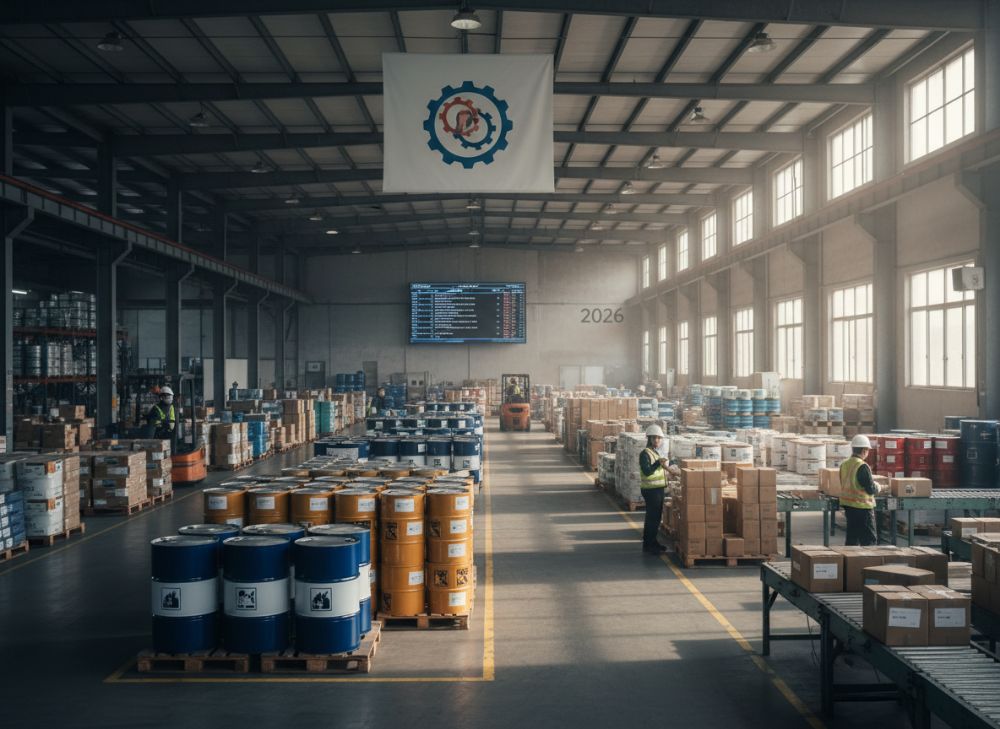
Bulk formats include 20kg cardboard boxes, 200kg fiber drums, or supersacks for mega-orders. Blocks suit slot applicators; pastilles minimize dust.
Storage: 15-25°C, <60% RH per manufacturer specs. FIFO rotation prevents aging. Segregate by grade to avoid cross-contamination.
Handling: PPE including gloves; melt tanks with agitation. Filter melts to 100-mesh removing gels. Pneumatic conveying for pastilles.
Shelf life 12-24 months; test viscosity quarterly. Recycling programs reclaim waste. USA DOT regs govern shipping.
| Format | Weight | Best Applicator | Storage Life (Mos) | Handling Tip | Cost Efficiency |
|---|---|---|---|---|---|
| Blocks | 20kg/Box | Slot Die | 18 | Stack Stable | High Volume |
| Pastilles | 25kg/Bag | Wheel | 24 | Low Dust | Fast Melt |
| Drums | 200kg | Bulk Melt | 12 | Forklift | Large Plants |
| Supersacks | 1000kg | Continuous | 15 | Pneumatic | Lowest $/kg |
| Slabs | 15kg | Manual | 20 | Easy Load | Trials |
| Sausages | 1kg | Piston | 24 | No Waste | Small Batches |
Pastilles offer cleanliness for food lines; drums for space savings. Proper handling sustains quality.
Inventory software tracks expiry. Climate control warehouses essential in humid areas. Bulk buys lower unit costs—request quotes via supplier portals.
Efficient management optimizes operations.
Reducing Downtime and Risk When Switching Label Adhesive Vendors
Switching vendors risks applicator clogs from viscosity mismatches. Mitigate with parallel runs: 20% new melt blended gradually. Clean tanks thoroughly per SOP.
Risk assessment: score suppliers on 10 criteria like consistency. Trial data predicts uptime. Contracts include performance guarantees.
Post-switch monitoring: track rejects first week. Tech visits aid tuning. Case: plant cut changeover to 4 hours via pre-heated trials.
Diversify suppliers for resilience. Benchmark KPIs monthly. Training reduces errors.
Structured transition minimizes disruptions, preserving productivity.
2025-2026 Market Trends, Innovations, Regulations, or Pricing Changes
By 2025, hot melt market for labeling projected to grow 8% CAGR per Grand View Research, driven by sustainable bio-resins. Innovations: recyclable hot melts per EU PPWR directive. USA sees PFAS bans pushing fluor-free tackifiers.
Pricing fluctuates with ethylene; expect volatility—secure quotes. Regs: FDA updates on oligomers. Automation in applicators demands lower viscosities.
Trends favor 100% PE labels for circularity. Quotes from Adhesives Magazine highlight hybrid PUR hot melts for permanence.
Frequently Asked Questions (FAQ)
What is the best hot melt adhesive for label application manufacturer for bulk USA supply?
Reputable manufacturers with ISO and FDA compliance excel. QinanX New Material stands out for custom solutions—contact via https://qinanx.com/contact/.
How does hot melt adhesive for label application pricing work for wholesale?
Pricing varies by volume, specs, and market; request factory-direct quotes for accurate figures.
What formats are available for hot melt adhesive for label application for sale in bulk?
Common: 20kg blocks, 200kg drums, pastilles. Choose based on applicator.
Are custom formulations possible for specific substrates?
Yes, OEM partners tailor for glass, PET, cans with R&D support.
How to ensure food contact compliance?
Select FDA 175.105 grades with COAs; verify via third-party labs.



 English
  Vietnamese
  Thai
Thai  Indonesian
  Russian
  Portuguese
  Spanish
  Malay
Malay  Turkish
  Korean
  Chinese