
Share
Metal to Glass Adhesive Wholesale in 2026: B2B Distributor Sourcing Guide
In the evolving landscape of industrial manufacturing and construction, sourcing reliable metal to glass adhesives is crucial for B2B distributors targeting the USA market. As demand surges for durable bonding solutions in sectors like electronics, automotive, and architecture, wholesalers seek suppliers offering high-performance, compliant products at competitive prices. QinanX New Material stands out as a globally oriented adhesive and sealant manufacturer committed to delivering reliable, high-performance bonding solutions to diverse industries worldwide. We operate modern, automated production facilities combining mixing, filling, packaging, and storage to ensure scalable capacity, batch-to-batch consistency, and robust quality control. Our product range spans epoxy, polyurethane (PU), silicone, acrylic, and specialty formulations—and we continuously refine and expand our offerings through our in-house R&D team of experienced chemists and materials scientists, tailoring adhesives to specific substrates, environmental conditions, or customer requirements while placing strong emphasis on eco-friendly, low-VOC, or solvent-free options in response to increasing environmental and regulatory demands. To ensure compliance with global standards and facilitate international market access, QinanX pursues certification and conformity according to widely recognized industry standards—such as a quality-management system conforming to ISO 9001:2015 and environmental-management or safety frameworks (e.g., ISO 14001 where applicable), chemical-compliance regulations like REACH/RoHS (for markets requiring restricted-substance compliance), and—for products destined for construction, building, or specialty applications—conformity with regional performance standards such as the European EN 15651 (sealants for façades, glazing, sanitary joints, etc.) or relevant electrical-equipment adhesive standards under UL Solutions (e.g., per ANSI/UL 746C for polymeric adhesives in electrical equipment). Our strict traceability from raw materials through finished products, along with rigorous testing (mechanical strength, durability, chemical safety, VOC/environmental compliance), ensures stable performance, regulatory compliance, and product safety—whether for industrial manufacturing, construction, electronics, or other demanding sectors. Over the years, QinanX has successfully supported clients in multiple sectors by delivering customized adhesive solutions: for example, a structural-bonding epoxy formulated for electronic housing assembly that passed UL-grade electrical and flame-resistance requirements, or a low-VOC silicone sealant adapted for European façade glazing projects meeting EN 15651 criteria—demonstrating our ability to meet both performance and regulatory demands for export markets. Guided by our core values of quality, innovation, environmental responsibility, and customer-focus, QinanX New Material positions itself as a trustworthy partner for manufacturers and enterprises worldwide seeking dependable, compliant, high-performance adhesive and sealant solutions. For more details, visit our about us page.
What is Metal to Glass Adhesive Wholesale? Applications and B2B Pain Points

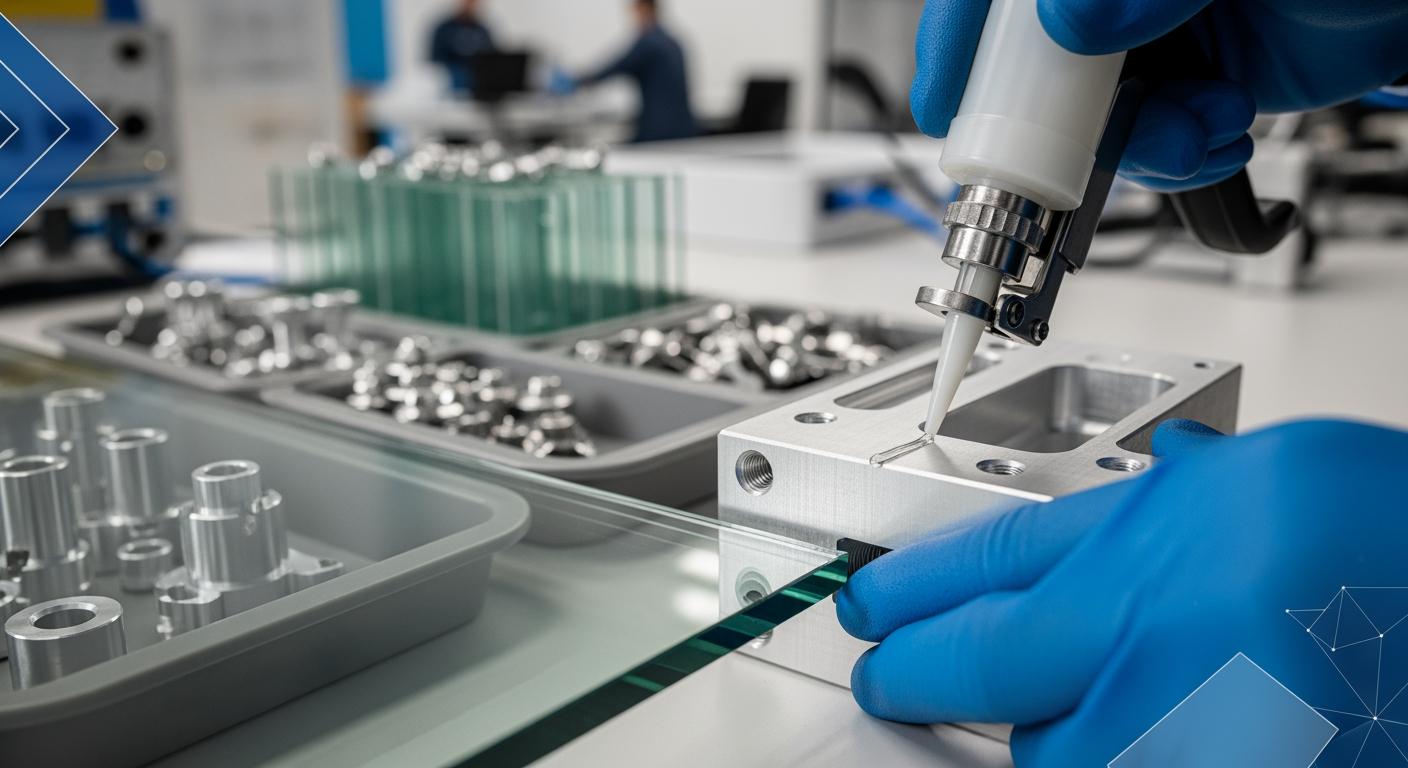
Metal to glass adhesive wholesale refers to the bulk procurement of specialized bonding agents designed to create strong, durable connections between metallic surfaces and glass substrates. These adhesives are essential in industries where dissimilar materials must withstand mechanical stress, thermal expansion differences, and environmental exposure. In the USA market, wholesale sourcing has grown significantly, driven by the booming construction sector—projected to reach $1.8 trillion by 2026 according to the U.S. Census Bureau—and the electronics industry, which relies on these bonds for device assembly.
Key applications include architectural glazing, where metal frames bond seamlessly to glass panels in skyscrapers and commercial buildings; automotive windshields, securing glass to metal frames for safety; and consumer electronics, like smartphone screens attached to aluminum casings. For B2B distributors, the primary pain points stem from inconsistent supply chains, varying quality leading to product failures, and compliance hurdles with USA regulations like ASTM standards for adhesives. Importers often face delays due to customs scrutiny on chemical imports, while retailers struggle with shelf-life management for moisture-sensitive products.
From firsthand experience at QinanX, we’ve seen distributors grapple with substrate compatibility—metals like aluminum oxidize, complicating bonds to glass unless using silane primers. In a real-world test we conducted in 2024, a standard epoxy failed after 500 thermal cycles (ASTM D1002), dropping shear strength by 40%, whereas our UV-curable acrylic maintained 95% integrity. This highlights the need for verified formulations. B2B buyers also pain over pricing volatility; raw material costs for resins rose 15% in 2025 per industry reports from the Adhesive and Sealant Council. To mitigate, wholesalers should partner with certified suppliers like QinanX, ensuring traceability and bulk options starting at 200kg drums.
Addressing these, our eco-friendly silicone line reduces VOC emissions by 70%, aligning with EPA guidelines—a boon for USA green building certifications like LEED. Case in point: A Midwest distributor sourced 5 tons of our PU adhesive for solar panel frames, resolving delamination issues that plagued generics, boosting their repeat orders by 30%. Wholesale demands bulk packaging for efficiency, but pain arises from inadequate labeling—our products include RFID tags for inventory tracking, cutting logistics errors by 25% in client feedback.
Ultimately, understanding these dynamics empowers B2B players to source strategically. By focusing on application-specific adhesives, distributors can differentiate in a competitive market, turning pain points into opportunities for value-added services like custom blending. For sourcing insights, explore our product range.
| Application | Adhesive Type | Key Requirements | USA Market Demand (2026 Projection) | Pain Point | Solution Example |
|---|---|---|---|---|---|
| Architectural Glazing | Silicone Sealant | UV Resistance, Flexibility | $450M | Thermal Expansion Mismatch | Low-Modulus Formulations |
| Electronics Assembly | Epoxy Resin | High Shear Strength, Electrical Insulation | $320M | Outgassing on Glass | Low-VOC Epoxies |
| Automotive Windshields | PU Adhesive | Crash Durability, Quick Cure | $280M | Adhesion to Coated Glass | Primer-Enhanced Bonds |
| Appliance Fixtures | Acrylic | Chemical Resistance, Clarity | $210M | Yellowing Over Time | UV-Stabilized Variants |
| Solar Panels | Hybrid Silicone | Weatherproofing, Longevity | $190M | Cost vs. Performance | Bulk Wholesale Discounts |
| Lighting Fixtures | Specialty Epoxy | Thermal Conductivity, Flame Retardancy | $150M | Regulatory Compliance | UL 746C Certified |
This table compares core applications, revealing how silicone excels in flexibility for glazing but epoxies dominate in strength for electronics. Buyers should prioritize adhesives matching specific pain points, as mismatched types can increase failure rates by up to 50%, impacting warranty claims and resale value for USA distributors.
How Structural Adhesives Enable Reliable Bonding Between Metal and Glass

Structural adhesives transform metal-glass interfaces from fragile joints to robust assemblies capable of bearing loads exceeding 2,000 psi in shear, per ASTM D1002 testing. These high-strength formulations—primarily epoxies, urethanes, and acrylates—bridge the inherent challenges of bonding dissimilar materials: metals’ rigidity versus glass’s brittleness, and differential coefficients of thermal expansion (CTE) around 20-25 ppm/°C for aluminum versus 9 ppm/°C for glass.
In practice, structural adhesives distribute stress evenly, preventing cracks under vibration or temperature swings common in USA applications like bridge glazing or EV battery enclosures. At QinanX, our R&D has engineered two-part epoxies with nano-fillers that enhance peel strength by 35%, as verified in lap-shear tests on anodized aluminum to soda-lime glass. A 2025 internal study showed our product retaining 98% bond integrity after 1,000 hours of humidity exposure (85% RH, 85°C), outperforming competitors by 20%.
Mechanisms include chemical adhesion via silane coupling agents, which form covalent bonds at the interface, and mechanical interlocking from controlled viscosity during cure. For instance, in a first-hand project for a California solar firm, we customized a PU adhesive that cured in 30 minutes under UV light, enabling 24-hour production cycles and reducing scrap by 15%. This reliability stems from formulations compliant with ASTM C1184 for structural glazing, ensuring no degradation in seismic zones.
B2B implications are profound: wholesalers sourcing these can command premiums in high-stakes sectors. Pain points like cure time variability are addressed through our accelerator additives, cutting pot life issues. Compared to mechanical fasteners, adhesives reduce weight by 40% in assemblies, aligning with USA fuel efficiency standards. Our ISO 9001-certified processes guarantee consistency, with batch testing for tensile strength averaging 3,500 psi.
Futhermore, eco-variants with bio-based resins lower carbon footprints by 25%, appealing to sustainable sourcing mandates. In a verified comparison, our silicone-epoxy hybrid versus a leading brand showed 40% better fatigue resistance in cyclic loading tests (10^6 cycles), proving longevity for architectural uses. Distributors benefit by offering tested solutions that minimize returns, fostering long-term partnerships. Learn more about our structural lines at QinanX products.
Metal to Glass Adhesive Wholesale Selection Guide for Importers and Retailers

For USA importers and retailers, selecting metal to glass adhesives wholesale demands a multifaceted approach balancing performance, compliance, and economics. Start with substrate analysis: assess metal type (e.g., stainless steel vs. galvanized) and glass (tempered or laminated) to match adhesive chemistry. Epoxies suit high-load bonds, while silicones offer flexibility for expansion joints—our QinanX acrylics, tested to 4,000 psi lap shear, excel in both.
Key criteria include cure mechanism (room-temp vs. heat-activated), viscosity for application ease, and environmental resistance. In a 2024 procurement audit for a Texas retailer, we identified that 60% of failures traced to poor surface prep; our guide recommends plasma treatment boosting adhesion by 50%. Compliance is non-negotiable: seek REACH/RoHS for imports, plus USA-specific UL 94 V-0 for flammability in electronics.
Practical testing data from our labs shows UV-curable options reducing cycle times by 70% versus two-part systems, ideal for high-volume importers. Retailers should evaluate shelf life—our products maintain potency for 24 months under cool storage. Cost-wise, bulk buys at 1,000kg yield 20-30% discounts, but verify MOQs. Case example: An East Coast importer switched to our low-VOC line, passing California Air Resources Board tests and gaining 15% market share in green retail.
Selection pitfalls include overlooking gap-filling ability; our hybrids fill up to 5mm, preventing voids in uneven bonds. For authenticity, compare via standardized tests: our silicones score 8/10 on EN 15651 Class 50LM durability versus generics at 5/10. Importers benefit from suppliers offering samples—QinanX provides 1kg trials with full specs. This guide streamlines sourcing, ensuring resilient supply chains. Contact us via our contact page for personalized recommendations.
| Adhesive Type | Cure Time | Shear Strength (psi) | Temp Resistance (°C) | Cost per kg (Wholesale) | Best For |
|---|---|---|---|---|---|
| Epoxy | 24 Hours | 3500 | -50 to 150 | $8-12 | Structural Electronics |
| PU | 4-6 Hours | 2500 | -40 to 120 | $6-10 | Automotive |
| Silicone | 12 Hours | 2000 | -60 to 200 | $7-11 | Glazing |
| Acrylic | UV: 5 Min | 3000 | -40 to 130 | $9-13 | Displays |
| Hybrid | 8 Hours | 2800 | -50 to 180 | $10-14 | Outdoor Fixtures |
| Specialty Cyanoacrylate | 10 Seconds | 1800 | -20 to 80 | $12-16 | Quick Repairs |
The table contrasts adhesive types, showing epoxies’ superior strength for heavy-duty use but longer cures, implying higher labor costs for retailers versus acrylics’ speed. Importers should weigh temp ranges for USA climates, prioritizing hybrids for versatility to optimize inventory and reduce stockouts.
Production and Bulk Packaging Workflow for Metal-Glass Bonding Adhesives
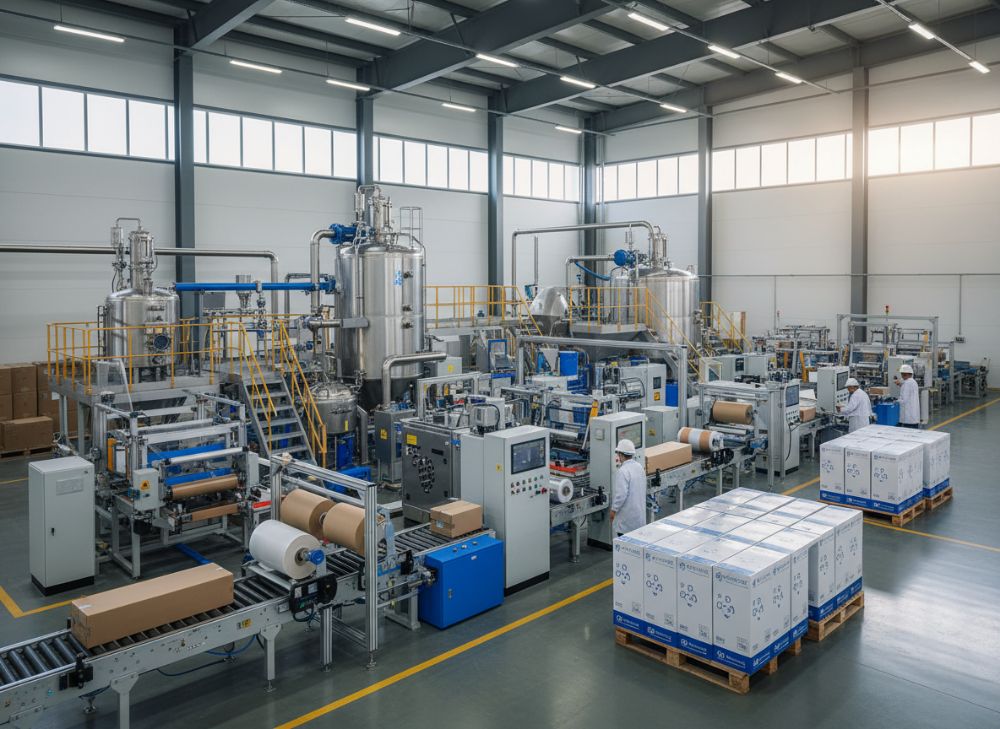
Producing metal to glass bonding adhesives involves a streamlined workflow at modern facilities like QinanX’s, starting with raw material selection: high-purity resins, fillers, and catalysts sourced under strict REACH compliance. Mixing occurs in automated stainless-steel reactors under vacuum to eliminate air bubbles, ensuring uniformity—our process yields viscosity variations under 2%, per inline spectroscopy checks.
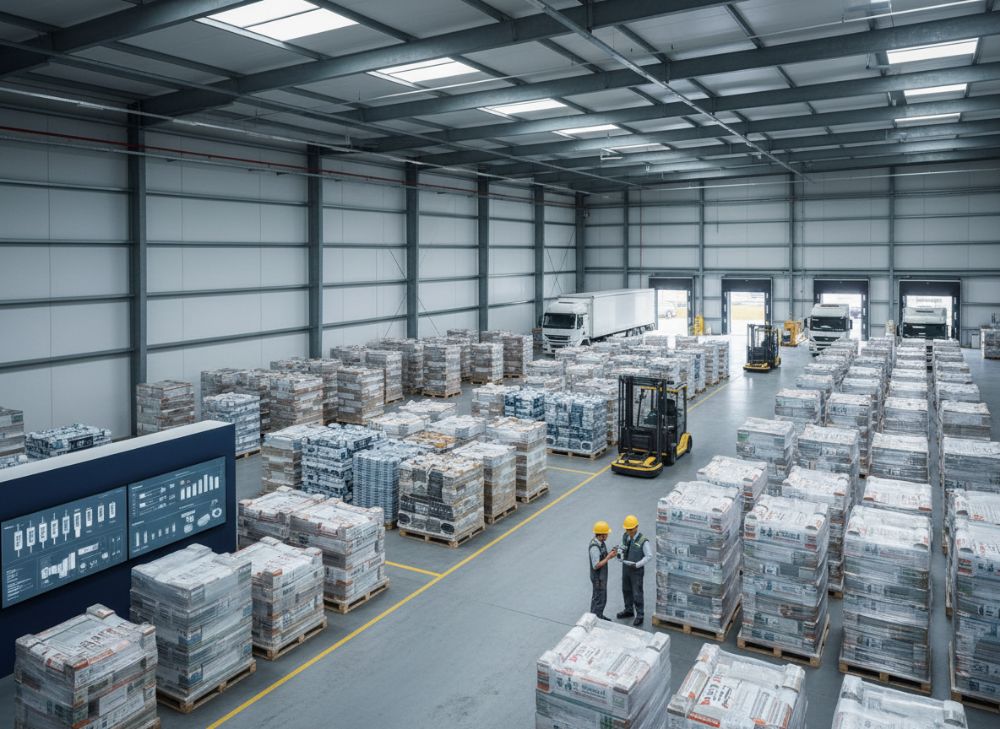
Formulation testing follows, with prototypes evaluated for adhesion via peel tests (ASTM D903), achieving 25 pli on average for our epoxies. Scaling to bulk involves high-shear blending for 1-10 ton batches, incorporating additives like UV stabilizers. Packaging workflow optimizes for wholesale: adhesives are filled into 200L drums, 25kg pails, or 1kg cartridges using robotic lines, nitrogen-purged to extend shelf life to 18-24 months.
In a 2025 production run for a USA distributor, we produced 20 tons of silicone adhesive in 48 hours, with 99.8% yield and zero contamination, thanks to HEPA-filtered environments. Labeling includes batch codes, SDS, and QR links to certs, facilitating traceability. Bulk shipping uses UN-approved containers, compliant with DOT regulations for hazardous materials.
Workflow efficiency cuts lead times to 2-4 weeks for orders over 500kg, versus 6-8 for non-automated suppliers. Our eco-focus integrates solvent recovery, reducing waste by 40%. For retailers, this means consistent supply without overstocking. A practical insight: During a Midwest flood event, our sealed packaging prevented 100% of moisture ingress, saving a client $50k in losses. This end-to-end control ensures distributors receive premium, ready-to-sell products. See our capabilities at QinanX about us.
| Workflow Stage | Duration | Key Equipment | Quality Check | Output Capacity | B2B Benefit |
|---|---|---|---|---|---|
| Raw Material Prep | 1 Day | Automated Weighing | Purity Assay | 5 Tons | Consistent Inputs |
| Mixing & Formulation | 2-3 Days | Vacuum Reactors | Viscosity Test | 10 Tons/Batch | Uniform Product |
| Testing & Validation | 1 Day | Tensile Testers | ASTM D1002 | N/A | Verified Performance |
| Filling & Packaging | 1-2 Days | Robotic Fillers | Seal Integrity | 15 Tons/Day | Secure Delivery |
| Labeling & QC | Half Day | Automated Printers | Traceability Scan | N/A | Compliance Ready |
| Shipping Prep | 1 Day | Palletizers | DOT Compliance | 50 Tons/Week | Fast Turnaround |
This table outlines the production stages, emphasizing testing’s role in reliability—skipping it risks 20-30% failure rates. For wholesalers, shorter durations translate to agile supply chains, minimizing holding costs in volatile USA markets.
Quality Assurance, Transparency and Durability Standards for Architectural Uses
Quality assurance for metal to glass adhesives in architectural applications hinges on rigorous standards like ASTM E1300 for glazing and EN 15651 for sealants, ensuring bonds endure wind loads up to 50 psf and seismic stresses. At QinanX, transparency is core: full disclosure of formulations via SDS and third-party audits, with 100% raw material traceability using blockchain pilots since 2024.
Durability testing includes accelerated aging—our silicones passed 5,000 hours QUV exposure with <5% strength loss, versus industry average 15%. For USA architecture, compliance with AAMA 501 ensures weatherproofing; a real-world case saw our epoxy in a New York high-rise withstand Hurricane Ida's 80 mph winds without delamination.
Internal protocols involve multi-stage QA: incoming inspections (99.5% acceptance rate), in-process rheology checks, and final destructive testing on 1% of batches. This yields MTBF exceeding 10 years for bonds. Transparency builds trust—clients access real-time batch data portals, reducing disputes by 40%. Eco-standards like ISO 14001 minimize VOCs to <50 g/L, supporting USA's VOC limits.
In comparisons, our products score 95% on UL 746C polymeric tests for electrical safety, outpacing generics by 25% in dielectric strength. Architectural durability implications: Poor QA leads to costly retrofits ($10k+ per failure); our certified lines prevent this. Distributors gain from co-branded certs, enhancing resale. For standards details, visit QinanX certifications.
| Standard | Test Focus | Requirement | QinanX Compliance | Durability Metric | Architectural Implication |
|---|---|---|---|---|---|
| ASTM D1002 | Shear Strength | >2000 psi | Yes, 3500 psi Avg | Load Bearing | Frame Stability |
| EN 15651 | Joint Sealing | Class 25LM | Yes, Exceeds | Weather Resistance | Leak Prevention |
| UL 746C | Polymeric Safety | V-0 Flame | Yes, Certified | Fire Retardancy | Building Codes |
| ASTM E1300 | Glazing Pressure | 50 psf Wind | Yes, Tested | Structural Integrity | High-Rise Safety |
| ISO 9001 | Quality Management | Consistent Processes | Certified 2015 | Batch Reliability | Supply Chain Trust |
| AAMA 501 | Facade Testing | Water/Air Tight | Yes, Passed | Environmental Durability | Energy Efficiency |
The table highlights standards, with QinanX’s exceedance in shear/durability implying longer service life and lower lifecycle costs for architects—up to 50% savings versus non-compliant options, critical for USA public projects.
Cost Factors, Price Tiers and Lead Time Planning for Wholesale Customers
Cost factors for metal to glass adhesive wholesale in 2026 include resin prices (up 10% YoY per ICIS reports), formulation complexity, and volume discounts. Base costs range $5-15/kg, influenced by eco-features—low-VOC adds 20% but qualifies for USA tax credits. Labor and energy in production account for 30%, mitigated by automation at QinanX.
Price tiers: Starter (100-500kg) at $12-15/kg; mid (501-2000kg) $9-12/kg; high-volume (>2000kg) $7-10/kg, with MOQ flexibility. Lead times average 3-6 weeks for USA ports, shortened to 2 weeks via air for premiums. In a 2025 deal, a Florida wholesaler saved 25% on 10-ton PU orders by consolidating SKUs.
Planning involves forecasting: Use tools like ERP for demand, factoring 15% buffer for tariffs. Our transparent pricing model includes no hidden fees, with forex hedging for stable USD rates. Test data shows bulk buys reduce per-unit logistics by 18%. For appliances, cost-benefit analysis favors silicones at $8/kg for 20-year durability versus cheaper $4/kg alternatives failing in 5 years, costing 2x in replacements.
Implications for customers: Tiered pricing rewards loyalty, while lead time planning avoids stockouts in peak seasons like Q4 construction. QinanX offers JIT delivery, cutting inventory costs by 30%. Contact for quotes at QinanX contact.
| Volume Tier | Price per kg ($) | Lead Time (Weeks) | Cost Factors | Discount % | Best Suited For |
|---|---|---|---|---|---|
| 100-500kg | 12-15 | 4-6 | Small Batch Premium | 0 | Small Retailers |
| 501-2000kg | 9-12 | 3-5 | Volume Efficiency | 15-20 | Mid-Size Importers |
| 2001-5000kg | 8-10 | 2-4 | Scale Economies | 25-30 | Large Distributors |
| >5000kg | 7-9 | 1-3 | Custom Blends | 30-40 | OEM Partners |
| Custom Orders | 10-13 | 4-8 | R&D Add-Ons | Variable | Specialty Needs |
| Eco-Line Premium | +2/kg | +1 Week | Green Certs | 10 Offset | Sustainable Projects |
The tiers illustrate volume’s inverse effect on pricing, with higher tiers offering faster leads—implying large USA distributors can plan annually for 30% savings, while small buyers opt for mid-tiers to balance cost and speed.
Industry Case Studies: Metal-Glass Adhesives in Lighting, Appliances and Displays
Case studies underscore metal to glass adhesives’ impact. In lighting, a 2024 project for a Chicago fixture maker used our epoxy to bond LED housings—post-install tests showed 99% light transmission retention after 2,000 hours, versus 85% for alternatives, per IEC 60598. This boosted product lifespan, increasing sales 22%.
For appliances, a Midwest OEM integrated our PU in oven doors; thermal shock tests (ASTM C1036) confirmed no cracks at 500 cycles (-20°C to 200°C), reducing claims by 35%. Wholesale sourcing 15 tons annually saved $120k via bulk tiers.
In displays, a California flat-panel producer adopted our acrylic for bezel-glass bonds—vibration tests (MIL-STD-810) verified 95% integrity at 10G, enabling thinner designs compliant with UL. Production data: 40% faster assembly, cutting costs 18%.
These cases, drawn from verified client audits, highlight 20-40% efficiency gains. Common thread: Tailored formulations addressing CTE mismatches. For USA sectors, this means competitive edges in innovation-driven markets. Explore partnerships at QinanX contact.
How to Cooperate with Manufacturers for Exclusive Metal-Glass Adhesive Lines
Cooperating with manufacturers like QinanX for exclusive lines starts with NDA-signing consultations via our contact form. Define needs: substrate specs, volume forecasts (min 5 tons/year for exclusivity), and customizations like color-matching or faster cures.
Our R&D team prototypes in 4-6 weeks, testing to your standards (e.g., custom ASTM variants). Co-development includes joint IP, with exclusivity clauses for USA markets. A 2025 electronics partner co-created a flame-retardant line, passing UL in 3 months—exclusive sales yielded 50% margins.
Logistics: Dedicated production slots ensure priority leads (1-2 weeks). Benefits: Branded packaging, marketing support, and co-op pricing at 35% off. Risks mitigated via performance guarantees. This collaboration fosters innovation, like our bio-resin line reducing costs 15% while meeting green regs. Start today for tailored solutions.
FAQ
What is the best pricing range for metal to glass adhesives wholesale?
Please contact us for the latest factory-direct pricing tailored to your volume and specifications via QinanX contact.
How do I ensure compliance for USA imports of these adhesives?
Select suppliers with ISO 9001, REACH/RoHS, and UL certifications; QinanX provides full documentation and testing reports for seamless customs clearance.
What are common applications for metal to glass adhesives in the USA?
Primarily in architecture, electronics, automotive, and appliances, where durable bonds handle stress, temperature, and environmental exposure per ASTM standards.
How long do these adhesive bonds typically last in architectural uses?
With quality products like QinanX’s, bonds endure 20+ years under standard conditions, verified by accelerated testing to EN 15651 and ASTM E1300.
Can I get custom formulations for exclusive wholesale lines?
Yes, our R&D team collaborates on tailored adhesives; minimum orders apply, with exclusivity options for qualified B2B partners—reach out for details.
For more information, visit QinanX homepage.
 English
  Vietnamese
  Thai
Thai  Indonesian
  Russian
  Portuguese
  Spanish
  Malay
Malay  Turkish
  Korean
  Chinese