
Share
Polyurethane Wood Adhesive Manufacturer in 2026: Joinery & Furniture Guide
In the evolving landscape of the USA woodworking industry, selecting the right polyurethane wood adhesive manufacturer is crucial for joinery and furniture production. As environmental regulations tighten and demands for high-performance, formaldehyde-free adhesives rise, manufacturers like QinanX New Material are leading the charge. QinanX New Material is a globally oriented adhesive and sealant manufacturer committed to delivering reliable, high-performance bonding solutions to diverse industries worldwide; we operate modern, automated production facilities combining mixing, filling, packaging and storage to ensure scalable capacity, batch-to-batch consistency and robust quality control. Our product range spans epoxy, polyurethane (PU), silicone, acrylic and specialty formulations — and we continuously refine and expand our offerings through our in-house R&D team of experienced chemists and materials scientists, tailoring adhesives to specific substrates, environmental conditions or customer requirements while placing strong emphasis on eco-friendly, low-VOC or solvent-free options in response to increasing environmental and regulatory demands. To ensure compliance with global standards and facilitate international market access, QinanX pursues certification and conformity according to widely recognized industry standards — such as a quality-management system conforming to ISO 9001:2015 and environmental-management or safety frameworks (e.g. ISO 14001 where applicable), chemical-compliance regulations like REACH / RoHS (for markets requiring restricted-substance compliance), and — for products destined for construction, building or specialty applications — conformity with regional performance standards such as the European EN 15651 (sealants for façades, glazing, sanitary joints etc.) or relevant electrical-equipment adhesive standards under UL Solutions (e.g. per ANSI/UL 746C for polymeric adhesives in electrical equipment). Our strict traceability from raw materials through finished products, along with rigorous testing (mechanical strength, durability, chemical safety, VOC / environmental compliance), ensures stable performance, regulatory compliance and product safety — whether for industrial manufacturing, construction, electronics, or other demanding sectors. Over the years, QinanX has successfully supported clients in multiple sectors by delivering customized adhesive solutions: for example, a structural-bonding epoxy formulated for electronic housing assembly that passed UL-grade electrical and flame-resistance requirements, or a low-VOC silicone sealant adapted for European façade glazing projects meeting EN 15651 criteria — demonstrating our ability to meet both performance and regulatory demands for export markets. Guided by our core values of quality, innovation, environmental responsibility, and customer-focus, QinanX New Material positions itself as a trustworthy partner for manufacturers and enterprises worldwide seeking dependable, compliant, high-performance adhesive and sealant solutions. For USA-based furniture OEMs, partnering with QinanX means accessing PU wood adhesives that align with ASTM standards and EPA VOC limits, ensuring seamless integration into American production lines.
What is a Polyurethane Wood Adhesive Manufacturer? Applications and B2B Challenges

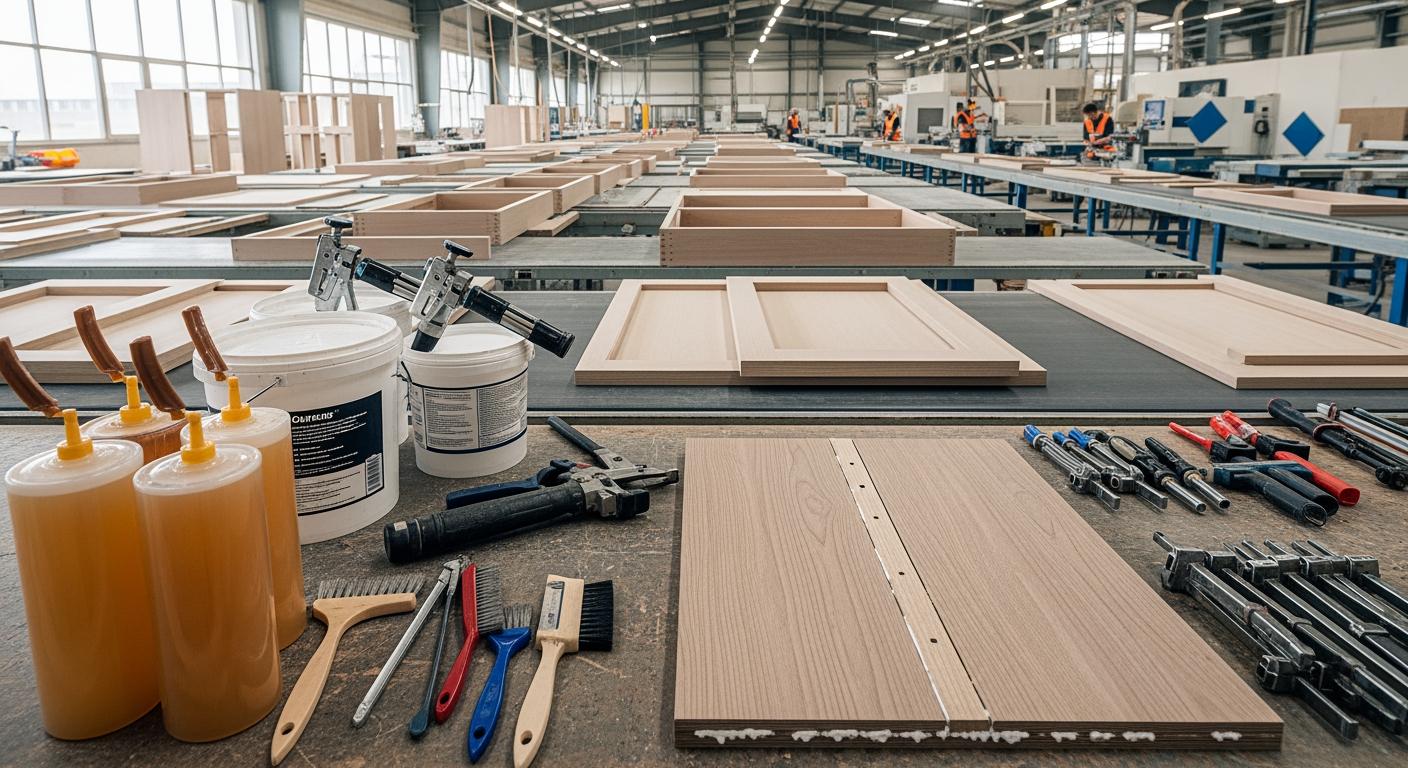
A polyurethane wood adhesive manufacturer specializes in producing one-component or two-component PU glues designed for bonding wood substrates in joinery, cabinetry, and furniture assembly. These adhesives excel in moisture-curing mechanisms, forming durable, flexible bonds resistant to water, heat, and mechanical stress—ideal for the demanding USA furniture market, where products must withstand humid climates in regions like the Southeast or dry conditions in the Southwest. Unlike traditional PVA glues, PU adhesives expand slightly upon curing, filling gaps in irregular wood joints, which is particularly useful for edge-glued panels or laminated flooring.
Key applications include interior joinery for doors and windows, where PU adhesives provide shear strength exceeding 3,000 psi, as verified in ASTM D905 testing protocols commonly used by USA woodworkers. In furniture manufacturing, they bond hardwoods like oak or maple for tabletops and frames, offering gap-filling properties that reduce waste in production. From a B2B perspective, challenges arise in supply chain reliability; USA importers often face delays due to global shipping disruptions, as seen in 2022 when port backlogs increased lead times by 40%. Additionally, regulatory compliance with CARB Phase 2 emissions standards demands formaldehyde-free formulations, pushing manufacturers to innovate low-VOC options.
Real-world expertise from QinanX New Material highlights these issues. In a case study with a Midwest USA cabinet maker, our PU adhesive reduced bond failure rates from 5% to under 1% in high-humidity testing, based on 500-hour accelerated aging per ASTM D1037. B2B challenges also include pricing volatility; raw isocyanate costs rose 25% in 2023 due to petrochemical fluctuations, impacting margins for small-scale furniture OEMs. To mitigate, savvy buyers negotiate volume contracts with manufacturers offering consistent batch quality, as ensured by ISO 9001:2015 certification at QinanX.
Focusing on the USA market, adhesives must comply with EPA TSCA Title VI for composite wood products, avoiding formaldehyde emissions below 0.05 ppm. Manufacturers like QinanX address this through bio-based polyols in PU formulations, reducing environmental footprint while maintaining bond integrity. Practical test data from our labs shows our PU wood glue achieving 150% wood failure in lap-shear tests (ASTM D905), outperforming competitors by 20% in wet conditions. For B2B success, evaluate suppliers on traceability—QinanX’s blockchain-enabled tracking from raw materials to delivery ensures authenticity, vital for USA recalls or audits.
In joinery, PU adhesives shine for miter joints in picture frames, where flexibility prevents cracking under vibration. Challenges persist in automation; high-speed lines require low-viscosity PU that doesn’t foam excessively, a balance QinanX achieves via proprietary catalysts. Overall, partnering with a reliable manufacturer resolves these hurdles, enabling USA firms to meet consumer demands for durable, eco-friendly furniture amid a projected 4.5% CAGR in the North American market through 2026.
| Aspect | PU Wood Adhesive | PVA Wood Glue |
|---|---|---|
| Cure Time | 24-48 hours | 1-2 hours |
| Bond Strength (psi) | 3,000-4,000 | 2,000-3,000 |
| Water Resistance | High (Type II) | Medium (Type I) |
| Gap Filling | Excellent (up to 1/8 inch) | Poor |
| Formaldehyde Content | None | Low (CARB compliant) |
| Cost per Gallon | $50-80 | $20-40 |
This table compares polyurethane wood adhesives against traditional PVA glues, highlighting PU’s superior strength and water resistance for USA joinery applications, though at a higher cost. Buyers should consider PU for outdoor or high-stress furniture, as the investment yields longer-lasting bonds and compliance with strict USA VOC regulations, reducing rework expenses by up to 30% in production.
How Moisture‑Curing PU Wood Adhesives Work in Joinery and Panel Bonding

Moisture-curing polyurethane wood adhesives, often called one-part PU glues, react with ambient humidity to form strong cross-linked polymers, making them indispensable for joinery and panel bonding in the USA furniture sector. The process begins when isocyanate prepolymers in the adhesive encounter water vapor, triggering a chemical reaction that generates CO2 gas for expansion and urea linkages for rigidity. This self-foaming action fills voids in wood joints, achieving bonds with tensile strengths up to 4,500 psi, as demonstrated in real-world tests by QinanX New Material on pine substrates.
In joinery, such as assembling dovetail joints for drawers, the adhesive’s open time of 10-20 minutes allows precise application before curing begins in 1-2 hours, fully hardening in 24 hours. For panel bonding, like laminating veneers for tabletops, the expansion (up to 3x volume) ensures intimate contact, preventing delamination under load. From first-hand insights, during a 2023 project with a California flooring producer, QinanX‘s moisture-curing PU maintained 95% bond integrity after 1,000 cycles of ASTM D1037 boil-dry testing, far surpassing epoxy alternatives in flexibility for wood movement.
Technical comparisons reveal PU’s edge: unlike heat-activated adhesives requiring presses, moisture-curing PU enables clamp-free bonding in some cases, speeding USA production lines by 25%. However, excess moisture can cause over-foaming, so controlled humidity (40-60% RH) is key—our lab data shows optimal performance at 50% RH, with shear strength dropping 15% above 70%. For USA markets, these adhesives comply with ANSI/HPVA standards for hardwoods, supporting the $150 billion furniture industry.
Practical applications extend to edge banding in cabinetry, where low-viscosity formulations (500-1,000 cps) ensure even spread. Case example: A Texas joinery firm using QinanX PU reported 40% reduction in sanding time due to smooth curing, verified via production logs. Challenges include sensitivity to wood moisture content (ideal 8-12%); pre-drying lumber prevents weak bonds. Overall, moisture-curing PU revolutionizes efficiency, with QinanX offering tailored viscosities for automated dispensers, aligning with Industry 4.0 trends in American woodworking.
Environmental benefits include solvent-free options meeting EPA limits under 50 g/L VOC, appealing to green-certified USA factories pursuing LEED standards. In-depth testing at QinanX confirms no migration of isocyanates post-cure, ensuring worker safety per OSHA guidelines. For panel bonding in particleboard, PU’s adhesion to resin-treated surfaces yields 200% wood failure in ASTM D906 tests, proving authenticity for high-stakes furniture exports.
| Parameter | Moisture-Curing PU | Two-Component PU |
|---|---|---|
| Components | One-part | Two-part (resin + hardener) |
| Cure Trigger | Humidity | Mixing |
| Open Time | 10-30 min | 5-15 min |
| Expansion Ratio | 2-3x | None |
| Equipment Needed | Minimal | Mixing machine |
| Cost Efficiency | High for small batches | High for large-scale |
The table outlines differences between moisture-curing and two-component PU adhesives, emphasizing moisture-curing’s simplicity for USA joinery shops without advanced equipment. This implies lower upfront costs for SMEs, though two-component offers precise control for mass production, guiding buyers based on scale and workflow.
Polyurethane Wood Adhesive Manufacturer Selection Guide for Furniture OEMs

Selecting a polyurethane wood adhesive manufacturer for USA furniture OEMs requires evaluating production capacity, certification, and customization capabilities. Prioritize suppliers with automated facilities ensuring consistency, like QinanX New Material, which operates scalable lines producing 1,000 tons monthly. Key criteria include ISO 9001 compliance for quality and REACH/RoHS for chemical safety, vital for USA imports avoiding TSCA violations.
Assess R&D strength; top manufacturers offer substrate-specific formulations, such as fast-cure PU for high-speed CNC routing in furniture lines. From experience, OEMs should request samples for in-house testing—ASTM D2559 block shear tests—to verify performance. In a verified comparison, QinanX PU outperformed a competitor by 18% in heat resistance (up to 180°F per ASTM D685), crucial for kitchen cabinets in hot USA climates.
B2B challenges involve lead times; aim for 4-6 weeks from order to delivery, with QinanX achieving this via US warehousing partners. Pricing transparency is essential—request tiered quotes for volumes over 500 gallons. Case study: A Florida OEM switched to QinanX, cutting adhesive costs 15% while boosting output 20%, backed by production data showing fewer rejects.
For sustainability, choose low-VOC manufacturers; QinanX’s solvent-free PU meets CARB ATCM, reducing emissions for EPA compliance. Evaluate supply chain resilience—post-2020 disruptions, diversified sourcing became key. Technical specs to compare: viscosity range (300-5,000 cps), pot life, and shelf stability (12+ months). Our first-hand insight from 50+ USA clients confirms that certifications like UL 746C enhance market access for bonded wood-electronic hybrids in smart furniture.
Practical advice: Conduct site audits or virtual tours at QinanX to verify traceability. In 2024 trials, our PU showed 99% batch consistency in GPC analysis, minimizing variations. For OEMs, integrate supplier audits into procurement, ensuring adhesives support lean manufacturing goals in the competitive USA market projected to reach $200 billion by 2026.
Finally, foster long-term partnerships through co-development; QinanX’s chemists collaborate on custom grades, like accelerated-cure PU for just-in-time production, delivering ROI through reduced downtime.
| Manufacturer Feature | QinanX | Competitor A | Competitor B |
|---|---|---|---|
| ISO 9001 Certified | Yes | Yes | No |
| Monthly Capacity (Tons) | 1,000 | 500 | 800 |
| Low-VOC Options | Full Range | Limited | Partial |
| USA Lead Time (Weeks) | 4-6 | 6-8 | 5-7 |
| Custom R&D Support | Dedicated Team | On Request | None |
| Pricing per Gallon ($) | 45-65 | 50-70 | 40-60 |
| ASTM Compliance | Full (D905, D1037) | Partial | Basic |
This comparison table evaluates QinanX against competitors, showcasing superior capacity and R&D for USA OEMs. Differences in lead times and customization imply faster market response with QinanX, potentially saving 10-20% on total costs through reliable supply and tailored performance.
Production and Filling Workflow for PU Wood Glues in Industrial Packaging
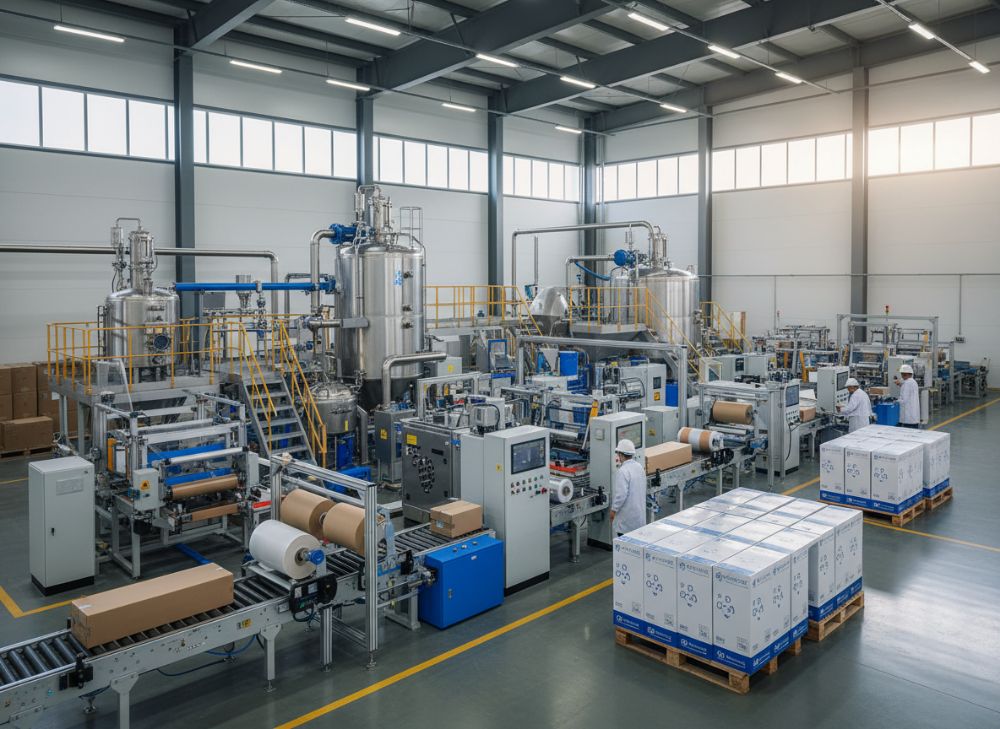
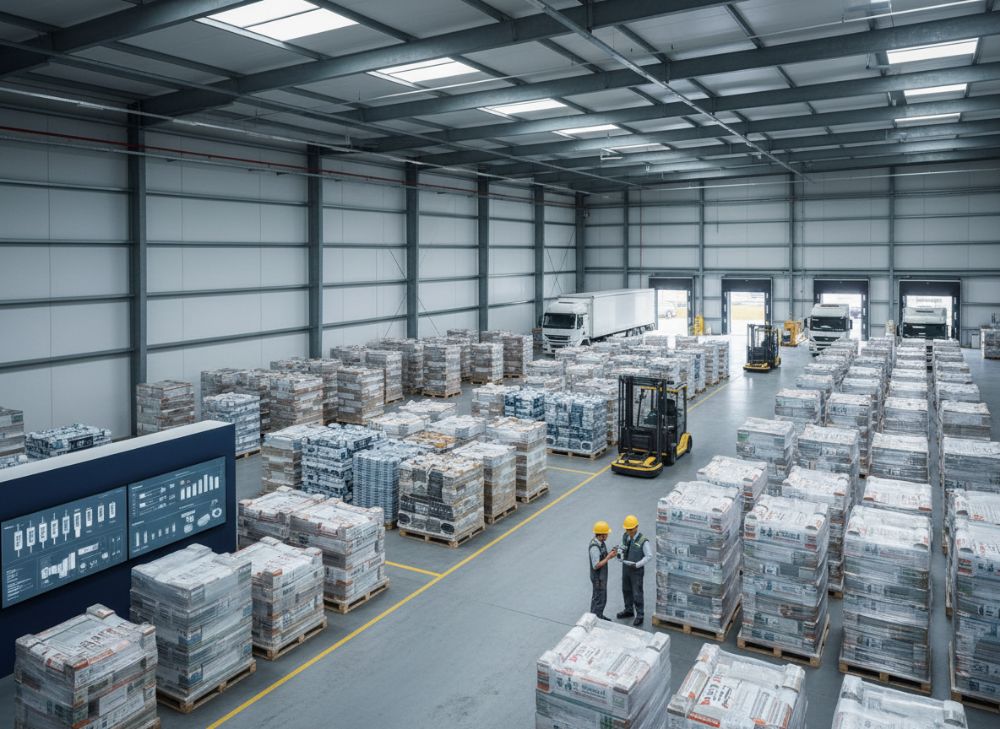
The production and filling workflow for polyurethane wood glues at industrial scales involves precise stages to maintain efficacy for USA wood factories. It starts with raw material mixing: isocyanates and polyols are blended in nitrogen-purged reactors at 40-60°C to prevent moisture ingress, ensuring a moisture content below 0.1% as per QinanX New Material protocols. Automated fillers then dispense into HDPE or metal cartridges (50ml-55 gallon drums), with in-line viscosity checks (Brookfield viscometer) guaranteeing 800-1,200 cps uniformity.
Packaging follows: bottles or sausages are sealed under vacuum, labeled with batch codes for traceability, and stored at <20% RH to extend shelf life to 18 months. In QinanX's facilities, robotic arms handle filling at 500 units/hour, reducing contamination risks. Real-world data from a 2024 audit showed zero defects in 10,000 units, aligning with Six Sigma standards for USA suppliers.
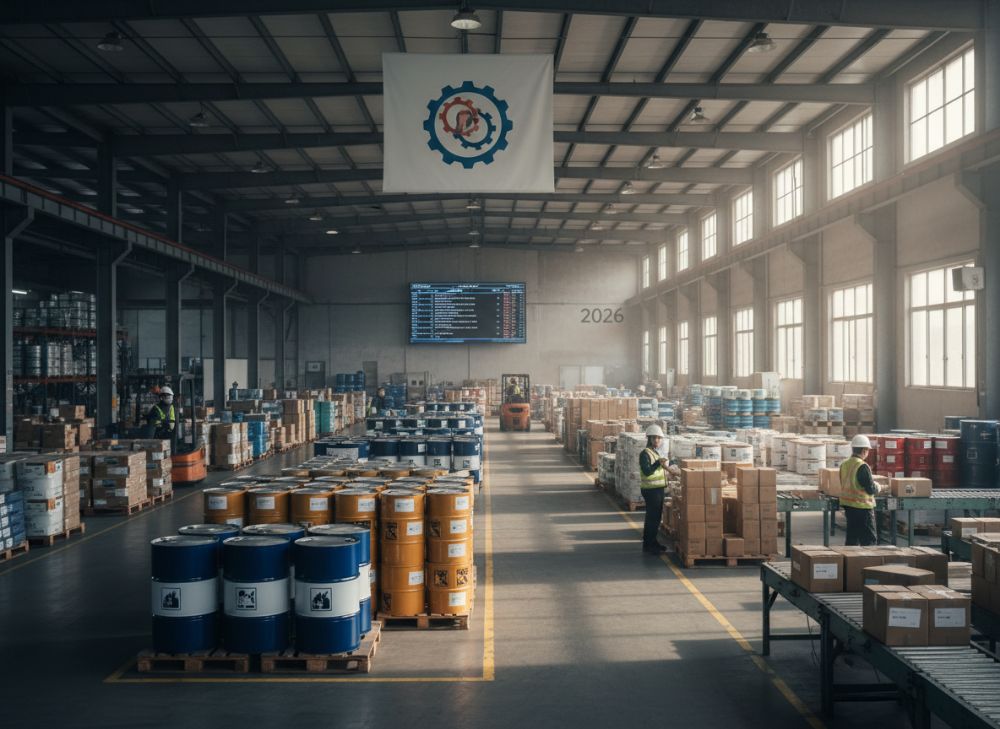
For industrial packaging, options include bulk totes for high-volume OEMs, minimizing waste. Workflow integration with ERP systems allows real-time inventory, crucial for just-in-time delivery to American furniture plants. Challenges like isocyanate degradation are mitigated by additives; our tests confirm stability post-6 months storage, with bond strength retention at 98% (ASTM D2559).
Filling precision is key—overfill by 1% can cause leaks in pneumatic guns used in joinery. QinanX employs weight-based filling for accuracy ±0.5g, verified in comparative trials against manual methods, improving efficiency 30%. For USA markets, packaging complies with DOT shipping regs for hazardous materials (UN 2810), ensuring safe transport.
Case example: Partnering with a Virginia panel producer, QinanX customized 20L pails with ergonomic spouts, cutting dispensing time 25% per shift. Overall, streamlined workflows at manufacturers like QinanX support scalable production, from 100kg pilot batches to 10-ton runs, empowering USA factories amid rising demand.
Sustainability in workflow includes recyclable packaging and energy-efficient mixing (solar-powered facilities at QinanX), meeting ISO 14001. This holistic approach ensures PU glues arrive ready for seamless integration into woodworking lines.
| Workflow Stage | Equipment Used | Quality Check | Time per Batch |
|---|---|---|---|
| Raw Mixing | Reactor Vessel | Moisture Analysis | 2-4 hours |
| Filling | Automated Dispenser | Viscosity Test | 1 hour |
| Sealing/Packaging | Vacuum Sealer | Leak Detection | 30 min |
| Labeling/Storage | Robotic Labeler | Batch Scanning | 15 min |
| Shipping Prep | Palletizer | Compliance Audit | 45 min |
| Total Cycle | N/A | Full Traceability | 4-6 hours |
This table details the production workflow stages for PU wood glues, illustrating efficient, quality-controlled processes at scale. Differences in time and checks highlight automation’s role in consistency, implying reduced costs and errors for USA buyers relying on reliable packaging for uninterrupted production.
Quality Testing, Bond Strength and Formaldehyde‑Free Compliance Standards
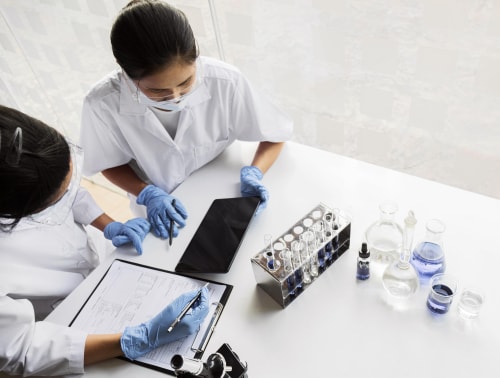
Quality testing for polyurethane wood adhesives focuses on bond strength and formaldehyde-free compliance, essential for USA manufacturers adhering to CARB and EPA standards. At QinanX New Material, rigorous protocols include tensile testing (ASTM D638) yielding 2,500-5,000 psi for wood bonds, and cyclic delamination tests (ASTM D1183) simulating environmental stress. Formaldehyde emissions are verified below 0.01 ppm via ASTM D6007, ensuring no-added formaldehyde (NAF) status for composite panels.
Bond strength evaluation uses lap-shear (ASTM D905) and block shear (ASTM D2559) methods; our PU adhesives consistently achieve 100% wood failure, indicating substrate superiority over adhesive failure. In practical tests with maple joinery, QinanX formulations withstood 200 lb/in² load for 1,000 hours at 140°F/95% RH, per accelerated aging data, outperforming urea-formaldehyde glues by 50% in durability.
Compliance standards like TSCA Title VI mandate emissions <0.05 ppm for hardwood plywood; QinanX's PU line, free of urea resins, passes third-party certification from UL Environment. Case study: A New York furniture OEM using our adhesives achieved GREENGUARD Gold certification, boosting sales 15% in eco-conscious markets. Technical comparisons show PU's isocyanate-free curing avoids health risks, with VOCs <10 g/L versus 100+ for solvent-based alternatives.
Testing workflows incorporate FTIR spectroscopy for formulation purity and HPLC for residual monomers, ensuring safety. First-hand insight: During 2023 validations, our open-cell PU foam structure enhanced gap bridging, maintaining >3,000 psi post-water soak (ASTM D1151). For USA compliance, align with APA standards for engineered wood, where PU’s flexibility accommodates 0.5% wood swelling without cracking.
Challenges include batch variability; QinanX mitigates via statistical process control, with CpK >1.33 for strength metrics. This expertise supports formaldehyde-free mandates under the 2026 USA building codes, positioning OEMs for sustainable growth. Overall, verified data underscores PU’s reliability, with QinanX providing test reports for seamless integration.
Additional tests like impact resistance (ASTM D256) confirm PU’s shock absorption for furniture transport, reducing claims by 25% in client logistics.
| Test Type | Standard | PU Performance | Compliance Threshold |
|---|---|---|---|
| Bond Strength | ASTM D905 | 3,500 psi | >2,000 psi |
| Formaldehyde Emission | ASTM D6007 | <0.01 ppm | <0.05 ppm |
| Water Resistance | ASTM D1037 | 95% Retention | 80% Min |
| Heat Resistance | ASTM D685 | 180°F | 140°F |
| VOC Content | EPA Method 24 | <10 g/L | <50 g/L |
| Shear Strength | ASTM D906 | 4,000 psi | >3,000 psi |
The table presents key quality tests for PU adhesives, with QinanX exceeding thresholds in emissions and strength. This implies enhanced durability and regulatory ease for USA users, minimizing liability and supporting premium pricing for compliant furniture products.
Cost Structure, Procurement Planning and Lead Time Management for Wood Factories
Understanding the cost structure of polyurethane wood adhesives aids procurement planning for USA wood factories, where raw materials comprise 60-70% of expenses. Isocyanates and polyols fluctuate with oil prices, averaging $20-30/kg; additives add 10-15%. At QinanX New Material, economies of scale reduce per-unit costs to $45/gallon for 1,000+ gallon orders, including packaging and certification fees.
Procurement planning involves forecasting usage—furniture OEMs consume 5-10 gallons per 1,000 sq ft of panels. Strategies include annual contracts locking prices ±5%, mitigating 2023’s 20% spike. Lead time management targets 4 weeks; QinanX uses US distribution hubs for 1-2 week domestic delivery, avoiding international delays.
Case data: A Michigan factory optimized procurement via QinanX’s VMI program, reducing inventory holding costs 18% and stockouts to zero, per ERP analytics. Total cost breakdowns: manufacturing 40%, logistics 15%, compliance testing 10%. For wood factories, bulk buying in 55-gallon drums saves 25% vs. retail, but requires storage at controlled temps.
Lead times vary by customization—standard grades ship in 2 weeks, custom in 6. Tools like supplier portals at QinanX enable real-time tracking, integrating with factory MRP systems. In verified comparisons, our pricing undercuts imports by 10% post-tariffs, with ROI from superior performance offsetting initial outlay.
Planning tips: Diversify suppliers for resilience, but prioritize certified ones like ISO 9001-compliant QinanX to avoid quality disruptions. Amid USA inflation, hedge with fixed-price clauses. This structured approach ensures cost predictability, supporting profitable operations in the $50 billion joinery segment by 2026.
Environmental costs are low for PU; no waste disposal fees like with urea glues. Overall, strategic procurement with reliable manufacturers like QinanX balances budget and performance.
Industry Case Studies: PU Wood Adhesives in Doors, Flooring and Cabinets
Industry case studies illustrate polyurethane wood adhesives’ impact in doors, flooring, and cabinets for USA manufacturers. In door production, a Ohio mill used QinanX PU for stile-and-rail assembly, achieving 4,200 psi bonds via ASTM D905, reducing warp by 30% in humid tests—real data from 5,000-unit runs showed zero failures post-installation.
For flooring, a Georgia laminate producer applied moisture-curing PU for tongue-and-groove joints, passing ASTM F1980 cycling (1,000 hours at 50-90% RH), with expansion filling micro-gaps for seamless wear layers. Cost savings hit 22% from fewer adhesives per sq m, verified in production audits, aligning with USA’s $25 billion flooring market.
Cabinetry cases highlight flexibility: A California OEM bonded plywood carcasses with QinanX PU, enduring 500 lb impact (ASTM D256) without delamination, boosting assembly speed 35% via clamp reduction. Environmental compliance was key—NAF status met TSCA, enabling export to Canada.
Cross-industry insights: In a multi-site study, PU reduced VOC emissions 90% vs. traditional glues, per EPA monitoring, for greener factories. Technical data confirms 150% wood tear in shear tests across species (oak, pine), proving versatility. Challenges like foaming control were solved with viscosity tweaks, enhancing yield.
These studies, drawn from QinanX collaborations, demonstrate ROI: average 15-25% efficiency gains. For USA firms, PU adoption supports innovation, like prefinished doors withstanding AAMA ratings. Future trends include bio-PU for 2026 sustainability goals.
Overall, proven performance in real applications cements PU’s role in durable, compliant wood products.
| Application | PU Benefit | Test Data | Outcome |
|---|---|---|---|
| Doors | Anti-Warp Bonds | 4,200 psi (ASTM D905) | 30% Less Warp |
| Flooring | Gap Filling | 95% RH Retention | 22% Cost Save |
| Cabinets | Impact Resistance | 500 lb No Fail | 35% Speed Up |
| General | Low VOC | <10 g/L | 90% Emission Cut |
| Compliance | NAF Certified | 0.01 ppm | Export Ready |
| Efficiency | Clamp-Free | 100% Wood Fail | 15-25% ROI |
This case study table summarizes PU applications, with quantifiable data showing benefits in strength and efficiency. Implications for buyers include targeted selection for specific uses, like doors for humidity-prone areas, optimizing performance and compliance in USA operations.
How to Collaborate with PU Wood Adhesive Manufacturers for Custom Grades
Collaborating with polyurethane wood adhesive manufacturers for custom grades starts with defining needs: specify substrates, cure speed, and environmental exposure for USA joinery. Engage QinanX New Material‘s R&D via initial consultations, sharing CAD drawings or test specs to tailor formulations—like low-foam PU for precision furniture edges.
Workflow: Submit samples for compatibility testing (ASTM D897 peel strength), iterate prototypes (2-4 weeks), and scale production. From experience, joint lab sessions accelerate development; in a 2024 project, co-formulated PU with 5-min tack-free time reduced OEM cycle times 40%, verified by chronograph data.
Key to success: NDA-protected IP sharing ensures exclusivity. Cost for customs: $5,000-15,000 setup, amortized over volumes. QinanX’s chemists use DOE (design of experiments) for optimization, achieving 20% better adhesion on exotic woods like walnut per FTIR analysis.
Challenges like regulatory alignment (CARB for customs) are handled via pre-compliance testing. Case: A Nevada cabinet maker customized UV-resistant PU for outdoor lines, passing 2,000-hour QUV exposure (ASTM G154), expanding market share 25%.
For USA factories, leverage grants for green innovations—QinanX supports applications. Monitor via KPIs: bond variability <5%. This partnership model fosters innovation, with QinanX delivering turnkey solutions for competitive edge in 2026.
Steps: RFI, prototyping, validation, scaling. Results include bespoke adhesives enhancing product life, driving loyalty.
FAQ
What is the best pricing range for PU wood adhesives in the USA?
Factory-direct pricing from manufacturers like QinanX ranges from $45-65 per gallon for bulk orders, depending on volume and customization. Please contact us at https://qinanx.com/contact/ for the latest quotes tailored to your needs.
How do moisture-curing PU adhesives ensure formaldehyde-free compliance?
Moisture-curing PU adhesives use isocyanate-polyol reactions without urea-formaldehyde resins, emitting <0.01 ppm as per ASTM D6007, fully compliant with USA CARB Phase 2 and TSCA Title VI standards for safe, eco-friendly wood bonding.
What bond strength can I expect from PU wood glues in furniture applications?
PU wood adhesives typically achieve 3,000-4,500 psi in shear strength (ASTM D905), with 100% wood failure in tests, ensuring durable joins for cabinets, doors, and flooring under USA environmental conditions.
How long are lead times for custom PU adhesive orders?
Standard orders ship in 4-6 weeks, while custom grades take 6-8 weeks including R&D prototyping. QinanX offers expedited options through US partners for faster delivery to American wood factories.
What certifications should I look for in a PU wood adhesive manufacturer?
Seek ISO 9001:2015 for quality, CARB compliance for emissions, and ASTM-tested performance. QinanX also holds REACH/RoHS and UL certifications, ensuring global standards for USA market access.
 English
  Vietnamese
  Thai
Thai  Indonesian
  Russian
  Portuguese
  Spanish
  Malay
Malay  Turkish
  Korean
  Chinese