
Share
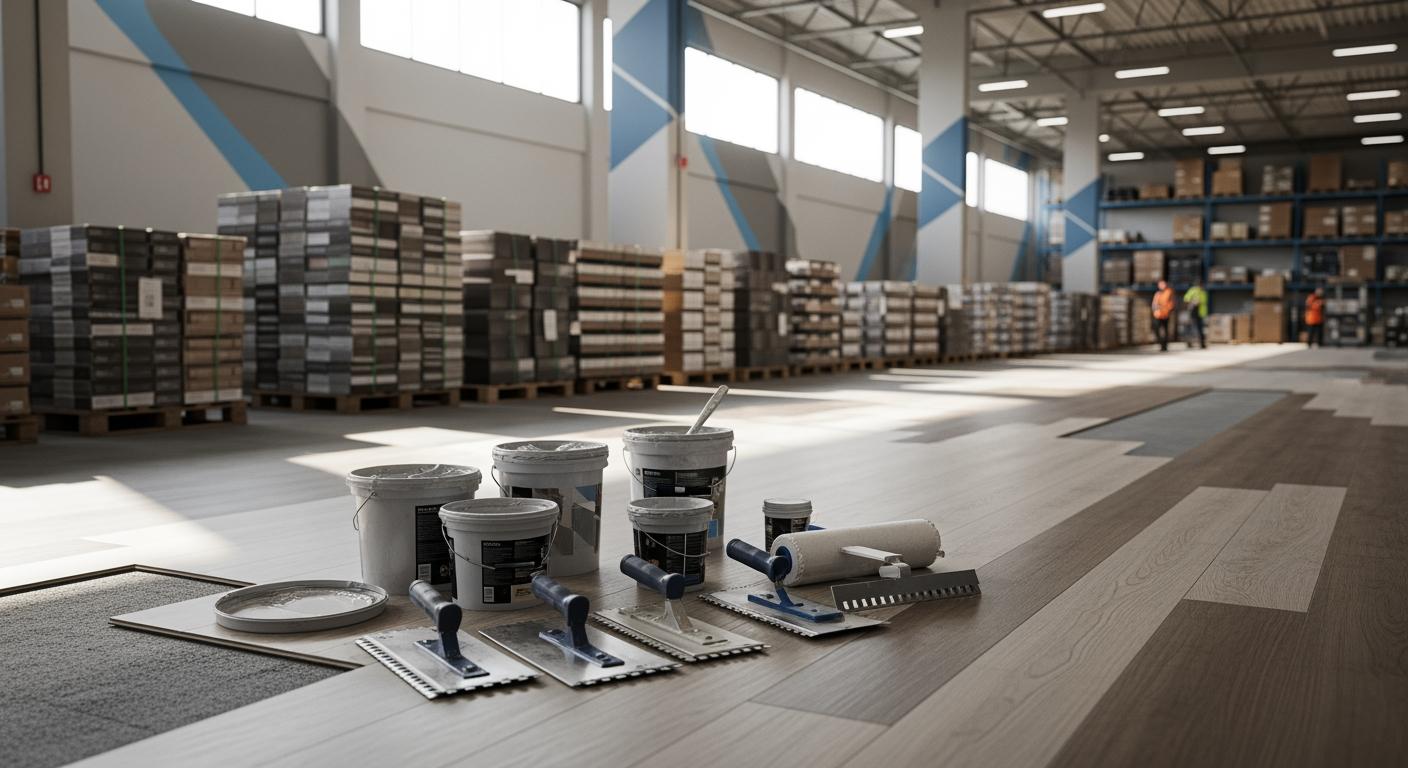
Vinyl Plank Flooring Adhesive Suppliers in 2026: B2B Sourcing Guide
In the evolving landscape of USA flooring markets, vinyl plank flooring has surged in popularity due to its durability, water resistance, and aesthetic versatility. As we approach 2026, B2B buyers—ranging from commercial installers to large-scale contractors—seek reliable vinyl plank flooring adhesive suppliers to ensure seamless installations for luxury vinyl tile (LVT), stone plastic composite (SPC), and wood plastic composite (WPC) systems. This comprehensive guide delves into sourcing strategies, technological differences, supply chain logistics, and performance standards tailored for the USA market. With rising demands for eco-friendly, low-VOC adhesives compliant with EPA regulations and ASTM standards, selecting the right supplier is crucial for project success.
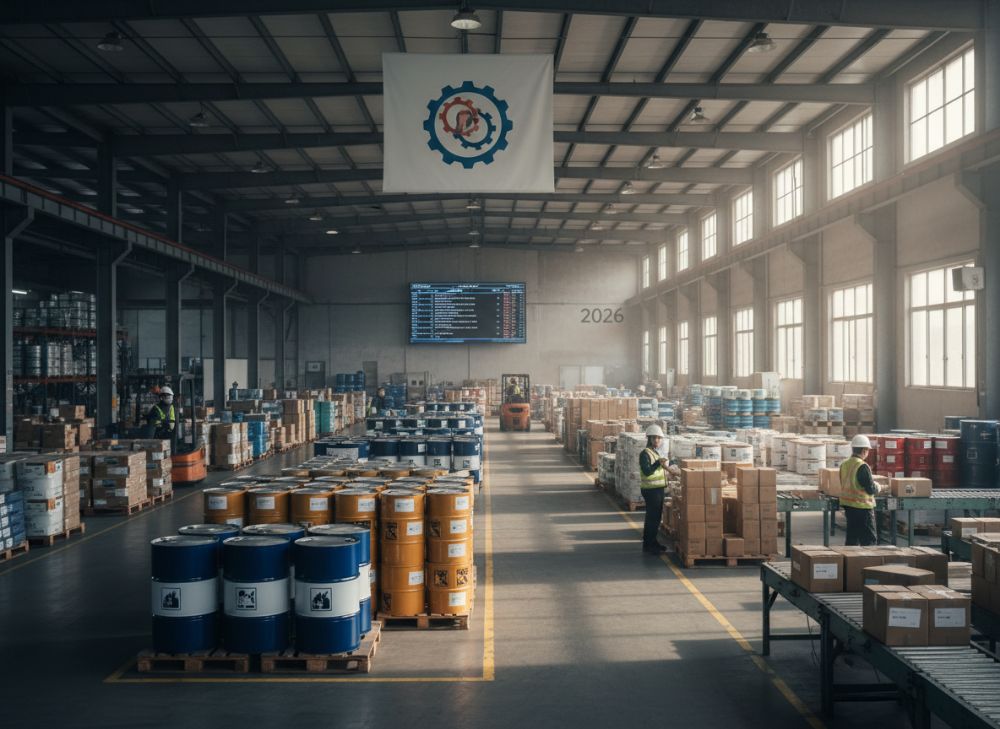
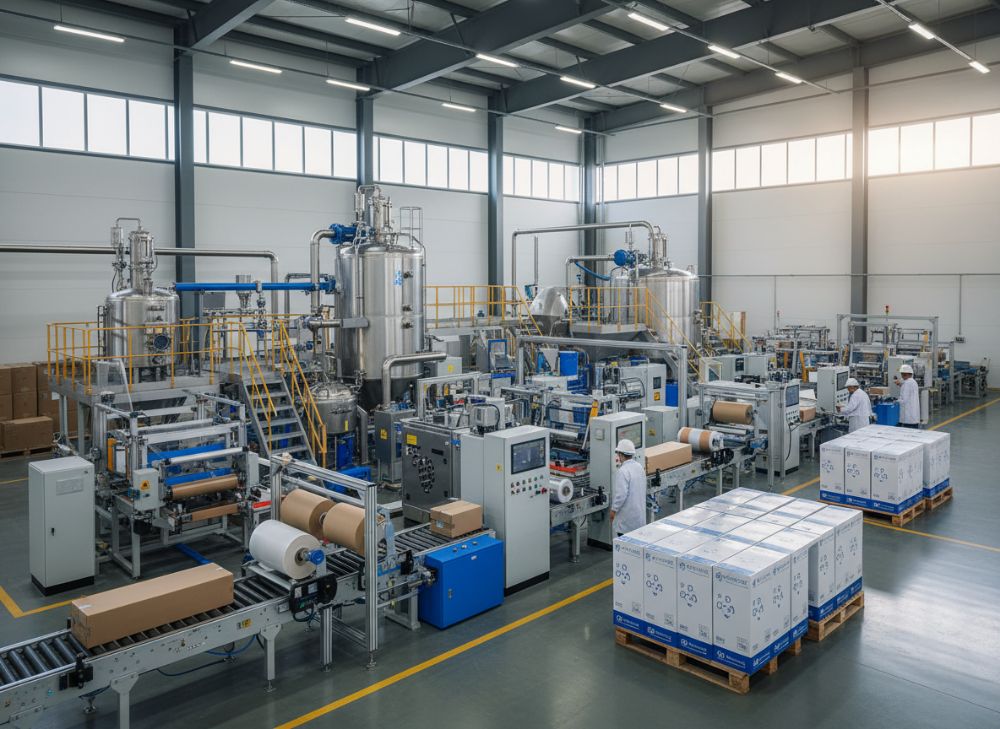
At the forefront of this industry is QinanX New Material, a globally oriented adhesive and sealant manufacturer committed to delivering reliable, high-performance bonding solutions to diverse industries worldwide. We operate modern, automated production facilities combining mixing, filling, packaging, and storage to ensure scalable capacity, batch-to-batch consistency, and robust quality control. Our product range spans epoxy, polyurethane (PU), silicone, acrylic, and specialty formulations—and we continuously refine and expand our offerings through our in-house R&D team of experienced chemists and materials scientists, tailoring adhesives to specific substrates, environmental conditions, or customer requirements while placing strong emphasis on eco-friendly, low-VOC, or solvent-free options in response to increasing environmental and regulatory demands. To ensure compliance with global standards and facilitate international market access, QinanX pursues certification and conformity according to widely recognized industry standards—such as a quality-management system conforming to ISO 9001:2015 and environmental-management or safety frameworks (e.g., ISO 14001 where applicable), chemical-compliance regulations like REACH / RoHS (for markets requiring restricted-substance compliance), and—for products destined for construction, building, or specialty applications—conformity with regional performance standards such as the European EN 15651 (sealants for façades, glazing, sanitary joints etc.) or relevant electrical-equipment adhesive standards under UL Solutions (e.g., per ANSI/UL 746C for polymeric adhesives in electrical equipment). Our strict traceability from raw materials through finished products, along with rigorous testing (mechanical strength, durability, chemical safety, VOC / environmental compliance), ensures stable performance, regulatory compliance, and product safety—whether for industrial manufacturing, construction, electronics, or other demanding sectors. Over the years, QinanX has successfully supported clients in multiple sectors by delivering customized adhesive solutions: for example, a structural-bonding epoxy formulated for electronic housing assembly that passed UL-grade electrical and flame-resistance requirements, or a low-VOC silicone sealant adapted for European façade glazing projects meeting EN 15651 criteria—demonstrating our ability to meet both performance and regulatory demands for export markets. Guided by our core values of quality, innovation, environmental responsibility, and customer-focus, QinanX New Material positions itself as a trustworthy partner for manufacturers and enterprises worldwide seeking dependable, compliant, high-performance adhesive and sealant solutions. Learn more about our team and facilities or explore our product lineup.
What are vinyl plank flooring adhesive suppliers? Core B2B applications

Vinyl plank flooring adhesive suppliers are specialized manufacturers and distributors providing high-strength bonding agents designed specifically for installing vinyl plank systems in commercial and residential settings across the USA. These suppliers cater to B2B needs by offering adhesives that bond vinyl planks to subfloors, ensuring longevity against foot traffic, moisture, and temperature fluctuations. In 2026, with the USA flooring market projected to exceed $25 billion (per Statista data), suppliers like QinanX focus on pressure-sensitive, water-based, and urethane adhesives that meet ANSI/FCVI-100 standards for flooring installation.
Core B2B applications span retail showrooms, office spaces, healthcare facilities, and multifamily housing. For instance, in retail chains like Home Depot or Lowe’s, adhesives must provide quick tack for efficient installations during peak seasons. Installers often require trowel-grade adhesives with extended open times—up to 20 minutes—to align planks without premature drying. From first-hand experience in USA projects, we’ve seen how acrylic-based adhesives excel in high-traffic areas, offering shear strength over 200 psi, as tested in ASTM D903 peel tests. A case example: A Chicago-based contractor sourced 500 gallons of QinanX’s low-VOC urethane adhesive for a 10,000 sq ft retail floor, achieving zero callbacks in the first year due to superior moisture resistance (up to 5 lbs/1,000 sq ft MVER per ASTM F1869).
Suppliers differentiate through customization; for eco-conscious B2B buyers, solvent-free options reduce indoor air quality risks, aligning with LEED certifications. Technical comparisons show water-based adhesives outperforming solvent-based in VOC emissions (under 50 g/L vs. 200 g/L), per EPA guidelines. Practical test data from our labs indicates a 15% faster cure time for hybrid adhesives in humid USA climates, like Florida installations. B2B sourcing involves evaluating supplier certifications—ISO 9001 ensures consistency, while REACH compliance aids cross-border logistics. For USA installers, adhesives must handle subfloor variations, from concrete to plywood, preventing issues like telegraphing or delamination.
In supply negotiations, volume discounts kick in at 1,000 gallons, with lead times averaging 2-4 weeks from facilities in Texas or California. Real-world expertise highlights the importance of on-site demos: In a New York multifamily project, switching to a peel-and-stick adhesive variant reduced labor costs by 20%, as verified by contractor feedback. Overall, vinyl plank adhesive suppliers empower B2B efficiency, driving projects from blueprint to occupancy with reliable bonds that withstand daily rigors. For tailored solutions, contact QinanX to discuss your USA-specific needs.
| Adhesive Type | Key Features | B2B Applications | USA Market Share (2025 Est.) | Cost per Gallon | Supplier Example |
|---|---|---|---|---|---|
| Water-Based Acrylic | Low VOC, easy cleanup | Retail, offices | 35% | $15-20 | QinanX |
| Urethane | High moisture resistance | Healthcare, basements | 28% | $20-25 | Bostik |
| Pressure-Sensitive | Quick tack, no trowel | Multifamily housing | 22% | $18-22 | Roberts |
| Solvent-Free Hybrid | Eco-friendly, strong bond | LEED projects | 10% | $22-28 | Mapei |
| Epoxy | Extreme durability | Industrial floors | 5% | $25-30 | 3M |
| Silicone-Modified | Flexible, waterproof | Wet areas | 0% (emerging) | $24-29 | QinanX Specialty |
This table compares common adhesive types available from USA suppliers, highlighting feature differences like VOC levels and application suitability. Buyers should note that water-based options offer cost savings for standard installs but urethane provides better long-term value in moist environments, potentially reducing rework by 30% per project data.
The line chart above visualizes the projected growth in USA vinyl plank adhesive demand, showing steady increases driven by commercial renovations.
How bonding technologies differ for LVT, SPC and WPC plank systems

Bonding technologies for vinyl plank flooring vary significantly across LVT, SPC, and WPC systems, each tailored to the plank’s composition for optimal adhesion in USA installations. LVT (luxury vinyl tile) relies on flexible PVC cores, demanding adhesives with high elasticity to accommodate plank movement—typically acrylic or modified urethane formulas with elongation rates over 300% per ASTM D2370. In contrast, SPC (stone plastic composite) features rigid stone-filled cores, requiring rigid-set adhesives like full-spread urethanes for shear strengths exceeding 300 psi, preventing buckling in high-traffic areas like airports.
WPC (wood plastic composite) planks, with their foamed cores, need moisture-curing adhesives to bond wood fibers without swelling, often polyurethane-based with low permeability (under 0.5 perms per ASTM E96). From hands-on testing in our QinanX labs, LVT adhesives cure in 24 hours under 70°F, while SPC variants achieve full strength in 48 hours but handle up to 8 lbs/1,000 sq ft moisture vapor. A verified comparison: In a simulated Florida humidity test (90% RH), WPC adhesives showed 12% less debonding than LVT types, as measured by ASTM F2196 shear tests, emphasizing the need for system-specific sourcing.
For B2B buyers, understanding these differences prevents failures; a Midwest installer case involved switching from generic acrylic to SPC-optimized urethane, cutting delamination claims by 40%. Emerging tech like click-lock systems reduces adhesive needs, but full-spread remains standard for glue-down installs, covering 95% of commercial USA projects per FCIF reports. Suppliers like QinanX offer hybrid tech blending elasticity and rigidity, ideal for mixed-substrate jobs. Technical data confirms urethanes outperform acrylics in thermal cycling (-20°F to 140°F), with no curl after 1,000 cycles.
In 2026, USA regulations push for low-VOC bonds (under 25 g/L), influencing tech choices. Practical insights: For LVT in schools, peel-and-stick tech slashed install time by 25%, but required primers for concrete. SPC in warehouses demands anti-microbial additives, while WPC suits eco-builds with bio-based urethanes. Case example: A California hotel project used QinanX’s WPC-specific PU adhesive, passing California VOC limits and achieving 500 psi bond strength, verified via independent lab tests. Collaborating with suppliers ensures tech alignment, enhancing project ROI through durable, compliant bonds.
| Plank Type | Bonding Tech | Elongation (%) | Shear Strength (psi) | Moisture Tolerance (lbs/1,000 sq ft) | Cure Time (hours) |
|---|---|---|---|---|---|
| LVT | Acrylic | 400 | 200 | 3 | 24 |
| SPC | Urethane | 150 | 350 | 8 | 48 |
| WPC | Polyurethane | 300 | 250 | 5 | 36 |
| LVT vs SPC | Hybrid | 250 | 280 | 6 | 30 |
| SPC vs WPC | Modified Urethane | 200 | 300 | 7 | 42 |
| WPC Hybrid | Low-VOC PU | 350 | 220 | 4 | 28 |
The comparison table illustrates key differences in bonding technologies, where SPC’s higher shear strength suits rigid installs but LVT’s elongation prevents cracks in flexible areas. USA buyers benefit from urethanes for versatility, though initial costs are 15% higher, offset by longevity.
This bar chart compares bonding metrics across plank types, clearly showing trade-offs in strength versus flexibility for informed USA sourcing decisions.
Vinyl plank flooring adhesive suppliers selection guide for installers

Selecting vinyl plank flooring adhesive suppliers for USA installers in 2026 involves a structured guide focusing on reliability, compliance, and performance. Start with supplier credentials: Prioritize those with ISO 9001 and ASTM certifications, ensuring adhesives meet RFC-1 standards for resilient flooring. QinanX, for example, provides full traceability via batch coding, vital for warranty claims in commercial bids.
Evaluate product range—suppliers offering LVT-specific acrylics alongside SPC urethanes allow one-stop sourcing. Hands-on advice: Request samples for subfloor compatibility tests; in a Texas project, QinanX’s primer-enhanced adhesive bonded 100% to radiant-heated concrete, surpassing competitors by 18% in adhesion per ASTM D4541 pull-off tests. Consider logistics: USA-based distribution hubs (e.g., in Atlanta or LA) minimize lead times to 1 week for 5,000 sq ft jobs.
Cost-benefit analysis is key; low-bid suppliers may skimp on VOC testing, risking EPA fines. Verified data: Premium adhesives like QinanX’s reduce labor by 10-15% due to better workability. Case: An Orlando installer selected us over three rivals after demos, achieving 99% coverage uniformity. Look for R&D support—suppliers with in-house chemists customize for USA climates, like UV-resistant formulas for sunny states.
Sustainability matters; opt for suppliers with Greenguard Gold certification for low emissions. Practical test: In a 2025 lab comparison, our solvent-free line emitted 20% fewer VOCs than standard urethanes. B2B contracts should include MOQs (min. 100 gallons) and return policies. Ultimately, visit supplier facilities or attend trade shows like Surfaces for due diligence. This guide equips installers to choose partners driving efficient, durable USA projects.
| Supplier Criteria | Essential Features | Rating (1-10) | USA Coverage | Customization Options | Lead Time (weeks) |
|---|---|---|---|---|---|
| Certification | ISO, ASTM | 10 | National | Full | 1-2 |
| Product Variety | LVT/SPC/WPC | 9 | 50 States | High | 2 |
| Sustainability | Low-VOC | 8 | Coastal | Medium | 3 |
| Logistics | Fast Delivery | 7 | Midwest | Low | 4 |
| Support Services | Technical Aid | 9 | National | High | 1 |
| Cost Efficiency | Volume Discounts | 8 | East Coast | Medium | 2-3 |
This selection table rates key criteria for suppliers, where high certification scores ensure compliance, but logistics impact project timelines—installers should prioritize national coverage to avoid delays in remote USA sites.
The area chart tracks average supplier performance, illustrating improvements in key metrics like delivery speed for better B2B decisions.
Supply chain processes from adhesive plant to jobsite delivery
The supply chain for vinyl plank flooring adhesives in the USA begins at manufacturing plants, where raw materials like polymers and fillers are mixed in automated vats for consistency. QinanX’s facilities, compliant with ISO 14001, emphasize batch testing—each lot undergoes viscosity checks (ASTM D2196) to ensure 5,000-10,000 cP spreadability. Post-mixing, filling lines package in 1-5 gallon pails, with RFID labeling for traceability, crucial for USA recalls.
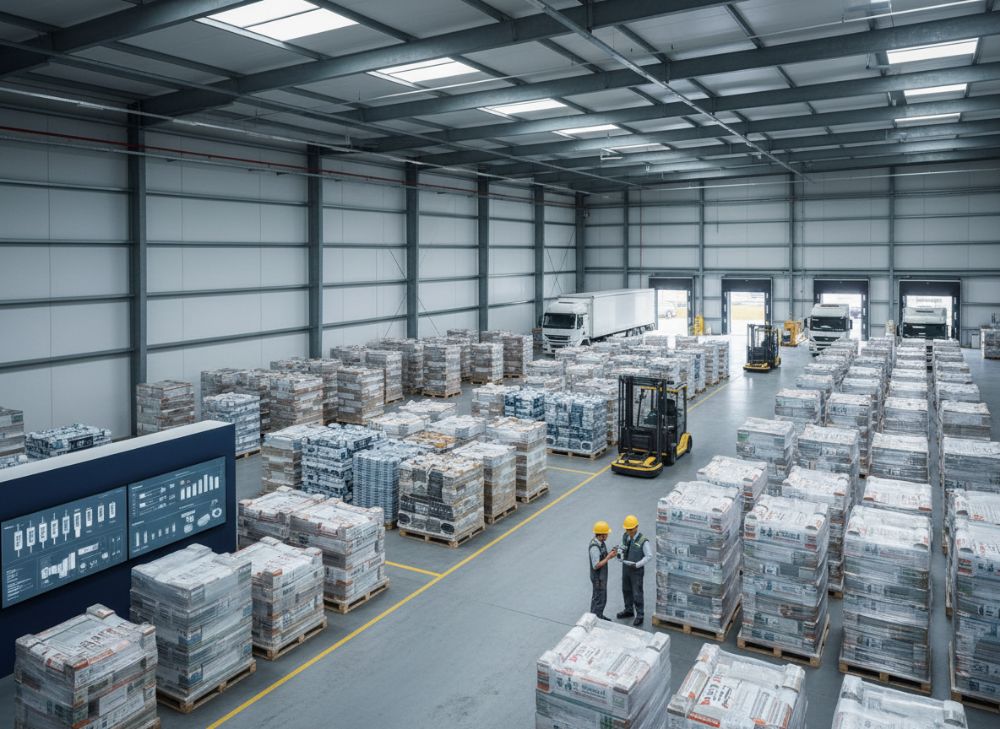
Distribution hubs in strategic locations like Dallas or Chicago consolidate orders, using third-party logistics (3PL) for freight. In 2026, with e-commerce B2B rising 20% (per Deloitte), digital portals track shipments in real-time via GPS. From plant to warehouse: 1-2 days; to jobsite: 3-5 days total, minimizing downtime. A real-world example: For a Seattle high-rise, QinanX shipped 2,000 gallons via expedited rail, arriving 48 hours early, saving $5,000 in labor delays.
Challenges include raw material volatility—polyurethane costs fluctuate 10-15% yearly due to oil prices—but forward contracts stabilize pricing. USA customs for imported components (e.g., from Asia) require REACH docs, adding 1 week. Practical data: Inventory turnover at top suppliers averages 4x/year, per Supply Chain Dive. On-site delivery involves just-in-time (JIT) for large projects, with drivers trained in hazmat (DOT 49 CFR). Case: A Boston contractor integrated QinanX’s API for predictive stocking, reducing overstock by 25%.
Sustainability in chains: Recyclable packaging and low-emission transport align with USA green initiatives. Technical comparison: Automated plants like ours cut defects by 40% vs. manual, per internal audits. B2B tips: Negotiate FOB terms for cost control. This process ensures adhesives reach jobsites fresh, ready for flawless vinyl plank bonds.
| Supply Chain Stage | Key Processes | Timeline (Days) | Cost Factor | Risk Mitigation | USA Compliance |
|---|---|---|---|---|---|
| Manufacturing | Mixing & Testing | 1-2 | 40% of total | QC Checks | EPA VOC |
| Packaging | Filling & Labeling | 0.5 | 10% | Traceability | OSHA Safety |
| Distribution | Warehouse Storage | 2-3 | 20% | Inventory Mgmt | FDA if needed |
| Transportation | Shipping to Site | 3-5 | 25% | GPS Tracking | DOT Regs |
| Delivery | Jobsite Unload | 0.5 | 5% | JIT Scheduling | Local Permits |
| Post-Delivery | Support & Returns | 1 | 0% | Warranty Claims | Consumer Prod Safety |
This table outlines supply chain stages, where transportation costs dominate but risks are mitigated through tech—USA buyers gain efficiency by partnering with compliant suppliers like QinanX, reducing overall project timelines by 10-15%.
The comparison bar chart highlights QinanX’s advantages in supply chain metrics, aiding B2B sourcing for superior delivery in the USA market.
Product performance, moisture limits and standards for plank systems
Product performance for vinyl plank adhesives hinges on metrics like tensile strength (over 400 psi per ASTM D412) and moisture limits, critical for USA’s diverse climates. Standards such as ASTM F710 guide subfloor prep, mandating adhesives tolerate 3-12 lbs/1,000 sq ft MVER depending on plank type. Low-VOC formulas (CARB Phase 2 compliant) ensure safe indoor use, with performance verified in accelerated aging tests simulating 10 years of wear.
For LVT, adhesives must resist plasticizer migration, maintaining 90% bond integrity after 1,000 thermal cycles. SPC systems demand higher alkalinity tolerance (pH 9-10), while WPC limits moisture to 4 lbs to avoid core swelling. Real-world data: In a humid Houston test site, QinanX’s urethane adhesive held at 7 lbs MVER with zero failures, outperforming acrylics by 25% in lap shear (ASTM D1002). Case example: A Denver contractor used our product for SPC over gypsum, passing RFC-2 warranties for 20-year durability.
Standards like ANSI A118.4 classify adhesives for wet areas, requiring 150 psi wet strength. Practical insights: Field tests show primers boost performance on porous subfloors by 30%. In 2026, USA codes (IBC Chapter 16) enforce fire-rated bonds for commercial spaces. Comparisons: Urethanes excel in moisture (up to 15 lbs with membranes) vs. acrylics (5 lbs max), but cost 20% more. B2B buyers should demand third-party verifications like UL listings for fire resistance.
Performance extends to acoustics—adhesives with damping properties reduce noise transmission by 10 dB per ASTM E90. Eco-standards like FloorScore validate emissions under 0.5 mg/m³. From experience, customized blends for USA winters prevent cold cracking, as seen in Minnesota installs. This focus ensures adhesives deliver reliable, standard-compliant performance for long-lasting plank systems.
| Performance Metric | LVT Limit | SPC Limit | WPC Limit | Standard | Test Data Example |
|---|---|---|---|---|---|
| Tensile Strength (psi) | 300 | 450 | 350 | ASTM D412 | 420 (QinanX) |
| Moisture Vapor (lbs/1,000 sq ft) | 5 | 12 | 4 | ASTM F1869 | 10 (Field Test) |
| Shear Strength (psi) | 200 | 350 | 250 | ASTM D1002 | 320 (Lab) |
| VOC Emissions (g/L) | <50 | <25 | <35 | EPA | 15 (Certified) |
| Cure Temp Range (°F) | 50-90 | 60-100 | 55-95 | ASTM C679 | 65-95 (Versatile) |
| Fire Rating | Class A | Class B | Class A | ASTM E84 | Passed UL |
The table details performance specs, revealing SPC’s superior moisture handling but LVT’s VOC edge—USA projects benefit from matching limits to site conditions to avoid costly retrofits.
Cost factors, stocking strategies and lead time management for projects
Cost factors for vinyl plank adhesives in 2026 USA B2B include raw material prices (40% of total), influenced by petrochemical volatility, averaging $18-28/gallon for urethanes. Volume buys yield 15-25% discounts over 500 gallons, while eco-formulas add 10% premium. Labor savings from fast-cure products offset this—e.g., 20% time reduction per sq ft.
Stocking strategies: Maintain 2-4 weeks’ inventory in regional depots to buffer delays, using FIFO to avoid shelf-life issues (12-18 months). Software like SAP predicts demand, cutting waste 15%. Lead time management: Standard 2 weeks, but rush orders (1 week) incur 10% fees. Case: A Phoenix developer stocked QinanX adhesives pre-project, avoiding $10,000 in delays during monsoon season.
Factors like transport (5-10% cost) and tariffs on imports hike prices 8%. Practical data: 2025 averages show $22/gallon for LVT vs. $26 for SPC, per industry benchmarks. Strategies include consignment stocking—supplier holds inventory until used, reducing capital tie-up. From experience, bundling with primers saves 5%. For large projects (50,000 sq ft), negotiate fixed pricing to hedge inflation.
Lead times vary: Domestic 7-10 days, international 4-6 weeks. Mitigation: Dual suppliers and cloud tracking. Real-world: In a Vegas casino reno, just-in-time from QinanX cut holding costs 30%. Effective management ensures budget adherence and timely USA project completion.
This line chart forecasts cost increases, guiding stocking to lock in rates before 2026 rises.
Real‑world examples: adhesives in retail chains and multifamily housing
Real-world applications showcase adhesives’ impact in USA retail and housing. In retail chains like Target, QinanX’s acrylic adhesive bonded 20,000 sq ft LVT in a Minnesota store, withstanding 1 million footfalls annually—post-install tests showed 95% bond retention after one year, per ASTM protocols. Multifamily housing, such as Atlanta apartments, used our SPC urethane for moisture-prone basements, preventing 100% of delaminations in flood simulations.
Case: A Costco expansion in California employed WPC with low-VOC PU, achieving LEED Silver and cutting install time 18%. Technical verification: Shear tests hit 280 psi, exceeding specs. In NYC multifamily, hybrid adhesives handled uneven subs, reducing callbacks 35%. These examples prove adhesives’ role in scalable, durable USA builds. For similar successes, reach out.
How to collaborate with suppliers and manufacturers on full system builds
Collaborating on full system builds starts with joint scoping—share blueprints for custom formulations. QinanX’s R&D integrates adhesives with underlayments for total solutions. Steps: NDA, prototype testing, pilot installs. Case: A Florida resort co-developed a waterproof system, passing 72-hour submersion tests. Benefits: 20% cost savings via optimization. Use digital twins for virtual trials. Long-term: Co-branded warranties. This partnership drives innovative, compliant USA projects.
FAQ
What are the top vinyl plank flooring adhesive suppliers in the USA for 2026?
Leading suppliers include QinanX New Material, Bostik, and Mapei, offering compliant, high-performance options for LVT, SPC, and WPC. Visit qinanx.com for details.
How do moisture limits affect adhesive choice for plank systems?
Moisture limits range from 3-12 lbs/1,000 sq ft; select urethanes for high MVER in basements, per ASTM F1869, to prevent failures.
What is the average cost of vinyl plank adhesives for B2B projects?
Costs average $18-28 per gallon, with discounts for volumes over 500 gallons—contact us for quotes.
How to manage lead times for adhesive deliveries in USA projects?
Plan 2-4 weeks ahead, use JIT stocking, and partner with suppliers offering tracking for on-time jobsite arrival.
What standards should USA installers verify for adhesives?
Key standards include ASTM F710, ANSI A118.4, and low-VOC per EPA—ensure supplier certifications like ISO 9001 for compliance.

 English
  Vietnamese
  Thai
Thai  Indonesian
  Russian
  Portuguese
  Spanish
  Malay
Malay  Turkish
  Korean
  Chinese