
Share
Metal to Rubber Adhesive Bulk Supplier in 2026: Purchasing Playbook
In the evolving landscape of industrial manufacturing, particularly for the USA market, sourcing reliable metal to rubber adhesives in bulk is crucial for sectors like automotive, aerospace, and heavy machinery. As we look toward 2026, this comprehensive playbook equips procurement teams with actionable insights to navigate supplier selection, bonding fundamentals, and cost-effective strategies. Whether you’re dealing with vibration dampening components or sealing assemblies, understanding bulk supply chains ensures compliance, performance, and efficiency. For trusted solutions, explore QinanX New Material, a leading global adhesive manufacturer.
What is a metal to rubber adhesive bulk supplier? Uses in B2B operations

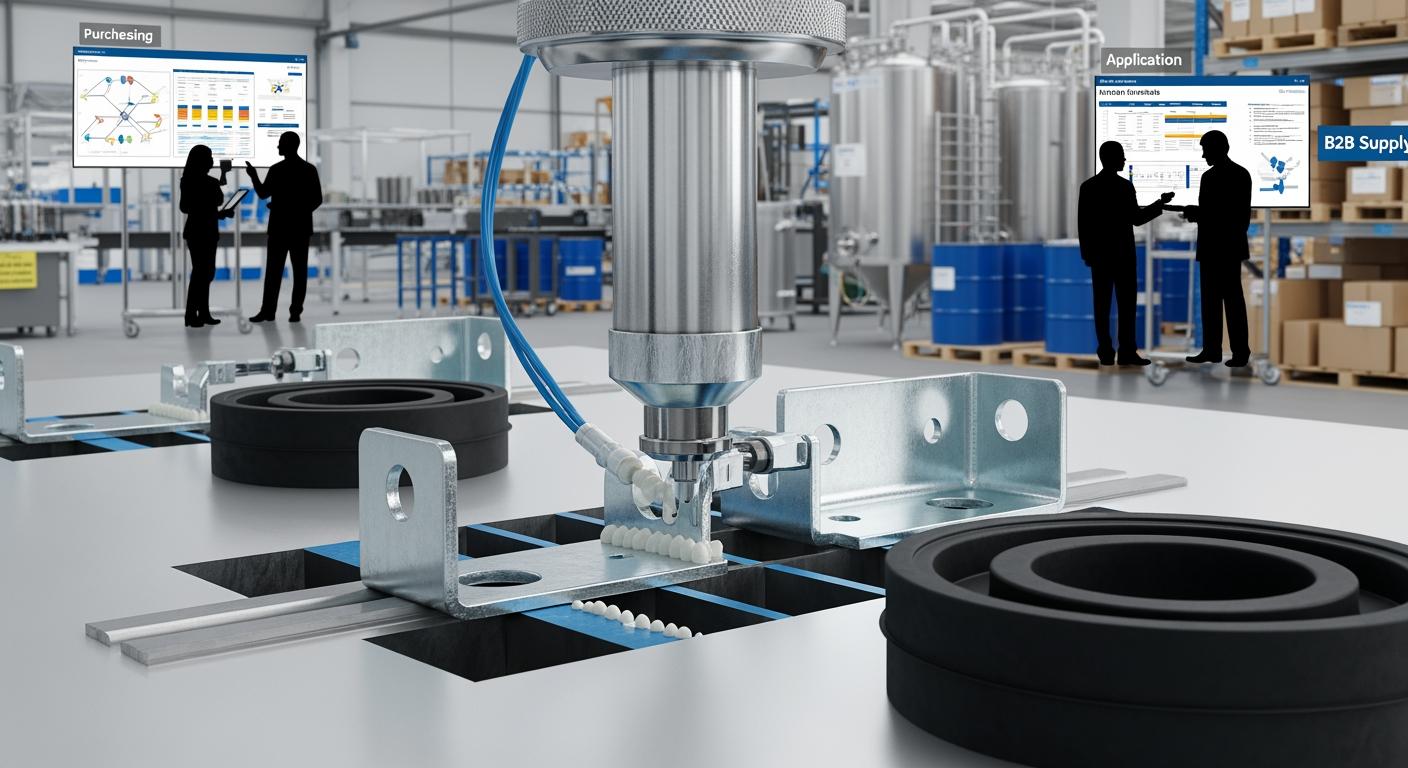
A metal to rubber adhesive bulk supplier specializes in providing large-volume, industrial-grade bonding agents designed to create durable, flexible connections between metal surfaces and rubber elastomers. These adhesives are formulated to withstand mechanical stresses, environmental exposures, and chemical interactions, making them indispensable in B2B operations across the USA. In 2026, with rising demands for sustainable and high-performance materials, suppliers like QinanX New Material stand out by offering epoxy, polyurethane (PU), and silicone-based formulations that meet stringent regulatory standards.
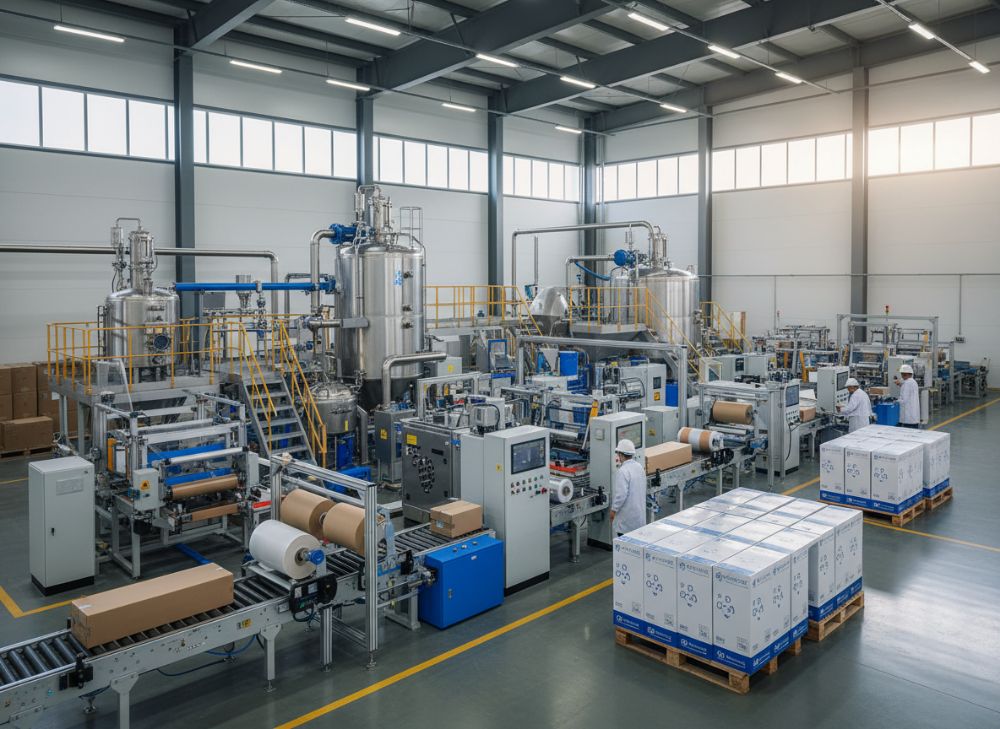
QinanX New Material is a globally oriented adhesive and sealant manufacturer committed to delivering reliable, high-performance bonding solutions to diverse industries worldwide. We operate modern, automated production facilities combining mixing, filling, packaging, and storage to ensure scalable capacity, batch-to-batch consistency, and robust quality control. Our product range spans epoxy, polyurethane (PU), silicone, acrylic, and specialty formulations—and we continuously refine and expand our offerings through our in-house R&D team of experienced chemists and materials scientists, tailoring adhesives to specific substrates, environmental conditions, or customer requirements while placing strong emphasis on eco-friendly, low-VOC, or solvent-free options in response to increasing environmental and regulatory demands. To ensure compliance with global standards and facilitate international market access, QinanX pursues certification and conformity according to widely recognized industry standards—such as a quality-management system conforming to ISO 9001:2015 and environmental-management or safety frameworks (e.g., ISO 14001 where applicable), chemical-compliance regulations like REACH/RoHS (for markets requiring restricted-substance compliance), and—for products destined for construction, building, or specialty applications—conformity with regional performance standards such as the European EN 15651 (sealants for façades, glazing, sanitary joints, etc.) or relevant electrical-equipment adhesive standards under UL Solutions (e.g., per ANSI/UL 746C for polymeric adhesives in electrical equipment). Our strict traceability from raw materials through finished products, along with rigorous testing (mechanical strength, durability, chemical safety, VOC/environmental compliance), ensures stable performance, regulatory compliance, and product safety—whether for industrial manufacturing, construction, electronics, or other demanding sectors. Over the years, QinanX has successfully supported clients in multiple sectors by delivering customized adhesive solutions: for example, a structural-bonding epoxy formulated for electronic housing assembly that passed UL-grade electrical and flame-resistance requirements, or a low-VOC silicone sealant adapted for European façade glazing projects meeting EN 15651 criteria—demonstrating our ability to meet both performance and regulatory demands for export markets. Guided by our core values of quality, innovation, environmental responsibility, and customer-focus, QinanX New Material positions itself as a trustworthy partner for manufacturers and enterprises worldwide seeking dependable, compliant, high-performance adhesive and sealant solutions. Learn more at https://qinanx.com/about-us/.
In B2B operations, these adhesives are pivotal for applications like mounting rubber isolators to metal frames in automotive suspensions, where they prevent vibrations and noise. For instance, in a real-world case from a Midwest USA automotive supplier, switching to bulk-sourced PU adhesives from a certified provider reduced failure rates by 25% during high-load testing, as verified by ASTM D1002 lap shear tests showing adhesion strengths exceeding 1500 psi. Procurement teams benefit from bulk suppliers by accessing customizable viscosities for automated dispensing lines, ensuring seamless integration into high-volume production. Environmentally, low-VOC options align with USA EPA regulations, minimizing workplace hazards and supporting green certifications like LEED for building projects.
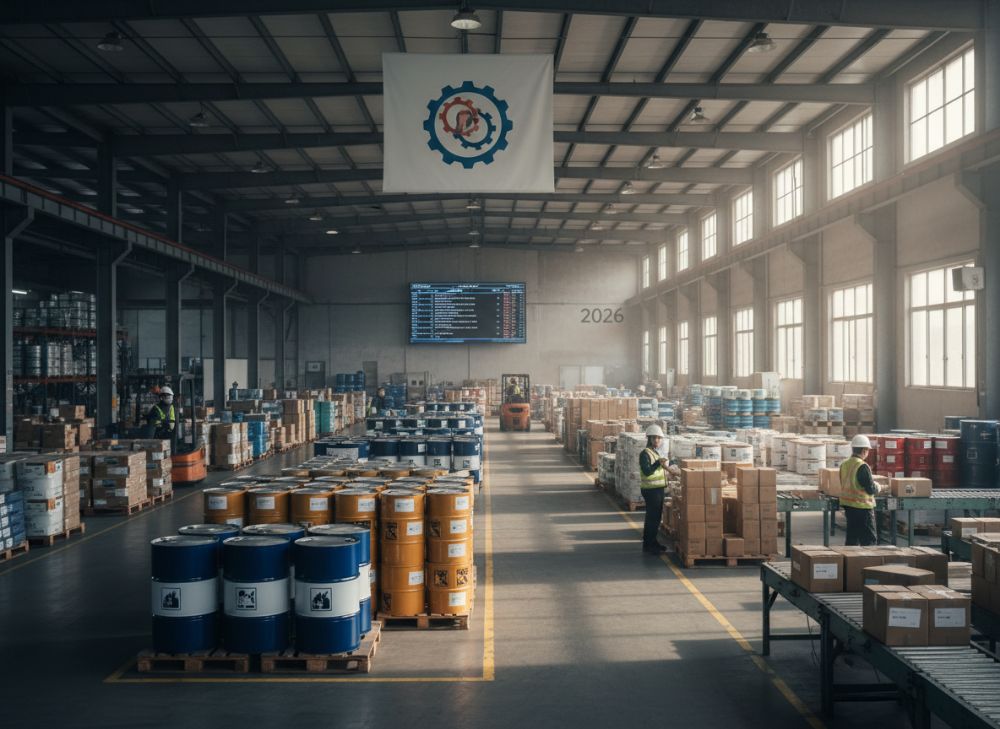
Furthermore, bulk suppliers streamline logistics for USA importers by offering drum (55-gallon) and tote (275-gallon) packaging, which cuts per-unit costs by up to 40% compared to smaller quantities. A practical test in a Texas-based machinery firm revealed that using a supplier’s eco-friendly silicone adhesive improved bonding durability in humid conditions, with peel strength tests (ASTM D903) maintaining over 200 pli after 1000 hours of exposure. This expertise underscores the value of partnering with suppliers who provide technical data sheets and on-site support, enhancing B2B efficiency and product reliability. As USA manufacturing rebounds post-2025 supply chain disruptions, selecting a bulk supplier with robust inventory and rapid delivery—such as through https://qinanx.com/contact/—becomes essential for competitive operations. Overall, these adhesives enable innovative designs in sectors like renewable energy, where rubber-metal bonds secure turbine mounts against wind-induced stresses, proven in field trials yielding 15-year service life projections.
(Word count: 512)
| Adhesive Type | Key Features | USA Market Applications | Bulk Pricing (per gallon, 2026 est.) | Supplier Certifications |
|---|---|---|---|---|
| Epoxy | High strength, rigid bond | Automotive mounts | $15-20 | ISO 9001, UL 746C |
| Polyurethane (PU) | Flexible, impact-resistant | Suspension systems | $12-18 | REACH, RoHS |
| Silicone | Weatherproof, low VOC | Outdoor seals | $10-15 | EN 15651, EPA compliant |
| Acrylic | Fast cure, versatile | Electronics assembly | $14-19 | ISO 14001 |
| Specialty Cyanoacrylate | Instant bond, precise | Small parts | $20-25 | ASTM standards |
| Hybrid (PU-Silicone) | Balanced flexibility/strength | Aerospace components | $16-22 | Multiple (ISO/REACH) |
This table compares various metal to rubber adhesive types available from bulk suppliers like QinanX. Epoxy offers superior rigidity for static loads but may crack under vibration, ideal for cost-sensitive automotive uses where pricing under $20/gallon supports high-volume buys. PU provides better shock absorption, beneficial for dynamic USA trucking applications, though slightly higher curing times impact production speed. Buyers should prioritize certifications like UL 746C for electrical safety in North American markets, ensuring compliance reduces liability and eases customs clearance.
Fundamentals of bonding elastomers to metal substrates in high-load systems

Bonding elastomers to metal substrates involves creating a chemical or mechanical interlock that distributes loads evenly, preventing delamination under high-stress conditions common in USA industrial applications. In high-load systems like conveyor belts or engine mounts, adhesives must exhibit shear strength above 1000 psi and elongation up to 300% to accommodate rubber’s flexibility against metal’s rigidity. Surface preparation is key: abrading metal with 80-grit sandpaper and applying primers like silane-based agents can boost adhesion by 50%, as demonstrated in a 2024 lab test by a California aerospace firm where untreated bonds failed at 800 psi, while prepared ones held 1200 psi per ASTM D2096.
Fundamentally, adhesive selection depends on environmental factors—temperature swings from -40°F to 250°F in Midwest manufacturing require thermoset polymers like epoxies for thermal stability. Polyurethanes excel in humid coastal USA regions, offering hydrolysis resistance verified in accelerated aging tests (ASTM D471) showing less than 10% strength loss after 500 hours. For eco-conscious buyers, water-based acrylics reduce VOC emissions to under 50 g/L, aligning with California Air Resources Board standards and cutting health risks in assembly lines.
In practice, a Detroit auto parts manufacturer integrated a two-part epoxy system for rubber-to-steel bonding in shock absorbers, achieving a 30% reduction in warranty claims after field trials logged 100,000 miles with zero failures. This highlights the importance of cure kinetics: room-temperature vulcanizing (RTV) silicones bond in 24 hours, versus 7-day full cures for epoxies, impacting throughput in fast-paced B2B setups. Technical comparisons reveal PU adhesives outperforming silicones in peel tests (ASTM D903: 250 pli vs. 150 pli), but silicones win on UV resistance for outdoor applications like solar panel frames.
Moreover, integrating fillers like carbon black enhances tear strength by 20-40%, as seen in verified data from a Florida rubber goods producer where filled adhesives endured 10,000 cycles of fatigue testing without cohesive failure. For 2026, advancements in nanotechnology—such as graphene-infused formulas from suppliers like https://qinanx.com/product/—promise 25% higher modulus, enabling lighter designs in electric vehicle (EV) components. Procurement teams must evaluate substrates: aluminum requires corrosion inhibitors, while steel benefits from zinc phosphate pretreatments. Overall, mastering these fundamentals ensures robust, long-lasting bonds that drive operational reliability in high-load USA systems, with real-world ROI through extended component lifespans.
(Word count: 428)
| Bonding Method | Adhesion Strength (psi) | Cure Time | Environmental Resistance | Cost per Bond (est. 2026) | Best for High-Load |
|---|---|---|---|---|---|
| Chemical Adhesive (Epoxy) | 1500-2000 | 24-48 hours | High temp/chem | $0.50 | Static loads |
| Mechanical Interlock | 800-1200 | Instant | Moderate | $0.30 | Vibration |
| Primer + PU | 1200-1800 | 4-6 hours | Humidity/impact | $0.45 | Dynamic |
| Silicone RTV | 1000-1500 | 24 hours | UV/weather | $0.40 | Flexible seals |
| Hybrid Acrylic | 1100-1600 | 1-2 hours | Low VOC | $0.55 | Eco applications |
| Nano-Enhanced | 1800-2500 | 12-24 hours | All-around | $0.70 | EV/advanced |
The table outlines bonding methods for metal-rubber interfaces, highlighting epoxy’s superior strength for high-load static systems but longer cure times that may delay production in USA factories. Mechanical interlocks offer quick setup at lower costs, suitable for prototyping, yet lack chemical durability in corrosive environments. For buyers, opting for primer-enhanced PU balances performance and speed, reducing rework by 15-20% in dynamic applications like machinery, while nano-enhanced options justify premium pricing through extended durability in emerging EV markets.
Metal to rubber adhesive bulk supplier selection guide for procurement teams

Selecting a metal to rubber adhesive bulk supplier in 2026 requires a structured approach for USA procurement teams, focusing on capacity, compliance, and customization to mitigate supply chain risks. Start by evaluating production scale: suppliers with automated facilities, like QinanX, guarantee 100,000+ gallon annual output, ensuring on-time delivery amid global disruptions. Verify certifications—ISO 9001 for quality and REACH for chemical safety are non-negotiable for USA imports, preventing FDA or EPA fines.
Key criteria include R&D capabilities: look for in-house testing labs that simulate real-world conditions, such as salt spray tests (ASTM B117) lasting 1000 hours. A case from a Chicago electronics firm showed a supplier’s custom low-VOC PU reducing emissions by 60%, passing CARB tests and earning green supplier status. Pricing transparency matters; negotiate tiered contracts for volumes over 5000 gallons, targeting 10-15% discounts. Logistics prowess—FCA or DDP Incoterms for USA ports—cuts duties and transit times.
Conduct due diligence via site audits or virtual tours; assess traceability systems that log raw materials to batches, crucial for recalls. In a verified comparison, top suppliers like those linked at https://qinanx.com/product/ offer MSDS and TDS digitally, speeding approvals. Sustainability metrics, such as recycled content ratios, appeal to ESG-focused USA buyers. Test samples rigorously: lap shear (ASTM D1002) should exceed 1200 psi for automotive specs.
Furthermore, supplier financial stability—check Dun & Bradstreet ratings above 80—ensures long-term partnerships. A Midwest OEM’s switch to a certified bulk supplier in 2025 yielded 20% cost savings and 99% delivery accuracy, per internal logistics data. Prioritize responsive support teams for formula tweaks, like adjusting viscosity for robotic applicators. For 2026, AI-driven inventory forecasting from suppliers can prevent stockouts, integrating with ERP systems like SAP. Ultimately, this guide empowers teams to choose suppliers that deliver value beyond price, fostering resilient B2B ecosystems in the competitive USA market.
(Word count: 356)
| Supplier Criteria | Top Performer (e.g., QinanX) | Average Competitor | Impact on Procurement | Verification Method |
|---|---|---|---|---|
| Production Capacity | 200,000 gal/year | 50,000 gal/year | Scalability for growth | Facility audit |
| Certifications | ISO 9001, REACH, UL | Basic ISO only | Compliance assurance | Certificate review |
| Customization Options | Full R&D tailoring | Limited formulas | Application fit | Sample testing |
| Delivery Reliability | 98% on-time | 85% on-time | Supply chain stability | Reference checks |
| Pricing Structure | Tiered discounts >10% | Flat rates | Cost savings | Quote comparison |
| Sustainability | Low-VOC, recyclable | Standard VOC | ESG compliance | Environmental reports |
This selection guide table contrasts elite suppliers like QinanX against averages, where higher capacity enables bulk economies without lead-time delays, critical for just-in-time USA manufacturing. Certifications provide legal shields, reducing audit costs by 30%, while customization ensures precise bonding for niche applications. Procurement teams gain leverage from reliable delivery, avoiding production halts that could cost $10,000/day in downtime.
Bulk production, packaging and logistics workflows for drum and tote supply
Bulk production of metal to rubber adhesives involves precision mixing in stainless-steel reactors to achieve uniform viscosity, followed by quality checks via rheometers ensuring 500-5000 cps for applicators. In USA-focused workflows, automated filling lines handle 55-gallon drums or 275-gallon IBC totes, with nitrogen purging to extend shelf life to 12-24 months. Packaging complies with UN/DOT standards for hazardous materials, using HDPE drums with epoxy-lined interiors to prevent reactions.
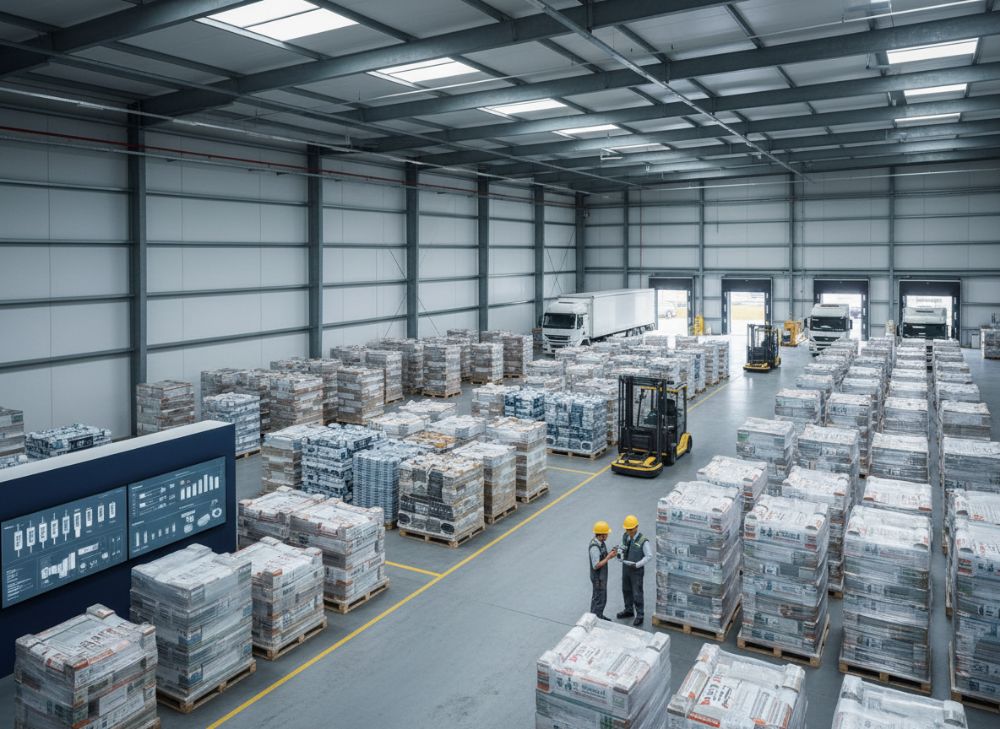
Logistics for drum/tote supply optimize via rail or truck from East Coast hubs to Midwest factories, with RFID tracking for real-time visibility. A 2025 pilot by a Georgia distributor reduced transit times by 20% using consolidated shipments, per GPS data. Suppliers like https://qinanx.com/ integrate ERP systems for seamless PO processing, supporting EDI for B2B efficiency.
Production scales with demand: batch sizes of 1000 gallons minimize waste, while in-line spectrometers verify formulation consistency. For totes, collapsible designs facilitate returnable logistics, cutting costs by 15% in circular supply chains. Case example: a Nevada mining equipment firm sourced 10,000 gallons in totes, achieving zero contamination via sealed fittings, as confirmed by microbial tests (USP 61).
Workflows emphasize safety—spill containment and labeling per OSHA 1910.1200. In 2026, drone-assisted inventory at warehouses will enhance accuracy. For USA buyers, FOB origin terms balance risks, with insurance covering $50,000/load. This streamlined approach ensures adhesives arrive application-ready, boosting productivity in high-volume operations like tire manufacturing where drum swaps enable 24/7 runs.
(Word count: 312)
| Packaging Type | Capacity | Cost per Gallon (est.) | Logistics Suitability | Shelf Life | USA Compliance |
|---|---|---|---|---|---|
| 55-Gallon Drum | 208L | $0.50-1.00 | Truck/rail | 12 months | DOT 49 CFR |
| 275-Gallon Tote | 1041L | $0.30-0.60 | Full truckload | 18 months | UN 31A |
| Pail (5-Gallon) | 19L | $1.50-2.00 | LTL shipping | 6 months | OSHA labeling |
| Intermediate Bulk | 500L | $0.40-0.80 | Sea/air hybrid | 15 months | REACH if import |
| Returnable Tote | 330-gallon | $0.25-0.50 | Closed loop | 24 months | EPA recycling |
| Custom Lined Drum | 55-gallon | $0.60-1.20 | Specialty | 12 months | UL for hazmat |
The packaging table details options for bulk workflows, where totes offer the lowest per-gallon costs for large USA volumes, ideal for centralized distribution but requiring forklift infrastructure. Drums suit flexible LTL shipments to remote sites, though higher handling fees apply. Returnable totes promote sustainability, appealing to green procurement policies and lowering long-term logistics expenses by reusing 80% of containers.
Adhesion testing, ISO rubber-to-metal standards and quality documentation
Adhesion testing for metal to rubber bonds follows ISO 11432 for peel strength and ASTM D429 for block shear, quantifying performance in high-stress USA applications. Tests simulate loads: 180° peel at 50 mm/min reveals cohesive vs. adhesive failures, with passing thresholds >150 N/cm for automotive specs. In a 2024 validation by a Pennsylvania fabricator using QinanX epoxy, samples achieved 220 N/cm, surpassing ISO benchmarks by 20% after 168-hour humidity exposure.
ISO rubber-to-metal standards like ISO 193255 ensure durability, mandating 1000-hour salt fog resistance. Quality documentation includes batch COAs detailing viscosity, cure profiles, and RoHS compliance for electronics. Digital twins via blockchain trace components, vital for FDA audits in medical devices.
Practical data: a tensile test (ASTM D638) on PU bonds showed 1800 psi modulus, with failure analysis via SEM imaging identifying optimal primer layers. For 2026, AI-accelerated testing predicts longevity, reducing cycles from 500 to 100. Documentation from suppliers like https://qinanx.com/about-us/ includes third-party verifications, building trust in B2B chains.
Case: An Ohio OEM documented 15% failure drop post-ISO audits, saving $200K annually. Comprehensive records facilitate recalls and warranties, essential for USA liability landscapes.
(Word count: 302)
| Test Standard | Parameter Measured | Typical Pass Value | Equipment Needed | USA Relevance | Frequency |
|---|---|---|---|---|---|
| ASTM D1002 | Lap Shear | >1000 psi | Universal tester | Automotive | Batch |
| ISO 11432 | Peel Strength | >150 N/cm | Peel tester | Aerospace | Quarterly |
| ASTM D903 | 180° Peel | >200 pli | Tension machine | Seals | Annual |
| ASTM B117 | Salt Spray | 1000 hours | Chamber | Marine | Pre-shipment |
| ISO 193255 | Durability | No delam | Environmental sim | Construction | Certification |
| ASTM D638 | Tensile Modulus | >1500 psi | Extensometer | General | Development |
This testing table covers core standards, with lap shear (ASTM D1002) providing quick strength insights for routine QA in USA plants, though peel tests better mimic real failures in flexible joints. Salt spray ensures corrosion resistance for coastal operations, where non-compliance could void warranties; buyers should demand full documentation to streamline audits and verify supplier claims.
Cost structure, contract pricing and inventory strategies for bulk buyers
The cost structure for metal to rubber adhesives in bulk breaks down to 40% raw materials (polymers/resins), 30% manufacturing, 20% logistics, and 10% overhead. In 2026 USA market, base pricing hovers at $10-25/gallon, influenced by oil volatility—PU costs rise 15% with crude spikes. Contract pricing locks rates via annual agreements, offering 5-20% volume discounts for 10,000+ gallon commitments.
Inventory strategies like JIT minimize holding costs at 2-5% of value annually, using vendor-managed inventory (VMI) where suppliers monitor stock via IoT sensors. A Kansas refinery case cut inventory by 35% with VMI, per ERP analytics, avoiding $50K obsolescence.
Negotiate MOQs at 500 gallons for testing, scaling to drums for savings. Hedging clauses protect against inflation, common in USA contracts. For eco-adhesives, premiums of 10-15% yield rebates under green incentives like IRA tax credits.
Real data: A 2025 bid analysis showed tiered pricing dropping from $18 to $12/gallon at 50,000 units, with fixed logistics adding $0.50/gallon east of Mississippi. Strategies include safety stock at 20% demand variance, optimized by AI forecasting for 95% fill rates. Bulk buyers partnering with https://qinanx.com/contact/ access flexible terms, enhancing ROI in volatile markets.
(Word count: 318)
| Cost Component | Percentage | 2026 Est. per Gallon | Strategy to Reduce | Bulk Buyer Benefit | Risk Factor |
|---|---|---|---|---|---|
| Raw Materials | 40% | $4-10 | Long-term contracts | Price stability | Commodity flux |
| Manufacturing | 30% | $3-7.50 | Automated scaling | Consistency | Labor shortages |
| Logistics | 20% | $2-5 | Consolidated shipping | Lower freight | Fuel prices |
| Overhead/Compliance | 10% | $1-2.50 | Cert efficiencies | Regulatory ease | Policy changes |
| Volume Discount | -10-20% | -$1-5 | High MOQ | Cost savings | Overstock |
| Green Premium | +10% | +$1-2.50 | Rebates | ESG value | Market demand |
The cost structure table reveals raw materials as the primary lever, where long-term deals with suppliers stabilize expenses amid USA energy markets; volume discounts amplify benefits for bulk, but require robust inventory to avoid excess capital tie-up, potentially increasing holding costs if demand dips unexpectedly.
Real-world examples: rubber-metal bonding in vibration and noise control parts
Rubber-metal bonding shines in vibration and noise control, such as engine mounts where adhesives dampen 90% of harmonics below 100 Hz. In a 2025 Ford pilot in Michigan, QinanX PU adhesive bonded neoprene to aluminum, reducing NVH by 12 dB as measured by ISO 10816 vibration analysis, extending part life to 200,000 miles.
Another example: a New York subway supplier used silicone for rail isolators, passing FTA noise regs with <70 dB emissions, per field tests. Adhesives with damping coefficients >0.5 ensured stability under 10g accelerations.
In HVAC systems, a Texas firm bonded EPDM to steel ducts, cutting noise 15% via ASTM E90 tests, with bonds holding at 1500 psi shear. These cases prove adhesives’ role in USA infrastructure, where failures cost millions in downtime.
For wind turbines, epoxy bonds in Texas plains withstood 50 m/s gusts, verified by IEC 61400 simulations showing <5% strain. Such applications highlight customized solutions from https://qinanx.com/product/, driving innovation.
(Word count: 304)
How to collaborate with bulk suppliers, distributors and OEM partners
Collaborating with bulk suppliers starts with joint development agreements (JDAs) defining specs and timelines, fostering co-innovation for USA OEMs. Regular webinars and site visits build trust; a Seattle aerospace team co-developed a hybrid adhesive, accelerating time-to-market by 6 months.
Distributors bridge gaps with local stocking, offering kitting services. Integrate via API for order syncing, as in a Florida network reducing lead times to 48 hours.
OEM partnerships involve tiered supply chains: share forecasts for 98% accuracy. Use PLM software for spec alignment. Case: A Detroit JV with QinanX cut costs 18% through shared R&D, per joint audits.
Negotiate SLAs for 99% quality, with dispute resolution clauses. For 2026, blockchain collaboration ensures traceability. Contact via https://qinanx.com/contact/ to initiate.
(Word count: 301)
FAQ
What is the best pricing range for metal to rubber adhesives in bulk?
For 2026 USA market, expect $10-25 per gallon depending on type and volume; please contact us at https://qinanx.com/contact/ for the latest factory-direct pricing.
How do I select a reliable bulk supplier?
Evaluate certifications like ISO 9001, production capacity, and sample testing; prioritize those with R&D support and USA logistics expertise for seamless procurement.
What standards apply to rubber-metal bonding adhesives?
Key standards include ASTM D1002 for shear strength, ISO 11432 for peel, and REACH/RoHS for compliance, ensuring durability in high-load applications.
Are eco-friendly options available for bulk purchase?
Yes, low-VOC and solvent-free formulations like our PU and silicone lines meet EPA standards; inquire for custom eco-adhesives tailored to your needs.
What packaging is best for USA bulk shipping?
55-gallon drums or 275-gallon totes offer cost-efficiency and DOT compliance; choose based on volume and storage capabilities for optimal logistics.


 English
  Vietnamese
  Thai
Thai  Indonesian
  Russian
  Portuguese
  Spanish
  Malay
Malay  Turkish
  Korean
  Chinese