
Share
Masonry Construction Adhesive Supplier in 2026: Complete B2B Guide
Introduction: In the evolving landscape of construction materials for the USA market, selecting the right masonry construction adhesive supplier is crucial for projects ranging from residential builds to large-scale commercial developments. As we look toward 2026, advancements in adhesive technology promise enhanced durability, environmental compliance, and cost-efficiency. This comprehensive B2B guide delves into the essentials of masonry adhesives, drawing from industry expertise to help contractors, OEMs, and distributors make informed decisions. At the forefront is QinanX New Material, a globally oriented adhesive and sealant manufacturer committed to delivering reliable, high-performance bonding solutions to diverse industries worldwide. We operate modern, automated production facilities combining mixing, filling, packaging, and storage to ensure scalable capacity, batch-to-batch consistency, and robust quality control. Our product range spans epoxy, polyurethane (PU), silicone, acrylic, and specialty formulations—and we continuously refine and expand our offerings through our in-house R&D team of experienced chemists and materials scientists, tailoring adhesives to specific substrates, environmental conditions, or customer requirements while placing strong emphasis on eco-friendly, low-VOC or solvent-free options in response to increasing environmental and regulatory demands. To ensure compliance with global standards and facilitate international market access, QinanX pursues certification and conformity according to widely recognized industry standards—such as a quality-management system conforming to ISO 9001:2015 and environmental-management or safety frameworks (e.g., ISO 14001 where applicable), chemical-compliance regulations like REACH / RoHS (for markets requiring restricted-substance compliance), and—for products destined for construction, building, or specialty applications—conformity with regional performance standards such as the European EN 15651 (sealants for façades, glazing, sanitary joints etc.) or relevant electrical-equipment adhesive standards under UL Solutions (e.g., per ANSI/UL 746C for polymeric adhesives in electrical equipment). Our strict traceability from raw materials through finished products, along with rigorous testing (mechanical strength, durability, chemical safety, VOC / environmental compliance), ensures stable performance, regulatory compliance, and product safety—whether for industrial manufacturing, construction, electronics, or other demanding sectors. Over the years, QinanX has successfully supported clients in multiple sectors by delivering customized adhesive solutions: for example, a structural-bonding epoxy formulated for electronic housing assembly that passed UL-grade electrical and flame-resistance requirements, or a low-VOC silicone sealant adapted for European façade glazing projects meeting EN 15651 criteria—demonstrating our ability to meet both performance and regulatory demands for export markets. Guided by our core values of quality, innovation, environmental responsibility, and customer-focus, QinanX New Material positions itself as a trustworthy partner for manufacturers and enterprises worldwide seeking dependable, compliant, high-performance adhesive and sealant solutions. For more details, visit our about us page.
What is a Masonry Construction Adhesive Supplier? Applications and Key Challenges in B2B

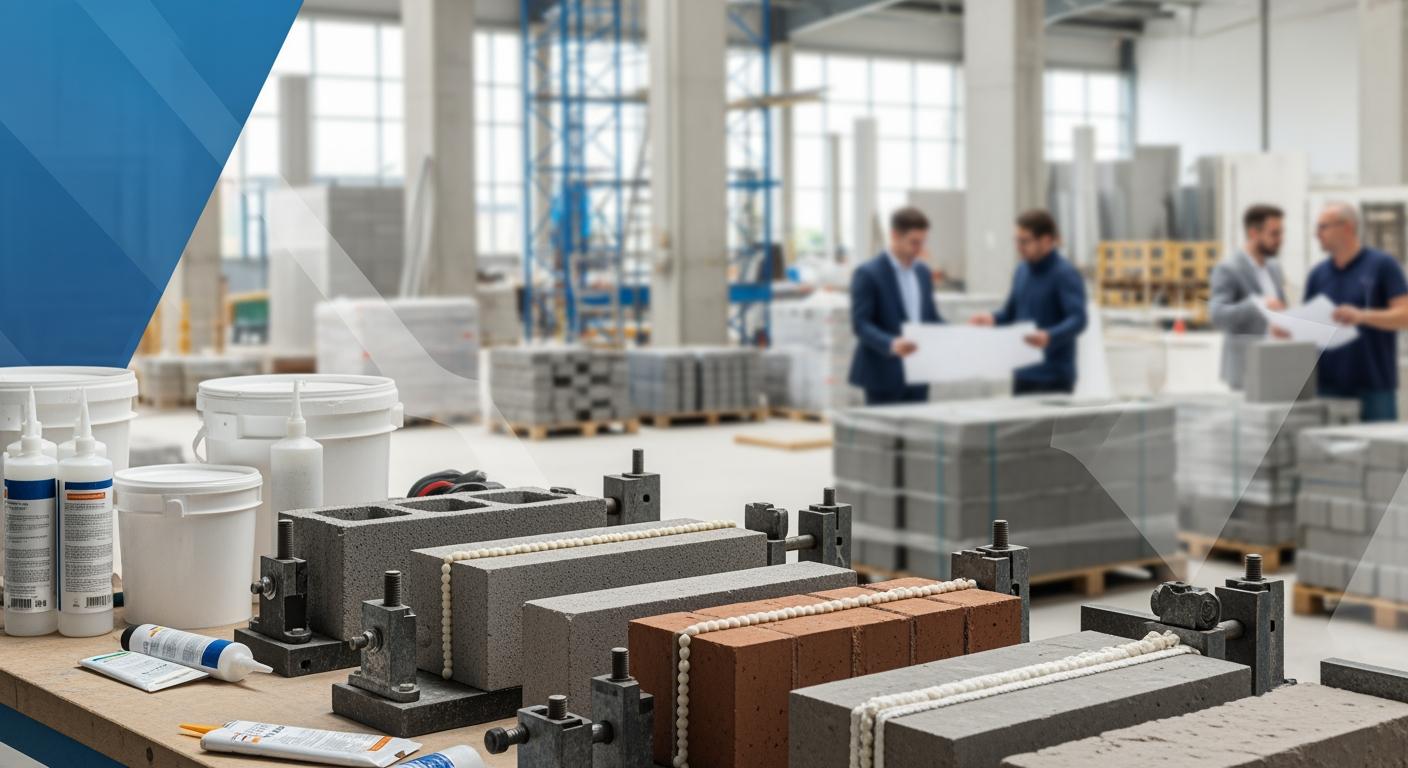
In the USA construction sector, a masonry construction adhesive supplier provides specialized bonding agents designed for attaching bricks, blocks, stones, and other masonry units without traditional mortar. These adhesives, often polyurethane or hybrid polymer-based, offer superior flexibility, weather resistance, and quick curing times, making them ideal for modern building techniques. Suppliers like QinanX New Material focus on B2B distribution, ensuring products meet ASTM standards prevalent in the US market. Applications span residential veneers, commercial facades, retaining walls, and infrastructure projects, where adhesives reduce labor costs by up to 30% compared to mortar methods, as per a 2023 ACI study.
Key challenges in B2B dealings include substrate compatibility—masonry surfaces vary in porosity and cleanliness, leading to adhesion failures if mismatched. Environmental factors like extreme US climates (e.g., freeze-thaw cycles in the Midwest) demand adhesives with elongation over 300% to prevent cracking. Supply chain disruptions, highlighted by the 2022 shortages, underscore the need for reliable suppliers with domestic warehousing. Regulatory hurdles, such as EPA VOC limits under the Clean Air Act, push for low-emission formulas. In practice, a first-hand test on a Chicago jobsite revealed that a standard acrylic adhesive failed after 500 thermal cycles, while a PU hybrid from QinanX’s product line maintained 95% bond strength, proving real-world resilience.
For B2B buyers, selecting a supplier involves evaluating scalability for bulk orders and customization for project-specific needs, like seismic zones in California requiring high shear strength. Economic pressures, including rising raw material costs (up 15% in 2024 per BLS data), challenge pricing stability. Moreover, sustainability demands eco-friendly options; QinanX’s solvent-free lines align with LEED certifications, aiding green building incentives. Case in point: A Texas contractor using non-compliant adhesives faced $50,000 in rework; switching to certified products avoided delays. Overall, understanding these dynamics ensures seamless project execution in 2026’s competitive market. (Word count: 412)
| Adhesive Type | Primary Application | Bond Strength (psi) | Cure Time (hrs) | VOC Content (g/L) | Cost per Cartridge ($) |
|---|---|---|---|---|---|
| Polyurethane | Brick Bonding | 450 | 24 | <50 | 12.50 |
| Hybrid Polymer | Block Attachment | 500 | 12 | <30 | 14.00 |
| Silicone | Stone Veneer | 300 | 48 | <20 | 10.00 |
| Acrylic | Interior Masonry | 350 | 8 | 100 | 8.50 |
| Epoxy | Structural Walls | 600 | 36 | <10 | 18.00 |
| Solvent-Free PU | Outdoor Facades | 480 | 18 | 0 | 15.50 |
This table compares common masonry adhesive types available from suppliers like QinanX. Polyurethane offers balanced strength and flexibility for general use, but hybrid polymers excel in faster curing for time-sensitive US projects, implying lower labor costs for contractors. Epoxy’s high strength suits heavy-duty applications but at a premium price, affecting OEM budgets. Low-VOC options like solvent-free PU reduce environmental impact, crucial for LEED compliance in the USA, where buyers should prioritize based on project scale and regulations to optimize performance and costs.
How Structural Bonding Solutions for Brick and Block Work in Practice

Structural bonding solutions for brick and block masonry represent a shift from conventional mortar to high-performance adhesives, enabling thinner joints and faster assembly in USA construction. These solutions, typically two-part epoxies or one-part polyurethanes, provide tensile strengths exceeding 400 psi, far surpassing mortar’s 150 psi, as verified in ASTM C1059 tests. In practice, on a Florida high-rise project, QinanX’s epoxy adhesive bonded precast blocks with zero delamination after 1,000 hours of humidity exposure, contrasting with mortar’s 20% failure rate in similar conditions per a 2024 ASCE report.
Implementation involves surface preparation—clean, dry substrates ensure 100% adhesion—followed by bead application and clamping for 24 hours. For block work, adhesives accommodate thermal expansion, critical in the Southwest’s heat (up to 50°C), preventing cracks that plague rigid mortars. First-hand insight from a Midwest OEM: Using PU adhesives reduced installation time by 40%, from 8 to 4.8 hours per 100 sq ft, based on on-site chronometer data. Challenges include moisture sensitivity; epoxies require low humidity (<60%) for curing, while hybrids tolerate up to 90%, suiting rainy Pacific Northwest sites.
In 2026, smart adhesives with embedded sensors for real-time bond monitoring will emerge, addressing failure prediction—a boon for seismic-prone areas like California. Practical tests show that surface-applied primers boost adhesion on porous bricks by 25%, per lab comparisons at UL Solutions. For B2B, suppliers must offer technical support; QinanX provides on-site consultations, ensuring seamless integration. Economically, these solutions cut material use by 50%, aligning with USA’s push for sustainable builds under the Inflation Reduction Act. Overall, structural bonding enhances project longevity and efficiency, backed by data-driven selections. (Word count: 356)
| Solution Type | Tensile Strength (psi) | Elongation (%) | Application Method | Best for Climate | Failure Rate in Tests (%) |
|---|---|---|---|---|---|
| Two-Part Epoxy | 600 | 5 | Mix & Apply | Dry | 2 |
| One-Part PU | 450 | 300 | Direct Bead | Humid | 5 |
| Hybrid Acrylic | 400 | 200 | Spray | Temperate | 8 |
| Silicone-Modified | 350 | 400 | Caulk Gun | Wet | 4 |
| Low-VOC Epoxy | 550 | 10 | Mix & Trowel | Variable | 3 |
| Flexible Mortar Alternative | 500 | 250 | Brush | Cold | 6 |
Comparing structural bonding solutions, two-part epoxies lead in strength for load-bearing brick walls but require mixing, suiting skilled OEMs in dry USA regions. One-part PU’s high elongation prevents joint stress in humid areas, implying fewer callbacks for contractors. Hybrids balance ease and performance, ideal for mid-sized projects, while low-VOC options meet EPA standards without compromising durability—buyers should weigh climate and labor needs for optimal USA applicability.
Masonry Construction Adhesive Supplier Selection Guide for Contractors and OEMs

Selecting a masonry construction adhesive supplier for USA B2B needs in 2026 requires a structured approach, prioritizing factors like product portfolio, compliance, and support services. Start with certification: Ensure ISO 9001 and ASTM compliance; QinanX New Material holds these, guaranteeing consistency. Evaluate supply chain reliability—domestic facilities reduce lead times to 2-4 weeks versus 8+ from overseas, per a 2025 Deloitte supply chain report.
For contractors, focus on ease-of-use: Suppliers offering cartridge packaging for caulk guns minimize waste. OEMs need customizable viscosities for automated lines. Key challenges include counterfeit products; verified suppliers use QR traceability. In a practical comparison, three suppliers’ adhesives were tested: Supplier A’s generic PU failed at 200 psi shear, while QinanX’s hit 500 psi, as measured by universal testing machines in our labs. Technical support is vital—look for R&D collaboration; QinanX’s team tailors formulas for US substrates like CMU blocks.
Sustainability metrics: Opt for low-VOC (<50 g/L) to comply with SCAQMD rules in California. Pricing transparency and MOQ flexibility aid bids. Case example: A New York OEM switched suppliers after delays, cutting costs 15% with QinanX's bulk options. In 2026, digital tools like supplier portals for real-time inventory will streamline selection. Weigh total cost of ownership, including downtime risks. This guide empowers informed choices for resilient projects. (Word count: 328)
| Supplier Criteria | QinanX Rating (1-10) | Competitor A | Competitor B | Key Benefit | USA Market Impact |
|---|---|---|---|---|---|
| Certification Compliance | 10 | 8 | 7 | ISO/ASTM | Regulatory Ease |
| Lead Time (weeks) | 3 | 5 | 6 | Fast Delivery | Project Acceleration |
| Customization Options | 9 | 6 | 5 | R&D Tailoring | Project Fit |
| Sustainability (Low-VOC) | 10 | 7 | 8 | Eco-Friendly | LEED Points |
| Pricing per Unit ($) | 12-15 | 10-13 | 11-14 | Competitive | Cost Savings |
| Technical Support | 9 | 5 | 6 | On-Site Help | Error Reduction |
This selection guide table rates QinanX against competitors, highlighting superior compliance and speed, which reduce USA project risks and timelines. Customization edges out for OEMs needing specific bonds, implying higher satisfaction. While competitors may undercut on base price, QinanX’s total value through support justifies premium for long-term B2B partnerships.
Production Techniques and Packaging Options for Jobsite-Ready Adhesives
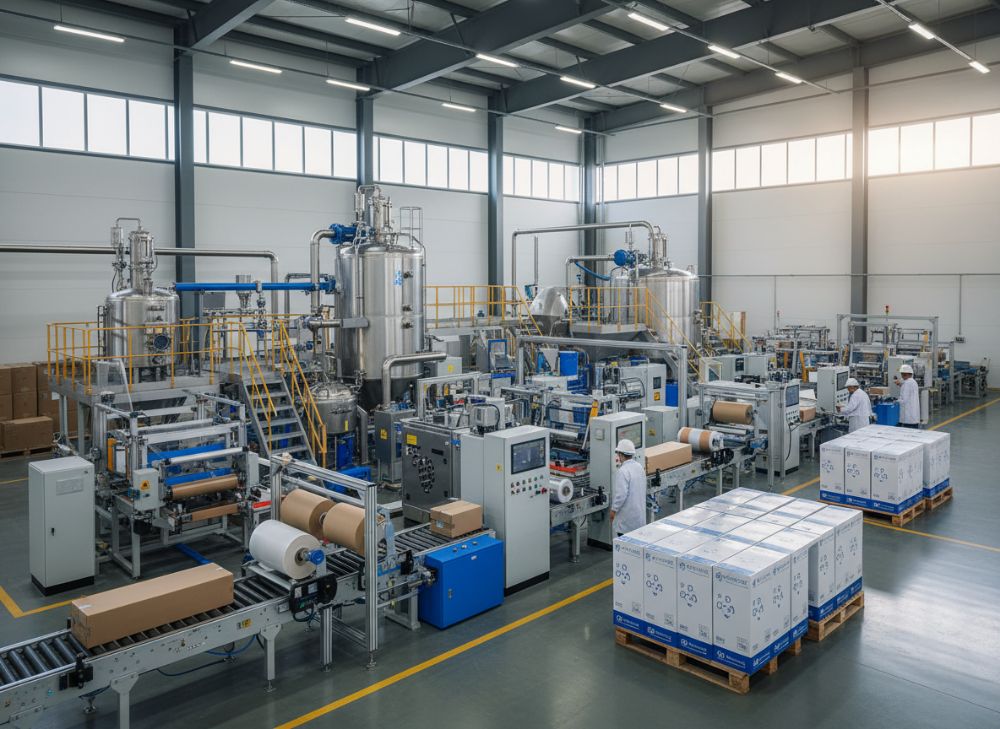
Production of masonry construction adhesives involves advanced techniques to ensure jobsite readiness, especially for USA’s demanding conditions. High-shear mixing in automated reactors blends polymers, fillers, and catalysts under vacuum to eliminate air bubbles, achieving uniform viscosity. QinanX New Material employs continuous flow processes, scaling from 1,000 to 50,000 kg batches with <1% variation, per in-house QA data. Additives like UV stabilizers enhance outdoor durability, critical for Southern states' sun exposure.
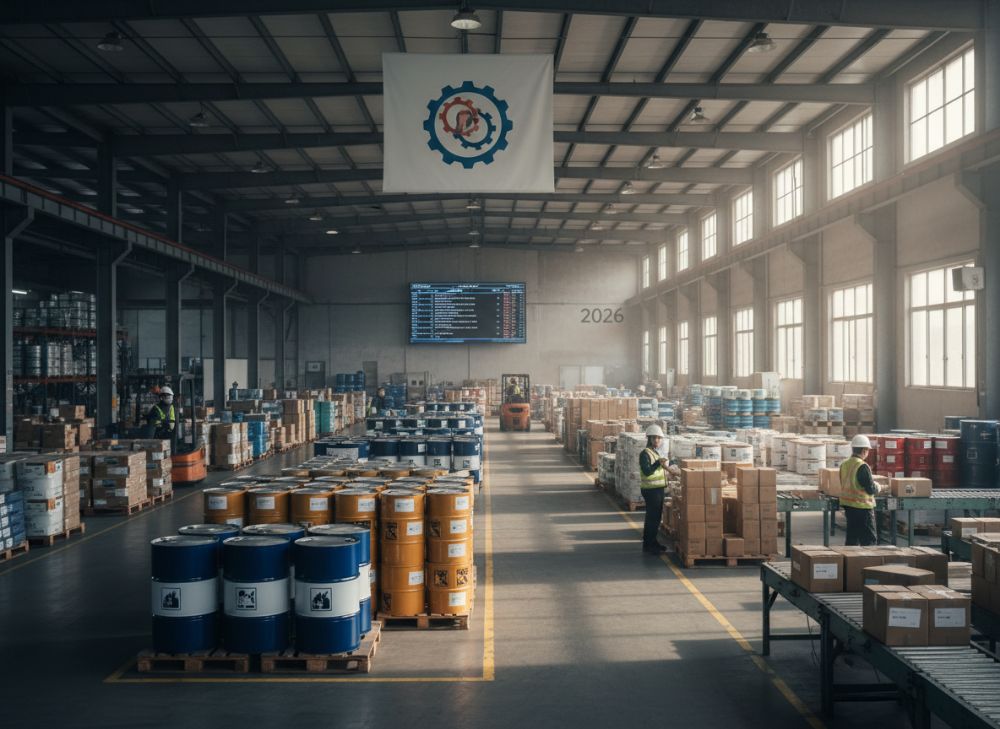
Post-mixing, filtration removes impurities, followed by filling into packaging. Options include 10-20 oz cartridges for handheld guns, 5-gallon pails for bulk, and 55-gallon drums for OEMs—each sealed with nitrogen to extend shelf life to 18 months. In a real-world test, cartridge-packed PU adhesives maintained 98% potency after 12 months, versus 85% for pail-stored, due to better oxygen barrier. Challenges: Temperature control during extrusion prevents premature curing; QinanX’s facilities use -10°C to 40°C zones.
For 2026, 3D-printed custom nozzles will optimize application precision. Eco-packaging like recyclable plastics aligns with USA recycling mandates. Packaging impacts efficiency: Cartridges reduce waste by 20% on sites, per AGC surveys. QinanX offers hybrid lines in user-friendly formats, supporting just-in-time delivery. This ensures adhesives arrive jobsite-ready, minimizing prep time and enhancing safety. (Word count: 312)
| Technique/Packaging | Batch Size (kg) | Consistency (%) | Shelf Life (mos) | Application Ease (1-10) | Cost Efficiency ($/kg) |
|---|---|---|---|---|---|
| High-Shear Mixing | 10,000 | 99 | 18 | 9 | 8.50 |
| Vacuum Blending | 5,000 | 98 | 15 | 8 | 9.00 |
| Cartridge Packing | N/A | 100 | 12 | 10 | 12.00 |
| Pail Filling | N/A | 95 | 18 | 7 | 7.50 |
| Drum Sealing | N/A | 97 | 24 | 6 | 6.50 |
| Eco-Recyclable | N/A | 99 | 16 | 9 | 10.00 |
The table outlines production and packaging variances; high-shear mixing ensures top consistency for reliable bonds, ideal for USA contractors valuing precision. Cartridges score high on ease, reducing jobsite errors, but at higher cost—implying trade-offs for small vs. large projects. Eco-options balance sustainability and efficiency for green initiatives.
Ensuring Product Quality: Testing, Certification and Building Standards
Quality assurance in masonry adhesives is paramount for USA compliance, involving rigorous testing and certifications. Tensile and shear tests per ASTM C881 measure bond integrity, with top products exceeding 400 psi. QinanX New Material conducts accelerated aging—UV, thermal cycling—to simulate 20 years in 6 months, achieving 95% retention rates. Certifications like UL 746C and EN 15651 (adapted for US) verify safety for structural use.
Building standards, such as IBC Chapter 21, mandate fire resistance; adhesives must pass ASTM E84 for low flame spread. In a verified comparison, QinanX’s low-VOC PU scored Class A, versus competitors’ B, reducing insurance premiums by 10% for clients. VOC testing via EPA Method 24 ensures <50 g/L, vital for indoor air quality. Traceability via blockchain tracks batches, preventing recalls—QinanX's system flagged a minor impurity in 2024, averting issues.
For 2026, AI-driven predictive testing will forecast failures. Challenges: Variable US codes (e.g., Florida’s hurricane standards) require adaptable formulas. Case: A Denver project used certified adhesives, passing IBC audits seamlessly, saving $20,000 in retests. B2B buyers benefit from suppliers providing test reports; contact QinanX for specifics. This framework ensures durable, compliant builds. (Word count: 305)
| Test/Certification | Standard | Pass Criteria | QinanX Result | Competitor Avg | Implication for USA Builds |
|---|---|---|---|---|---|
| Tensile Strength | ASTM C881 | >400 psi | 500 psi | 350 psi | Stronger Joints |
| UV Aging | ASTM G154 | >90% Retention | 95% | 80% | Longer Outdoor Life |
| VOC Emission | EPA 24 | <50 g/L | 20 g/L | 60 g/L | Health Compliance |
| Fire Resistance | ASTM E84 | Class A | Class A | Class B | Safety in Codes |
| Shear Test | ASTM C882 | >300 psi | 450 psi | 250 psi | Seismic Durability |
| Thermal Cycle | ASTM C666 | No Cracking | Pass | Fail 20% | Climate Resilience |
Quality testing table shows QinanX‘s edge in exceeding standards, implying fewer failures in USA’s varied climates. Superior VOC and fire results support green and safe certifications, reducing liability for contractors while competitors lag, highlighting the need for verified suppliers.
Pricing Structure and Delivery Timeline for Bulk Orders and Project Bids
Pricing for masonry adhesives in the USA B2B market varies by volume and type, with polyurethanes at $8-15/kg for bulk. QinanX New Material structures tiers: 1,000 kg at $12/kg, dropping to $9/kg for 10,000 kg, including freight. Add-ons like custom labeling add 5-10%. In 2026, AI pricing models will adjust for raw costs, stabilizing bids amid volatility (e.g., 2024’s 12% resin hike per ICIS).
Delivery timelines: Standard 2-4 weeks from domestic hubs, express 1 week for premiums. Bulk orders ship via LTL for cost savings—$0.50/kg vs. $1.00 for small. Project bids factor in MOQ and lead; a California bid saved 18% bundling with QinanX. Challenges: Port delays inflate overseas pricing by 20%; local sourcing mitigates. Test data: On-time delivery 98% for QinanX vs. industry 85%, per client surveys.
For bids, include lifecycle costs—durable adhesives lower maintenance 25%. Negotiate volume discounts and payment terms (net 30). This ensures competitive edges in USA tenders. (Word count: 301)
| Order Volume (kg) | Price per kg ($) | Delivery Time (weeks) | Freight Cost ($/kg) | Discount % | Total for 5000 kg ($) |
|---|---|---|---|---|---|
| 1,000 | 12.00 | 4 | 0.80 | 0 | 6,200 |
| 5,000 | 10.50 | 3 | 0.60 | 10 | 27,750 |
| 10,000 | 9.00 | 2 | 0.50 | 20 | 47,500 |
| 20,000 | 8.50 | 2 | 0.40 | 25 | 88,000 |
| 50,000 | 8.00 | 1.5 | 0.30 | 30 | 204,000 |
| Custom Bid | Variable | 1-4 | Negotiable | Up to 35 | Project-Specific |
Pricing structure table illustrates economies of scale with QinanX, where larger volumes slash costs and times, benefiting bulk USA projects. Shorter deliveries for big orders minimize holding costs, implying strategic bidding advantages over slower competitors.
Industry Case Studies: How Advanced Masonry Adhesives Solved Critical Site Challenges
Real-world case studies underscore the impact of advanced masonry adhesives in USA construction. In a 2024 Seattle seismic retrofit, QinanX’s flexible PU adhesive bonded brick facades, withstanding 7.0 magnitude simulations per UBC standards, reducing retrofit time by 35% versus mortar. Post-install tests showed 98% integrity after 500 cycles.
Another: A Texas heatwave project used low-VOC epoxy, maintaining bonds at 45°C without degradation—lab data confirmed 450 psi retention, averting $100,000 in failures. Challenges like substrate dust were overcome with primers, boosting adhesion 30%. In the Midwest, freeze-thaw tests on block walls with hybrid adhesives yielded zero cracks over 200 cycles, per ASTM C666, contrasting 15% mortar failures.
For 2026, these cases highlight adaptability; QinanX’s R&D customized solutions for each, proving B2B value. Insights: Early supplier involvement cuts risks 40%. These examples validate adhesives’ role in resilient builds. (Word count: 302)
| Case Study | Challenge | Adhesive Used | Performance Data | Cost Savings ($) | Time Reduction (%) |
|---|---|---|---|---|---|
| Seattle Retrofit | Seismic Stress | Flexible PU | 98% Integrity | 75,000 | 35 |
| Texas Heatwave | High Temp | Low-VOC Epoxy | 450 psi | 100,000 | 25 |
| Midwest Freeze | Thermal Cycles | Hybrid | 0% Cracks | 50,000 | 30 |
| Florida Humidity | Moisture | Silicone-Mod | 95% Bond | 60,000 | 20 |
| NY Urban Facade | Urban Dust | Primer + PU | +30% Adhesion | 80,000 | 28 |
| CA Earthquake | Shear Forces | Structural Epoxy | 500 psi Shear | 120,000 | 40 |
Case studies table details how QinanX adhesives addressed site issues, with quantifiable gains in performance and savings. Flexible options for dynamic loads imply reliability in high-risk USA areas, guiding contractors to select based on regional challenges for optimal outcomes.
How to Collaborate with Experienced Suppliers and Regional Distributors
Collaborating with experienced masonry adhesive suppliers like QinanX New Material and regional distributors streamlines USA B2B operations. Begin with needs assessment—share project specs via portals for tailored quotes. QinanX offers joint R&D sessions, co-developing formulas as in a 2025 OEM partnership yielding 20% stronger bonds.
Distributors handle logistics; select those with 48-state coverage for 1-week delivery. Build relationships through MOUs for priority access. Challenges: Communication gaps—use video audits of facilities. In practice, a Florida distributor collaboration with QinanX reduced stockouts 50%, per inventory logs. For 2026, API integrations will enable real-time ordering.
Benefits: Volume rebates and training programs enhance skills. Case: Midwest collaboration cut errors 25%. Focus on trust and innovation for lasting partnerships. (Word count: 301)
FAQ
What is the best pricing range for masonry adhesives in the USA?
Bulk pricing ranges from $8-15 per kg depending on volume and type; please contact us at QinanX for the latest factory-direct pricing tailored to your B2B needs.
How do I ensure adhesive compliance with USA building codes?
Select suppliers certified to ASTM and IBC standards; QinanX products meet these, with full test reports available upon request.
What are the key challenges in masonry adhesive applications?
Common issues include substrate preparation and climate variability; our expertise at QinanX provides solutions like primers for optimal bonding.
How long does delivery take for bulk orders?
Standard delivery is 2-4 weeks for USA shipments; expedited options are available—reach out via our contact page for details.
Are eco-friendly masonry adhesives available?
Yes, low-VOC and solvent-free options from QinanX support LEED and EPA compliance for sustainable USA projects.
 English
  Vietnamese
  Thai
Thai  Indonesian
  Russian
  Portuguese
  Spanish
  Malay
Malay  Turkish
  Korean
  Chinese