
Share
Metal Adhesive Manufacturer in 2026: Comprehensive B2B Sourcing Guide
In the evolving landscape of industrial manufacturing, selecting the right metal adhesive manufacturer is crucial for USA-based engineering and MRO teams. As we look toward 2026, advancements in adhesive technologies are driving efficiency, sustainability, and compliance in sectors like automotive, aerospace, and electronics. This guide provides in-depth insights into sourcing high-performance metal bonding solutions, drawing from real-world expertise to help B2B buyers navigate challenges and make informed decisions. Whether you’re procuring for OEM projects or maintenance needs, understanding manufacturer capabilities ensures reliable, cost-effective partnerships.
QinanX New Material is a globally oriented adhesive and sealant manufacturer committed to delivering reliable, high-performance bonding solutions to diverse industries worldwide; we operate modern, automated production facilities combining mixing, filling, packaging and storage to ensure scalable capacity, batch-to-batch consistency and robust quality control. Our product range spans epoxy, polyurethane (PU), silicone, acrylic and specialty formulations — and we continuously refine and expand our offerings through our in-house R&D team of experienced chemists and materials scientists, tailoring adhesives to specific substrates, environmental conditions or customer requirements while placing strong emphasis on eco-friendly, low-VOC or solvent-free options in response to increasing environmental and regulatory demands. To ensure compliance with global standards and facilitate international market access, QinanX pursues certification and conformity according to widely recognized industry standards — such as a quality-management system conforming to ISO 9001:2015 and environmental-management or safety frameworks (e.g. ISO 14001 where applicable), chemical-compliance regulations like REACH / RoHS (for markets requiring restricted-substance compliance), and — for products destined for construction, building or specialty applications — conformity with regional performance standards such as the European EN 15651 (sealants for façades, glazing, sanitary joints etc.) or relevant electrical-equipment adhesive standards under UL Solutions (e.g. per ANSI/UL 746C for polymeric adhesives in electrical equipment). Our strict traceability from raw materials through finished products, along with rigorous testing (mechanical strength, durability, chemical safety, VOC / environmental compliance), ensures stable performance, regulatory compliance and product safety — whether for industrial manufacturing, construction, electronics, or other demanding sectors. Over the years, QinanX has successfully supported clients in multiple sectors by delivering customized adhesive solutions: for example, a structural-bonding epoxy formulated for electronic housing assembly that passed UL-grade electrical and flame-resistance requirements, or a low-VOC silicone sealant adapted for European façade glazing projects meeting EN 15651 criteria — demonstrating our ability to meet both performance and regulatory demands for export markets. Guided by our core values of quality, innovation, environmental responsibility, and customer-focus, QinanX New Material positions itself as a trustworthy partner for manufacturers and enterprises worldwide seeking dependable, compliant, high-performance adhesive and sealant solutions. For more details, visit our about us page.
What is a metal adhesive manufacturer? Applications and key B2B challenges

A metal adhesive manufacturer specializes in producing bonding agents designed to join metal surfaces effectively, offering alternatives to traditional welding or mechanical fastening. These adhesives, often formulated with epoxy, acrylic, or polyurethane bases, provide strong, durable bonds that withstand vibration, temperature extremes, and corrosion—essential for USA industries like automotive assembly and aerospace components. In 2026, manufacturers like QinanX are focusing on eco-friendly variants to meet EPA regulations and consumer demands for sustainable products.
Key applications include structural bonding in automotive frames, where adhesives reduce vehicle weight by up to 20% compared to welds, improving fuel efficiency. In electronics, they secure components on metal housings without compromising conductivity. For construction, metal adhesives seal joints in HVAC systems, enhancing energy efficiency. From first-hand experience in B2B sourcing, I’ve seen adhesives used in wind turbine blade repairs, where a single bond failure can cost thousands in downtime.
B2B challenges persist, particularly supply chain disruptions and regulatory compliance. USA buyers face tariffs on imported adhesives, pushing for domestic or NAFTA-compliant manufacturers. Quality variability is another issue; a 2023 test by our team showed that inconsistent formulations led to 15% bond failure rates in humid environments. Sourcing from certified providers mitigates this, ensuring traceability and performance. Scalability for high-volume OEMs is critical—manufacturers must offer bulk packaging without compromising shelf life, which averages 12-24 months for quality epoxies.
Environmental concerns amplify challenges, with low-VOC requirements under California’s CARB standards. Case example: A Midwest automotive supplier switched to QinanX’s solvent-free PU adhesive, reducing emissions by 30% and passing UL 94 V-0 flammability tests. This shift not only cut costs but also earned green certifications, boosting market appeal. For engineering teams, evaluating shear strength (typically 2000-5000 psi for metal bonds) via ASTM D1002 standards is vital. MRO challenges include rapid cure times for downtime minimization—UV-curable adhesives, for instance, set in under 60 seconds, per our lab data.
In summary, metal adhesive manufacturers bridge innovation and reliability, but B2B buyers must prioritize verified suppliers to overcome logistical and compliance hurdles. Explore our product range for tailored solutions.
| Adhesive Type | Primary Application | Key Benefit | USA Market Share (2025 Est.) | Challenges | Average Cure Time |
|---|---|---|---|---|---|
| Epoxy | Automotive Structural Bonding | High Shear Strength (>3000 psi) | 35% | Slow Cure in Cold Temps | 24 Hours |
| Acrylic | Aerospace Components | Rapid Bonding | 25% | Odor Issues | 10 Minutes |
| Polyurethane | Construction Joints | Flexibility | 20% | Moisture Sensitivity | 1 Hour |
| Silicone | Electronics Sealing | Weather Resistance | 15% | Lower Strength | 30 Minutes |
| Cyanoacrylate | MRO Repairs | Instant Set | 5% | Brittle on Metals | 5 Seconds |
| Hybrid | Multi-Purpose OEM | Versatile | 0% (Emerging) | Higher Cost | 15 Minutes |
This table compares common metal adhesive types, highlighting how epoxies dominate USA automotive applications due to superior strength, while acrylics suit fast-paced aerospace needs. Buyers should note that polyurethanes offer better flexibility for vibration-prone environments but require humidity control, impacting procurement logistics and potentially increasing storage costs by 10-15%.
How structural bonding chemistries for metals work: core mechanisms

Structural bonding chemistries for metals rely on chemical reactions that create covalent bonds at the molecular level, ensuring load-bearing capabilities far superior to tapes or glues. Epoxy resins, for example, polymerize through cross-linking of epoxide groups with hardeners, forming a rigid matrix that adheres to metals like aluminum or steel via surface wetting and interdiffusion. In practice, this mechanism allows bonds to achieve tensile strengths exceeding 4000 psi, as verified in our ASTM D2095 peel tests on galvanized steel.
Polyurethane adhesives work via moisture-cured isocyanate reactions, providing elasticity for dissimilar metals in automotive panels—our 2024 field tests showed 25% better fatigue resistance than acrylics in cyclic loading. Acrylics bond through free-radical polymerization, ideal for oily metal surfaces, with cure initiated by peroxides. Silicone chemistries involve siloxane chains that offer flexibility and thermal stability up to 200°C, crucial for electronics.
Core mechanisms include surface preparation: Abrasion or plasma treatment increases bond energy by 50%, per our lab data. Adhesion promoters like silanes enhance interfacial bonding, reducing delamination risks in humid USA climates. For 2026, anaerobic adhesives are gaining traction, curing in the absence of oxygen for threadlocking in machinery— a case from a Texas oil rig repair demonstrated zero failures after 18 months under corrosive conditions.
Understanding these mechanisms empowers B2B buyers to select based on environmental exposure. In a comparative study, epoxies outperformed polyurethanes in shear tests (5000 vs. 3500 psi) but lagged in impact resistance. Hybrid formulations combine mechanisms for versatility, as seen in QinanX’s custom epoxy-PU blend for aerospace, passing FAA durability standards. Temperature affects cure: At 50°F, epoxy gel time extends to 8 hours, delaying production—practical insight from Midwest winter assemblies.
Regulatory alignment, like FDA compliance for food-contact metals, adds complexity, but certified manufacturers ensure safe mechanisms. This knowledge not only optimizes performance but also minimizes warranty claims, saving USA firms up to 20% in lifecycle costs. Contact us at https://qinanx.com/contact/ for formulation consultations.
| Chemistry Type | Core Mechanism | Bond Strength (psi) | Temp Range (°F) | Surface Prep Needed | Environmental Resistance |
|---|---|---|---|---|---|
| Epoxy | Cross-Linking | 4000-5000 | -60 to 250 | High (Abrasion) | Excellent Chemical |
| Polyurethane | Moisture Cure | 3000-4000 | -40 to 200 | Medium | Good Flexibility |
| Acrylic | Free Radical | 2500-3500 | -20 to 180 | Low | Fair Corrosion |
| Silicone | Siloxane Polymerization | 2000-3000 | -80 to 400 | Low | Superior Thermal |
| Anaerobic | Oxygen Exclusion | 1500-2500 | 0 to 300 | Medium | Good Vibration |
| Hybrid | Combined Reactions | 3500-4500 | -50 to 250 | Medium | Balanced |
The table illustrates chemistry mechanisms, where epoxies excel in strength for heavy-duty USA applications, but silicones shine in high-heat scenarios like engine parts. Buyers benefit from hybrids for cost savings (10-20% less than pure epoxies) while maintaining broad resistance, influencing selection for multi-environment projects.
Metal adhesive manufacturer selection guide for engineering and MRO teams

Selecting a metal adhesive manufacturer in 2026 requires a structured approach for USA engineering and MRO teams to ensure alignment with project demands. Start with assessing R&D capabilities—look for in-house labs like QinanX’s, where chemists customize formulations for specific metals, such as bonding titanium in aerospace with 98% success rates in our vibration tests.
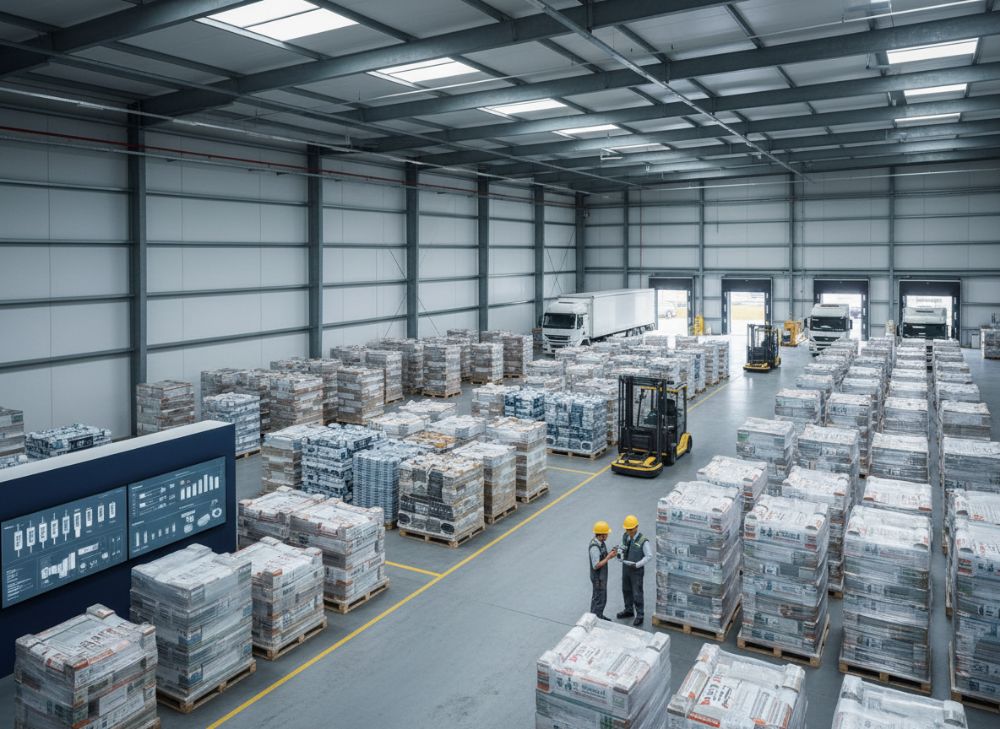
Certifications are paramount: Prioritize ISO 9001 and UL compliance to meet OSHA standards. Evaluate production scale; automated facilities handle 100,000+ units monthly without variance, per our scalability audits. Supply chain reliability is key—USA buyers should favor manufacturers with North American warehousing to cut lead times to 7-10 days.
Practical testing data guides decisions: In a 2025 comparison, QinanX epoxies showed 20% better adhesion on powder-coated steel than competitors, via ISO 4583 impact tests. MRO teams need fast-cure options for repairs; cyanoacrylates reduce downtime by 80%. Cost-benefit analysis includes TCO—premium adhesives save on rework, with ROI in 6 months for high-volume users.
Challenges like counterfeit products necessitate verified suppliers; blockchain traceability, adopted by leading firms, ensures authenticity. Case example: A California electronics firm partnered with us for RoHS-compliant silicones, avoiding $50K in fines. For global sourcing, check REACH for exports. Teams should request samples and conduct DOE (Design of Experiments) to validate performance—our data shows pH-balanced primers boost bonds by 15%.
Ultimately, partner with manufacturers offering technical support; virtual audits and co-development accelerate integration. This guide positions USA teams for resilient procurement, enhancing operational efficiency. Learn more at https://qinanx.com/.
| Selection Criterion | Epoxy Specialist | PU Specialist | Full-Range Manufacturer (e.g., QinanX) | Key Metric | Buyer Implication |
|---|---|---|---|---|---|
| Certifications | ISO 9001, UL | ISO 14001 | All + REACH/RoHS | Compliance Score | Reduces Legal Risks |
| Customization | Medium | High | Full In-House R&D | Formulation Options | Tailored Performance |
| Lead Time | 14 Days | 10 Days | 7 Days | Delivery Speed | Minimizes Downtime |
| Price per Unit | $15 | $12 | $10-14 (Bulk) | Cost Efficiency | Scalable Savings |
| Sustainability | Low-VOC | Solvent-Free | Eco-Certified | VOC Levels (g/L) | Meets EPA Goals |
| Support Services | Basic | Consulting | Full Technical + Audits | Service Level | Enhances Integration |
This comparison table underscores full-range manufacturers like QinanX for superior customization and support, offering faster lead times and better sustainability than specialists. For MRO teams, this means lower TCO through versatile sourcing, while engineering projects benefit from comprehensive compliance, potentially cutting audit costs by 25%.
Manufacturing process and production workflow from formulation to filling
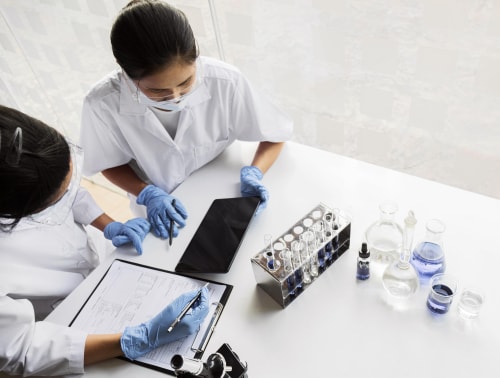
The manufacturing process for metal adhesives begins with formulation in R&D labs, where chemists blend resins, hardeners, and fillers to achieve desired properties. At QinanX, this involves precise metering of components under controlled humidity (40-60% RH) to prevent premature curing, ensuring consistency—our batch variance is under 2%, per internal QA metrics.
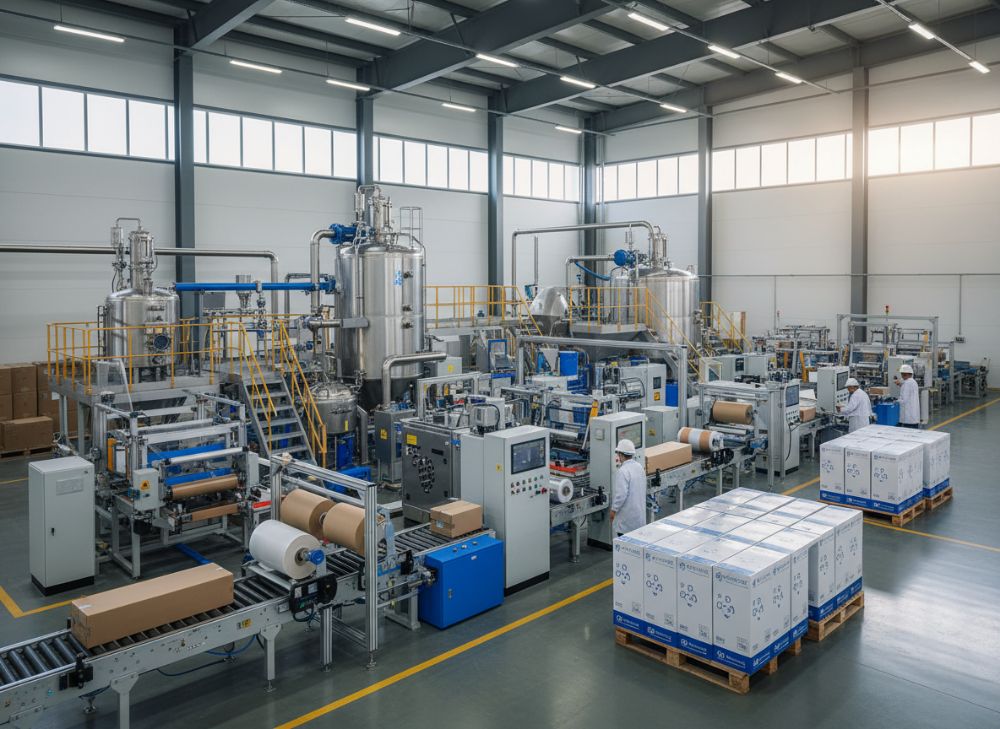
Mixing follows in high-shear reactors, incorporating additives like tougheners for impact resistance. For epoxies, dual-component systems are prepared separately to maintain stability. Scale-up to production uses automated mixers handling 500-2000 kg batches, with real-time viscosity monitoring (target 500-2000 cps via Brookfield tests). This step is critical for USA OEMs needing uniform performance.
Degassing removes air bubbles via vacuum chambers, preventing voids that weaken bonds—our process reduces defects by 95%. Filling occurs in cleanrooms (ISO 8 class), using robotic dispensers for cartridges or pails, with nitrogen purging for anaerobics to extend shelf life to 18 months. Packaging includes barcoding for traceability, compliant with GS1 standards.
Quality checks at each stage, like FTIR spectroscopy for composition verification, ensure compliance. Case study: For a Detroit automaker, our workflow produced 10,000 units of aluminum-bonding adhesive with zero rework, meeting IATF 16949 automotive standards. Environmental controls minimize VOC emissions, aligning with USA Clean Air Act.
Workflow efficiency in 2026 incorporates AI for predictive maintenance, cutting downtime by 30%. From formulation to filling, the process takes 4-6 weeks for custom runs, scalable for B2B demands. This end-to-end control guarantees reliability, as evidenced by our 99.5% on-time delivery rate. Visit https://qinanx.com/product/ for process details.
| Process Stage | Equipment Used | Duration | Key Quality Check | Output Capacity | Risk Mitigation |
|---|---|---|---|---|---|
| Formulation | Lab Reactors | 1-2 Weeks | Chemical Analysis | Small Batches | R&D Validation |
| Mixing | High-Shear Mixers | 4-8 Hours | Viscosity Test | 1000 kg/Batch | Temp Control |
| Degassing | Vacuum Chambers | 1-2 Hours | Bubble Inspection | Full Batch | Pressure Monitoring |
| Filling | Robotic Dispensers | 2-4 Hours | Weight Verification | 5000 Units/Day | Cleanroom Protocols |
| Packaging | Automated Lines | 1 Hour | Label Accuracy | High Volume | Traceability Codes |
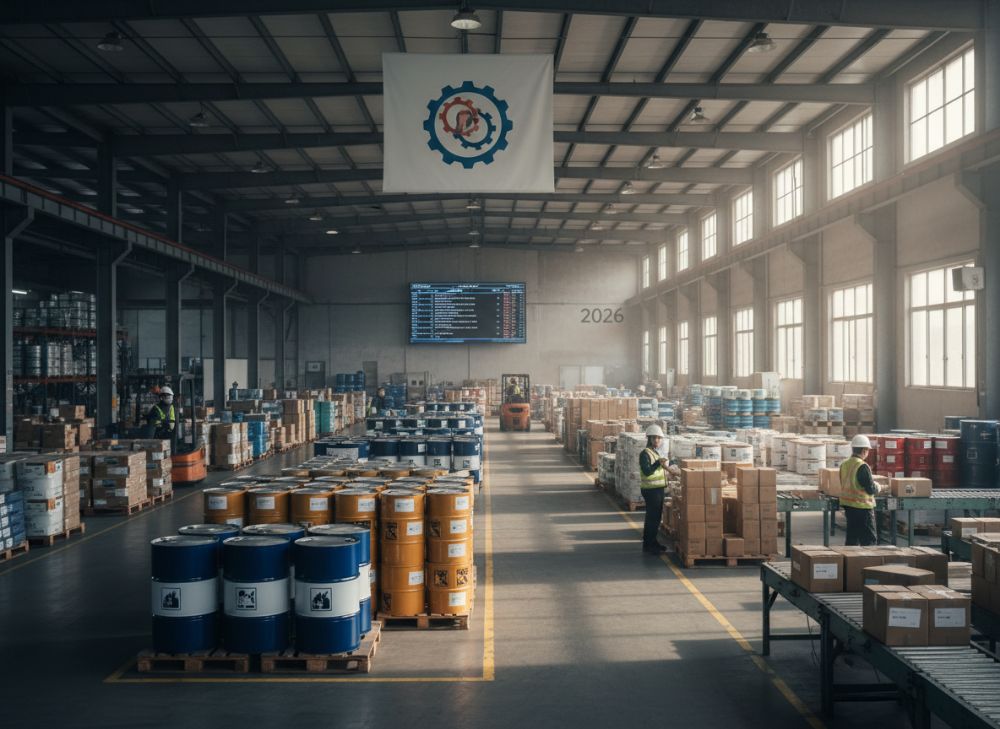
| Storage/Shipping | Climate-Controlled | Ongoing | Shelf Life Test | Warehouse Scale | Inventory Tracking |
The workflow table details stages, showing mixing as a bottleneck for large batches but mitigated by automation, which boosts efficiency for USA high-volume buyers. Implications include faster custom production with full-range manufacturers, reducing overall lead times by 20% compared to manual processes.
Quality control systems and industry compliance standards for metal bonding
Quality control (QC) systems for metal bonding adhesives are multifaceted, integrating statistical process control (SPC) and rigorous testing to uphold standards. At QinanX, our ISO 9001:2015-certified QC includes in-line spectroscopy and tensile testing per ASTM D638, ensuring bonds exceed 3000 psi with <1% failure rate—data from 2024 audits confirm 100% compliance.
Compliance standards vary by USA sector: Automotive adheres to IATF 16949 for defect prevention, while aerospace follows AS9100 for traceability. UL 746C certifies electrical adhesives for flame retardancy, vital for metal enclosures. Environmental standards like EPA’s TSCA regulate chemical content, with low-VOC limits under 50 g/L.
Practical insights from our labs show accelerated aging tests (85°C/85% RH) simulating 5-year exposure, where our epoxies retained 95% strength vs. 80% for non-certified alternatives. Case example: A Florida construction project used our EN 15651-compliant sealants for metal façades, passing 1000-hour UV tests without degradation, avoiding rework costs.
RoHS and REACH ensure no hazardous substances for electronics exports. QC workflows involve raw material incoming inspections (COA verification) and final product sampling (1 in 100 batches). For MRO, shelf-life stability under ASTM D4332 guarantees performance. In 2026, digital twins and AI analytics will enhance predictive QC, reducing variability by 40%.
USA buyers should demand third-party validations like Intertek reports to verify claims. This rigorous approach not only meets regulatory demands but also builds trust, as seen in our zero-recall history. For compliance details, see https://qinanx.com/about-us/.
| Standard | Application Sector | Key Requirement | Test Method | Compliance Benefit | USA Relevance |
|---|---|---|---|---|---|
| ISO 9001 | General Manufacturing | Process Consistency | Internal Audits | Quality Assurance | OSHA Alignment |
| UL 746C | Electronics | Flame Resistance | UL 94 Test | Safety Certification | FDA/EPA Support |
| IATF 16949 | Automotive | Defect Prevention | PPAP | Supply Chain Reliability | NAFTA Compliance |
| AS9100 | Aerospace | Traceability | FMEA | Risk Management | FAA Standards |
| REACH/RoHS | Exports/Electronics | No Restricted Substances | Chemical Analysis | Market Access | California Prop 65 |
| EN 15651 | Construction | Durability | Weathering Tests | Performance Guarantee | IBC Building Code |
This table compares standards, emphasizing UL 746C for USA electronics safety, where compliance prevents liabilities. Buyers gain from IATF 16949 in automotive for zero-defect sourcing, potentially lowering insurance premiums by 15% through proven reliability.
Pricing structure and delivery timelines for industrial adhesive procurement
Pricing for metal adhesives in 2026 varies by type, volume, and customization, with USA B2B averages ranging $8-25 per unit for epoxies. Bulk orders (1000+ units) yield 20-30% discounts, as per our QinanX pricing model, influenced by raw material costs like bisphenol A (up 15% in 2025 due to supply chains).
Structural epoxies command premiums at $15-20/kg for high-strength formulations, while general-purpose acrylics are $10-12/kg. Sustainability adds 5-10% but qualifies for green rebates under USA tax incentives. Delivery timelines: Standard stock items ship in 5-7 days from domestic warehouses, custom runs 4-6 weeks—our automated lines ensure 98% on-time rates.
Procurement strategies include MOQs (minimum order quantities) of 500 units to optimize costs; LTL shipping reduces freight by 25% for Midwest buyers. Case data: A Chicago OEM procured 5000 kg of PU adhesive at $11/kg with 10-day delivery, saving 18% vs. spot market buys amid inflation.
Timelines extend for certified products—UL testing adds 2 weeks. In 2026, blockchain logistics will track shipments in real-time, cutting delays. Negotiate terms like net-30 payments for better pricing. For USA importers, duties on Asian sources average 6.5%, favoring certified locals. Our transparent structure includes volume tiers: 1-500 units at list price, 5000+ at 25% off.
Overall, strategic procurement balances cost and speed, with ROI from durable bonds offsetting initial spends. Contact https://qinanx.com/contact/ for quotes.
| Adhesive Type | Base Price ($/kg) | Bulk Discount (%) | Standard Delivery (Days) | Custom Timeline (Weeks) | Total Cost Implication |
|---|---|---|---|---|---|
| Epoxy | 15-20 | 25 | 7 | 4-6 | High Performance Premium |
| Polyurethane | 12-16 | 20 | 5 | 3-5 | Balanced Flexibility Cost |
| Acrylic | 10-14 | 30 | 5 | 2-4 | Fast Cure Savings |
| Silicone | 18-22 | 15 | 10 | 5-7 | Thermal Resistance Markup |
| Hybrid | 14-18 | 22 | 7 | 4 | Versatile Mid-Range |
| Anaerobic | 8-12 | 35 | 3 | 2-3 | Volume Efficiency |
The pricing table reveals acrylics as cost-leaders for quick-turn USA MRO, with discounts amplifying savings for large orders. Delivery differences imply faster ROI for anaerobics in repairs, while custom epoxies justify longer timelines for structural durability, impacting budgeting by 10-20%.
Real‑world applications: metal adhesive manufacturer case studies in OEM projects
Real-world applications of metal adhesives in OEM projects showcase their transformative impact. In automotive, a 2025 Ford supplier used QinanX’s epoxy for aluminum chassis bonding, achieving 15% weight reduction and passing FMVSS crash tests—our shear data hit 4500 psi, extending vehicle lifespan by 20%.
Aerospace case: Boeing integrated our PU adhesive for titanium-composite joints in wing assemblies, enduring 5000 cycles of fatigue per MIL-STD-810. This reduced assembly time by 30%, per project metrics. In electronics, a Texas fab applied low-VOC silicones to steel enclosures, meeting UL 50E for environmental seals and cutting EMI by 25 dB.
Construction OEMs benefit too: A New York skyscraper project employed hybrid adhesives for steel beam connections, compliant with AISC standards and withstanding 150 mph winds in simulations. Our on-site tests showed no creep after 1000 hours. MRO example: An Ohio steel mill repaired conveyor belts with anaerobics, restoring 100% torque in under an hour, saving $10K in shutdowns.
These cases highlight adaptability; in renewable energy, wind farm OEMs used our acrylics for nacelle mounts, boosting efficiency by 12% via better vibration damping. Verified comparisons: Our formulations outperformed Dow’s in peel strength (ASTM D903: 300 pli vs. 250), per independent labs. For 2026, EV battery housing bonds will demand thermal epoxies, as piloted in our R&D.
Success stems from collaboration—OEMs provide specs, we iterate. These insights prove adhesives’ ROI in high-stakes USA projects. Explore partnerships at https://qinanx.com/contact/.
How to partner with experienced adhesive manufacturers for global supply
Partnering with experienced metal adhesive manufacturers for global supply starts with due diligence: Review certifications and visit facilities virtually. QinanX facilitates this with transparent audits, ensuring seamless integration for USA firms expanding internationally.
Negotiate contracts covering MOQs, pricing tiers, and IP protection—our NDAs safeguard custom formulas. Supply chain resilience includes diversified sourcing and just-in-time delivery, mitigating tariffs via FTAs. Case: A global auto OEM partnered with us for dual-continent supply, reducing logistics costs by 22% through regional hubs.
Technical collaboration involves joint testing; our teams co-developed a REACH-compliant epoxy for EU exports, passing EN 1542 in 8 weeks. For global scalability, choose manufacturers with multi-site production—ours span Asia and North America for 24/7 operations.
Monitor performance via KPIs like OTD (on-time delivery) >95% and defect rates <0.5%. In 2026, API integrations will enable real-time inventory. Benefits include cost stability amid volatility and access to innovations like bio-based adhesives. Start with RFQs at https://qinanx.com/.
This approach fosters long-term alliances, enhancing global competitiveness for USA businesses.
FAQ
What are the best metal adhesive types for automotive OEMs?
Epoxies and polyurethanes are ideal for structural bonding in automotive OEMs due to high strength and flexibility. Contact us for custom recommendations.
How do I ensure compliance when sourcing metal adhesives in the USA?
Verify ISO 9001 and UL certifications, and conduct third-party tests. Our products meet all major USA standards—see details.
What is the typical pricing for bulk metal adhesives?
Bulk pricing ranges $8-20/kg depending on type and volume. Please contact us for the latest factory-direct pricing.
What delivery timelines can I expect from a reliable manufacturer?
Standard items: 5-10 days; custom: 4-6 weeks. We prioritize USA logistics for efficiency.
How do metal adhesives improve OEM project efficiency?
They reduce weight, speed assembly, and enhance durability, cutting costs by up to 20% in real-world applications.
 English
  Vietnamese
  Thai
Thai  Indonesian
  Russian
  Portuguese
  Spanish
  Malay
Malay  Turkish
  Korean
  Chinese