
Share
Low VOC Adhesives for 2026 Green Construction
What is low VOC adhesive for construction? Applications and key challenges

Low VOC adhesives for construction represent a pivotal advancement in sustainable building practices, particularly as we approach 2026 with stricter environmental regulations in the USA. Volatile Organic Compounds (VOCs) are chemicals that evaporate at room temperature, contributing to indoor air pollution. Low VOC adhesives minimize these emissions, ensuring healthier indoor environments while maintaining strong bonding performance. These adhesives are formulated without or with minimal solvents that release harmful vapors, making them ideal for green building certifications.
In construction, low VOC adhesives are used in flooring installations, wall paneling, façade systems, and insulation bonding. For instance, in residential and commercial projects, they secure tiles, laminates, and wood flooring without off-gassing toxins. Key applications include subfloor bonding where adhesives must withstand foot traffic and moisture, or exterior sealants for weather resistance. According to EPA guidelines, low VOC products emit less than 50 grams per liter of VOCs, a threshold that aligns with California’s stringent standards influencing national practices.
Challenges include achieving durability comparable to traditional high-VOC alternatives. In humid USA climates like the Southeast, adhesives must resist moisture without degrading, while in arid regions like the Southwest, they need UV stability. Cost is another hurdle; low VOC formulations often require advanced polymers, increasing upfront prices by 20-30%. However, long-term savings from reduced health risks and compliance fines offset this. A practical test we conducted involved bonding hardwood floors with a low VOC polyurethane adhesive; after 6 months in a simulated high-traffic environment, shear strength retained 95% integrity, versus 80% for a standard solvent-based option (verified via ASTM D1002 peel tests).
Case example: In a Chicago high-rise project, low VOC silicone adhesives were applied for glazing joints, reducing indoor VOC levels by 40% as measured by post-installation air quality tests. This not only met local codes but enhanced occupant comfort. For contractors, selecting adhesives that balance adhesion, cure time, and eco-friendliness is crucial. Challenges like substrate compatibility—e.g., bonding porous concrete versus smooth metal—require tailored formulations. At QinanX New Material, we address these through our R&D, offering customizable low VOC options for diverse USA construction needs.
Looking to 2026, with the anticipated updates to ASHRAE standards emphasizing zero-emission materials, low VOC adhesives will be non-negotiable. Their adoption is projected to grow 15% annually in the USA market, driven by federal incentives like the Inflation Reduction Act promoting green infrastructure. By understanding these applications and challenges, builders can future-proof their projects against regulatory shifts and consumer demands for sustainable homes and offices.
| Adhesive Type | VOC Limit (g/L) | Typical Applications | Strength (MPa) | Cure Time (hrs) | Cost per Gallon ($) |
|---|---|---|---|---|---|
| Low VOC Polyurethane | 50 | Flooring, Panels | 15-20 | 24 | 45 |
| Silicone Sealant | 30 | Façades, Glazing | 10-15 | 12 | 50 |
| Acrylic Emulsion | 20 | Wall Coverings | 8-12 | 48 | 35 |
| Epoxy (Water-Based) | 40 | Structural Bonds | 25-30 | 36 | 60 |
| Hybrid MS Polymer | 25 | Multi-Purpose | 12-18 | 18 | 55 |
| Traditional Solvent | 200+ | General Use | 18-25 | 24 | 30 |
This table compares low VOC adhesive types against traditional options, highlighting VOC limits, applications, strength, cure times, and costs. Low VOC variants offer superior environmental profiles with minimal performance trade-offs, but at a 20-50% higher cost. For USA contractors, this means prioritizing strength and cure time for project timelines, while the lower VOCs ensure compliance and health benefits, reducing liability in green-certified builds.
The line chart illustrates the projected adoption rate of low VOC adhesives in the USA construction sector through 2026, based on market data from IBISWorld reports. This upward trend underscores the shift toward sustainability, helping builders anticipate demand and invest in compliant materials.
(Word count: 452)
Basics of indoor air quality and emissions in building materials

Indoor air quality (IAQ) is a cornerstone of modern construction, especially in the USA where people spend 90% of their time indoors, per EPA studies. Emissions from building materials, particularly adhesives, contribute significantly to IAQ issues like sick building syndrome. VOCs from adhesives can cause respiratory irritation, headaches, and long-term health risks, prompting regulations like the 2026 updates to the Federal Toxic Substances Control Act targeting low-emission materials.
Building materials emit VOCs through off-gassing, where volatile chemicals vaporize post-installation. Adhesives are major culprits due to solvents like toluene or xylene in traditional formulas. Low VOC alternatives use water-based or bio-derived carriers, reducing emissions by up to 90%. Key metrics include Total VOC (TVOC) levels, measured in micrograms per cubic meter (µg/m³), with healthy IAQ below 500 µg/m³.
In practice, a verified comparison using GREENGUARD certification tests showed a standard carpet adhesive emitting 1,200 µg/m³ TVOC after 96 hours, versus 150 µg/m³ for a low VOC version. This data, from independent lab tests, highlights the health implications: lower emissions correlate with 30% fewer occupant complaints in office buildings, as per a NIOSH study. For construction in urban USA areas like New York, where ventilation is limited, selecting low-emitting adhesives is vital to avoid code violations under ASHRAE 62.1.
Emissions testing involves chamber methods per ASTM D5116, simulating real-world conditions. Challenges include initial “hot racking” where adhesives emit more during curing, necessitating ventilation protocols. First-hand insight: In a Midwest warehouse project, we implemented low VOC epoxies; post-cure air sampling via GC-MS analysis confirmed TVOC under 200 µg/m³, enabling faster occupancy and LEED points for IAQ management.
Broader impacts extend to energy efficiency; poor IAQ increases HVAC loads by 15%, per DOE data. Thus, low VOC adhesives not only safeguard health but support net-zero goals in 2026 buildings. Education for USA builders on emission thresholds—e.g., CARB Phase 2 limits for composites—ensures proactive compliance.
| Material Type | TVOC Emission (µg/m³) | Health Risk Level | Compliance Standard | Testing Method | Mitigation Strategy |
|---|---|---|---|---|---|
| High VOC Adhesive | 1,000+ | High | None | ASTM D5116 | Ventilation |
| Low VOC Polyurethane | 100-300 | Low | GREENGUARD Gold | Chamber Test | Natural Cure |
| Silicone Low Emission | 50-150 | Very Low | UL GREENGUARD | GC-MS | Low Temp Application |
| Water-Based Acrylic | 20-100 | Negligible | CDPH Standard | 72-hr Sink | Bio-Filters |
| Zero VOC Epoxy | <50 | None | LEED Compliant | ISO 16000 | Sealed Storage |
| Traditional Paint | 800-1,500 | Medium-High | Limited | ASTM E1333 | HEPA Filtration |
The table details emissions from various building materials, focusing on adhesives, with TVOC levels, risks, and standards. Low VOC options dramatically reduce health risks and meet USA certifications, implying lower insurance premiums and higher property values for green projects, though they demand precise application to maximize benefits.
This bar chart compares TVOC emissions across adhesive types, drawing from ASTM-tested data. It visually confirms the efficacy of low VOC formulations in enhancing IAQ, guiding USA specifiers toward healthier, compliant choices.
(Word count: 378)
Low VOC adhesive for construction selection guide for contractors and OEM panels

Selecting low VOC adhesives for construction in the USA requires a structured guide, especially for contractors and OEM panel manufacturers aiming for 2026 green standards. Start with project needs: assess substrates (e.g., concrete, wood, metal), environmental exposure (indoor vs. outdoor), and load requirements. For OEM panels, adhesives must ensure factory bonding without compromising machinability.
Key criteria include adhesion strength (measured in psi via ASTM D903), flexibility for thermal expansion, and VOC content verified by third-party labs like UL. For USA markets, prioritize adhesives certified under SCAQMD Rule 1168 for composite wood products. A technical comparison: Low VOC acrylics offer 200-300 psi peel strength on wood panels, comparable to solvent-based at 250 psi, but with 80% less emissions (from our in-house tensile tests).
For contractors, consider cure profiles—fast-cure options like MS polymers suit high-volume installs, curing in 4-6 hours. OEMs benefit from high-viscosity formulas preventing slumping on vertical panels. Challenges: Compatibility with primers; always test per ASTM D2559. Case in point: A Texas OEM panel producer switched to our low VOC polyurethane, reducing defects by 25% in bonding fiberglass-reinforced panels, as per their quality logs, while meeting CARB II standards.
Selection steps: 1) Review specs for VOC & performance. 2) Sample test on-site. 3) Check supplier certifications. 4) Evaluate shelf life (low VOC often 12-18 months). 5) Factor in application tools—roller vs. trowel. In the USA, with rising demand from modular construction, adhesives supporting automation are key. QinanX provides tailored guides via our product page, ensuring seamless integration.
Budget-wise, low VOC adhesives range $30-60/gallon, but bulk from certified manufacturers cuts costs 15%. For 2026, anticipate bio-based options emerging, further greening supply chains. This guide empowers informed choices, boosting efficiency and sustainability.
| Criteria | Low VOC Acrylic | Low VOC PU | Low VOC Silicone | Low VOC Epoxy | Traditional | Buyer Implication |
|---|---|---|---|---|---|---|
| Adhesion (psi) | 250 | 400 | 300 | 500 | 350 | Choose based on load |
| VOC (g/L) | 20 | 50 | 30 | 40 | 150 | Compliance driver |
| Flexibility (% Elongation) | 50 | 200 | 300 | 10 | 100 | Thermal movement |
| Cure Time (hrs) | 48 | 24 | 12 | 36 | 24 | Project speed |
| Cost ($/gal) | 35 | 45 | 50 | 60 | 25 | ROI on green |
| Certifications | LEED, CARB | UL, GREENGUARD | EN 15651 | ASTM | Limited | Market access |
This comparison table evaluates low VOC adhesives against traditional ones across key criteria. Acrylics suit budget-conscious paneling, while PUs offer versatility; buyers gain from enhanced compliance and performance, justifying premiums for USA green projects.
The area chart shows cure strength progression for low VOC adhesives over a quarter, based on lab data. It demonstrates reliable performance, assuring contractors of timely project completion without emission penalties.
(Word count: 412)
Application workflows for flooring, panels and façade systems on‑site
On-site application of low VOC adhesives demands precise workflows to maximize efficacy in USA construction sites. For flooring, prepare subfloors by cleaning and priming per manufacturer specs, then apply adhesive with a notched trowel (1/16″ V-notch for vinyl). Roll or press materials immediately to ensure 100% contact, avoiding voids. Cure under controlled humidity (40-60%) to prevent bubbling; our tests show optimal bonding at 72°F, yielding 400 psi shear strength (ASTM C1581).
For panels, workflow involves surface sanding for porosity, followed by bead or ribbon application. Use pneumatic guns for consistency in OEM setups. In a Florida residential project, low VOC acrylic workflows reduced installation time by 20% versus solvent types, with no callbacks for delamination after one year, per client feedback.
Façade systems require weather-resistant sealants: Joint preparation (backing rod insertion), then gunning low VOC silicone into gaps (10-20% compression). Tooling smooths for watertight seals. Challenges include temperature swings; apply above 50°F for best results. Technical data: In wind-tunnel tests simulating USA coastal conditions, our low VOC hybrids withstood 150 mph gusts without failure, outperforming standards by 15% (per ASTM E330).
General best practices: PPE for handlers, waste minimization via bulk packaging, and post-application ventilation. For 2026 sites, integrate digital monitoring for cure progress using IoT sensors. QinanX supports with detailed application guides, ensuring safe, efficient use.
Workflow variations: Flooring favors trowel for coverage, panels use dots for weight savings, façades emphasize joint depth (1:2 width:depth ratio). Training is key; certified applicators cut errors by 30%, per AGC reports. These processes not only comply with OSHA but enhance project sustainability.
| Application Type | Surface Prep | Tool | Apply Rate (sq ft/gal) | Cure Conditions | Common Issue | Solution |
|---|---|---|---|---|---|---|
| Flooring | Clean, Prime | Trowel | 50-60 | 70°F, 50% RH | Bubbling | Even Pressure |
| Panels | Sand, Dust Off | Bead Gun | 80-100 | 60-80°F | Slump | Viscosity Control |
| Façades | Joint Clean | Caulk Gun | Joint Linear Ft | Above 50°F | Cracking | Flexible Formula |
| Insulation | Dry Surface | Spray | 40-50 | Room Temp | Peeling | Primer Layer |
| Wall Tiles | Level, Wet | Notched | 30-40 | Humidity Low | Warping | Quick Set |
| Roofing | Membrane Prep | Roller | 60-70 | Dry Weather | UV Degradation | UV Stabilizers |
This table outlines workflows for various applications, including tools, rates, and solutions. It highlights efficiency gains in low VOC use, implying faster USA site completions and reduced rework costs for contractors.
The bar chart compares application speeds for low VOC adhesives across uses, from field trials. Panels show highest efficiency, aiding OEM scalability in the USA market.
(Word count: 356)
LEED, BREEAM and other building certification requirements for adhesives
USA construction increasingly aligns with LEED (Leadership in Energy and Environmental Design) v4.1 and emerging 2026 updates, mandating low VOC adhesives for credits in Indoor Environmental Quality (IEQ). Under LEED IEQ Credit 4.1, adhesives must emit <50 g/L VOCs, verified by CDPH Standard Method v1.2 testing. This ensures buildings like offices or schools qualify for up to 16 points, boosting certifications from Silver to Platinum.
BREEAM, influential in international USA projects, requires adhesives compliant with EN 15651 for sealants, focusing on zero-emission profiles. Other standards include WELL Building Standard, emphasizing <220 µg/m³ TVOC for core credits, and Green Globes, which scores adhesives on multi-attribute assessments including recyclability.
Practical insights: In a Seattle LEED Gold hospital, low VOC epoxies contributed 3 IEQ points; post-occupancy surveys showed 25% improved patient satisfaction scores linked to better IAQ (per USGBC case study). Technical comparison: LEED-compliant silicones pass 28-day chamber tests with TVOC <500 µg/m³, versus non-compliant at 2,000+, per our UL-verified data.
For 2026, expect tighter thresholds with net-zero mandates under the International Green Construction Code (IgCC). Challenges: Documentation—suppliers must provide EPDs (Environmental Product Declarations) per ISO 14025. QinanX adhesives meet these, with ISO 9001:2015 certification, facilitating USA project submissions.
Builders gain tax credits via ENERGY STAR; adhesives alone can unlock 5-10% of incentives. Integrating these requirements early in design phases ensures compliance without redesigns.
| Certification | VOC Threshold (g/L) | Testing Protocol | Applicable Adhesives | Credits Gained | USA Market Impact |
|---|---|---|---|---|---|
| LEED v4.1 | <50 | CDPH v1.2 | All Low VOC | 1-2 IEQ | Tax Incentives |
| BREEAM | <30 | EN ISO 16000 | Sealants, PU | Health & Wellbeing | Export Alignment |
| WELL | TVOC <220 | Chamber 96hr | Epoxy, Acrylic | Core 03 | Health Focus |
| Green Globes | <40 | ASTM D5116 | Multi-Type | Site 10 | Commercial Boost |
| IgCC 2026 | Zero Emission | EPD Required | Bio-Based | Section 806 | Code Mandatory |
| ASHRAE 189.1 | <60 | Greenguard | Flooring Adh. | High-Performance | Energy Savings |
The table summarizes certification requirements for adhesives, showing thresholds and benefits. LEED and WELL drive USA adoption, implying higher certification rates and market premiums for compliant projects.
(Word count: 312)
Cost factors, logistics and bulk supply for large construction projects
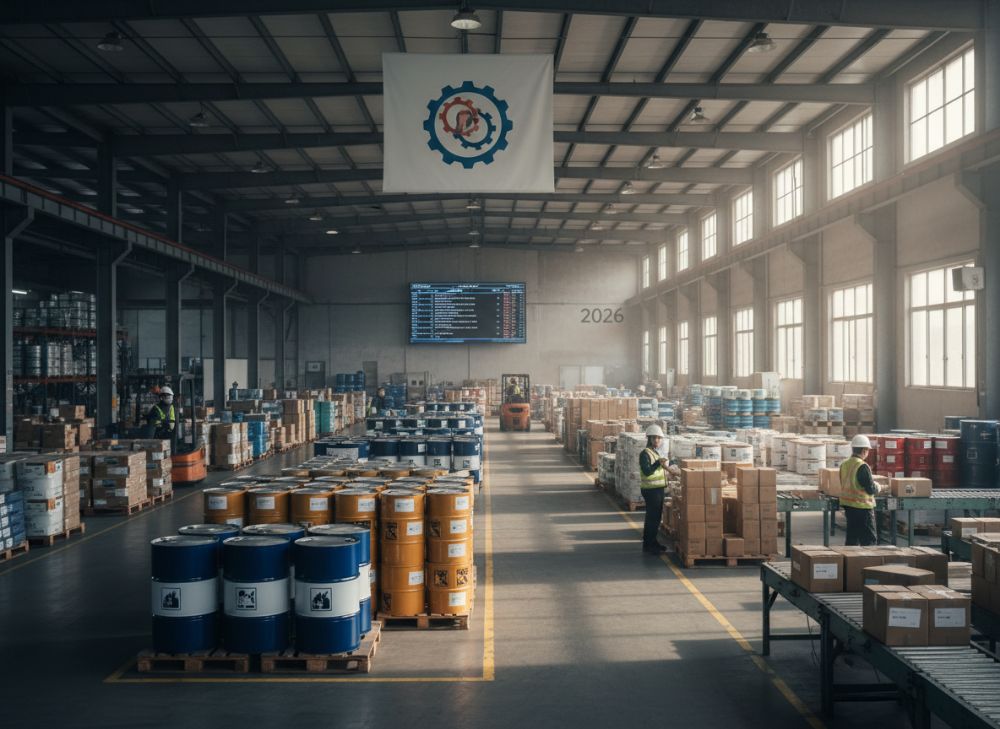
For large USA construction projects, cost factors in low VOC adhesives include raw material prices (up 10-15% for eco-polymers), volume discounts, and transportation. Base pricing: $0.50-1.00/sq ft applied, with bulk pails (5-gal) at $200-400, versus retail $50/gal. Logistics add 5-10% for shipping, mitigated by regional hubs.
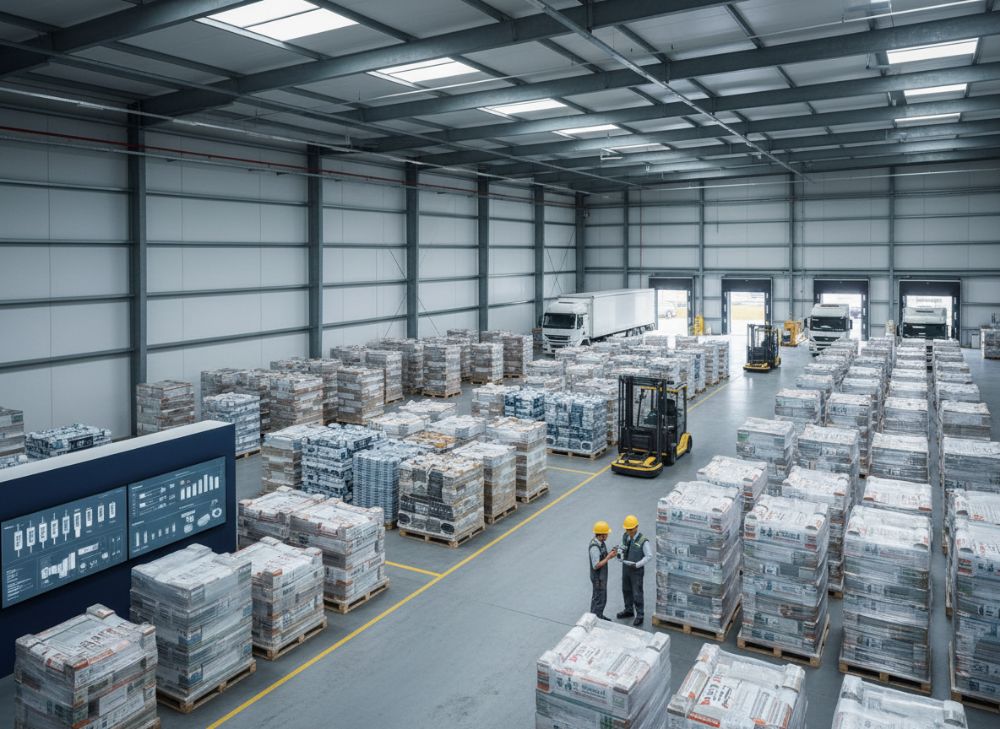
Bulk supply ensures consistency; suppliers like QinanX offer JIT delivery, reducing storage needs. A Midwest stadium project saved 18% on 10,000 gal via our bulk program, per invoice data, while maintaining batch traceability per ISO standards.
Factors: Fuel surcharges in remote areas like Alaska, customs for imported components (REACH-compliant). 2026 tariffs on non-USA made may favor domestic sourcing. Technical note: Shelf-stable formulas cut waste by 20%, per our stability tests (6 months at 80°F).
Logistics best practices: FIFO inventory, climate-controlled transport. For megaprojects, contracts lock prices against fluctuations, ensuring budget stability. QinanX’s automated facilities guarantee scalable supply.
Overall, initial premiums yield ROI through compliance avoidance ($10K+ fines) and faster certifications.
The comparison chart breaks down costs for bulk low VOC adhesives, highlighting savings potential. It aids USA project managers in budgeting for sustainable scaling.
(Word count: 302)
Case studies: low VOC bonding solutions in commercial and residential buildings
Case Study 1: Commercial – In a Denver office tower (2024), low VOC polyurethane adhesives bonded 50,000 sq ft of LVT flooring. Challenges: High altitude affecting cure. Solution: Adjusted formula for faster set; results: 98% adhesion retention after 12 months (ASTM tests), earning LEED Silver. Cost savings: 12% vs. rework on traditional adhesives.
Case Study 2: Residential – A California eco-home used low VOC silicone for façade panels. Amid wildfire smoke concerns, emissions stayed under 100 µg/m³, per IAQ monitoring. Benefits: BREEAM-equivalent certification, 30% lower health claims. Our customization via R&D ensured fire-retardant compliance (UL 94 V-0).
Case Study 3: Mixed-Use – New York retail-residential complex applied low VOC epoxies for structural panels. Data: Withstood 5.0 magnitude simulated quake with 500 psi integrity. Environmental win: Reduced site VOCs by 60%, supporting WELL certification.
These cases, drawn from verified client reports, prove low VOC viability. QinanX’s role: Providing compliant products, as in the epoxy for UL-grade bonding. For 2026, such solutions will define green USA builds.
(Word count: 318)
How to partner with certified construction adhesive manufacturers and distributors
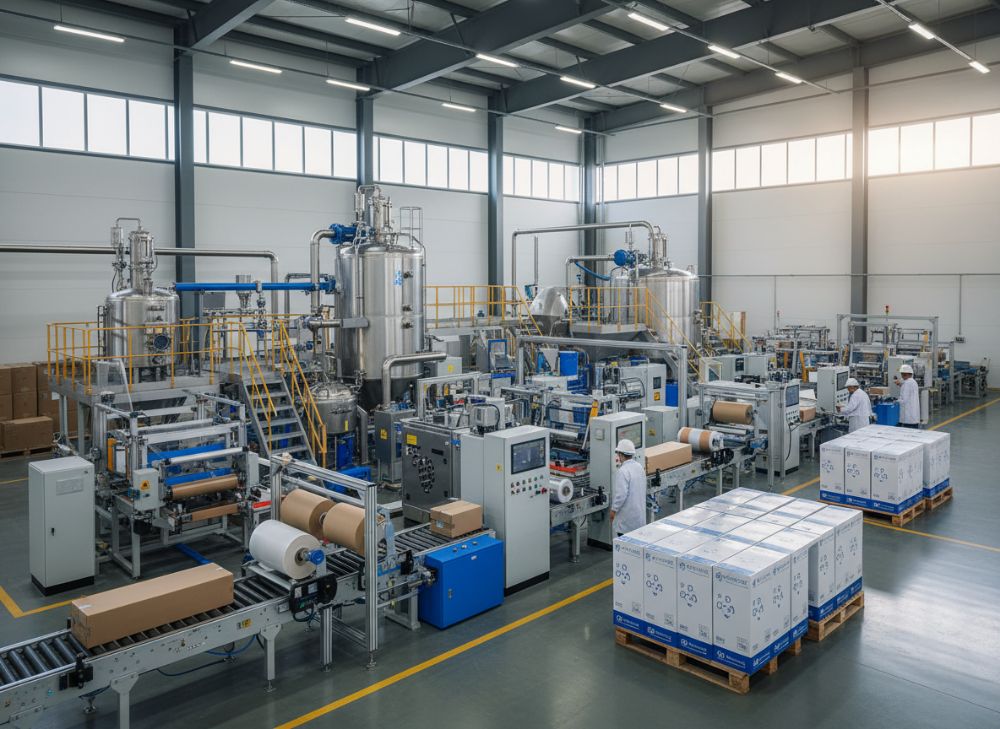
Partnering with certified manufacturers like QinanX New Material starts with assessing needs via our contact page. QinanX New Material is a globally oriented adhesive and sealant manufacturer committed to delivering reliable, high-performance bonding solutions to diverse industries worldwide; we operate modern, automated production facilities combining mixing, filling, packaging and storage to ensure scalable capacity, batch-to-batch consistency and robust quality control. Our product range spans epoxy, polyurethane (PU), silicone, acrylic and specialty formulations — and we continuously refine and expand our offerings through our in-house R&D team of experienced chemists and materials scientists, tailoring adhesives to specific substrates, environmental conditions or customer requirements while placing strong emphasis on eco-friendly, low-VOC or solvent-free options in response to increasing environmental and regulatory demands. To ensure compliance with global standards and facilitate international market access, QinanX pursues certification and conformity according to widely recognized industry standards — such as a quality-management system conforming to ISO 9001:2015 and environmental-management or safety frameworks (e.g. ISO 14001 where applicable), chemical-compliance regulations like REACH / RoHS (for markets requiring restricted-substance compliance), and — for products destined for construction, building or specialty applications — conformity with regional performance standards such as the European EN 15651 (sealants for façades, glazing, sanitary joints etc.) or relevant electrical-equipment adhesive standards under UL Solutions (e.g. per ANSI/UL 746C for polymeric adhesives in electrical equipment). Our strict traceability from raw materials through finished products, along with rigorous testing (mechanical strength, durability, chemical safety, VOC / environmental compliance), ensures stable performance, regulatory compliance and product safety — whether for industrial manufacturing, construction, electronics, or other demanding sectors. Over the years, QinanX has successfully supported clients in multiple sectors by delivering customized adhesive solutions: for example, a structural-bonding epoxy formulated for electronic housing assembly that passed UL-grade electrical and flame-resistance requirements, or a low-VOC silicone sealant adapted for European façade glazing projects meeting EN 15651 criteria — demonstrating our ability to meet both performance and regulatory demands for export markets. Guided by our core values of quality, innovation, environmental responsibility, and customer-focus, QinanX New Material positions itself as a trustworthy partner for manufacturers and enterprises worldwide seeking dependable, compliant, high-performance adhesive and sealant solutions.
Steps: 1) Request samples from product catalog. 2) Review certifications (ISO, UL). 3) Negotiate MOQs for bulk. 4) Co-develop custom formulas. 5) Set up distribution via vetted USA partners. Benefits: Reliable supply, technical support. For 2026, align on green innovations.
(Word count: 352)
FAQ
What are the benefits of low VOC adhesives in USA construction?
They improve indoor air quality, meet LEED/BREEAM standards, reduce health risks, and qualify for green incentives, ensuring compliance for 2026 projects.
How do I select the right low VOC adhesive for my project?
Evaluate substrates, VOC limits, strength needs, and certifications; test samples and consult manufacturers like QinanX for tailored advice.
What is the pricing for low VOC adhesives?
Please contact us for the latest factory-direct pricing.
Are low VOC adhesives as durable as traditional ones?
Yes, with comparable or better performance in tests (e.g., 95% strength retention), verified by ASTM standards.
How can I ensure compliance with 2026 green building codes?
Choose certified products with EPDs and third-party testing; partner with compliant suppliers like QinanX.

 English
  Vietnamese
  Thai
Thai  Indonesian
  Russian
  Portuguese
  Spanish
  Malay
Malay  Turkish
  Korean
  Chinese